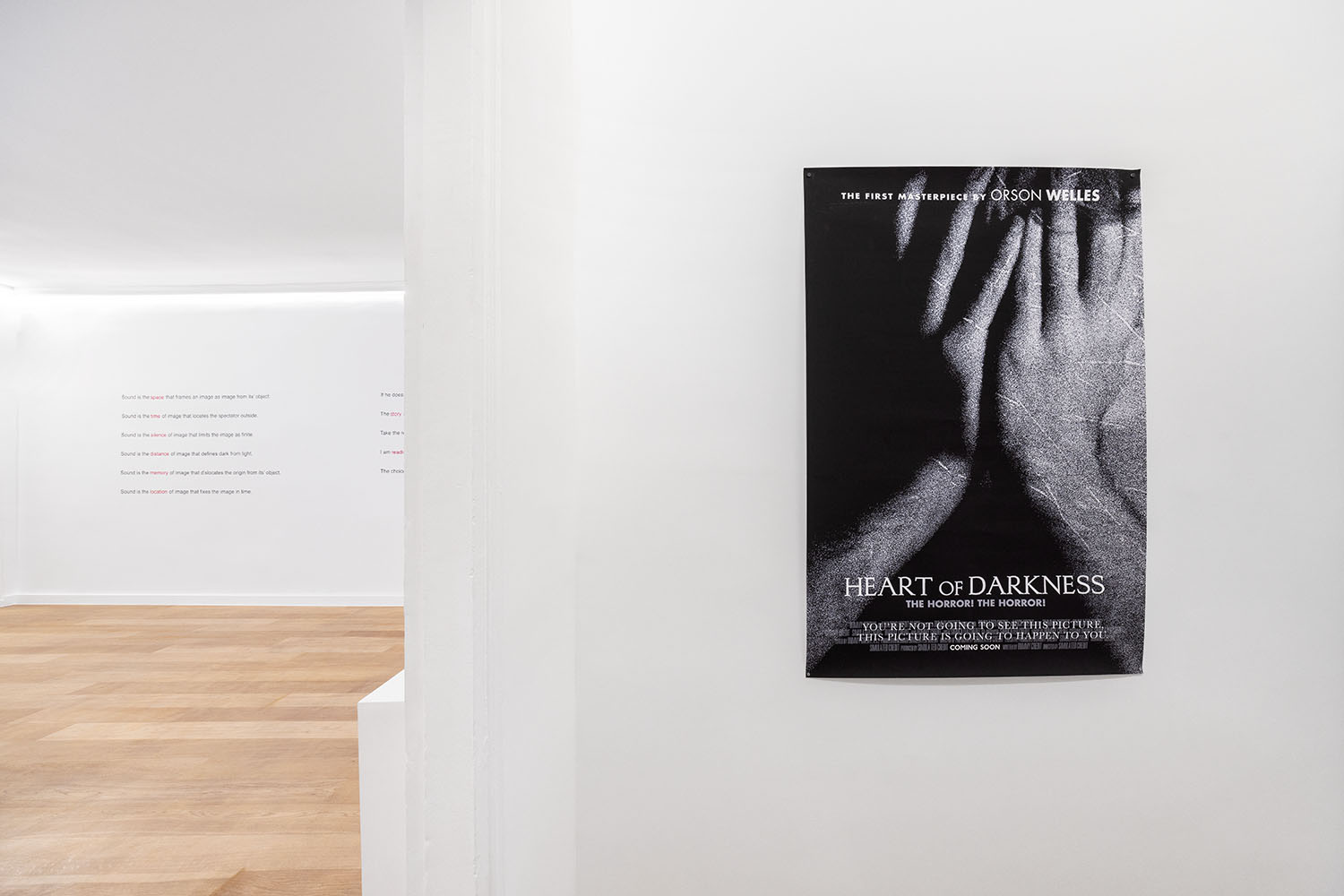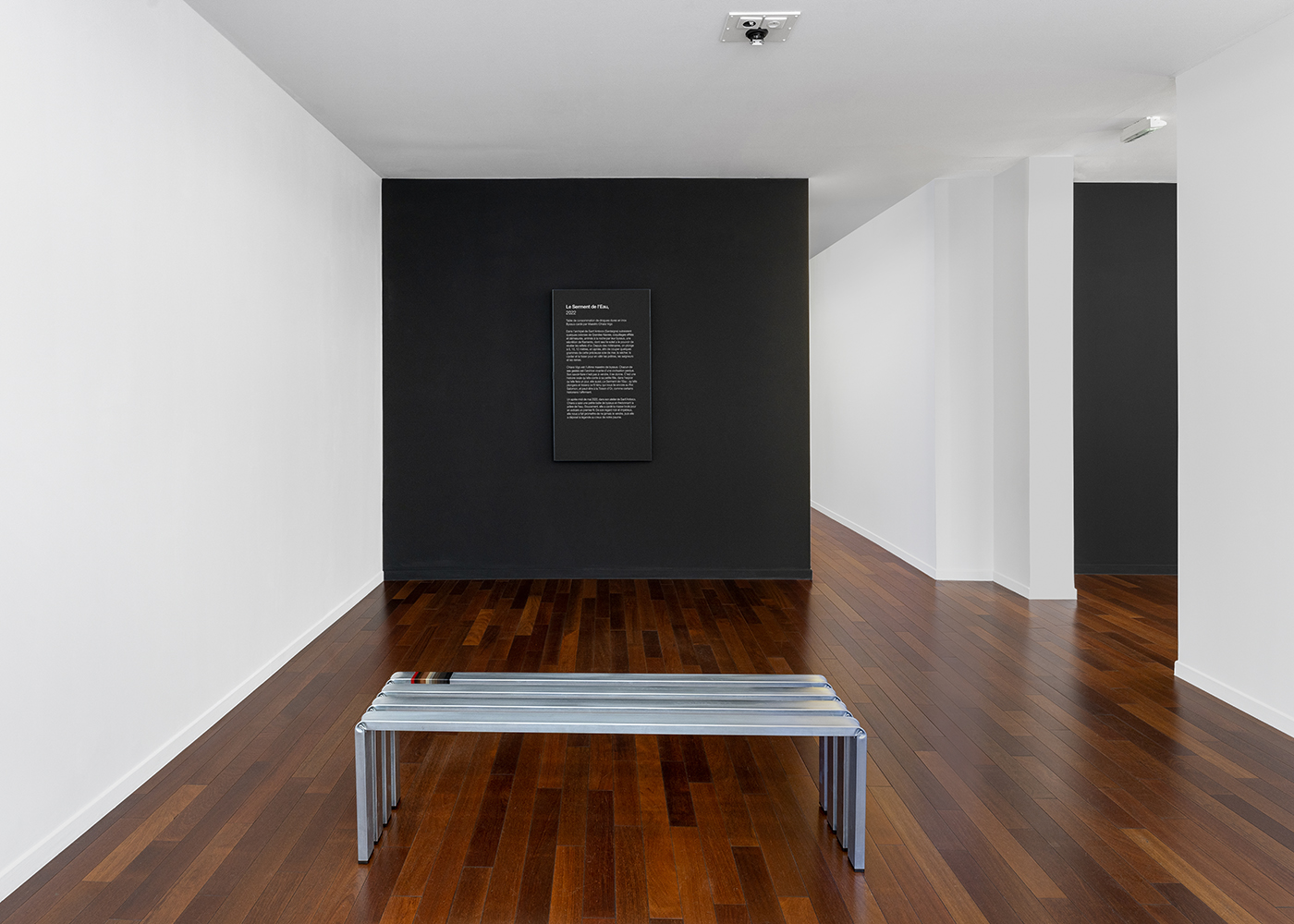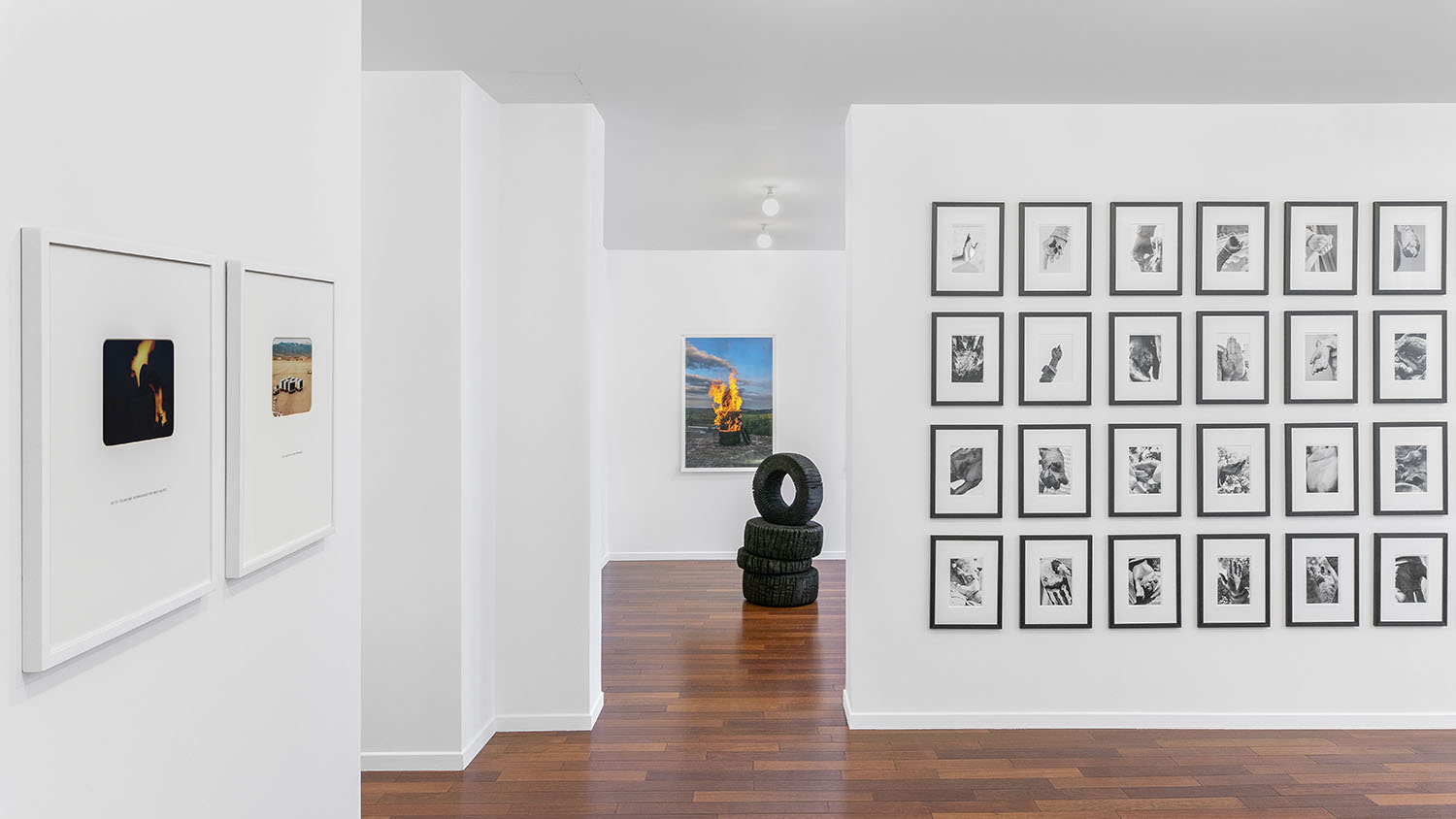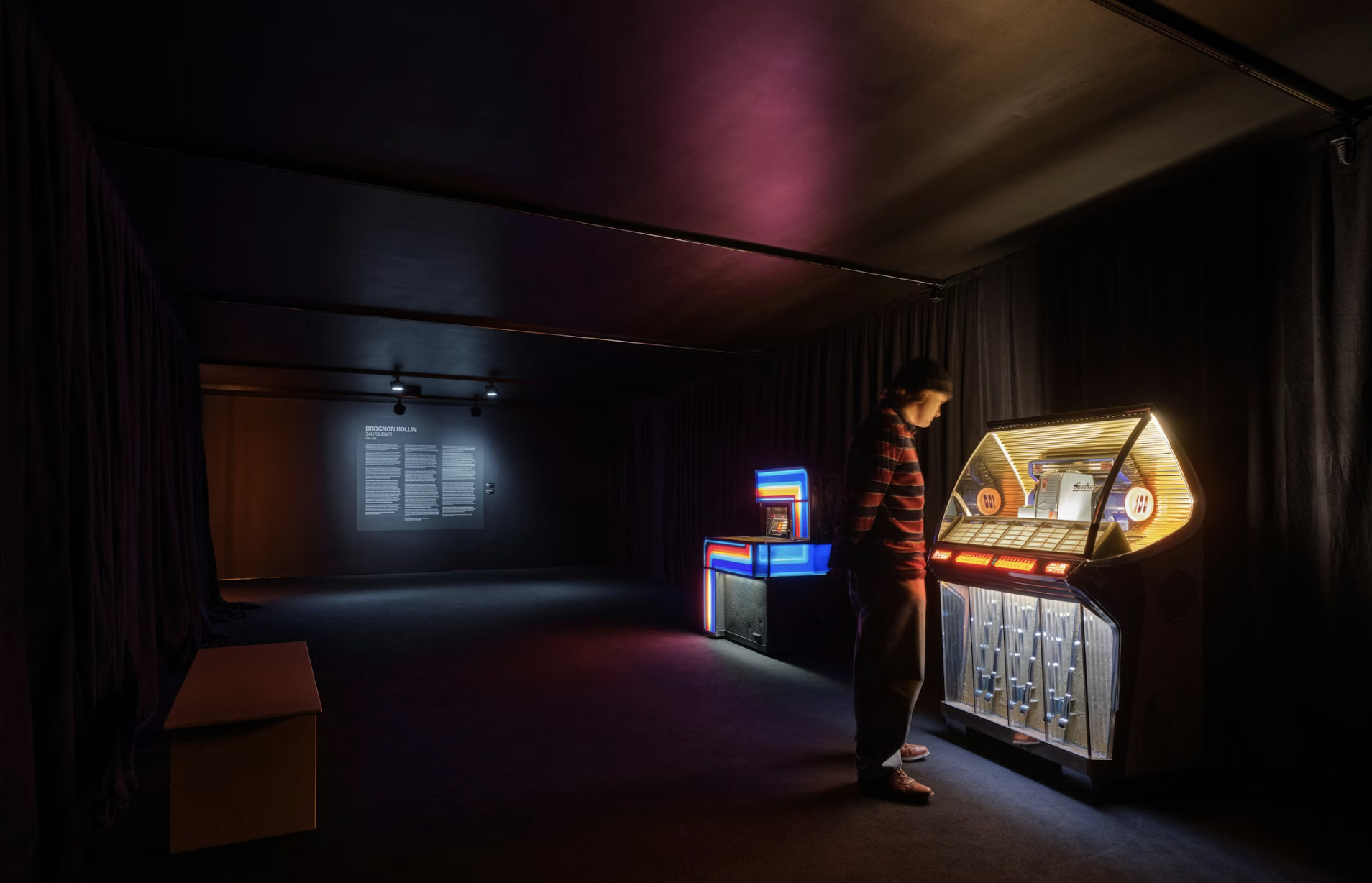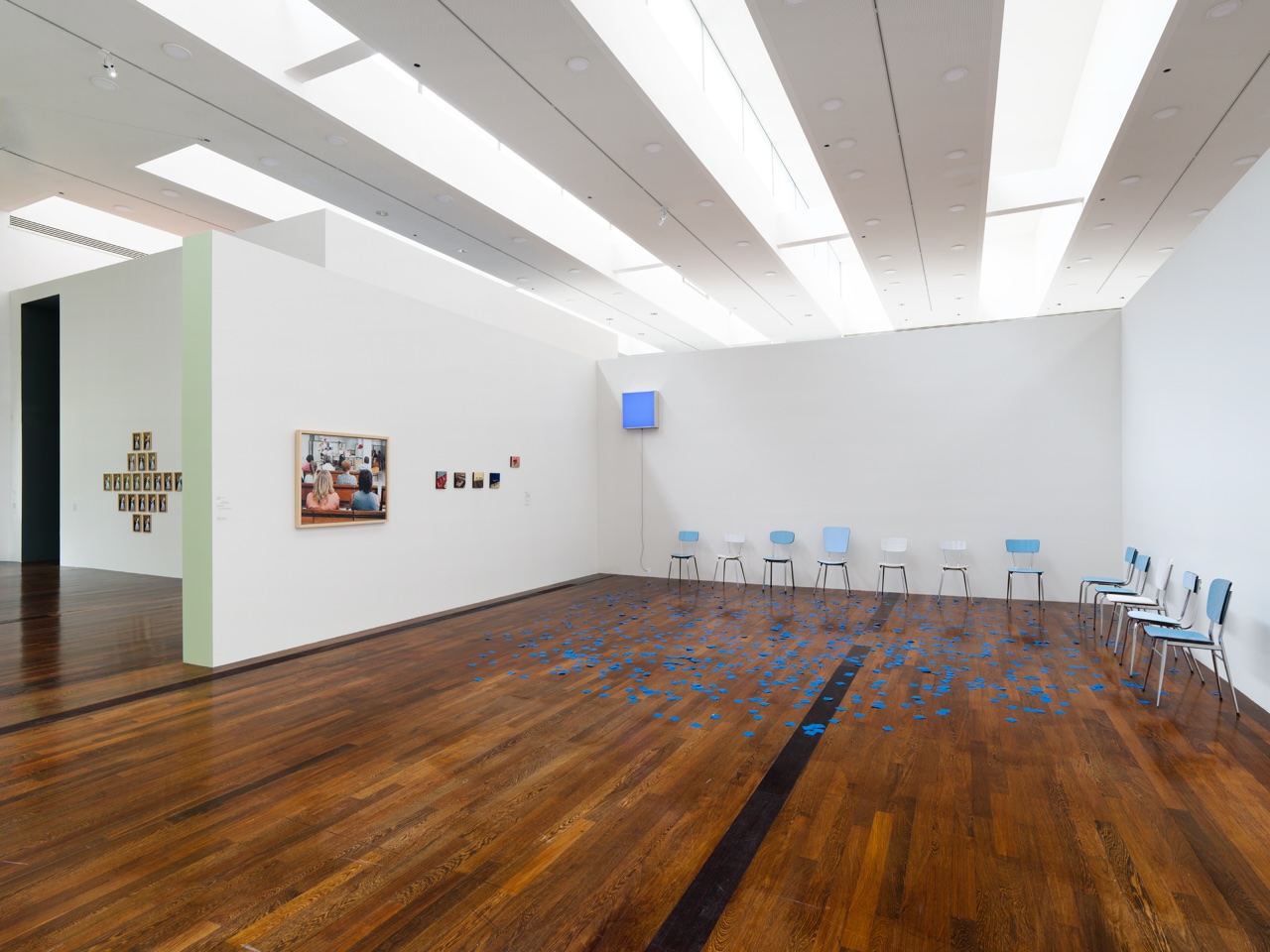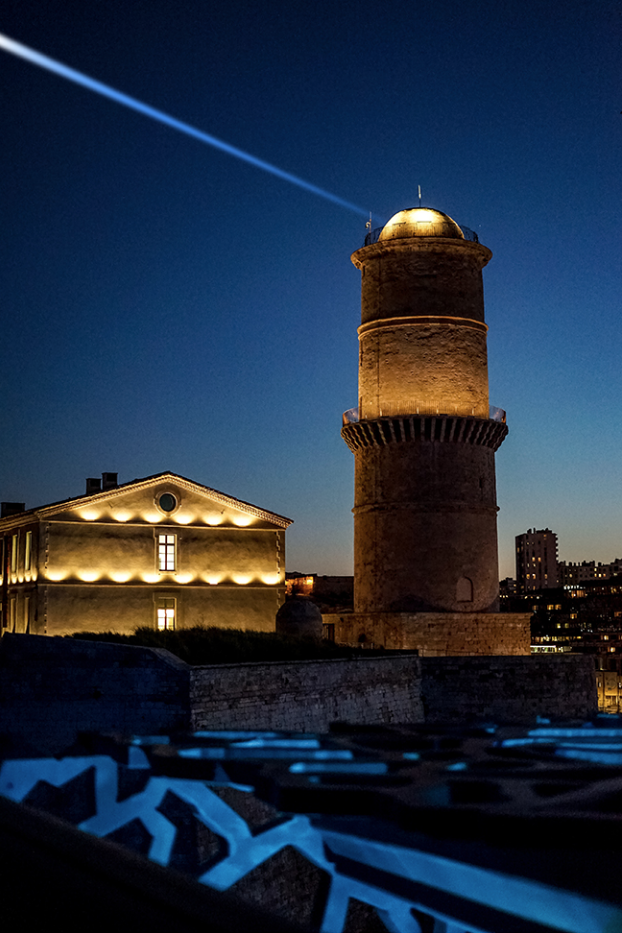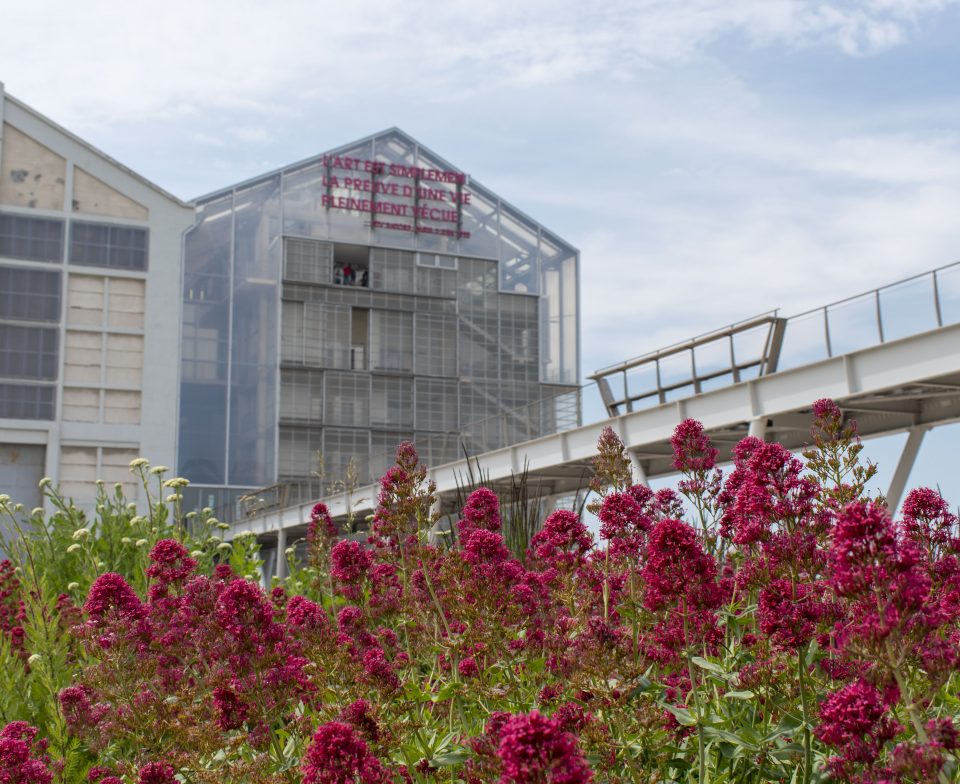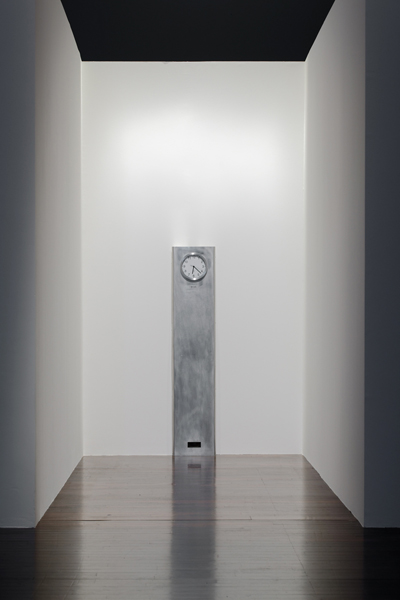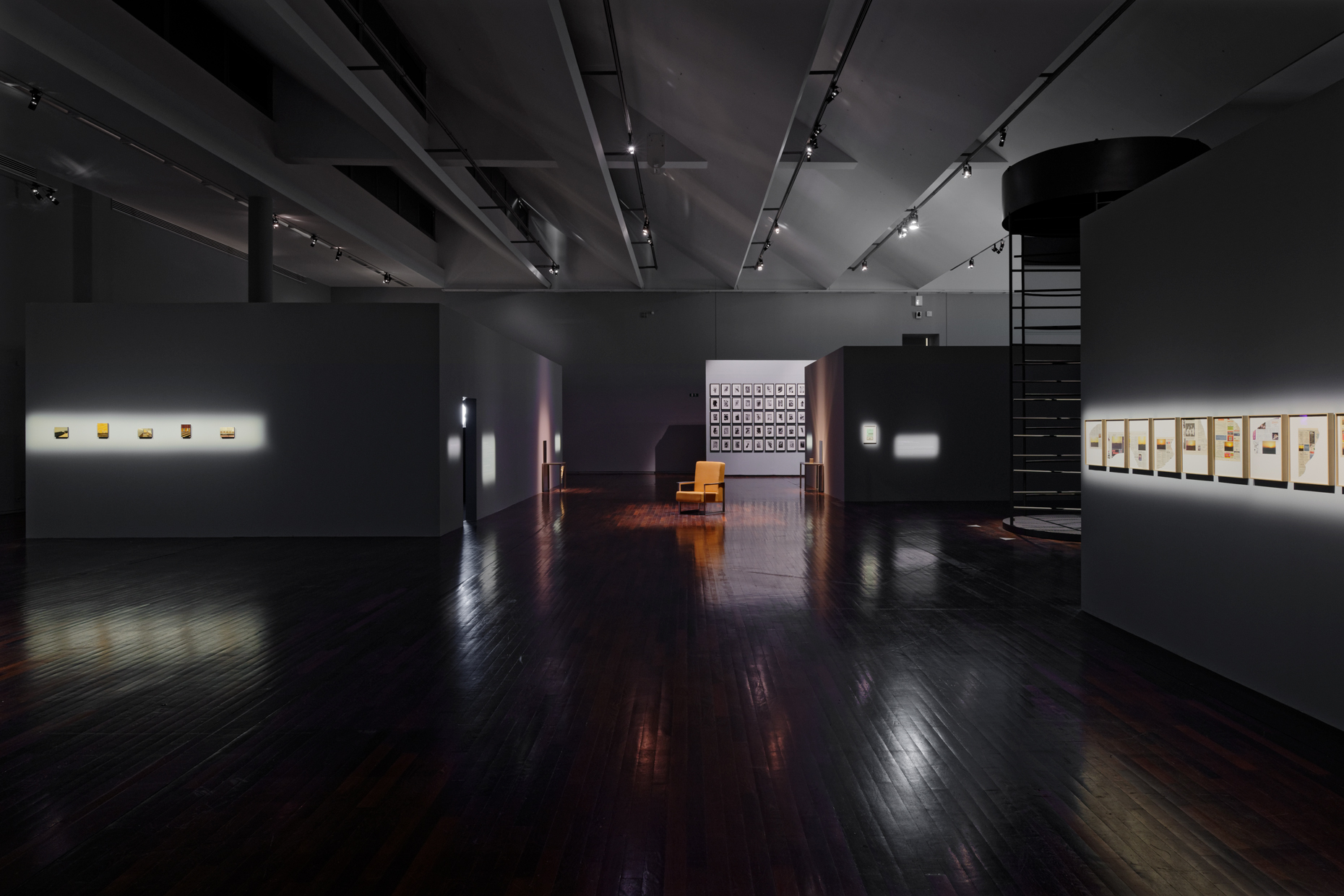
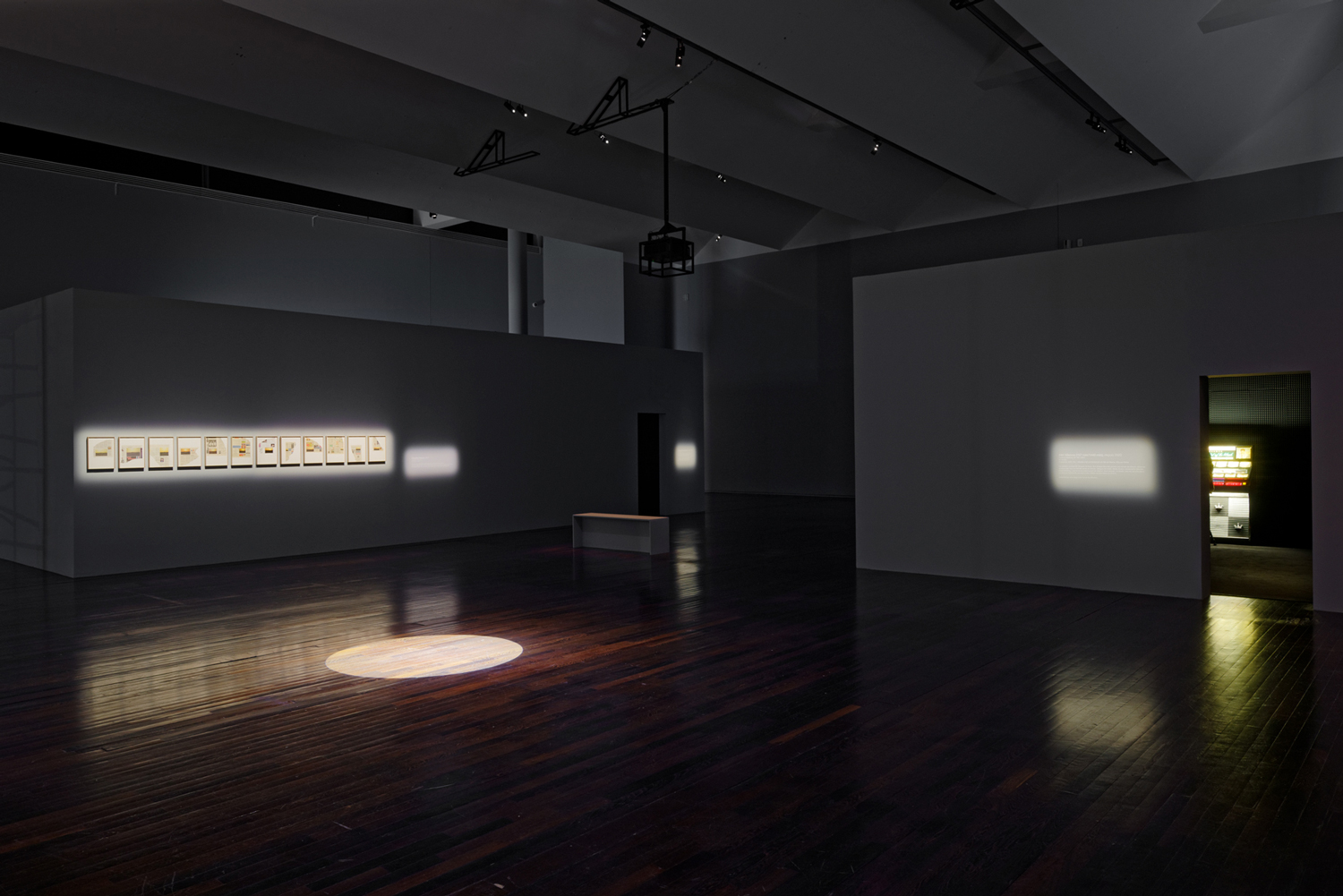
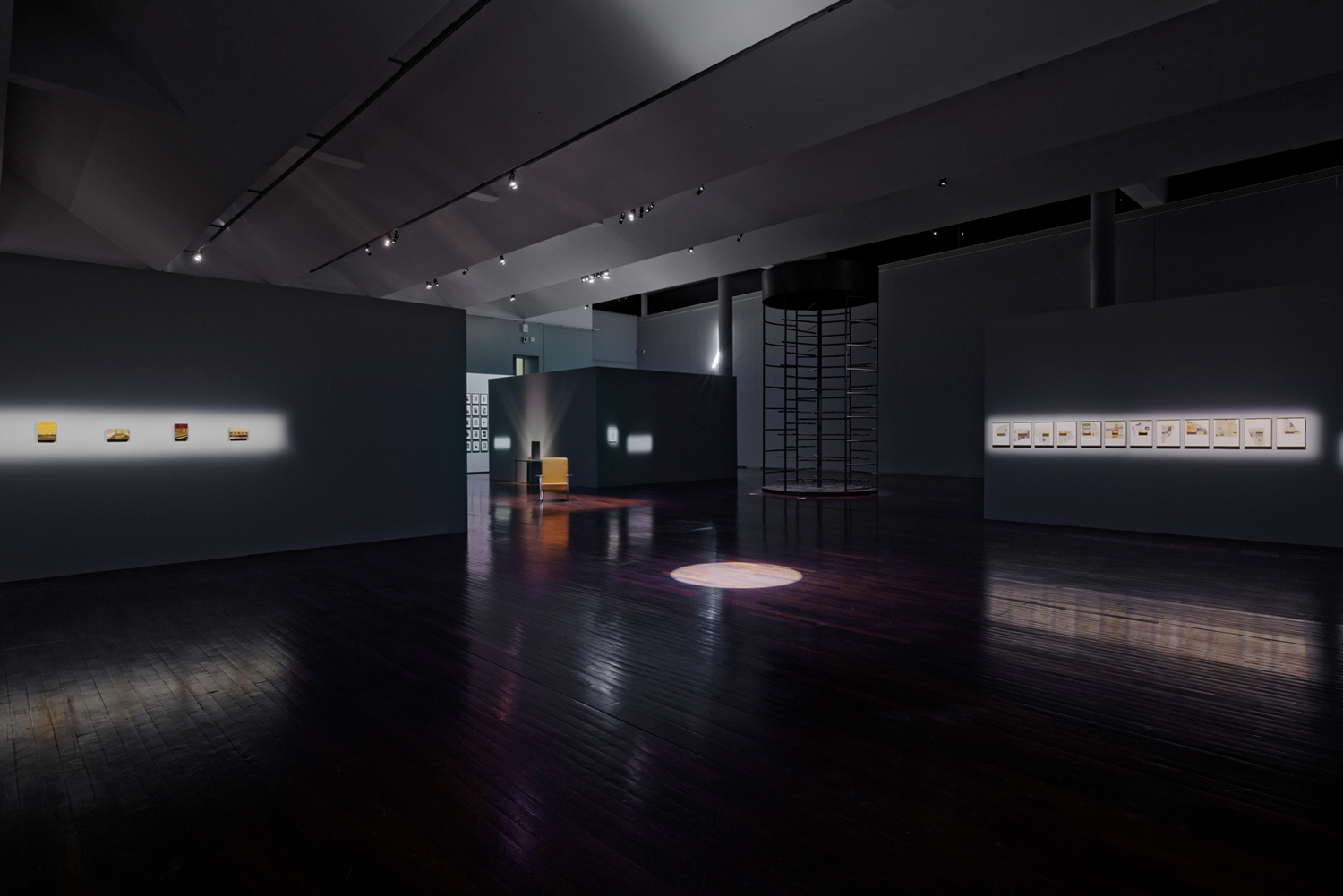
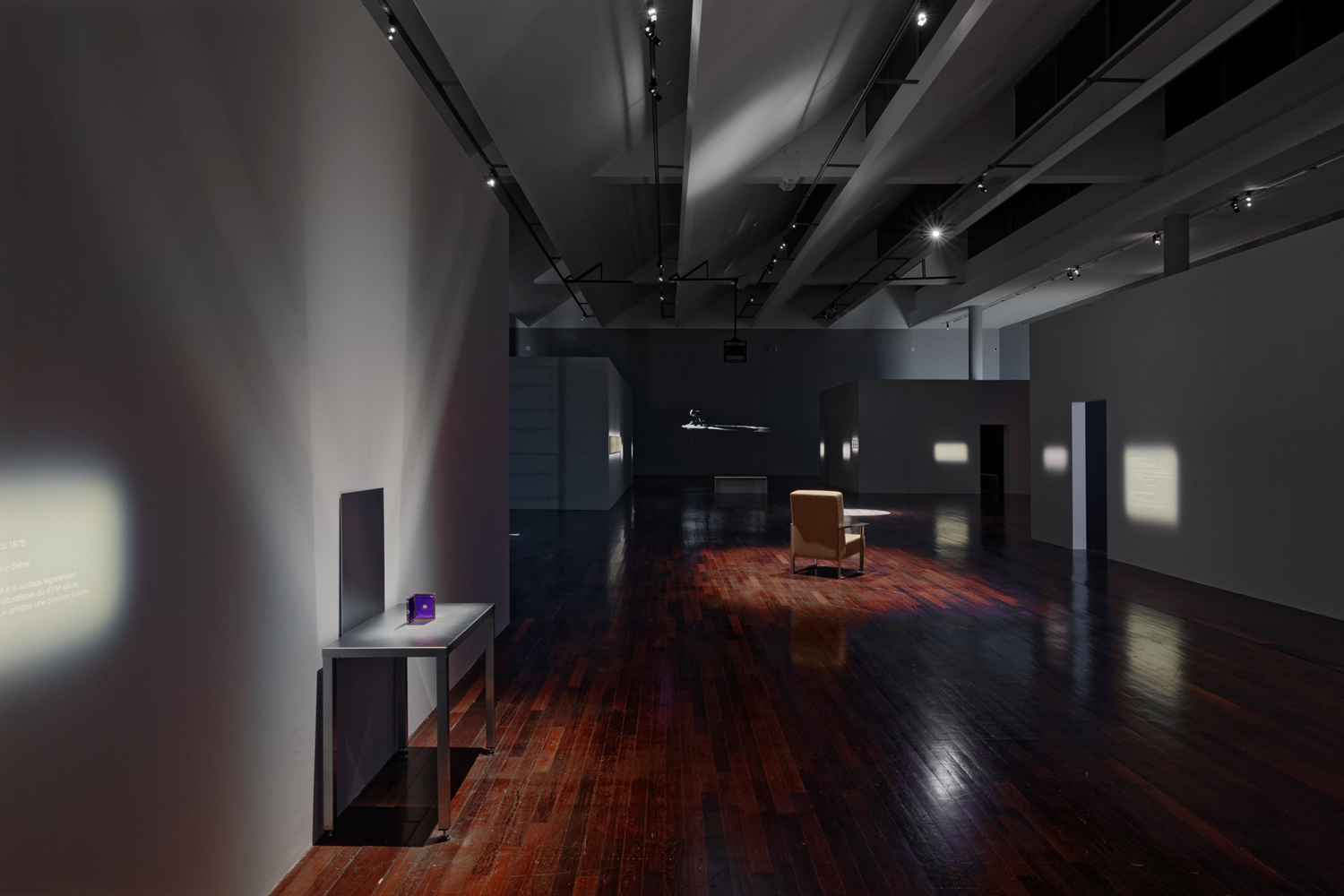
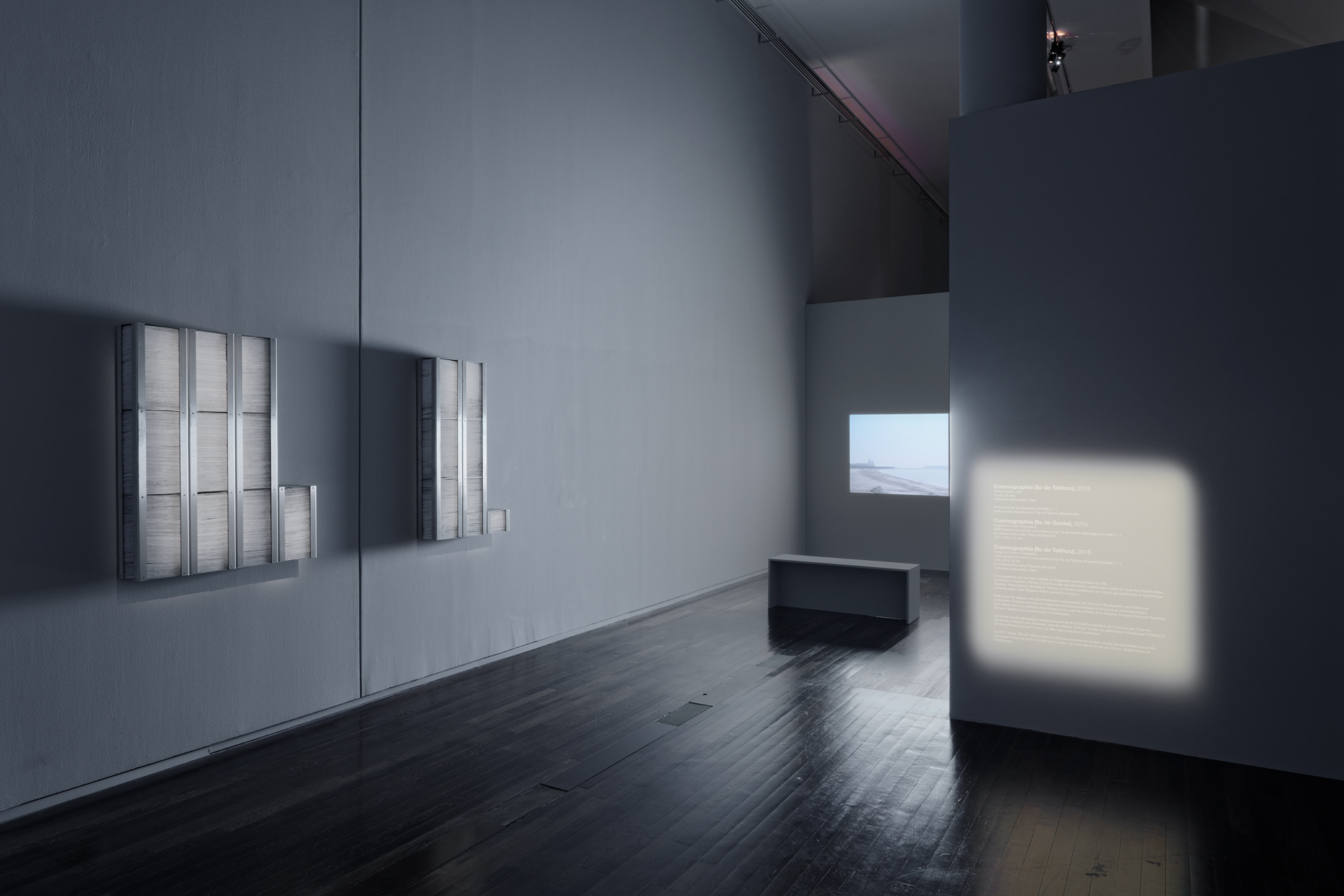
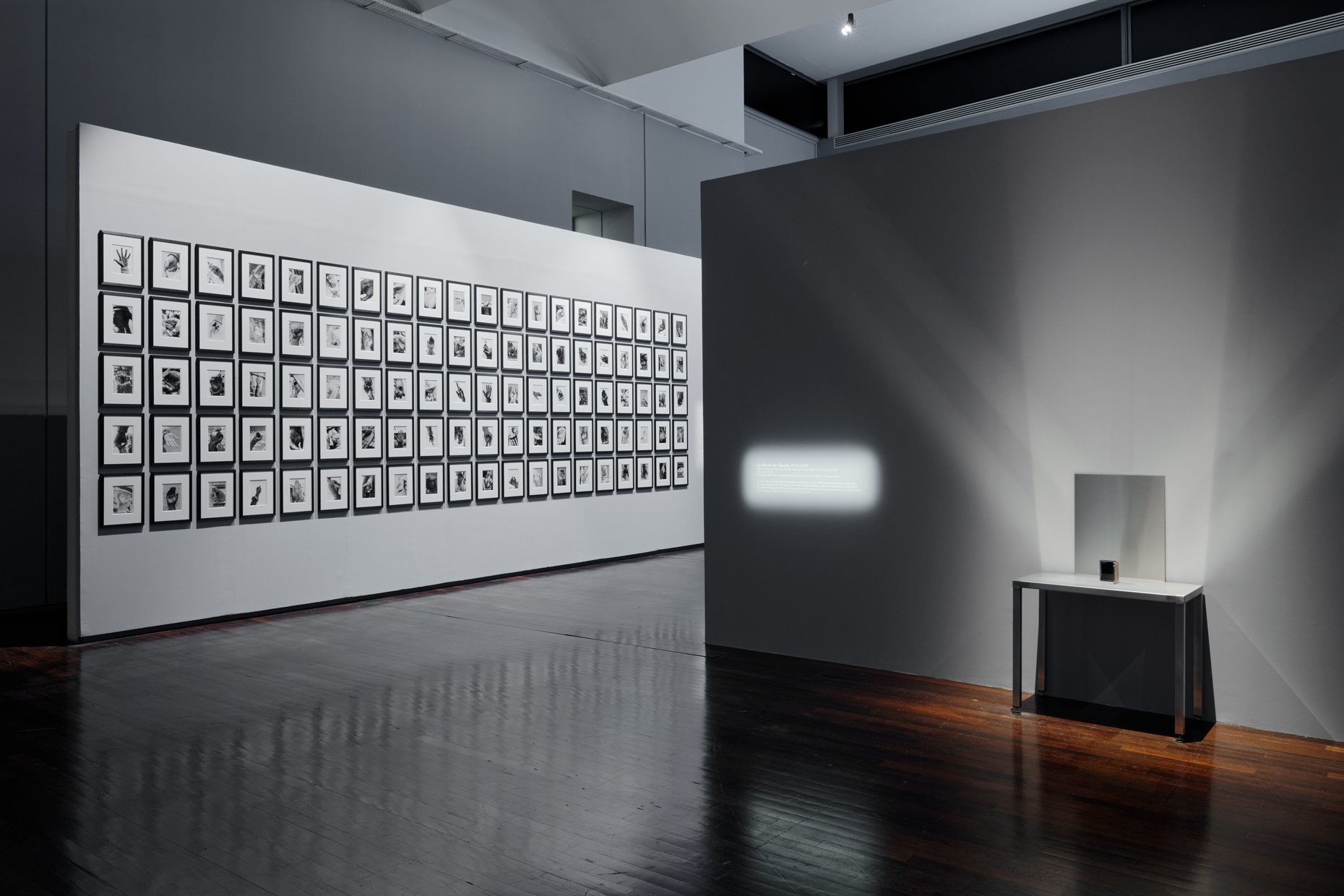
Exhibition views at MAC/VAL, Vitry-sur-Seine, 2020.
Photo Aurélien Mole
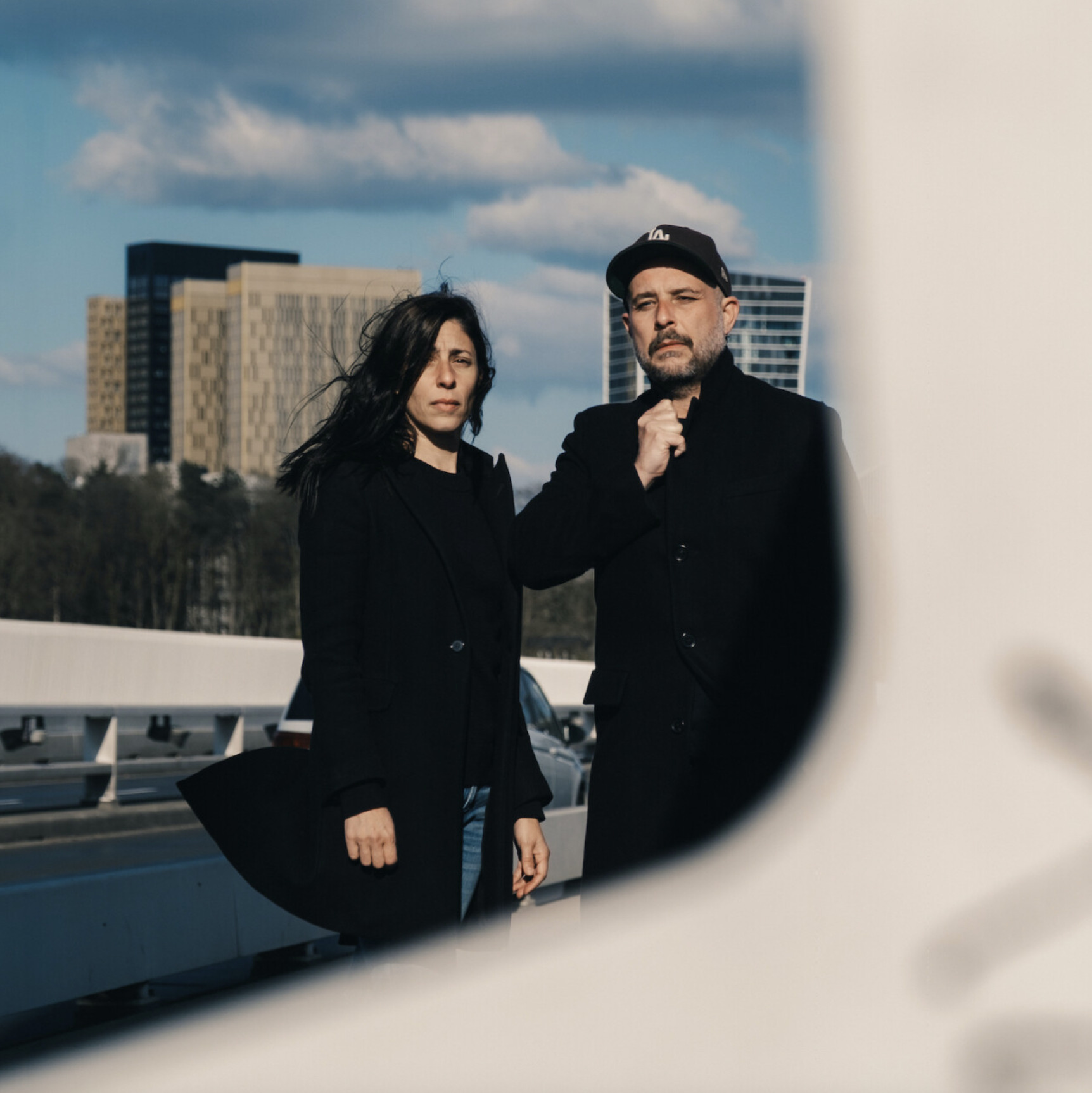
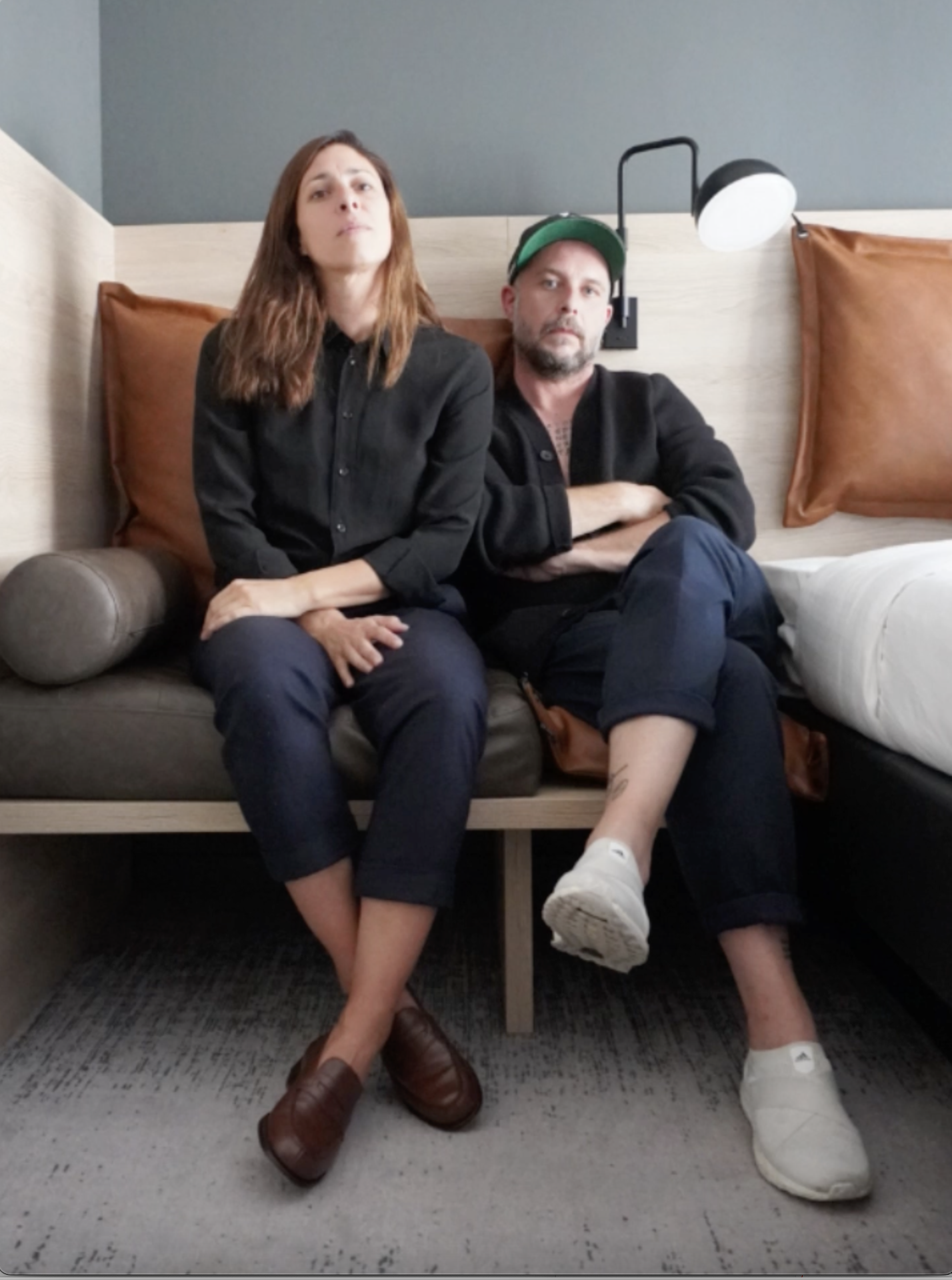
David Brognon (born in 1978 in Messancy, Belgium) and Stéphanie Rollin (born in 1980 in Paris). The artistic duo Brognon Rollin lives and works between Luxembourg, Paris, and Siena.
The two artists began their collaboration in 2006, after meeting at the MUDAM in Luxembourg. Together, they have developed a distinctive body of work (installations, sculptural objects, videos, performances, photographs), in which people are the primary material and encounters are the driving force. Drawing on real-life situations – which are often complex – they give tangible form to the experience of time, duration or waiting, in direct connection with the physical reality of a territory and its boundaries – particularly in the context of situations of confinement. Focusing on the margins rather than the centre, the artists are interested in the blurred interstices where society confines those it marginalises or renders invisible.
"Our universe is the periphery, that space-time we don't want to see."
Through its methods and its final forms – which are synthetic and refined – this work forms part of a tradition rooted in conceptual art, but is based above all on an exceptional capacity for attention and empathy towards the people and social situations encountered. The result of a lengthy creative process combining social analysis, research and immersion in the field, their artistic practice is based on observation, dialogue and co-creation with the people involved. The need to engage as closely as possible with reality, within an environment they approach like ‘chameleons' – without preconceived judgements – enables them to pick out elements of everyday life that are not immediately apparent and to set about making them perceptible. Their ability to refract and poeticise reality, by combining facts, objects, anecdotes and symbolic elements, creates a work rich in meaning that leaves a lasting impression on the viewer, who is invited to grasp what lies or vibrates beneath the apparent order of the visible.
It is therefore at the heart of their approach – which is at once conceptual, human, empathetic and poetic – that the distinctive nature and coherence of their work are revealed.
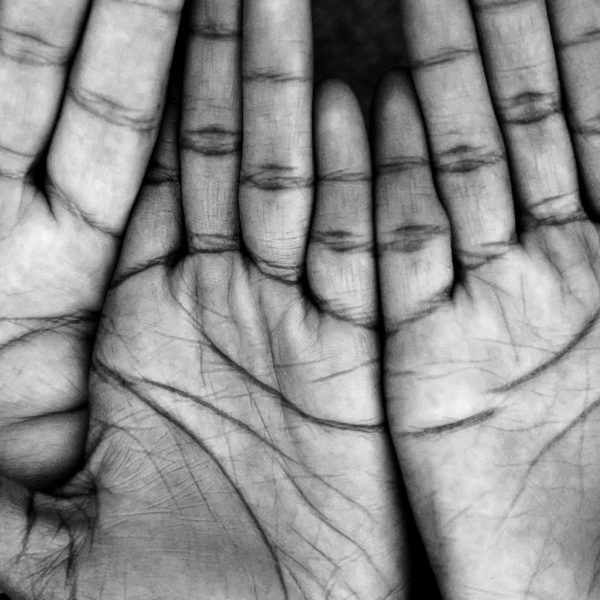
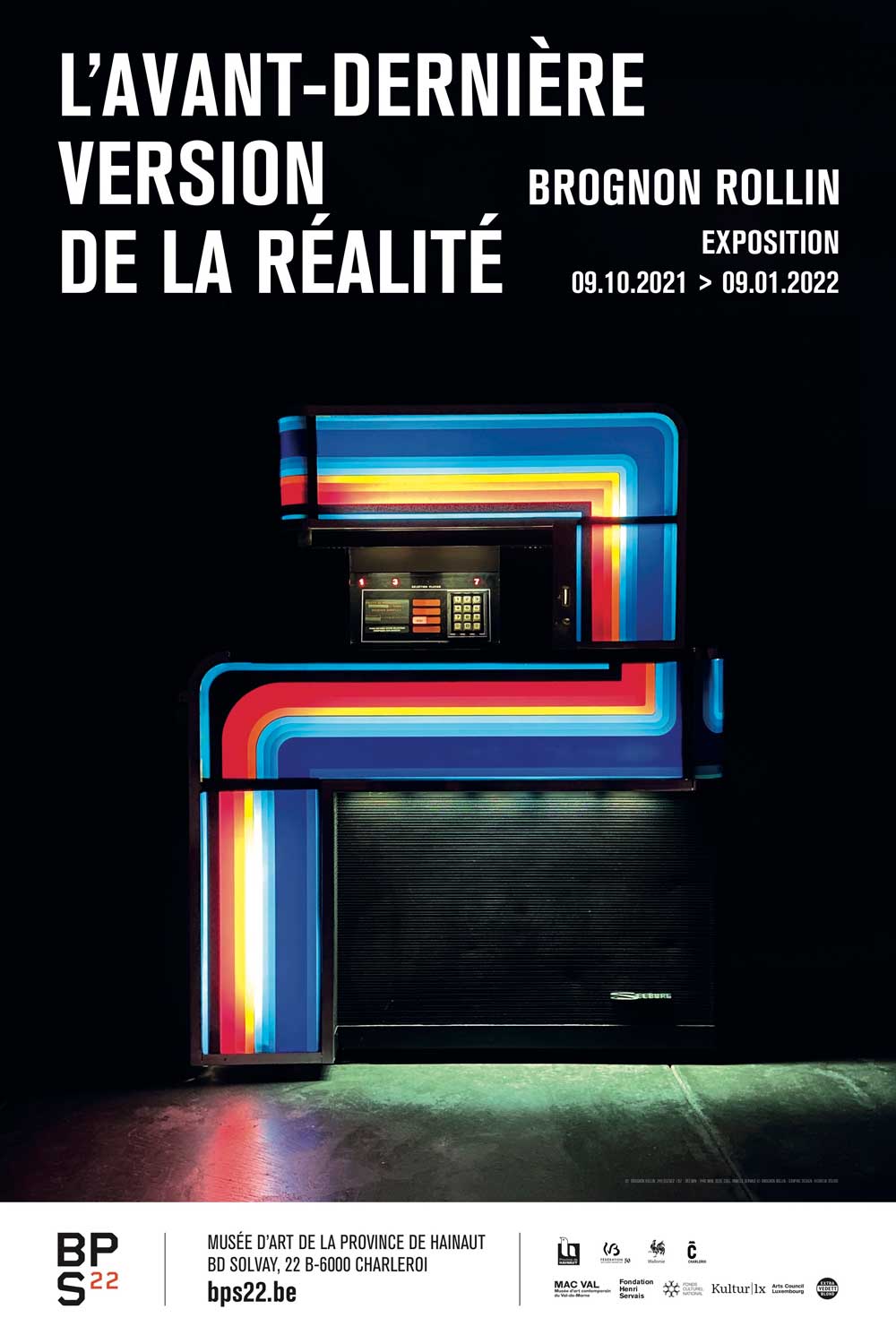
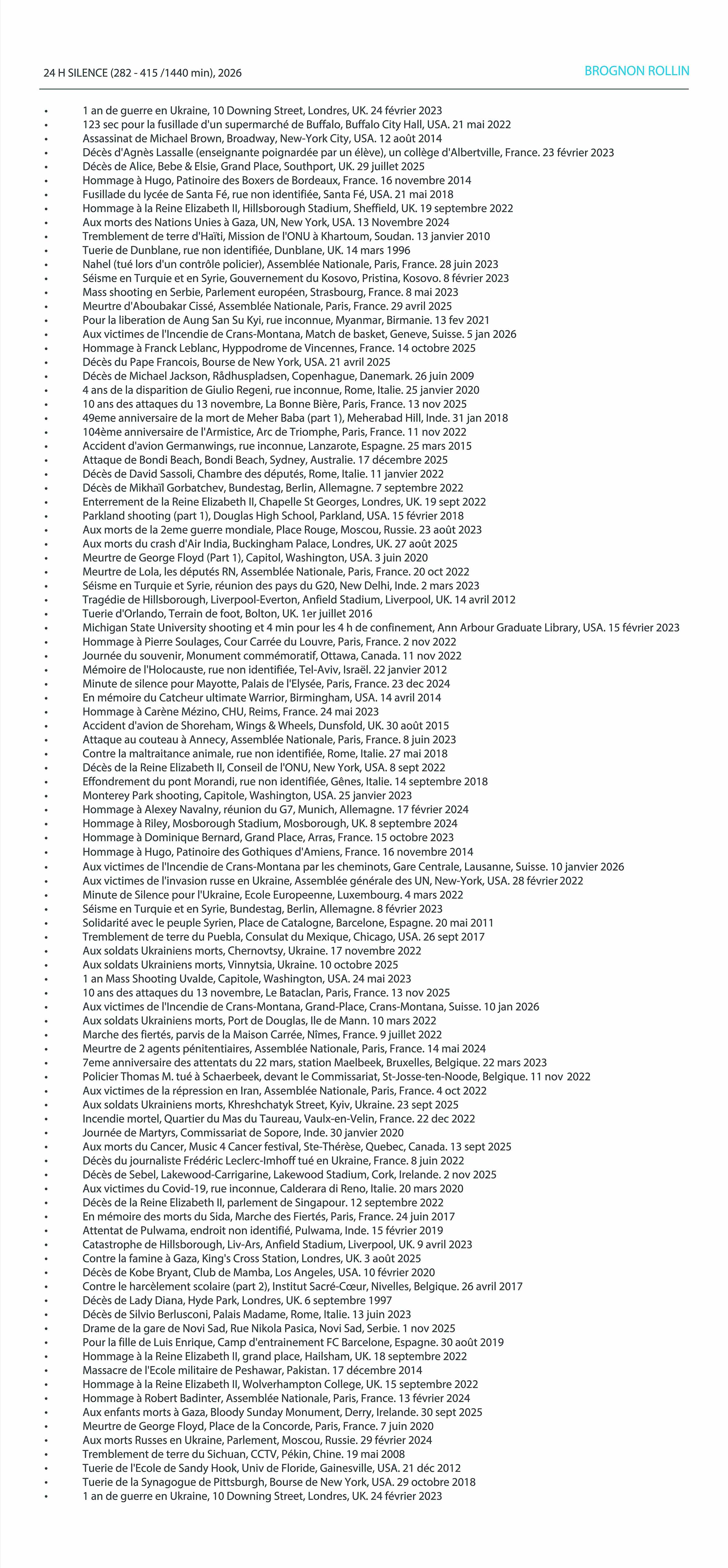
With Fate will Tear us Apart (2011), the lines of destiny collected in the palms of hard drug users radiate the walls in a flash of neon. The 8m2 Loneliness clock scans the interrupted time of the prisoner in his cell. With Cosmographia (Gorée Island) (2015), they create a crazy and monumental piece that physically archives the contradictory reality of the island between prison and escape: centimetre by centimetre, for 6 days, the 2.4 km of the island's layout is traced on paper, those 3,066 layers sent by post to be stored and sealed in a stainless steel shelf. In 2017, they produce Résilients, a 6-metre-high sculpture, in collaboration with workers from the Caterpillar factory in Gosselies (Belgium) during the last months before the American manufacturer closes the site. A work as a remnant of an immense know-how and which testifies to the psychological violence of a factory closure towards the 2,500 people concerned and a heavily affected region. On the occasion of the Biennale d'Art Contemporain de Melle, with the work Until Then (Saint Savinien) (2018), they invite a line sitter from New York to wait in an 11th century church for the death of a patient by euthanasia. A performance that lasted 26 days. In 2020, on the occasion of their first museum monographic exhibition at the MAC VAL, Musée d'art contemporain de Vitry-sur-Seine, entitled L'avant-dernière version de la réalité, they present 24h Silence (157 min/1440 min), a jukebox containing 80 45-rpm discs. On each side is engraved a minute's silence, observed somewhere in the world after a tragedy: a terrorist attack, an illustrious death, a natural disaster, a mass shooting...
Their works form part of several public collections:
Centre Pompidou, Musée National d'Art Moderne, Paris, France / MUCEM, Musée des Civilisations de l'Europe et de la Méditerranée, Marseille, France / Musée d'Histoire et d'Art de Genève, Switzerland / The Israël Museum - Jerusalem, Israel / MAC VAL, Musée d'art contemporain de Vitry-sur-Seine, France / Collection MUDAM, Luxembourg / BPS22 - Musée D'Art de la Province du Hainaut, Belgium / CNAP, Centre National des Arts Plastiques, France / MAC'S - Grand-Hornu, Belgium / FRAC Ile-de France, FRAC Alsace, FRAC Poitou-Charentes FRAC Grand Large and FRAC Lorraine, France.
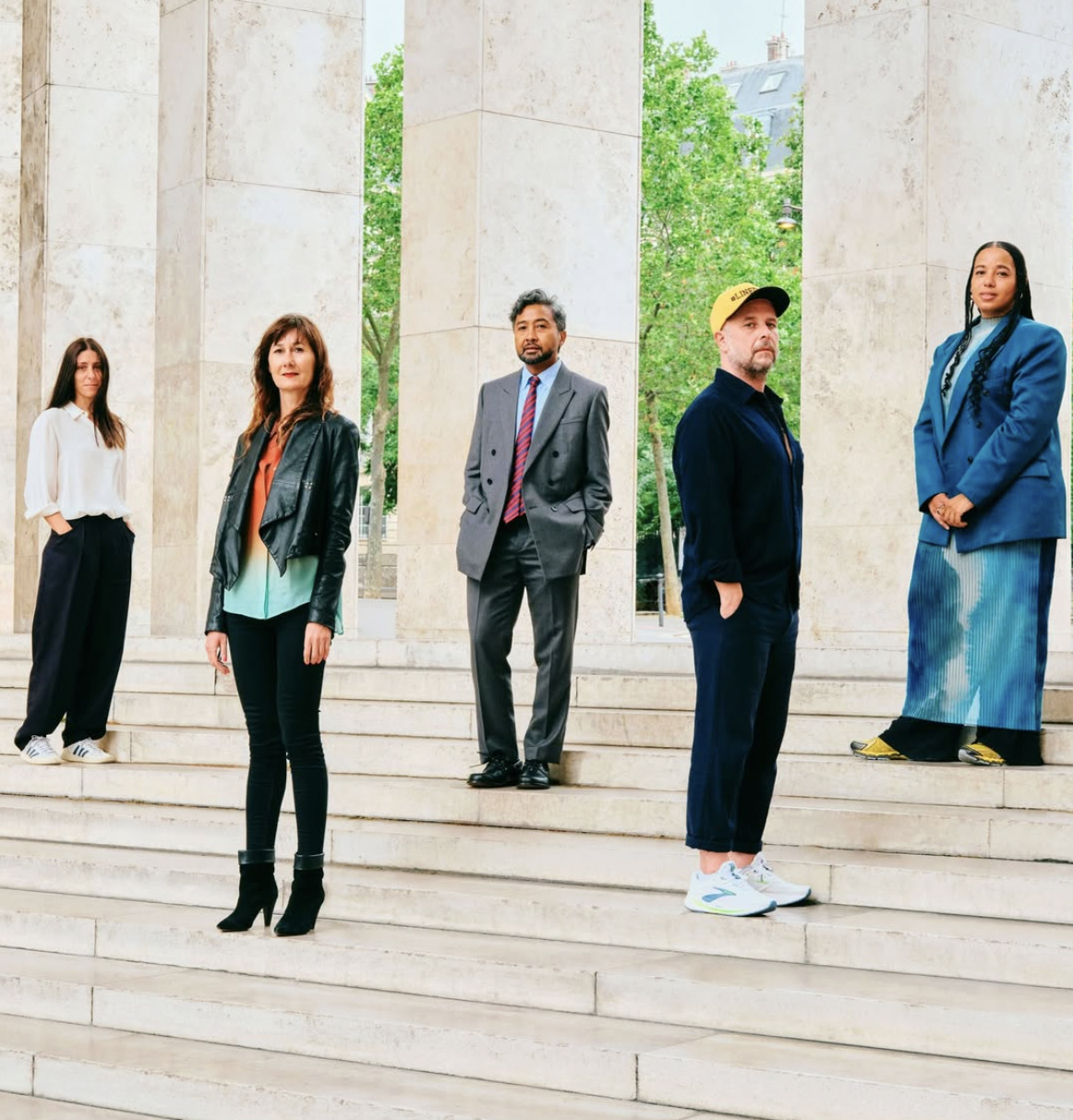
Following the deliberations of the ADIAF Selection Committee, four artists have been nominated for the Prix Marcel Duchamp 2026. They are Joël Andrianomearisoa, Brognon Rollin, Laura Henno, and Josèfa Ntjam. Their nomination will be followed by an exhibition at the Musée d'Art Moderne de Paris, curated by Odile Burluraux from MAM and Nicolas Liucci-Goutnikov from Centre Pompidou.
On Thursday October 22, Brognon Rollin received the Prix Marcel Duchamp 2026 at the Musée d'Art Moderne de Paris.
Artworks
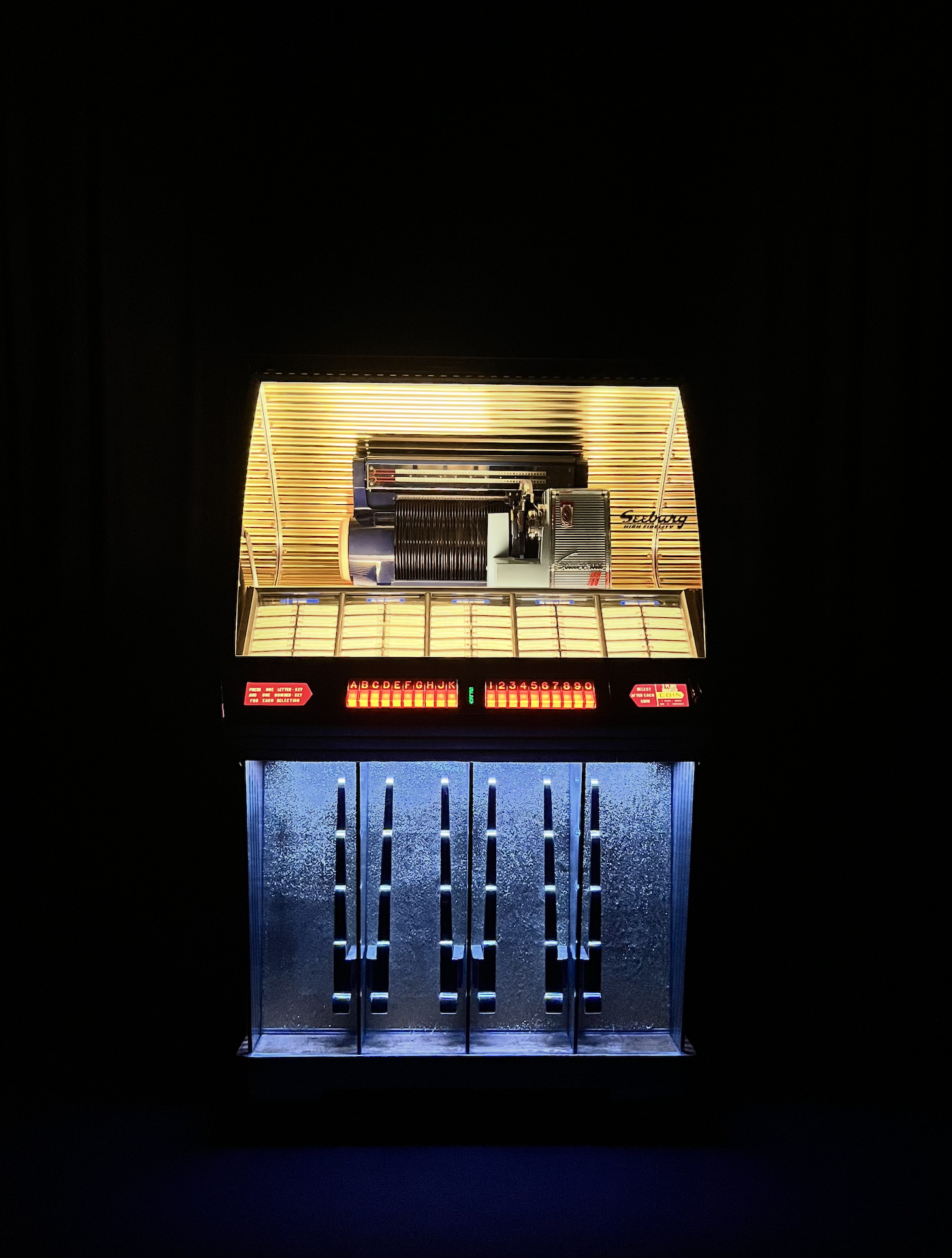
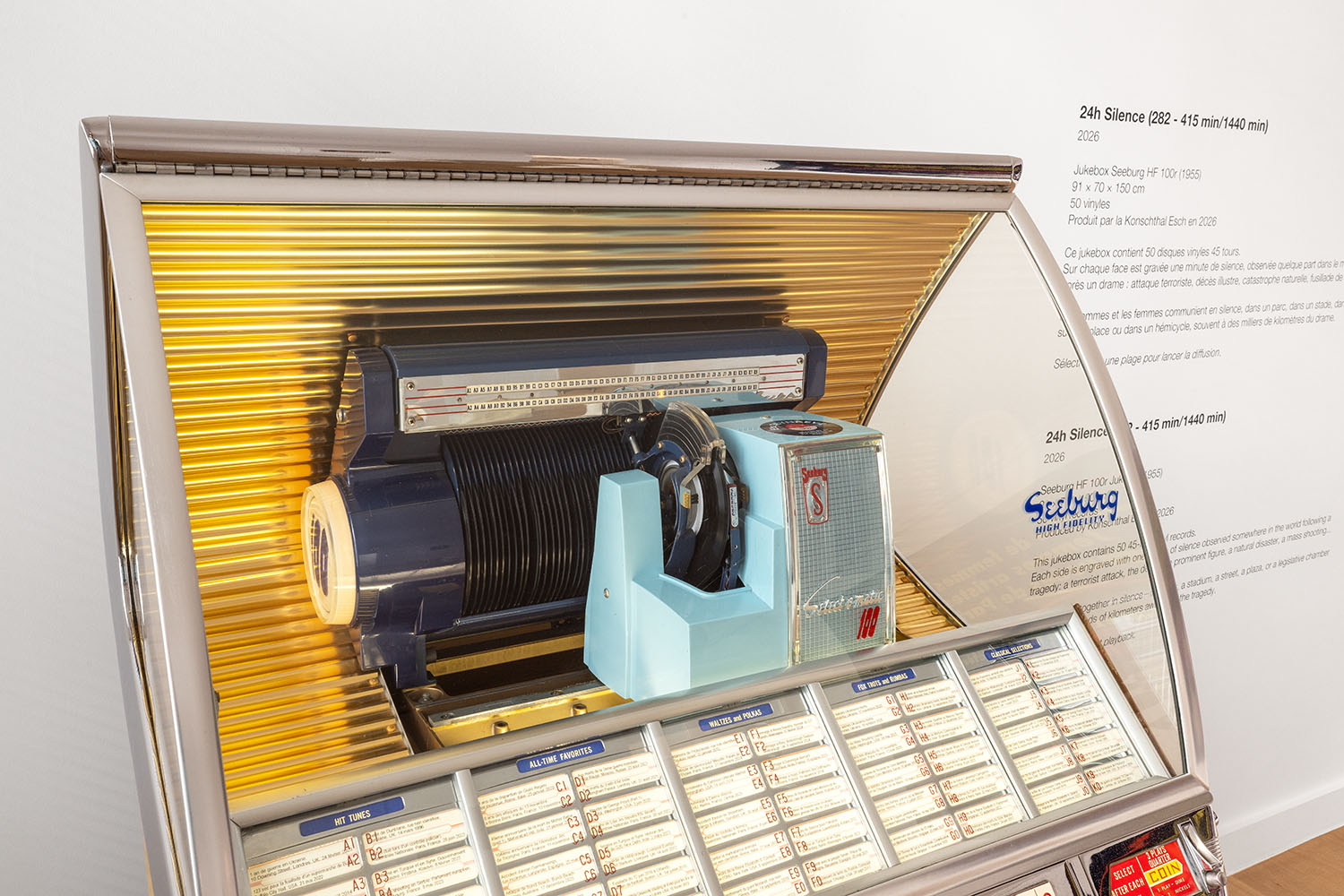
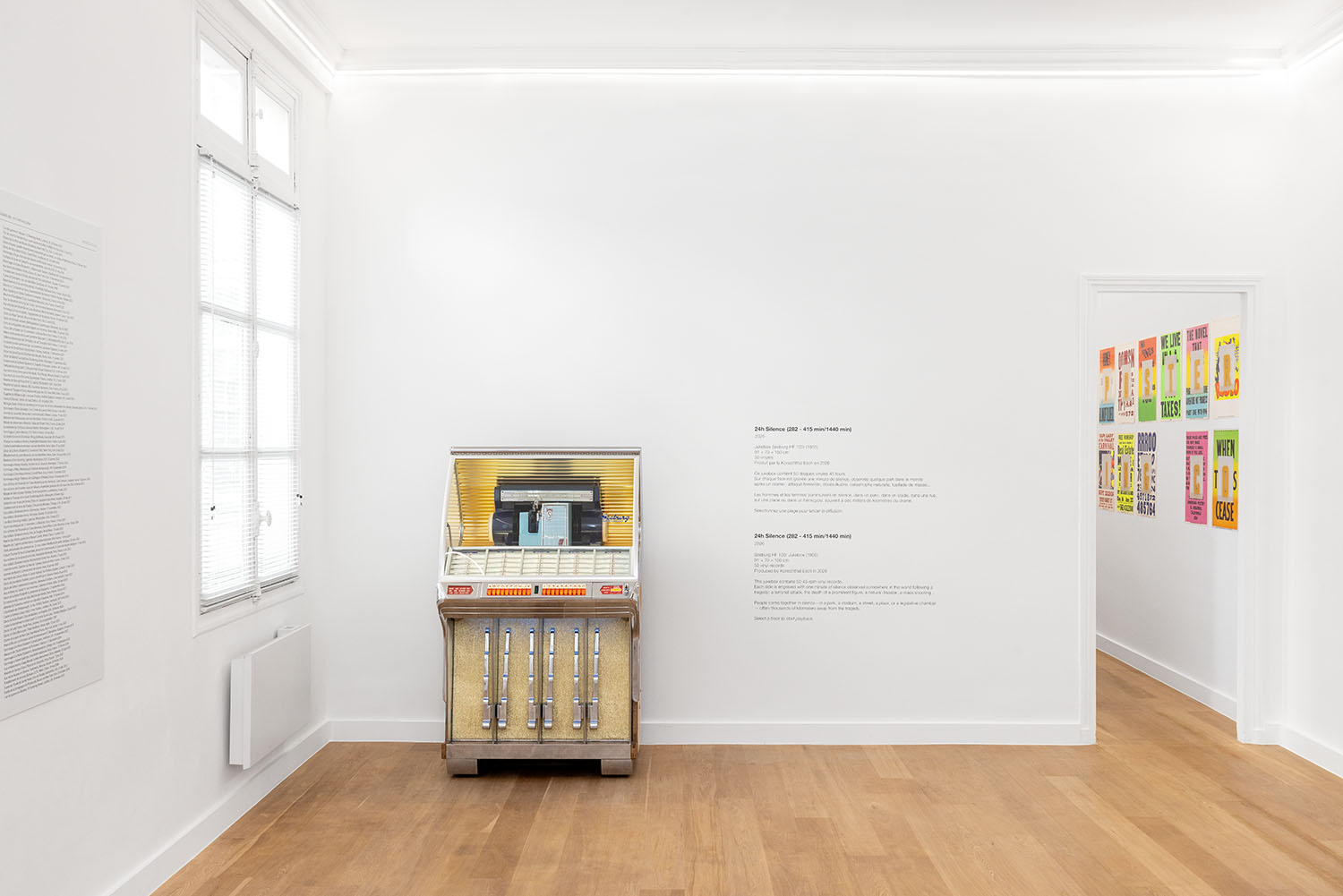
Seeburg HF 100r Jukebox (1955)
58.66 x 35.43 x 25.98 in ( 149 x 90 x 66,5 cm )
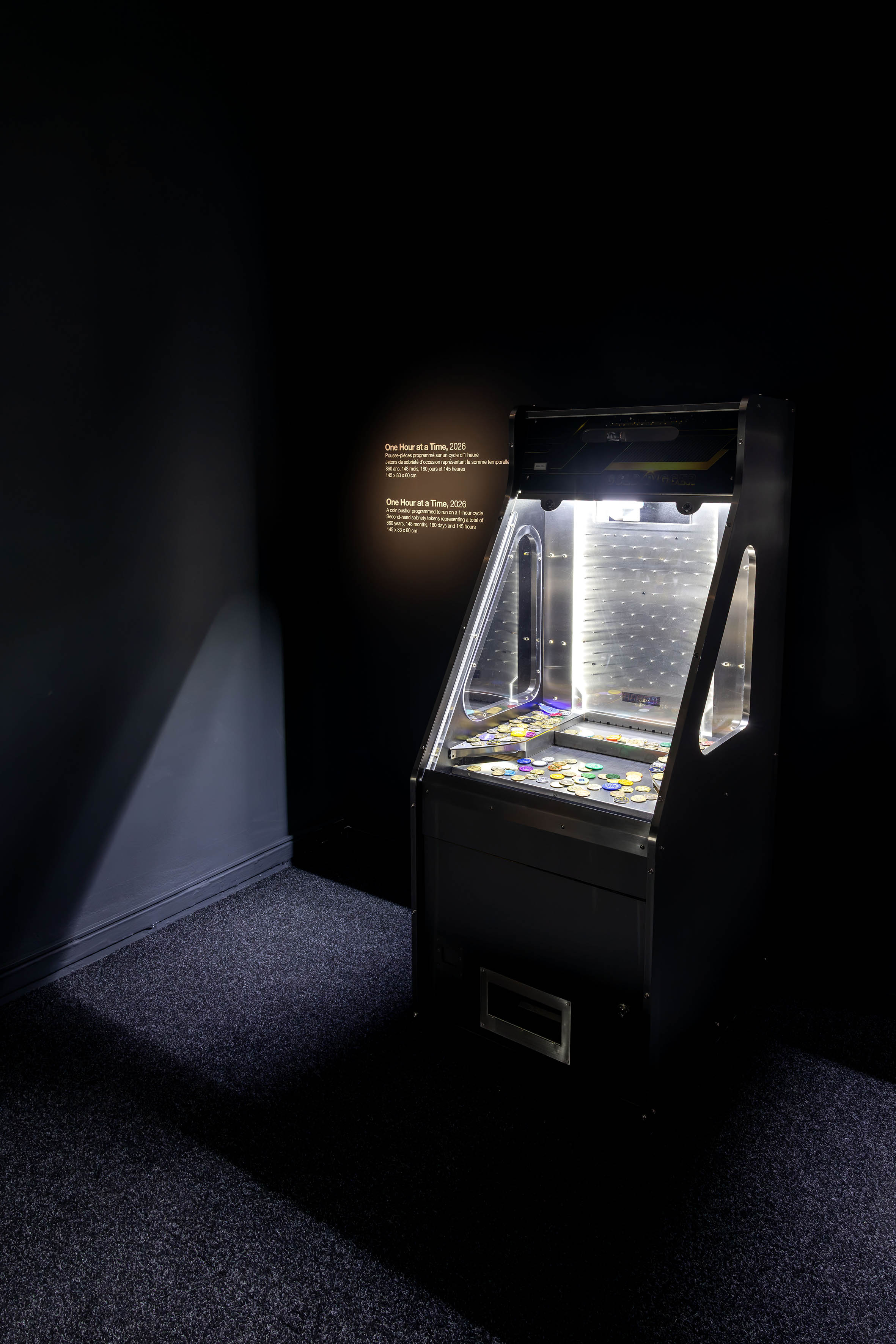
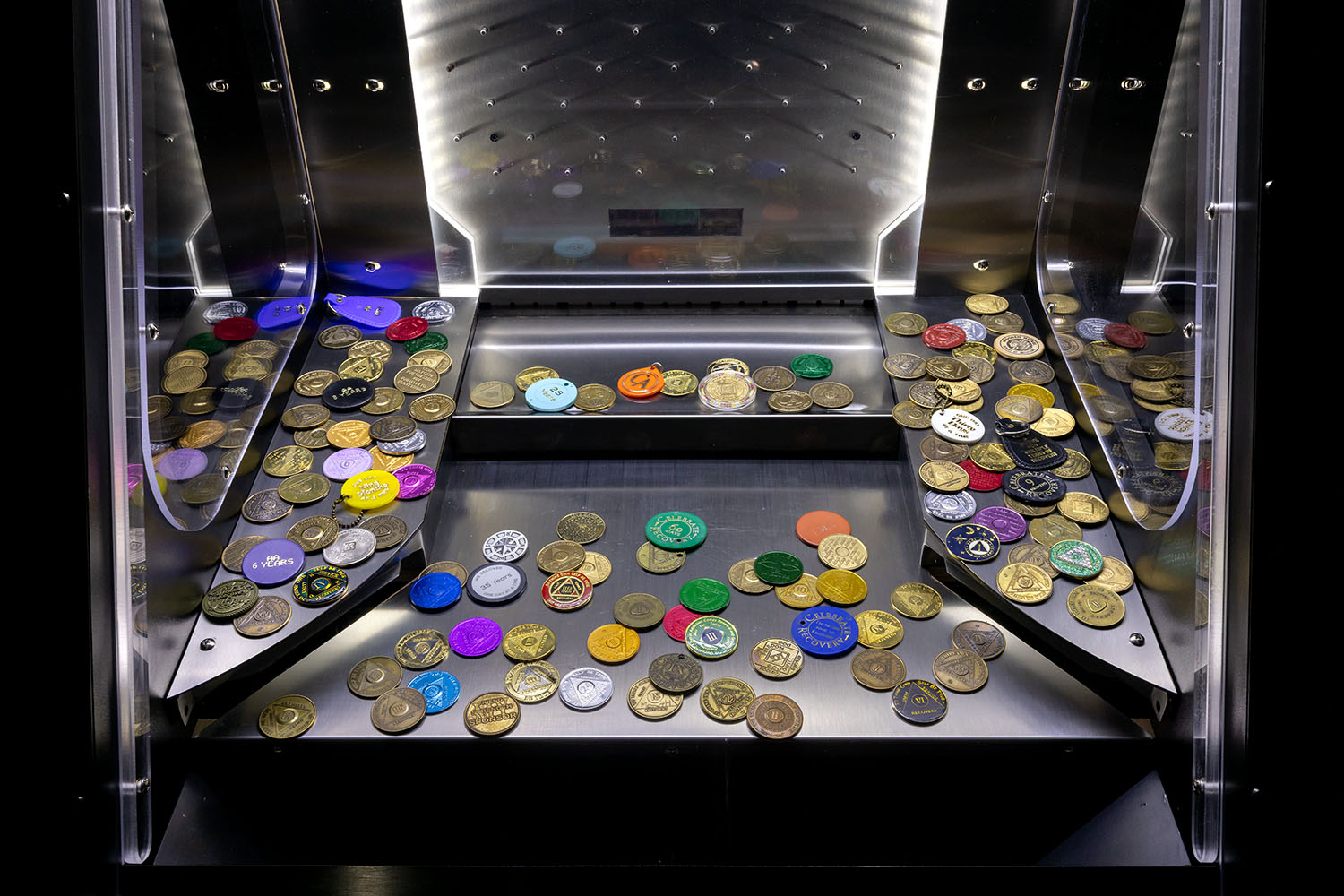
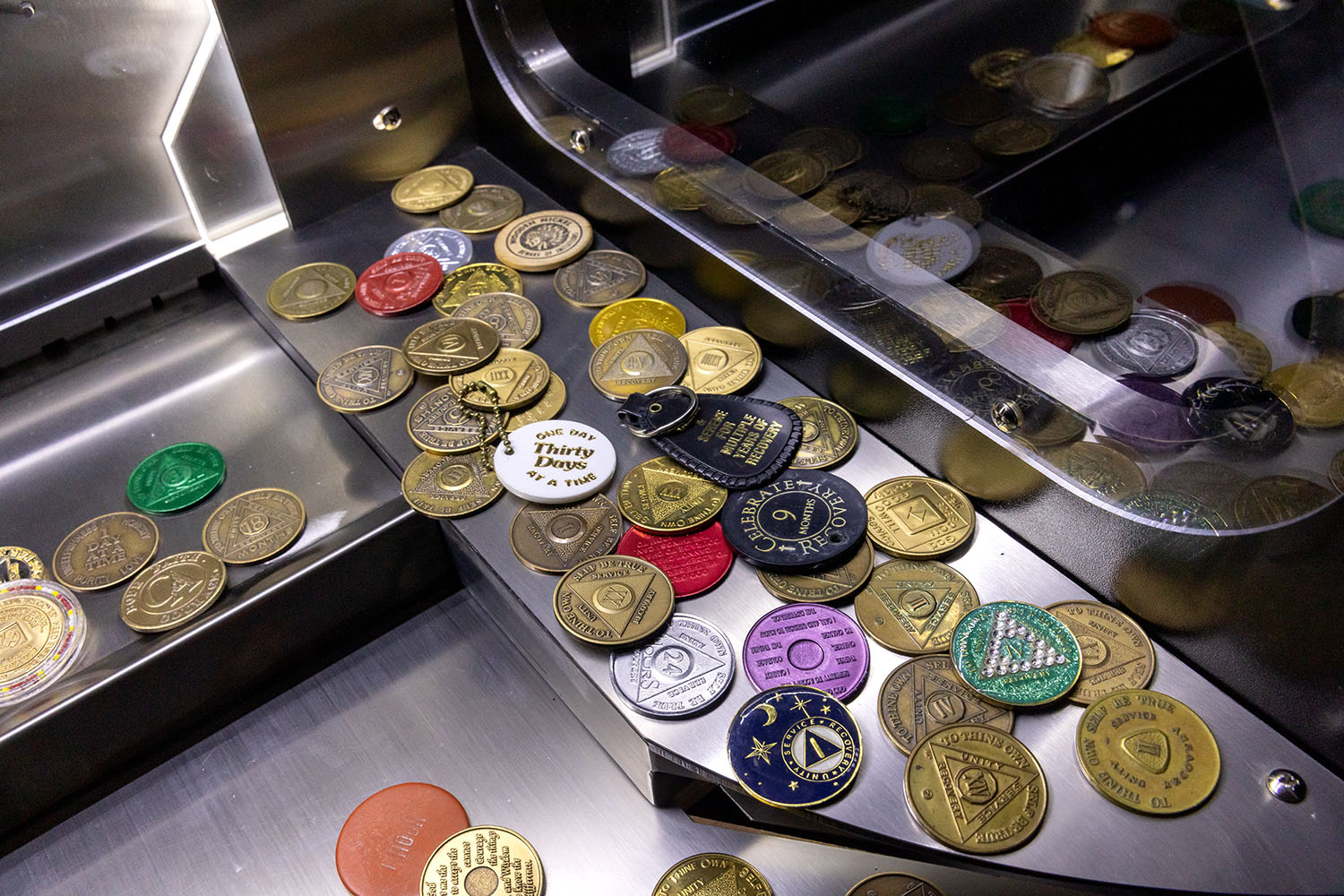
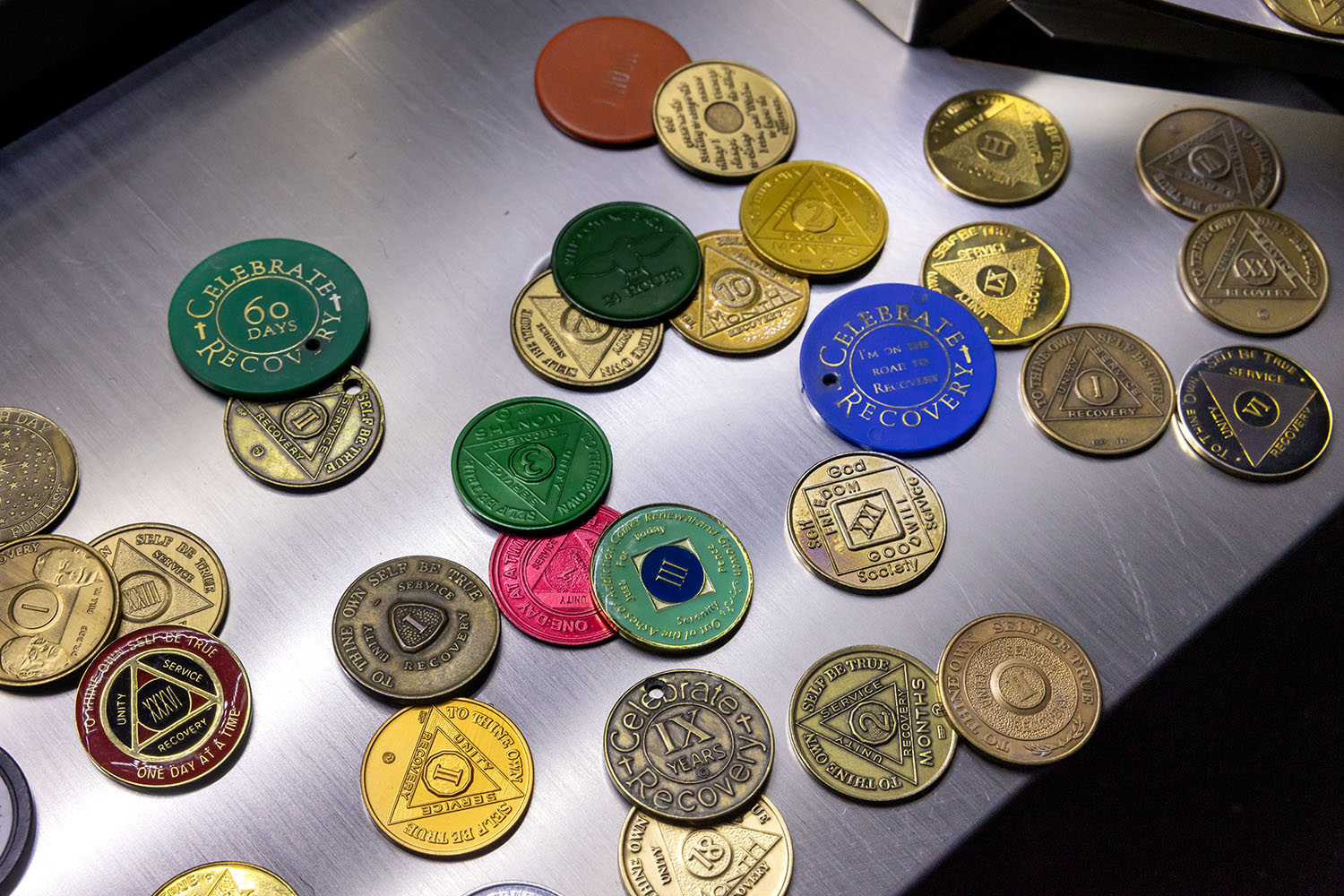
A coin pusher programmed to run on a 1-hour cycle
57.09 x 32.68 x 23.62 in ( 145 x 83 x 60 cm )
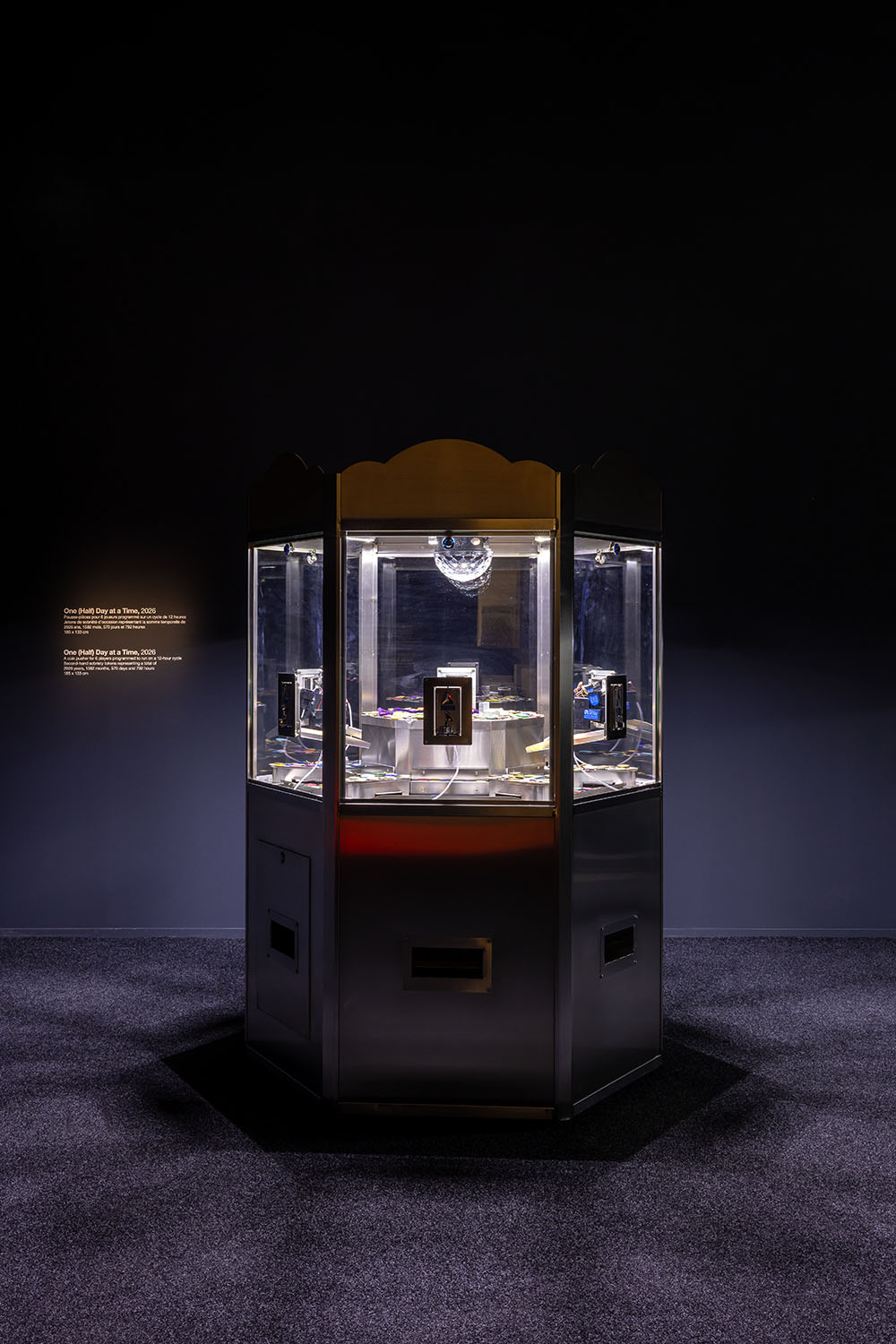
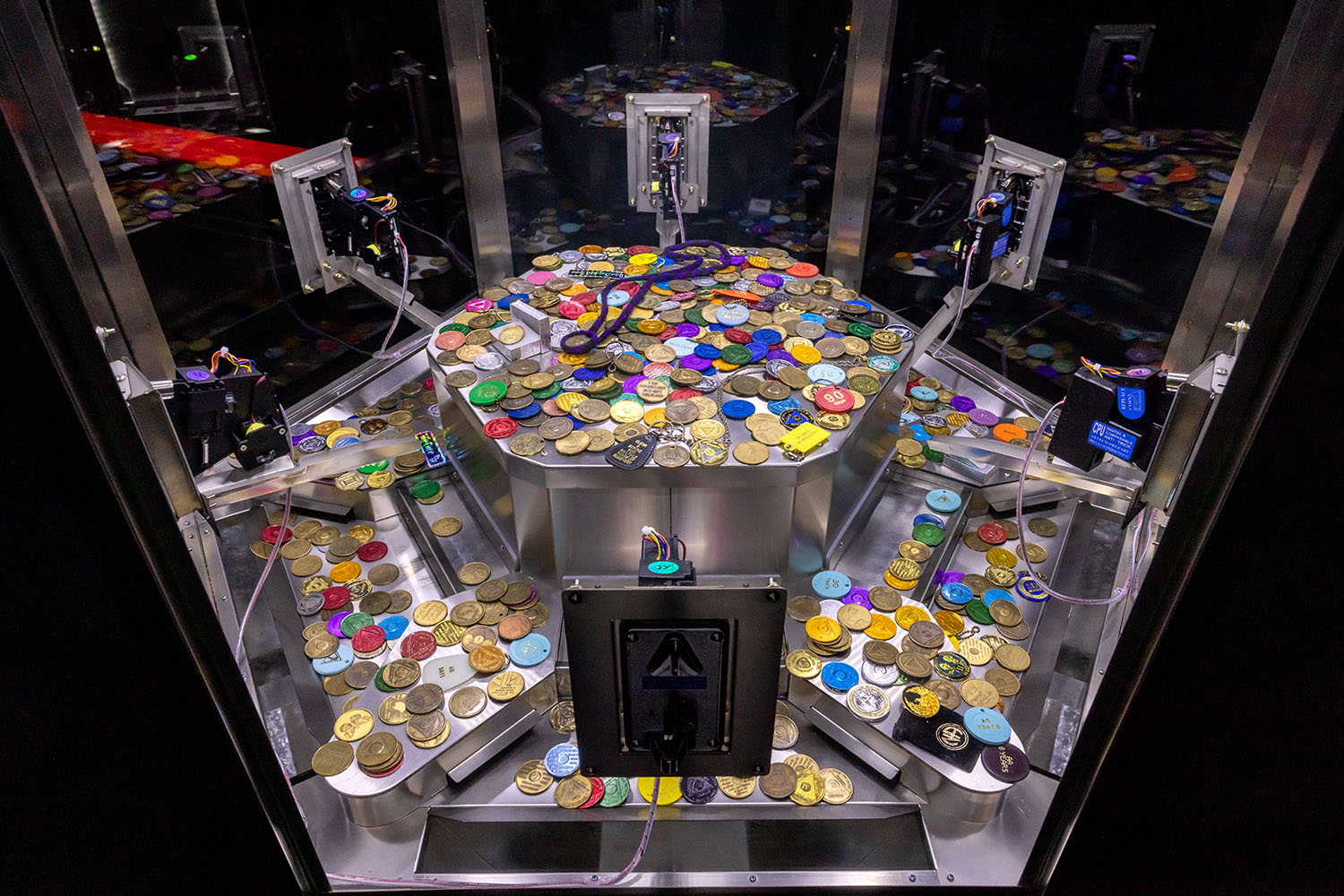
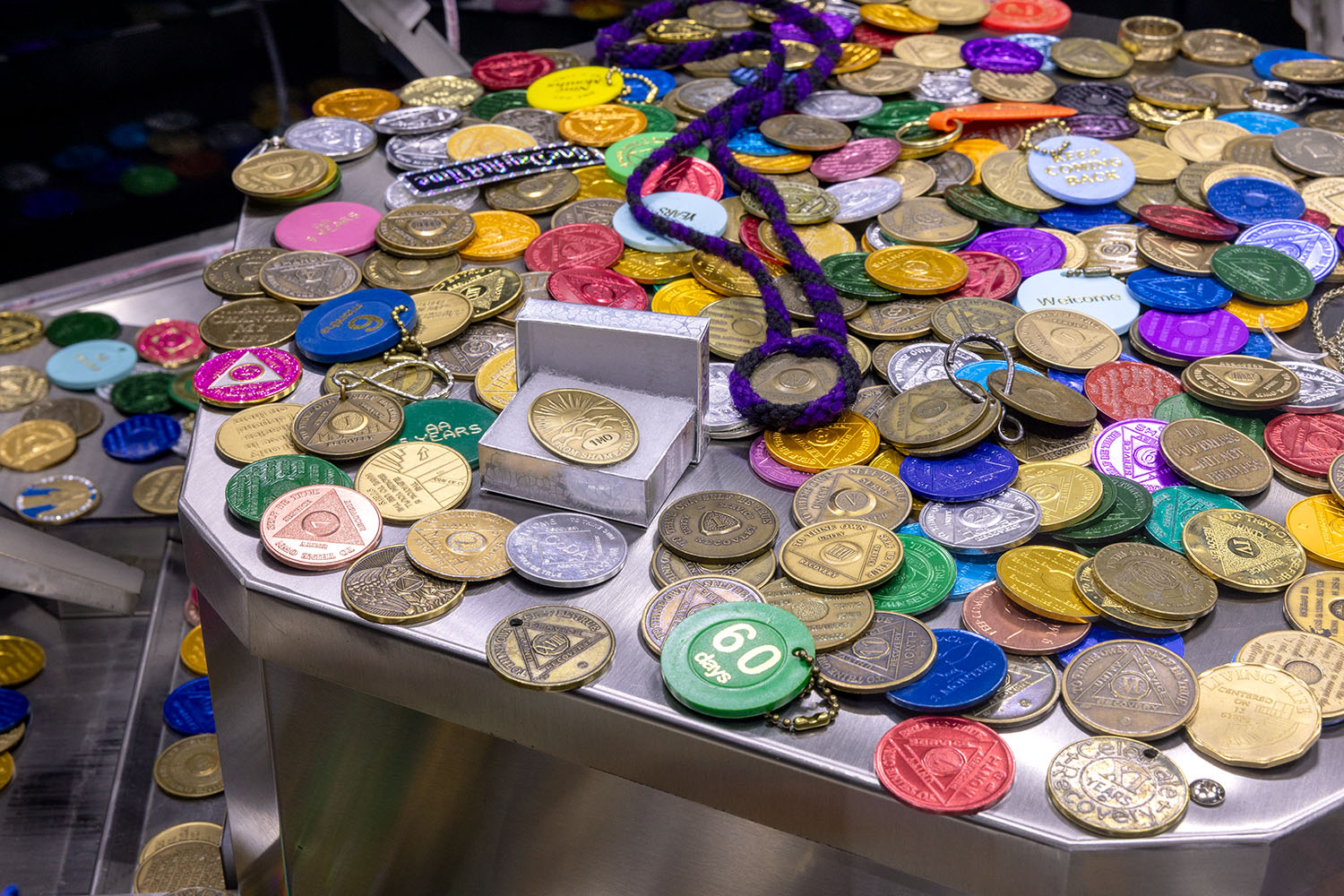
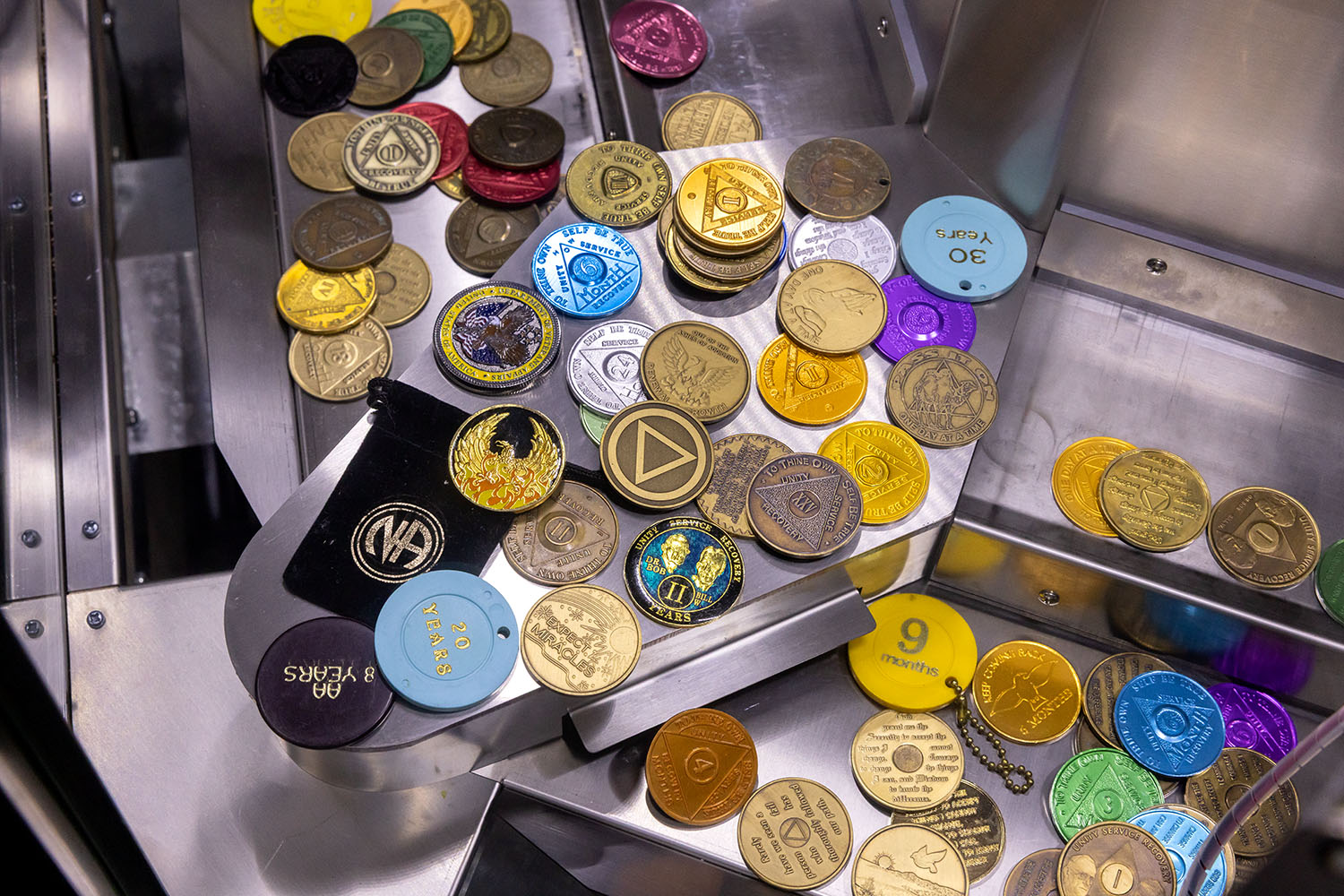
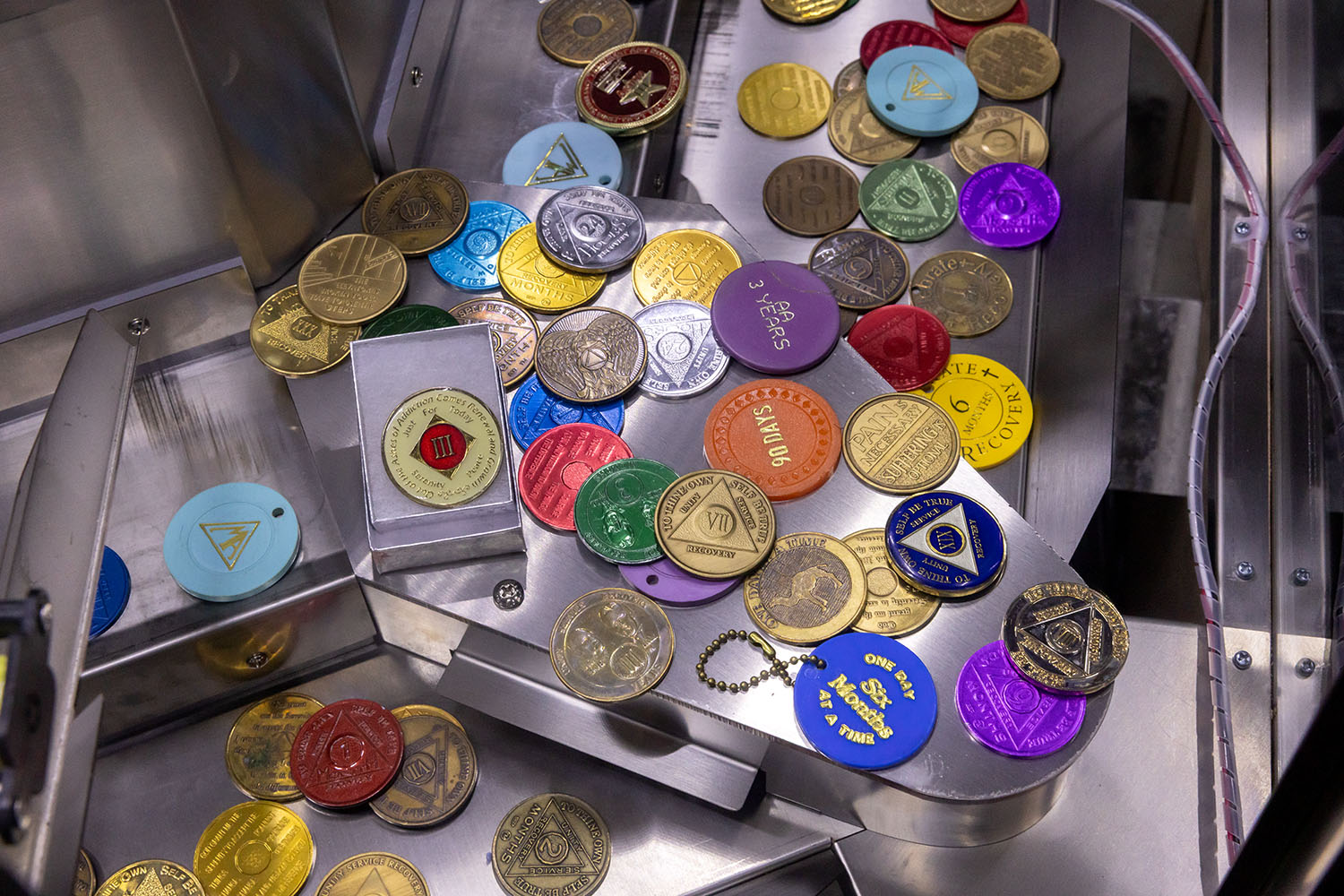
Coin Pusher for 6 players, programmed to run on a 12-hour cycle
72.83 x 52.36 in ( 185 x 133 cm )
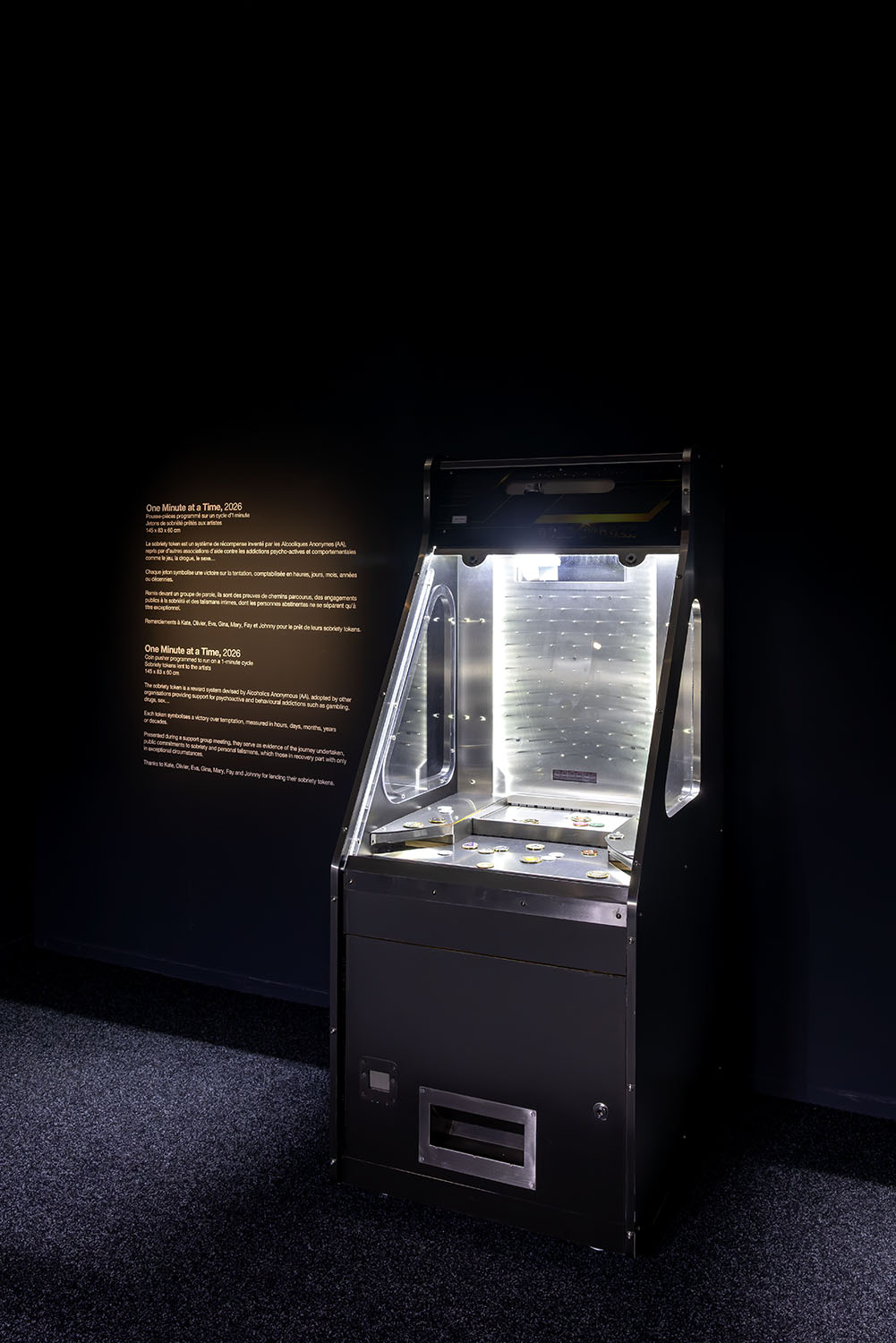
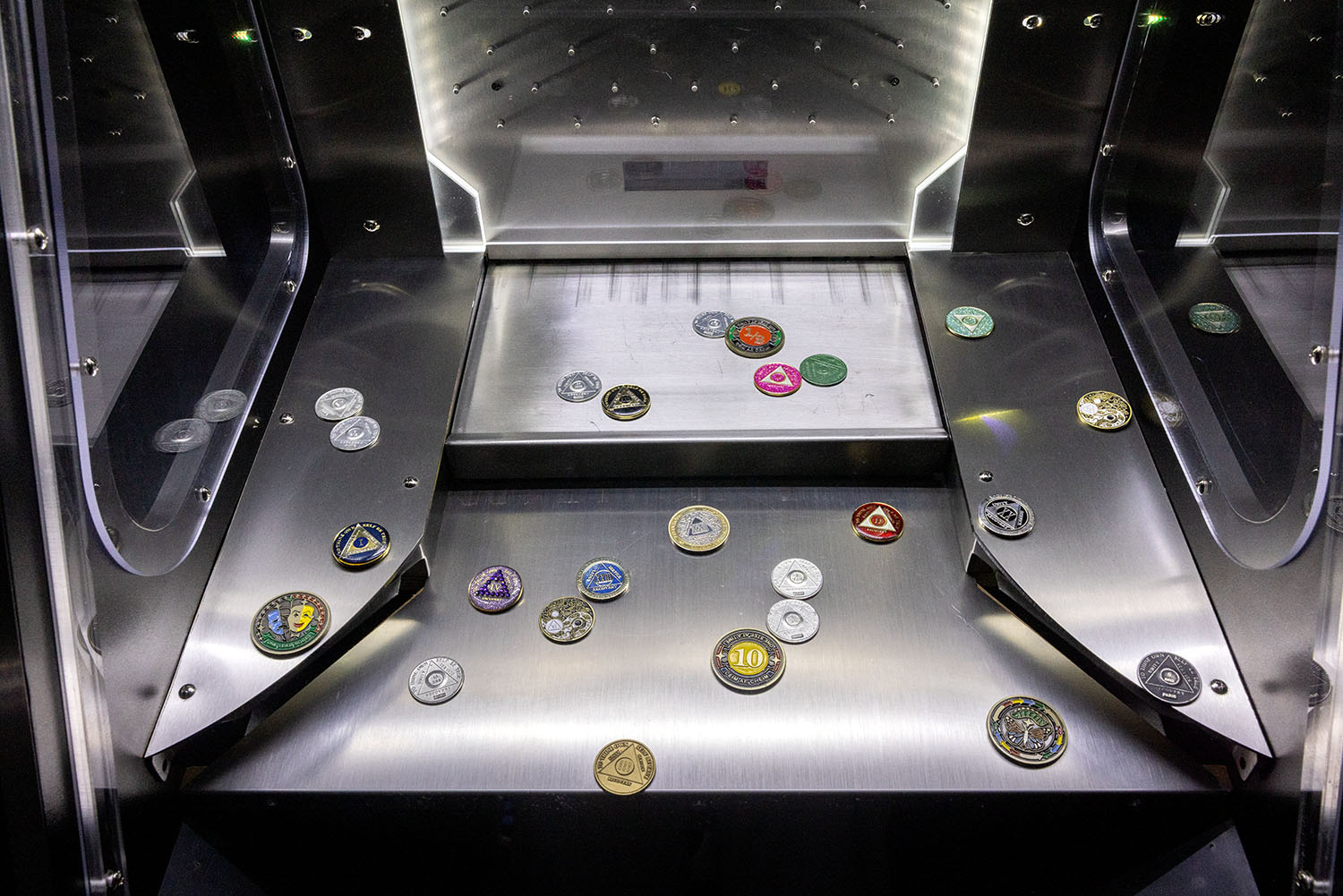
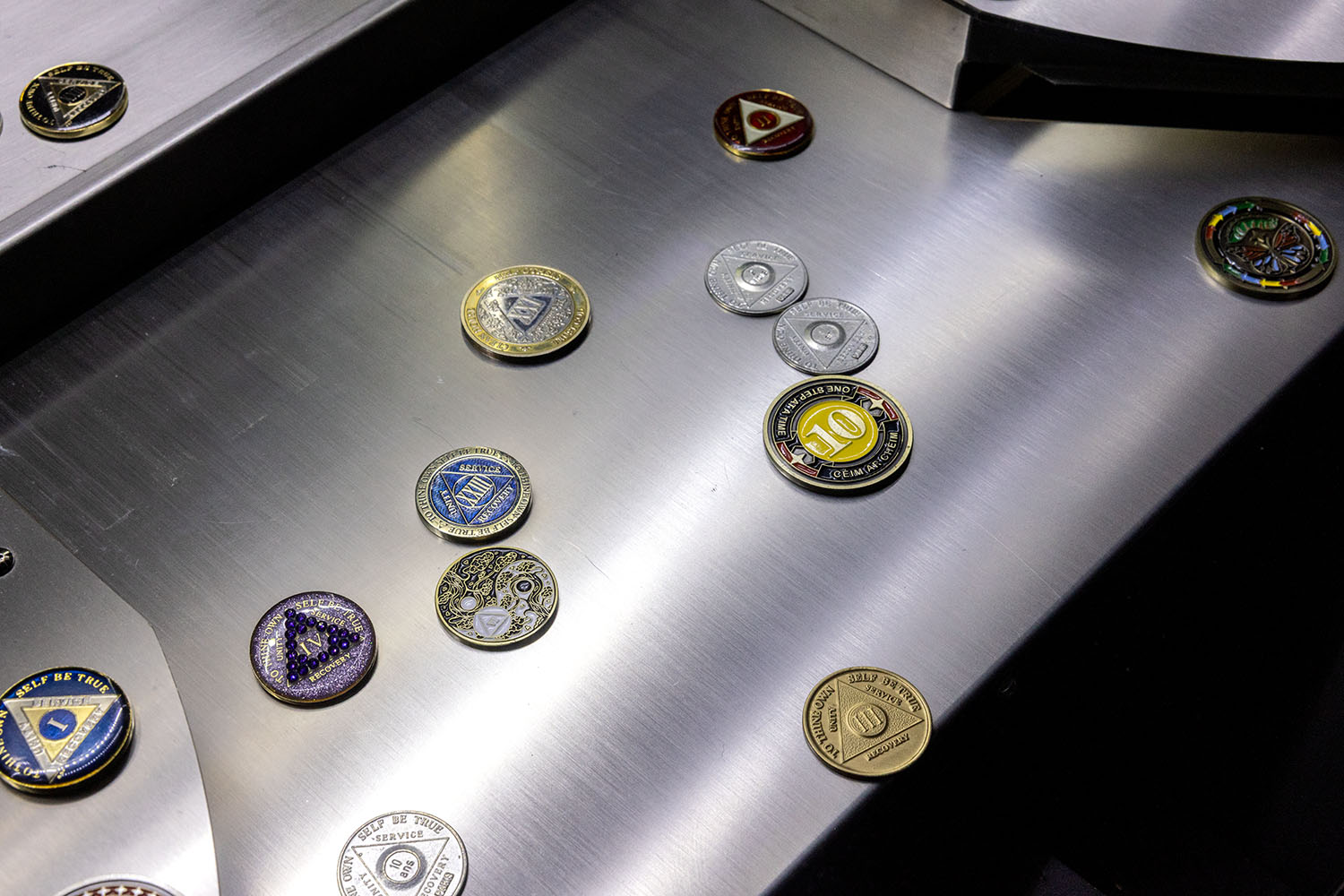
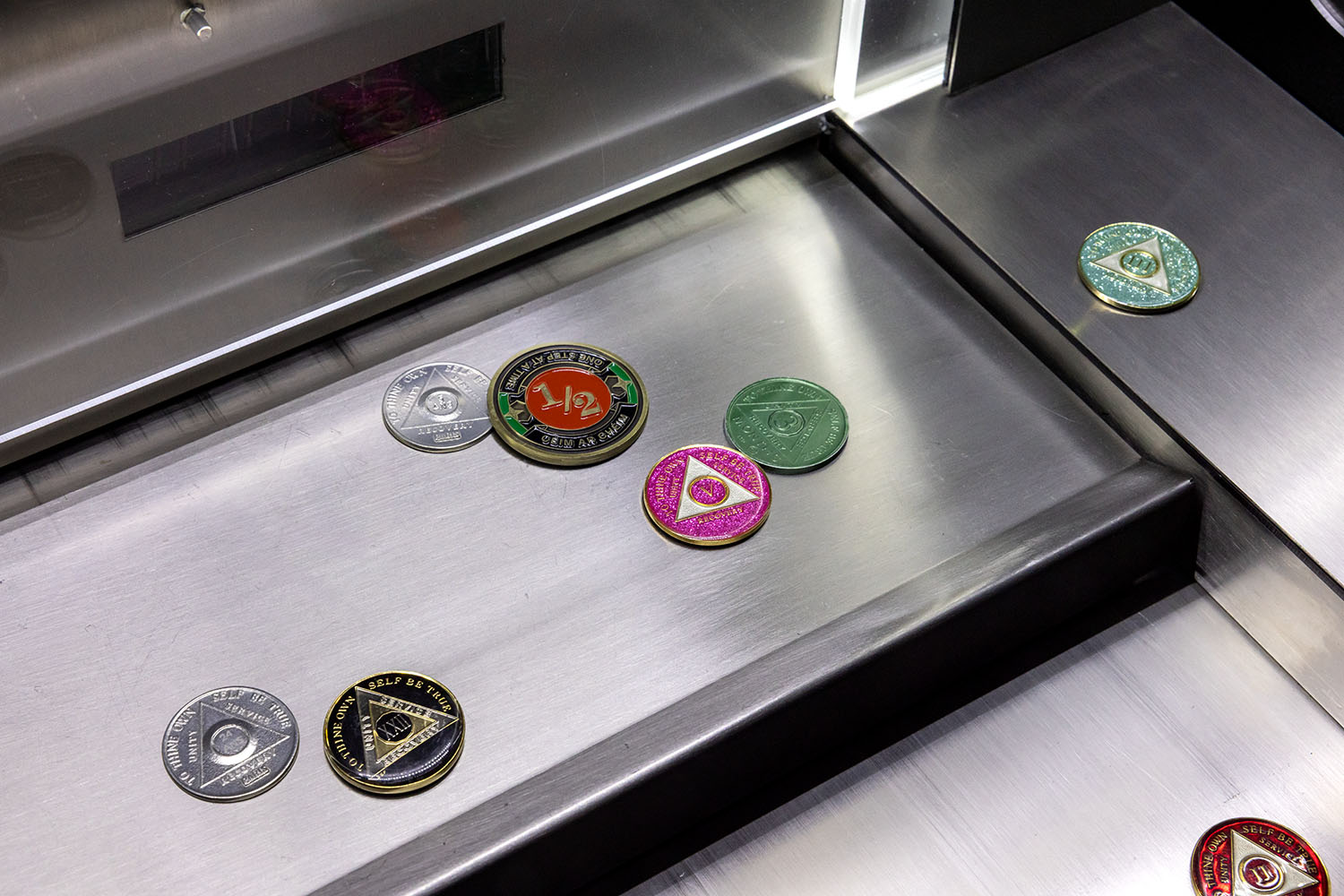
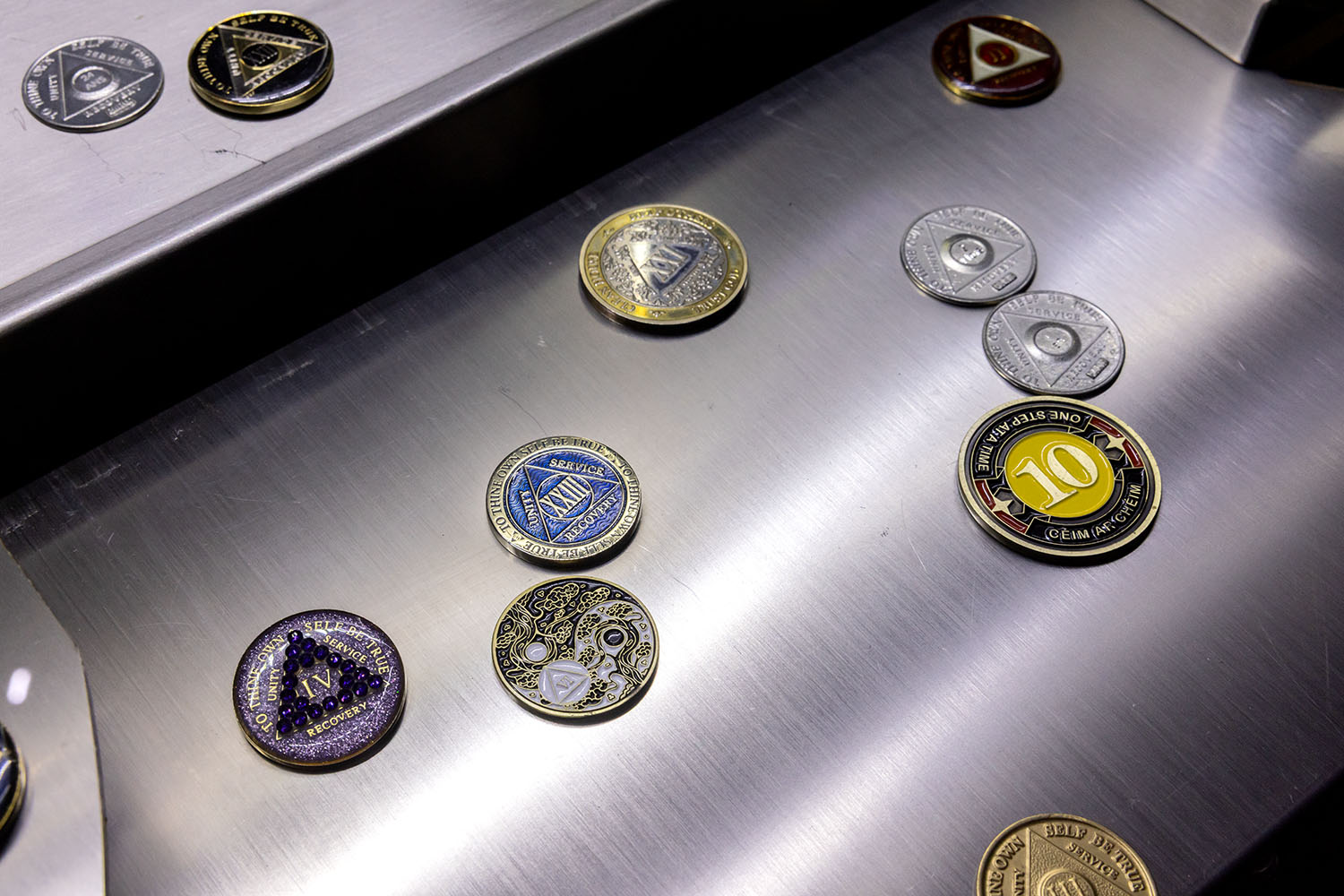
A coin pusher programmed to run on a 1-minute cycle
57.09 x 32.68 x 23.62 in ( 145 x 83 x 60 cm )
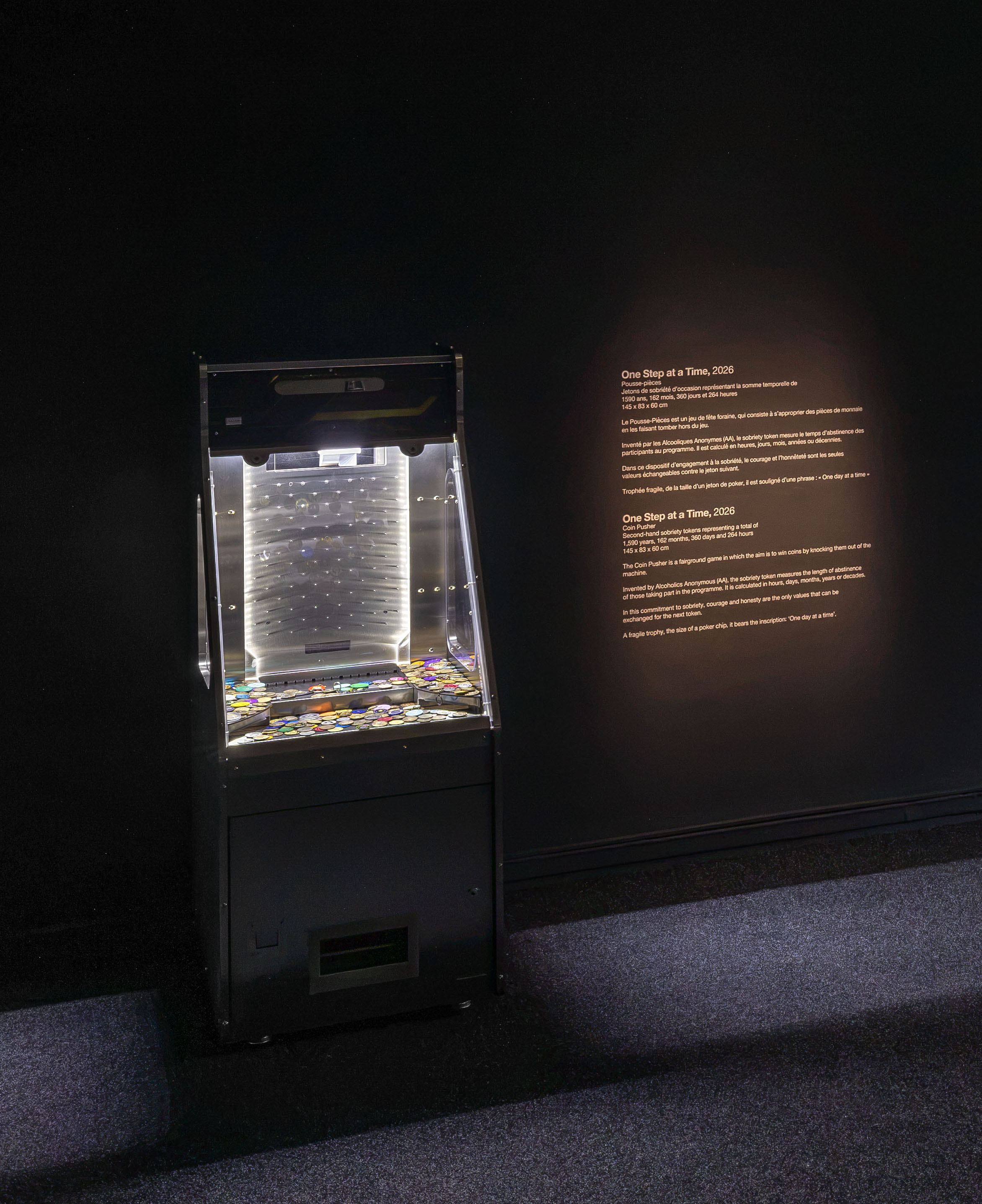
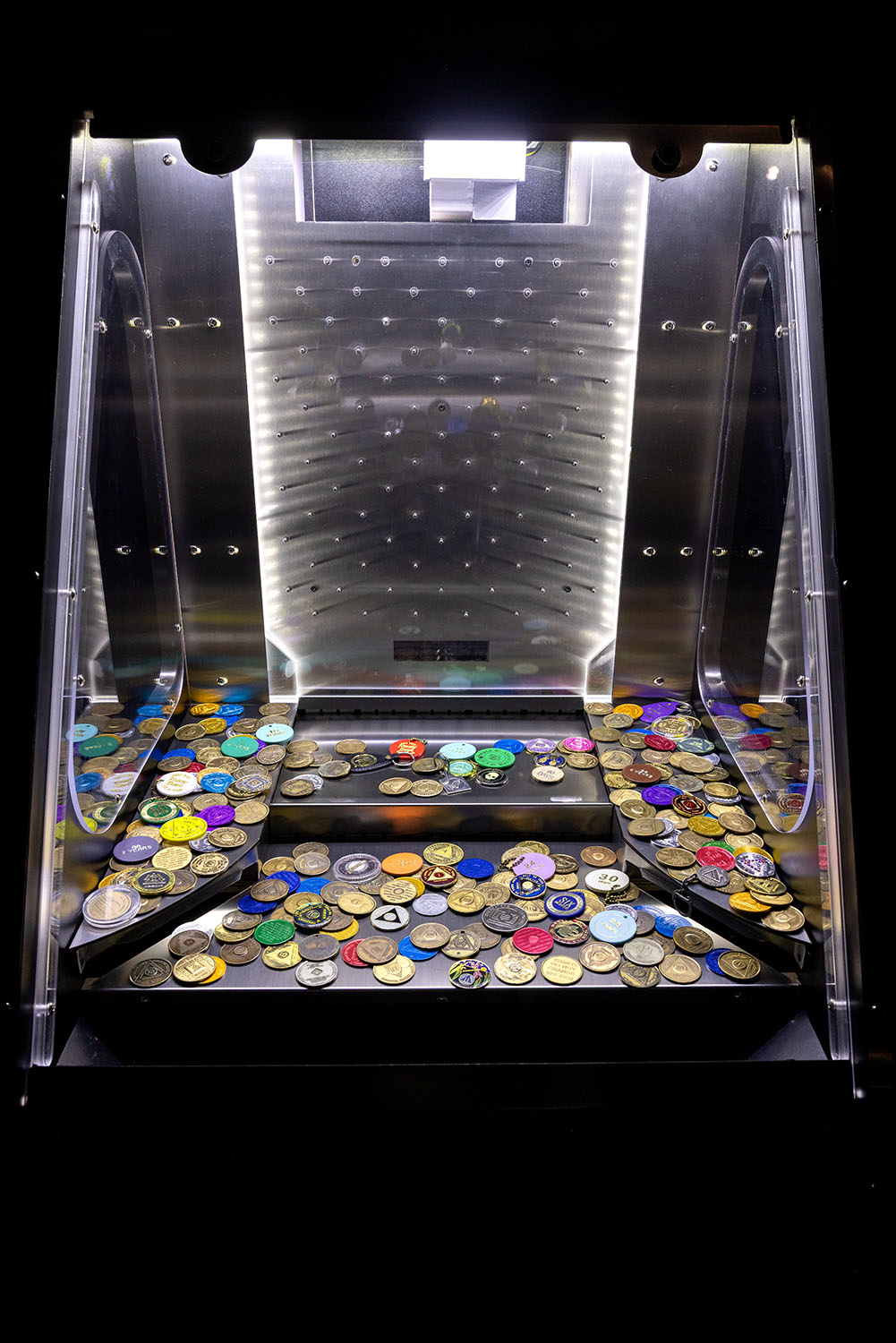
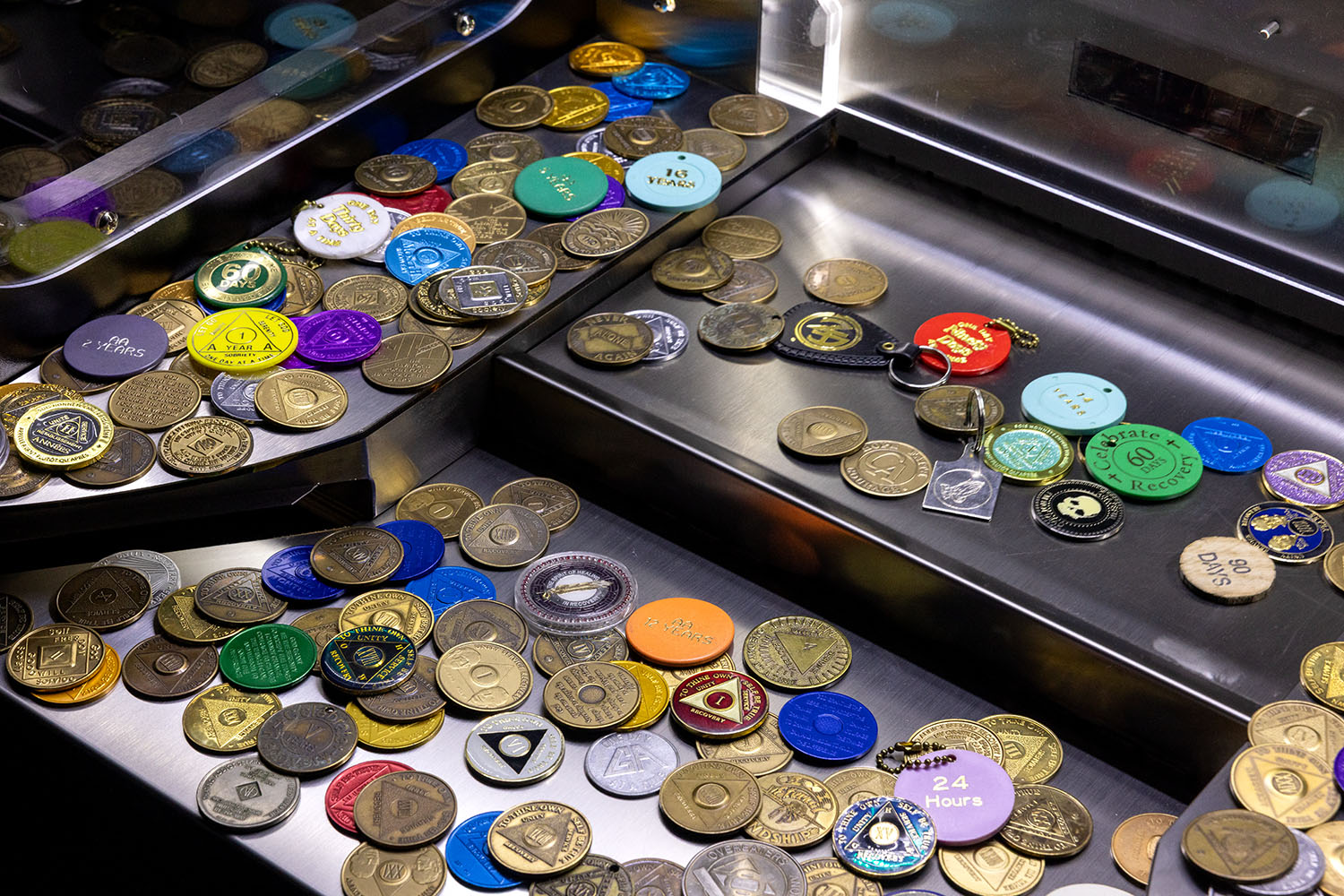
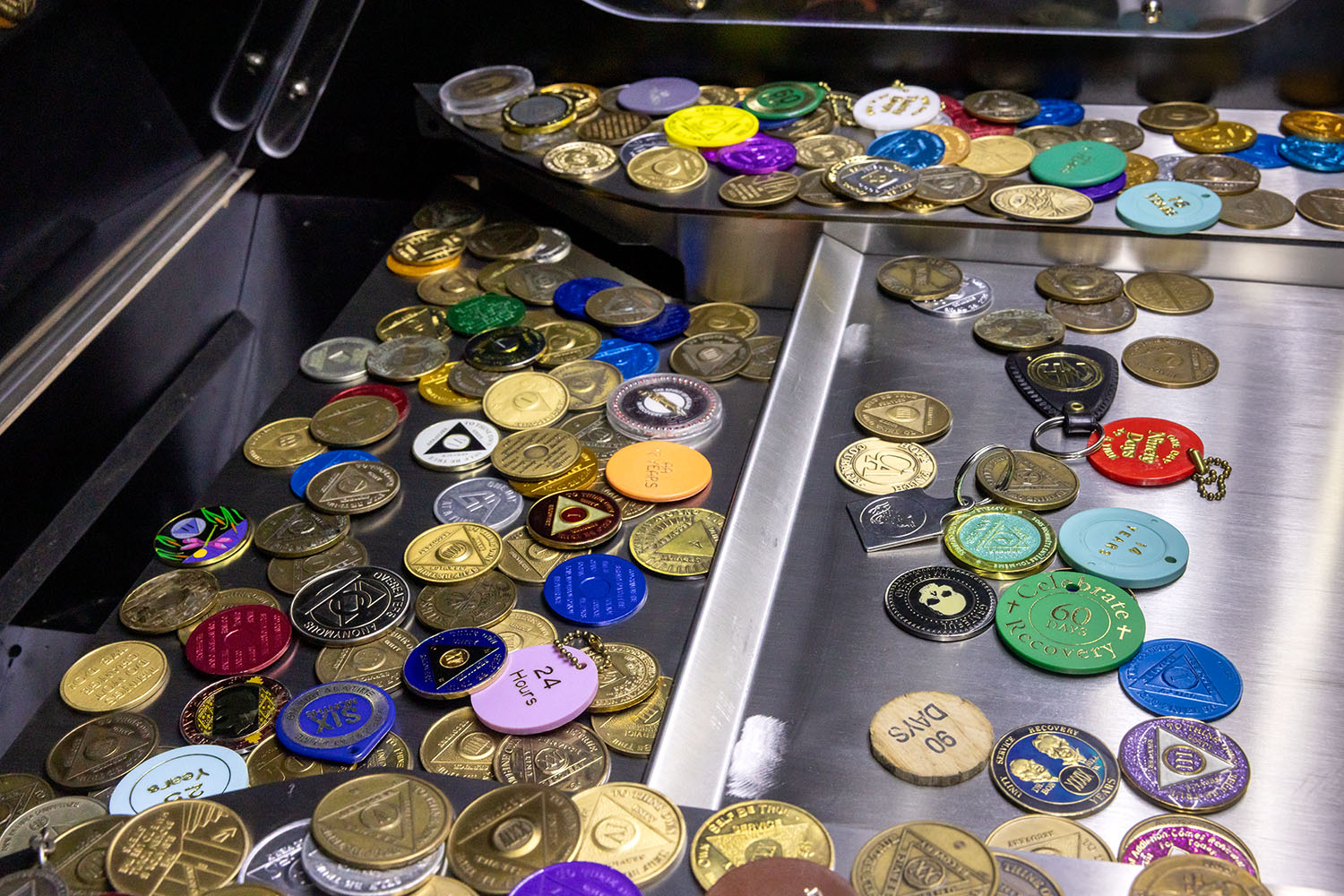
Coin Pusher
57.09 x 32.68 x 23.62 in ( 145 x 83 x 60 cm )
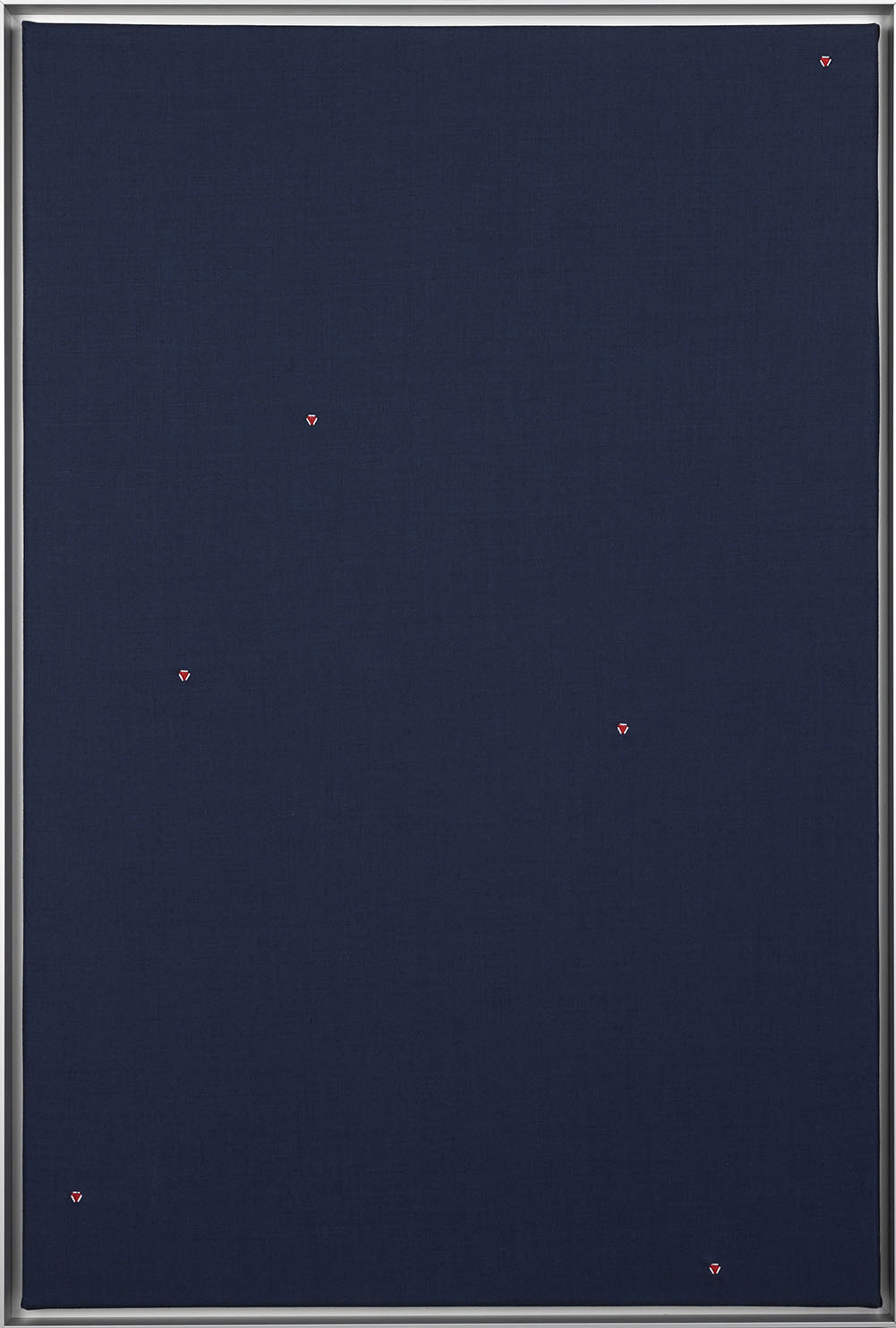
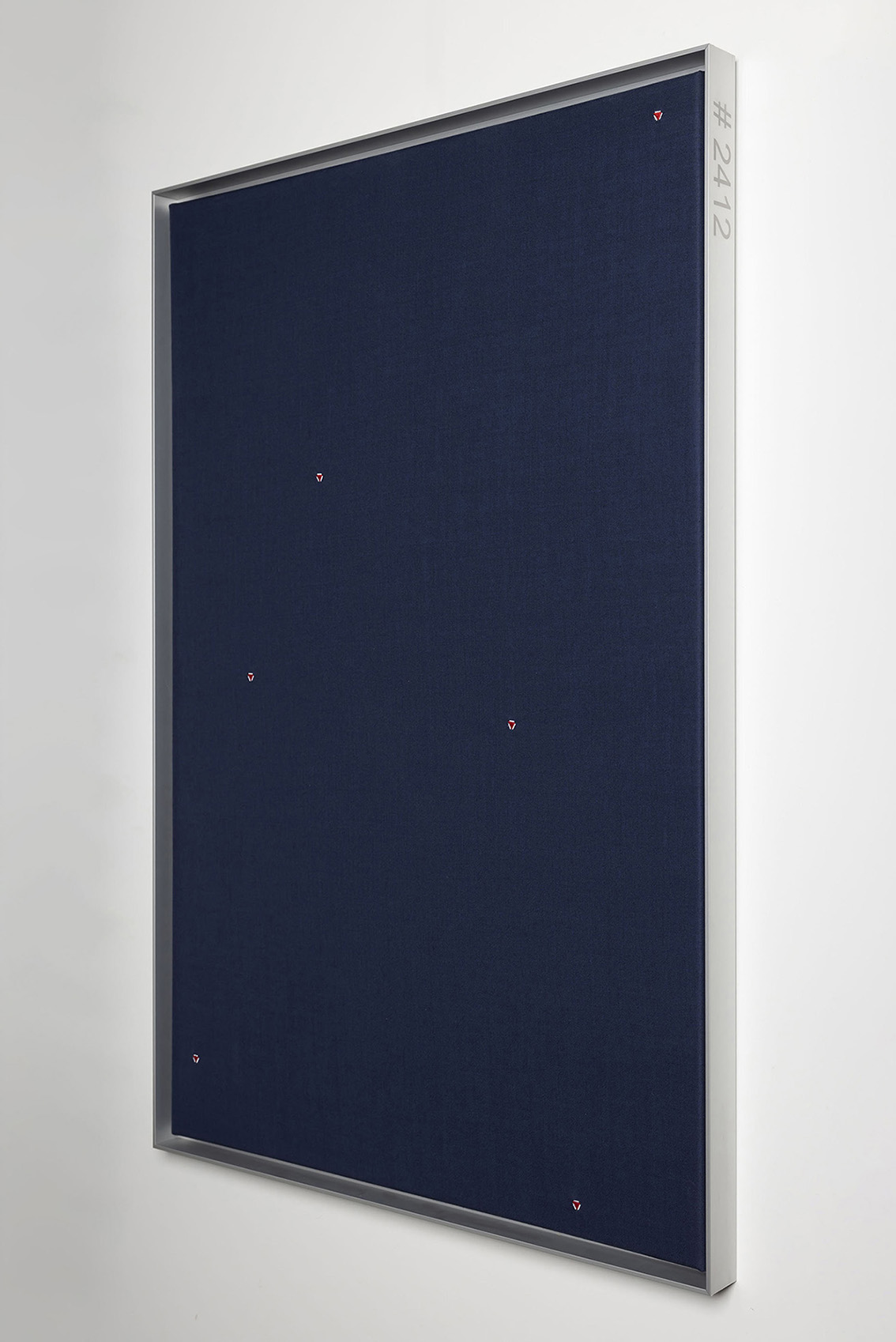
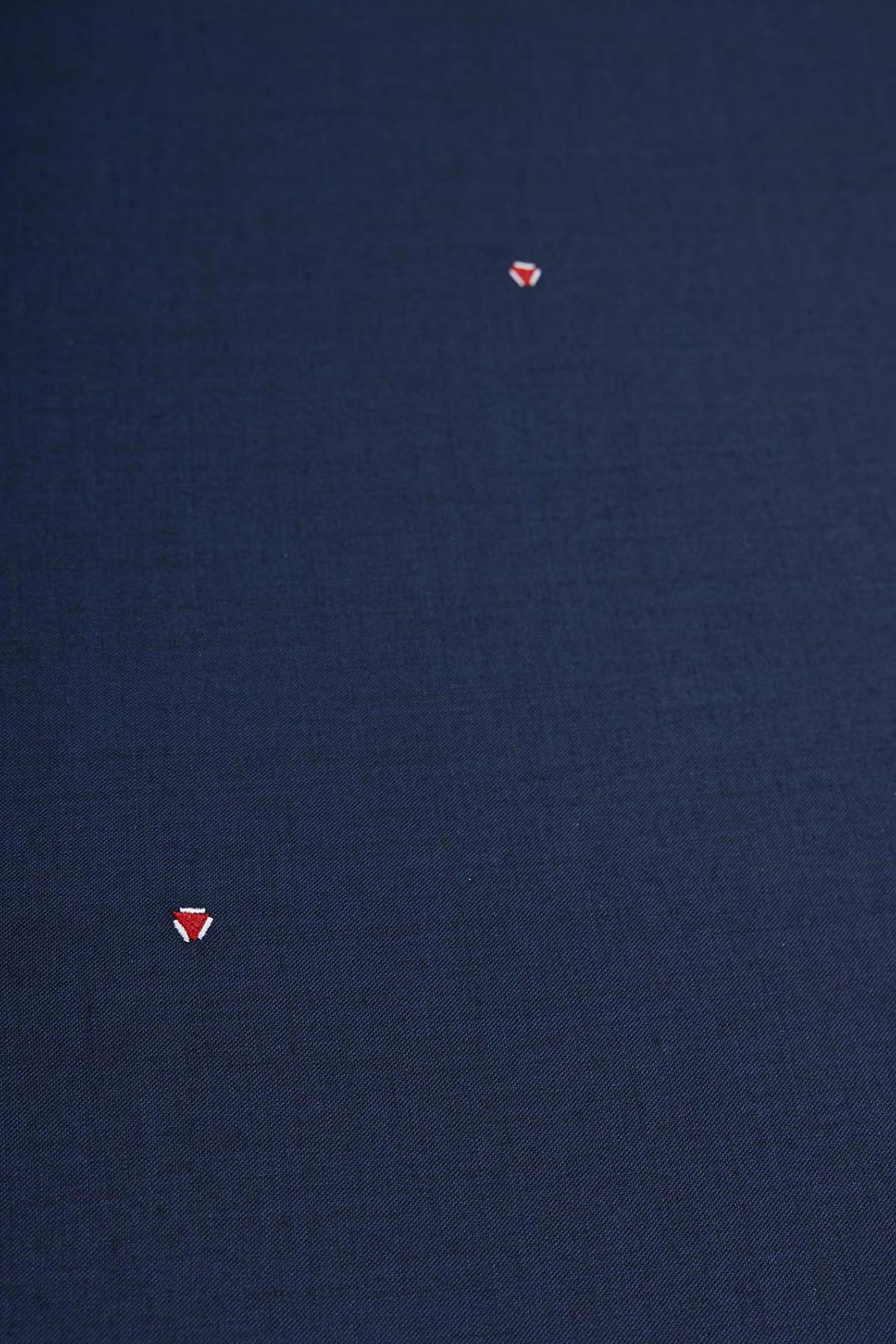
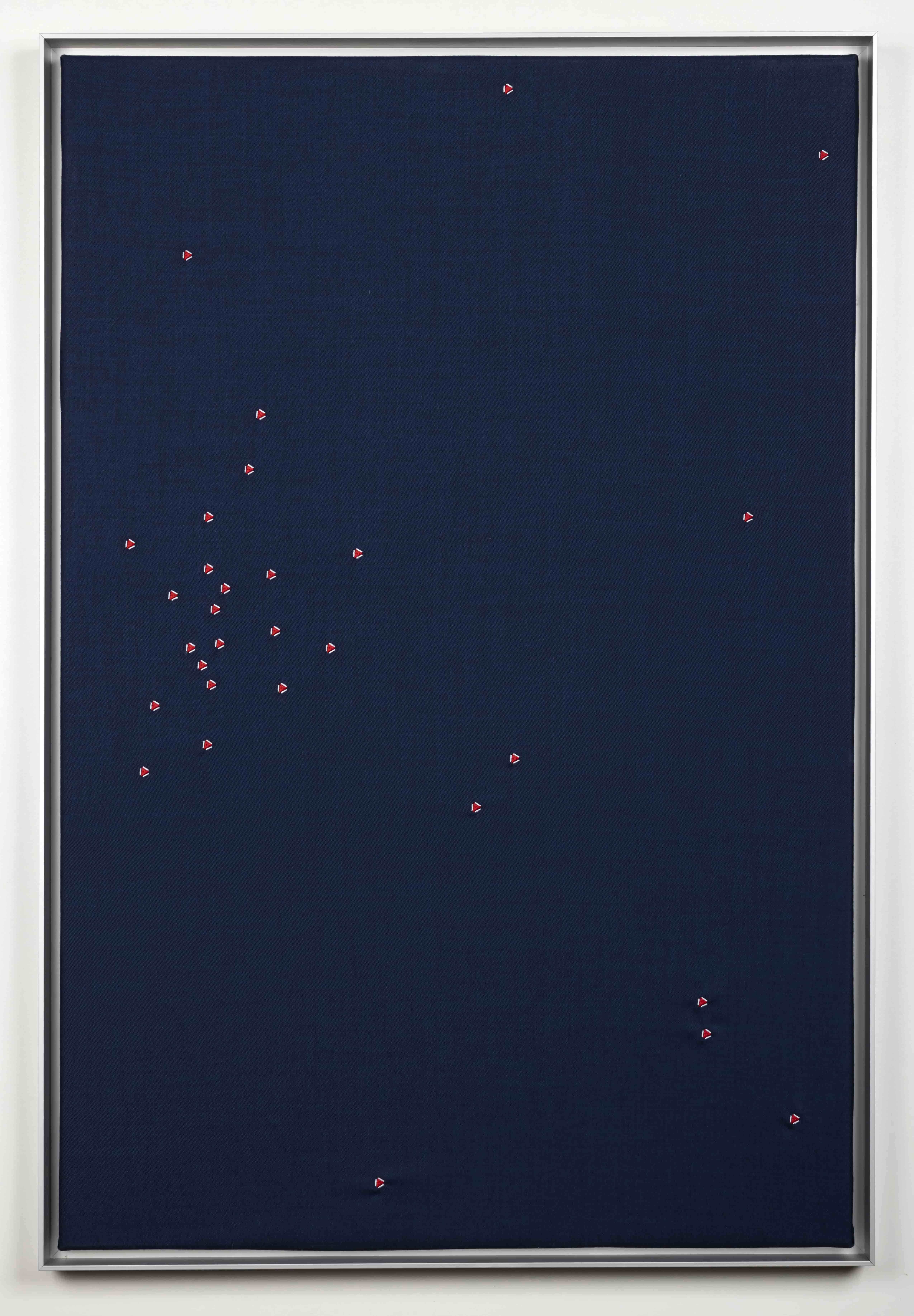
Embroidered wool fabric, mounted on linen canvas stretched over a wooden frame; then set in an aluminium frame
36.57 x 24.69 in ( 92.9 x 62.7 cm )
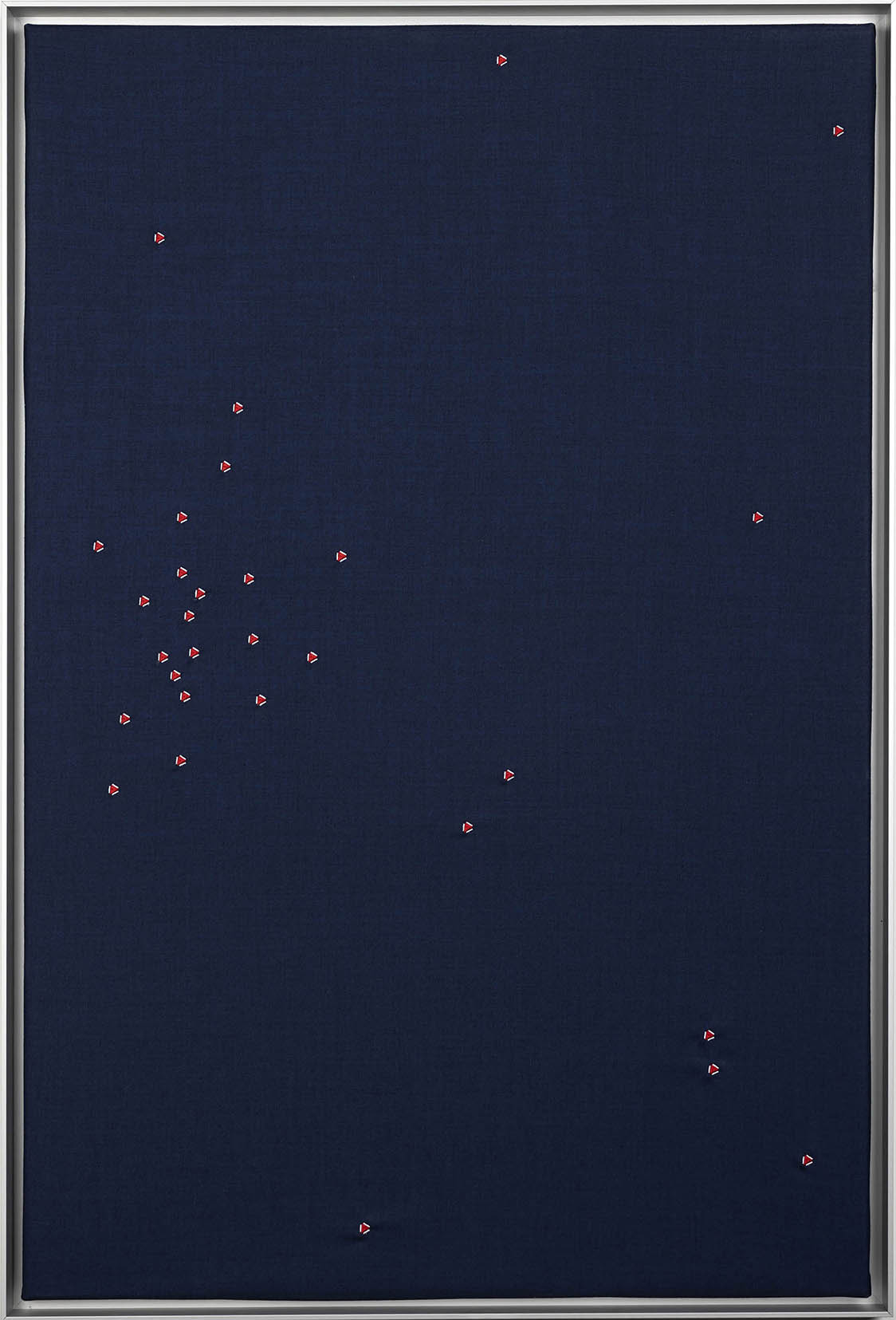
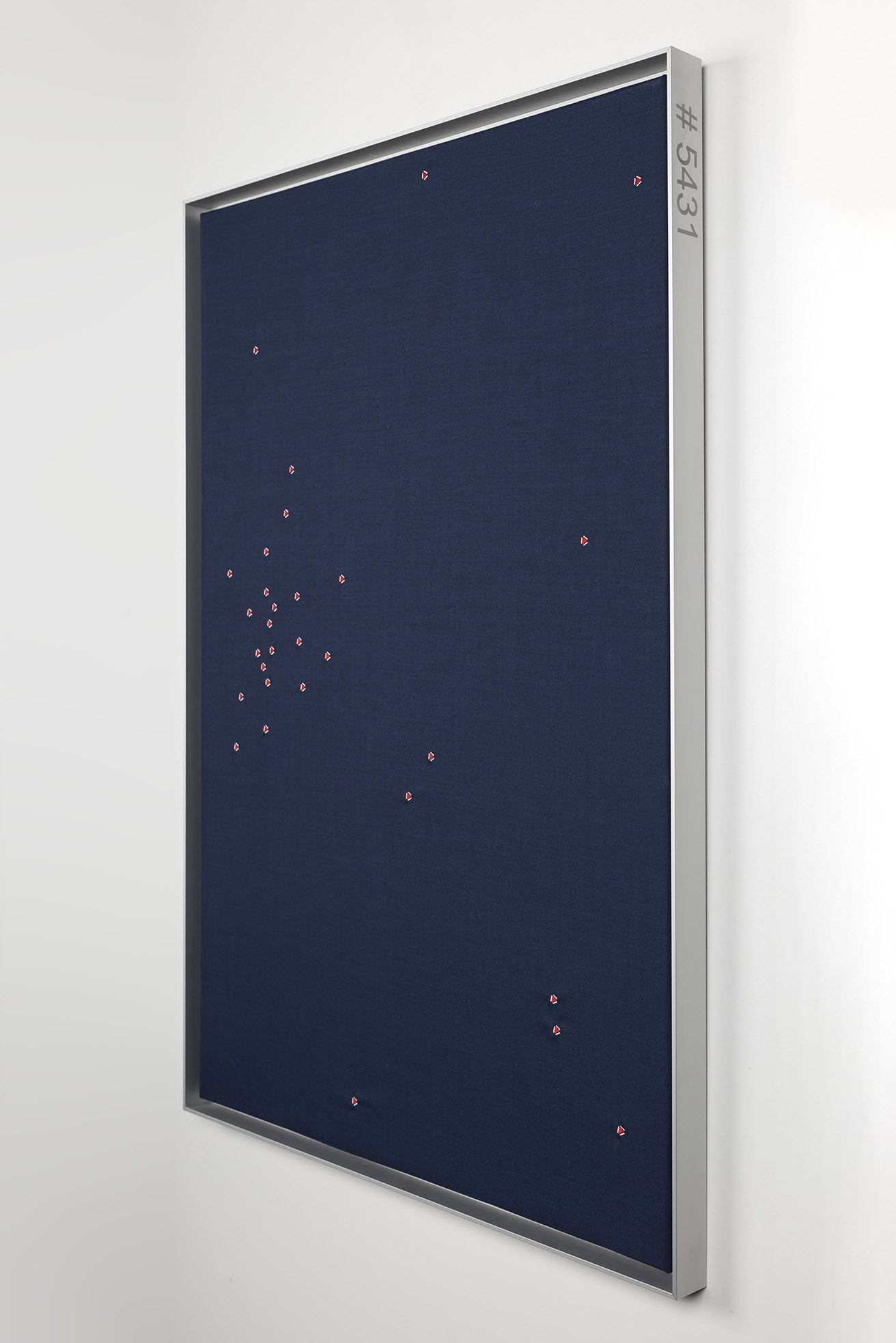
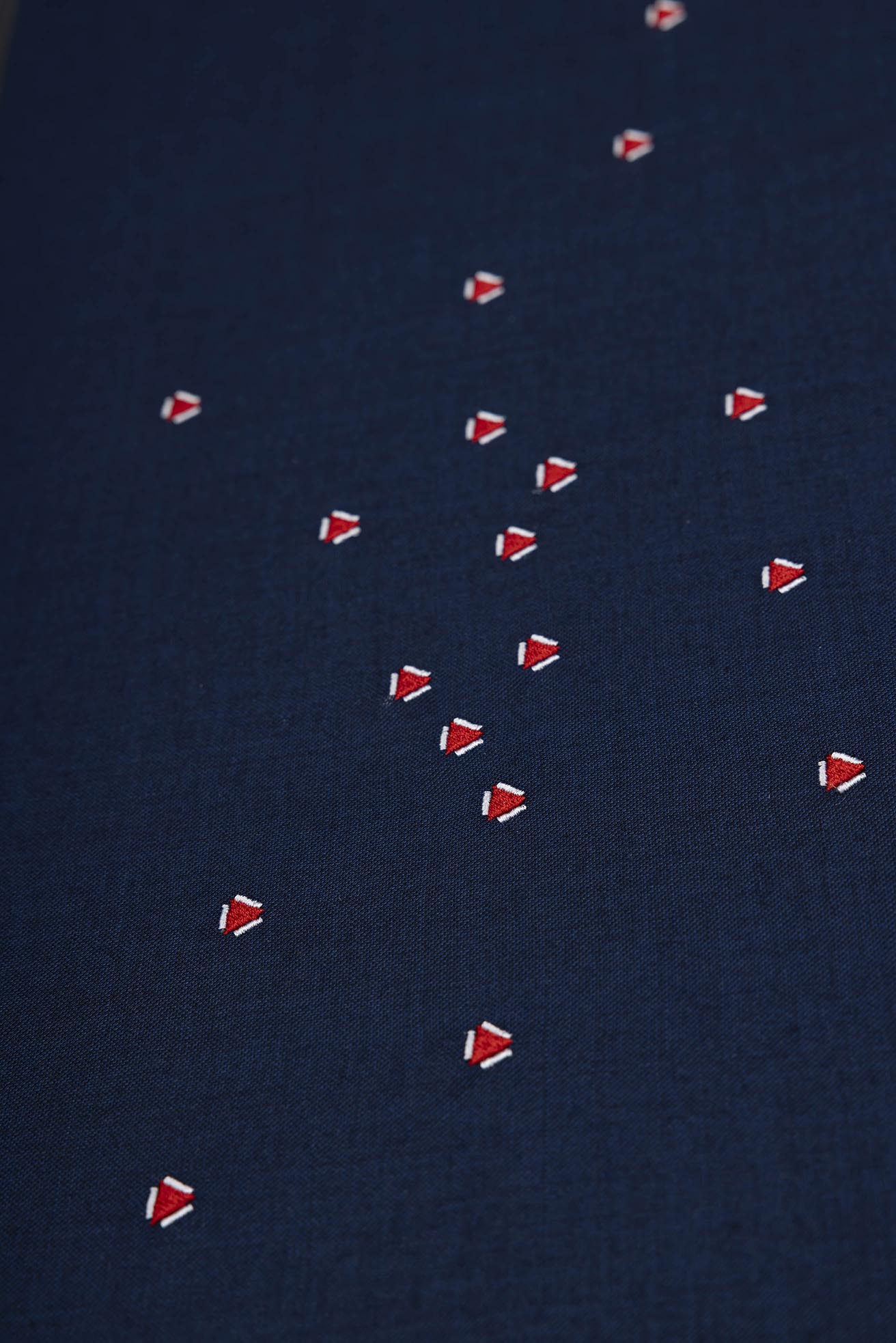
Embroidered wool fabric, mounted on linen canvas stretched over a wooden frame; then set in an aluminium frame
36.57 x 24.69 in ( 92.9 x 62.7 cm )
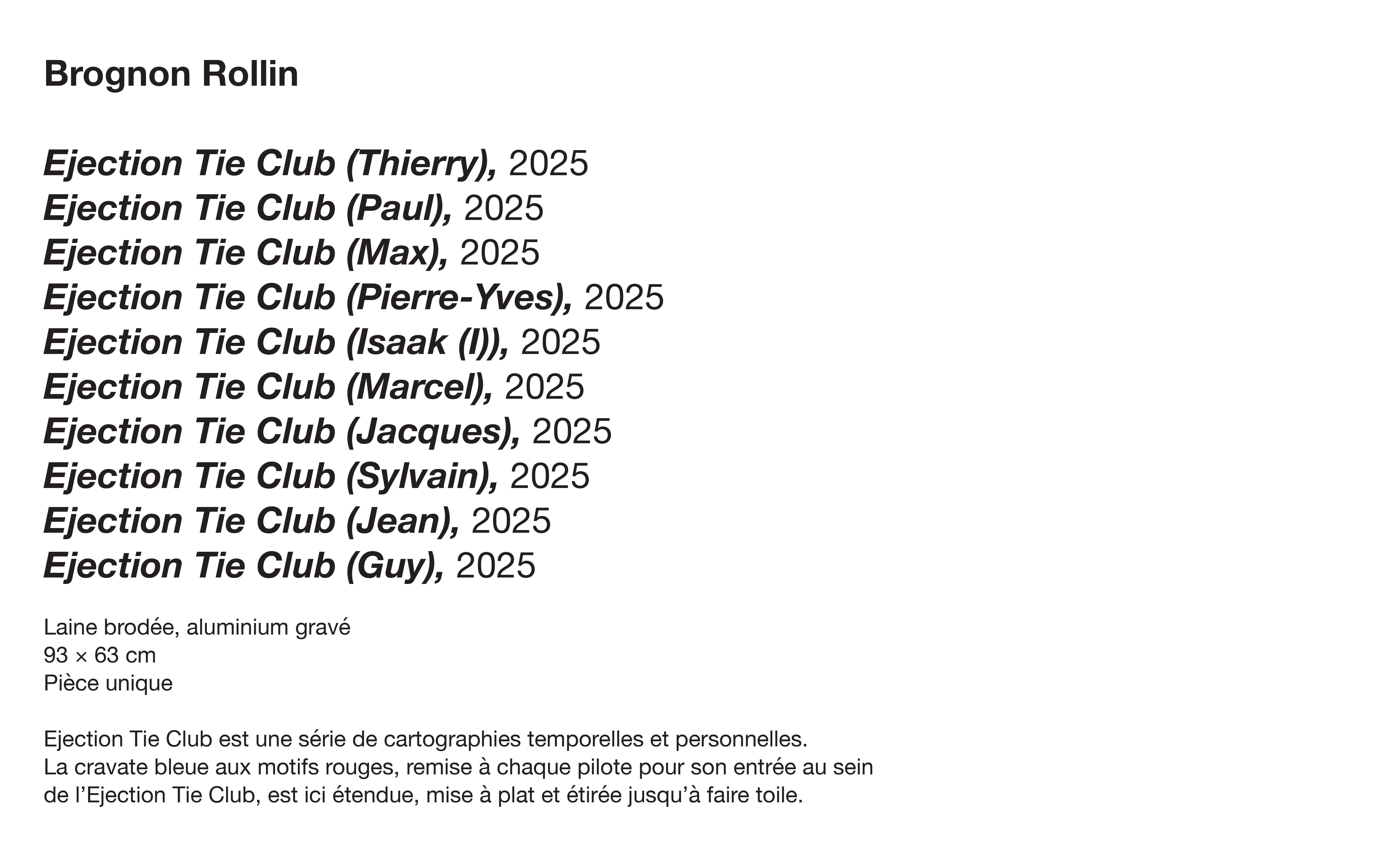
Vectorized digital file
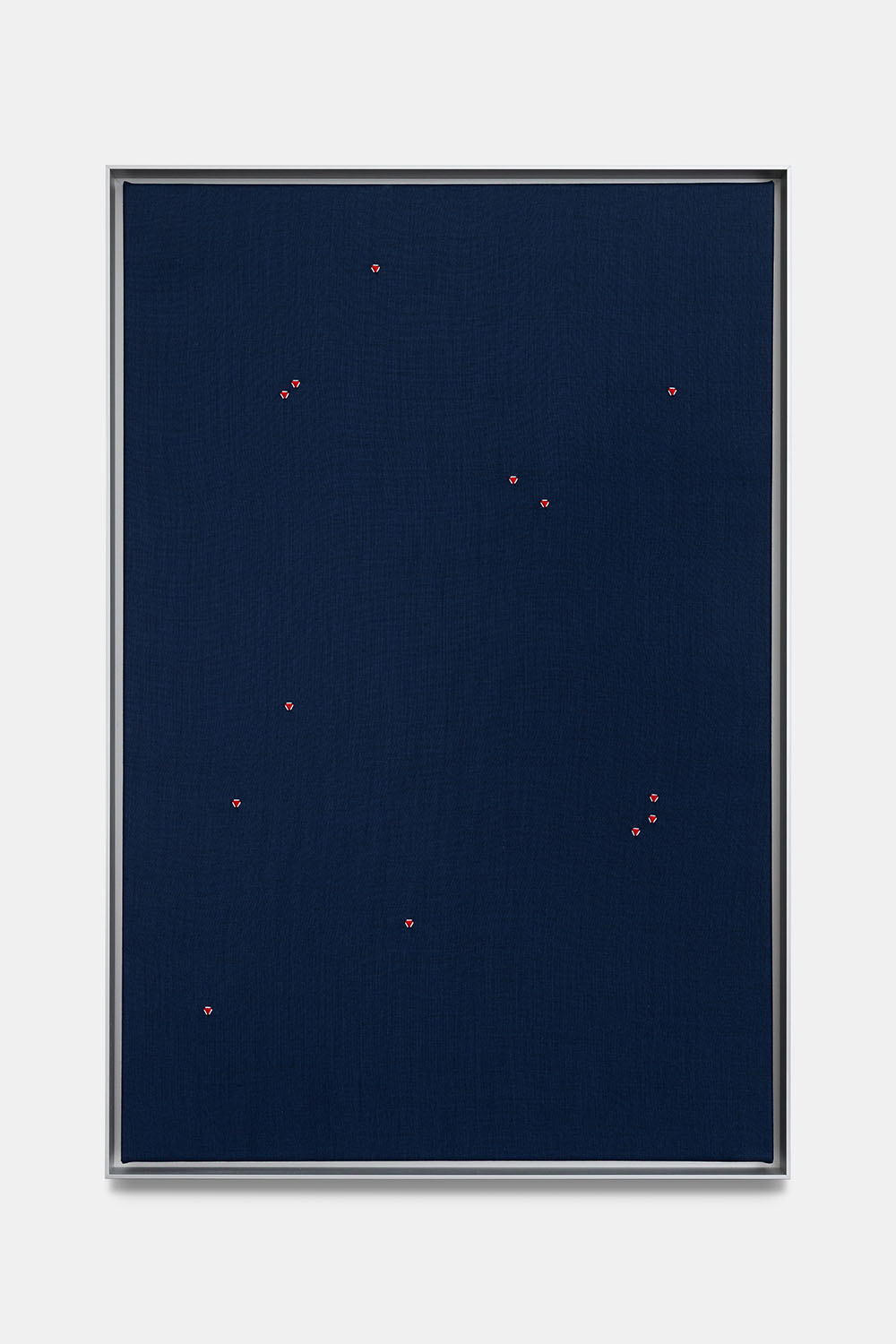
Embroidered wool fabric, mounted on linen canvas stretched over a wooden frame; then set in an aluminium frame
36.57 x 24.69 in ( 92.9 x 62.7 cm )
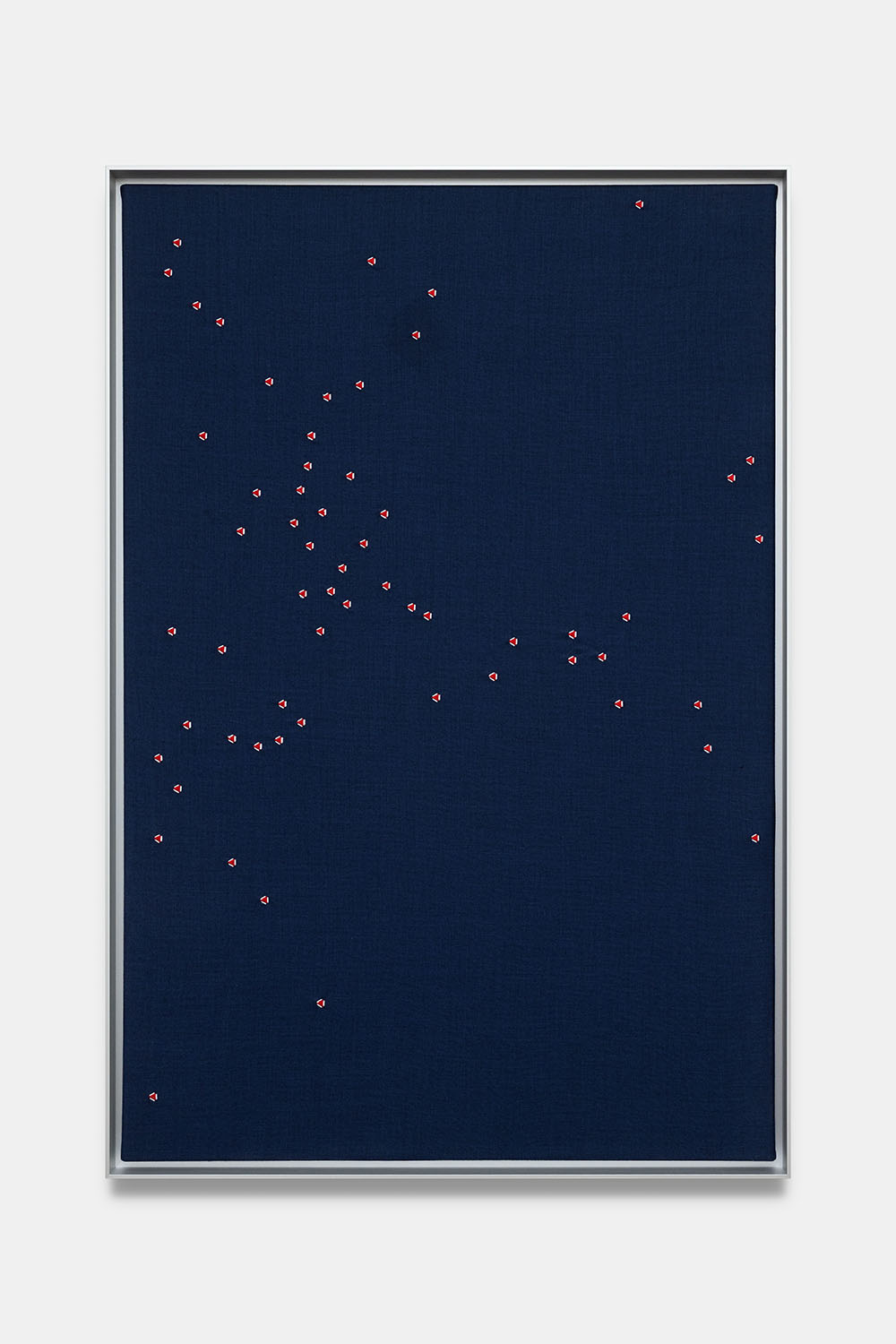
Embroidered wool fabric, mounted on linen canvas stretched over a wooden frame; then set in an aluminium frame
36.57 x 24.69 in ( 92.9 x 62.7 cm )
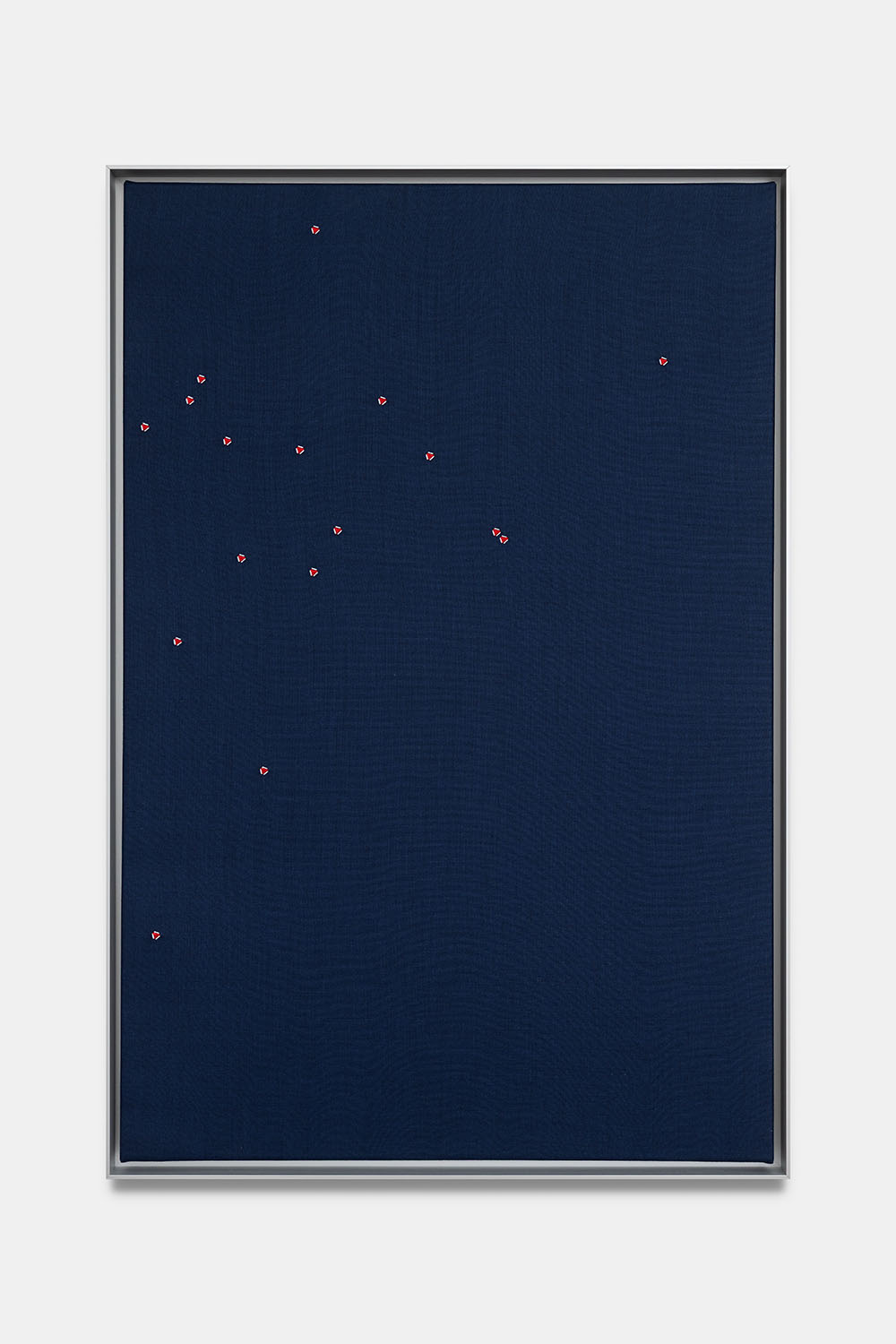
Embroidered wool fabric, mounted on linen canvas stretched over a wooden frame; then set in an aluminium frame
36.57 x 24.69 in ( 92.9 x 62.7 cm )
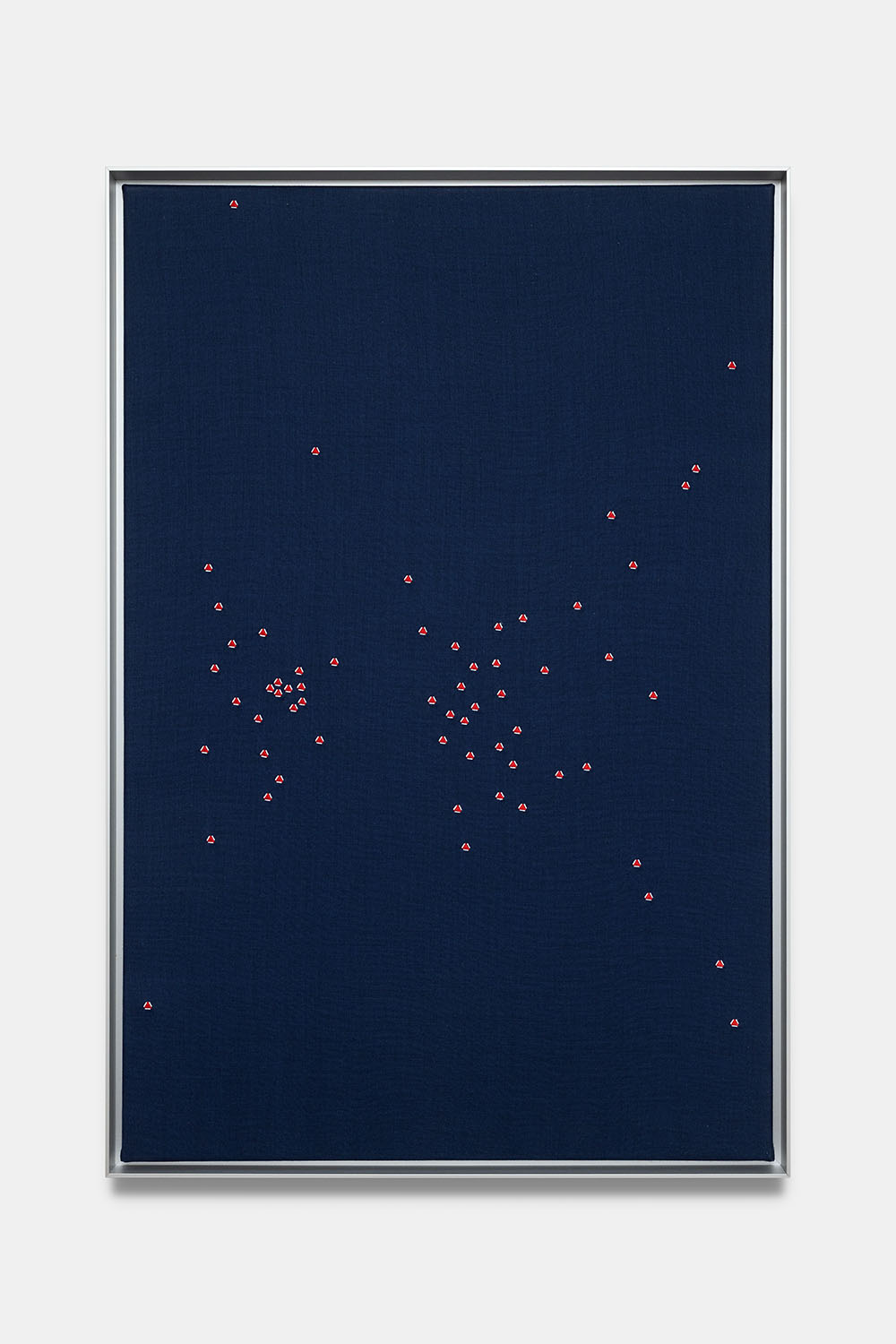
Embroidered wool fabric, mounted on linen canvas stretched over a wooden frame; then set in an aluminium frame
36.57 x 24.69 in ( 92.9 x 62.7 cm )
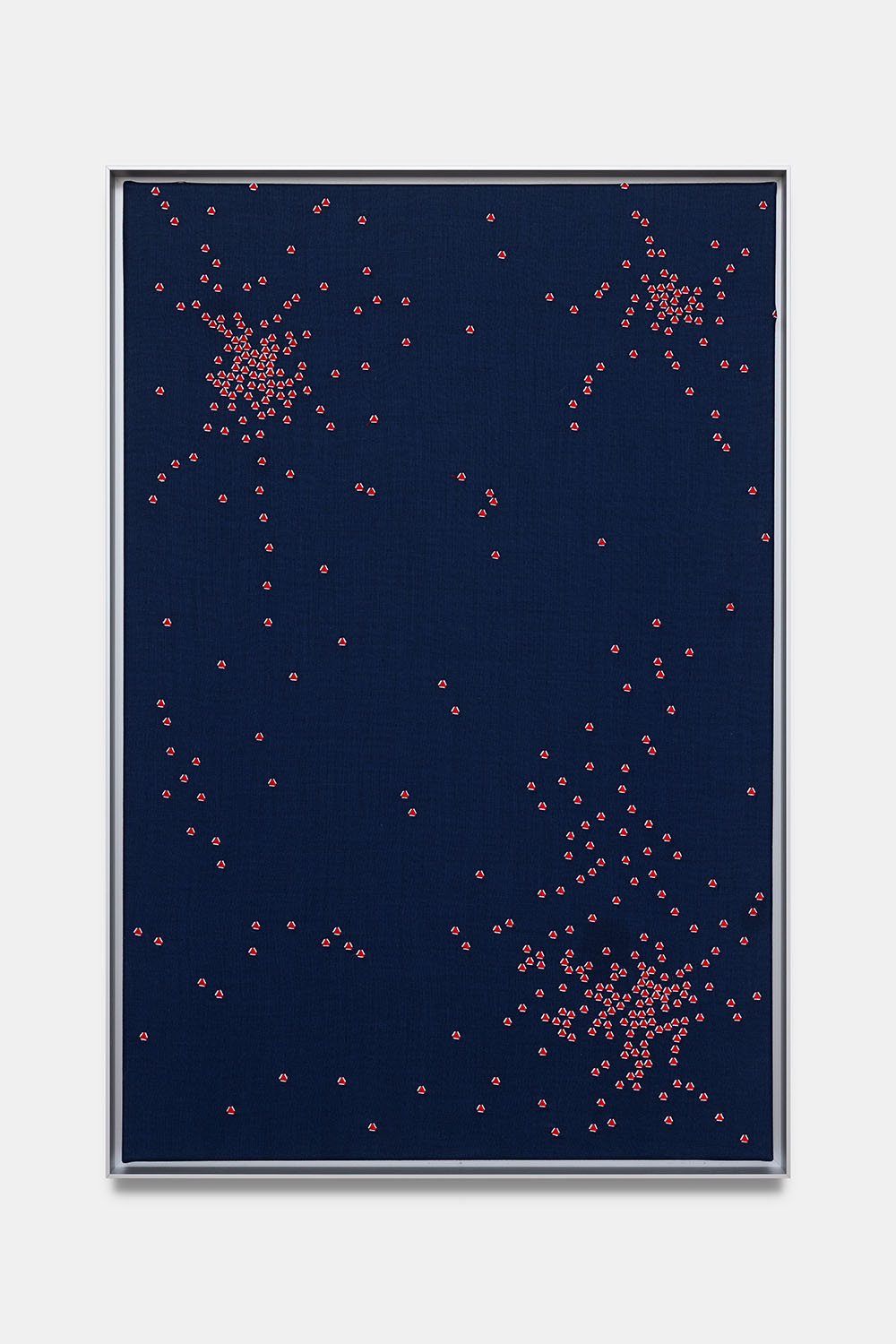
Embroidered wool fabric, mounted on linen canvas stretched over a wooden frame; then set in an aluminium frame
36.57 x 24.69 in ( 92.9 x 62.7 cm )
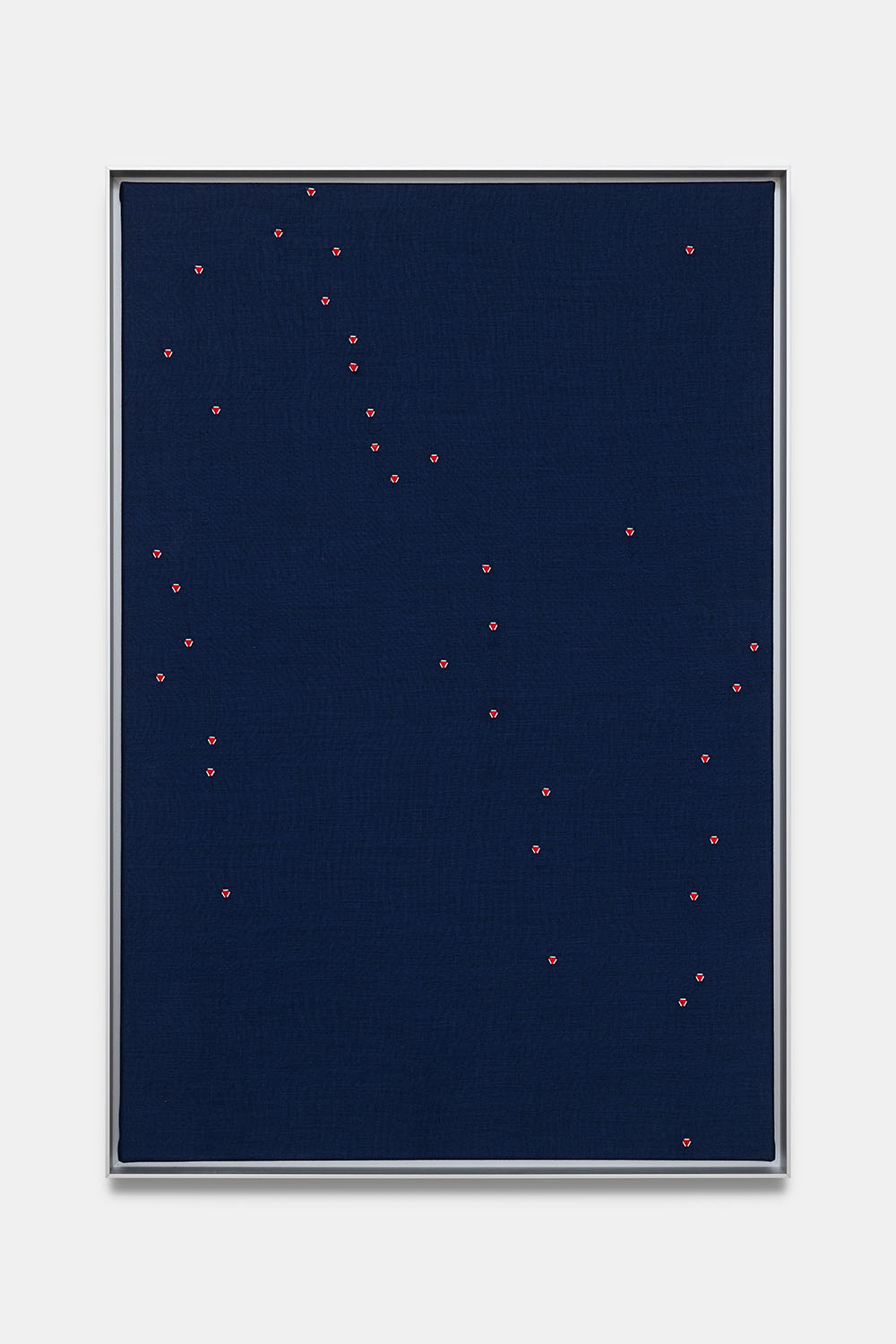
Embroidered wool fabric, mounted on linen canvas stretched over a wooden frame; then set in an aluminium frame
36.57 x 24.69 in ( 92.9 x 62.7 cm )
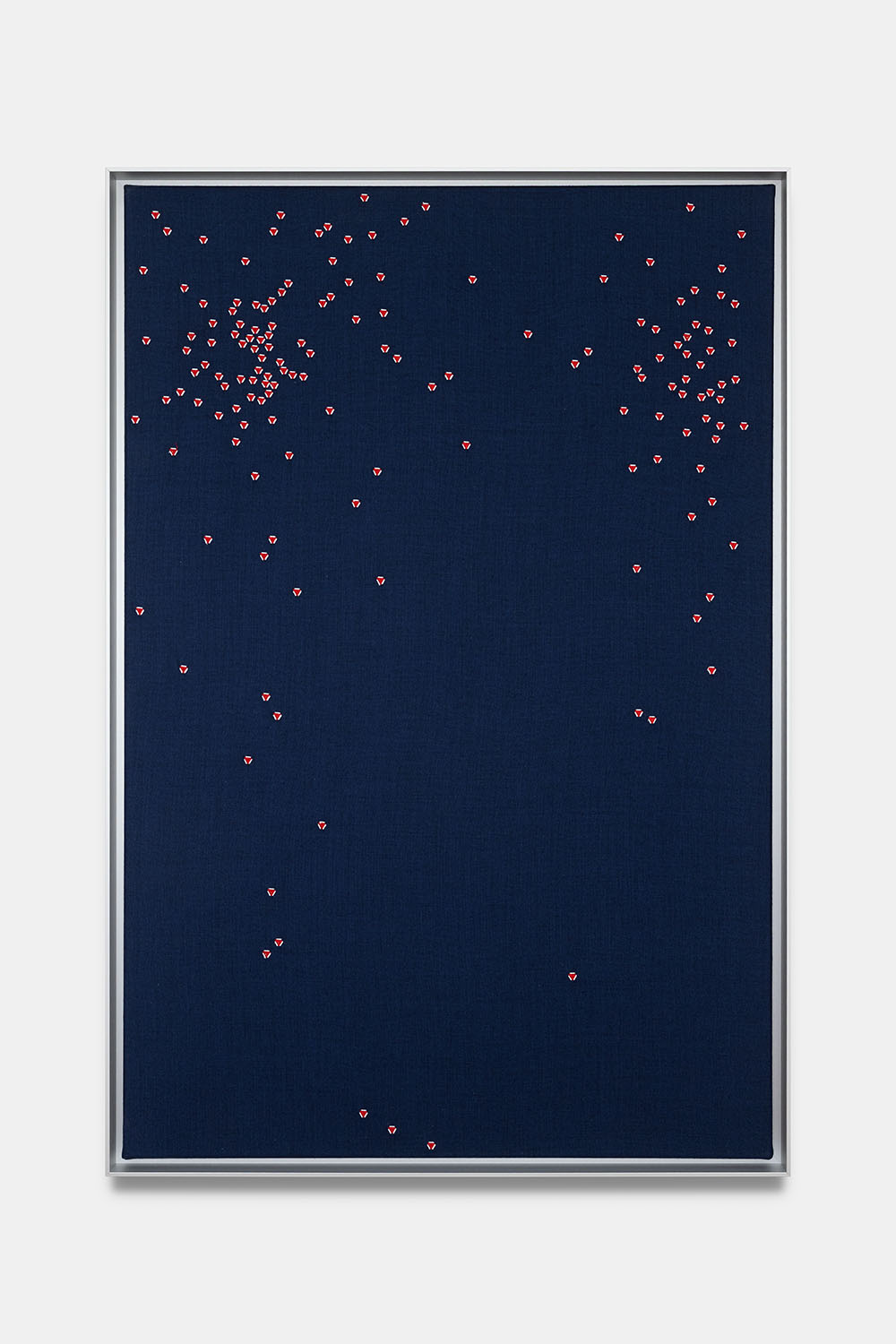
Embroidered wool fabric, mounted on linen canvas stretched over a wooden frame; then set in an aluminium frame
36.57 x 24.69 in ( 92.9 x 62.7 cm )
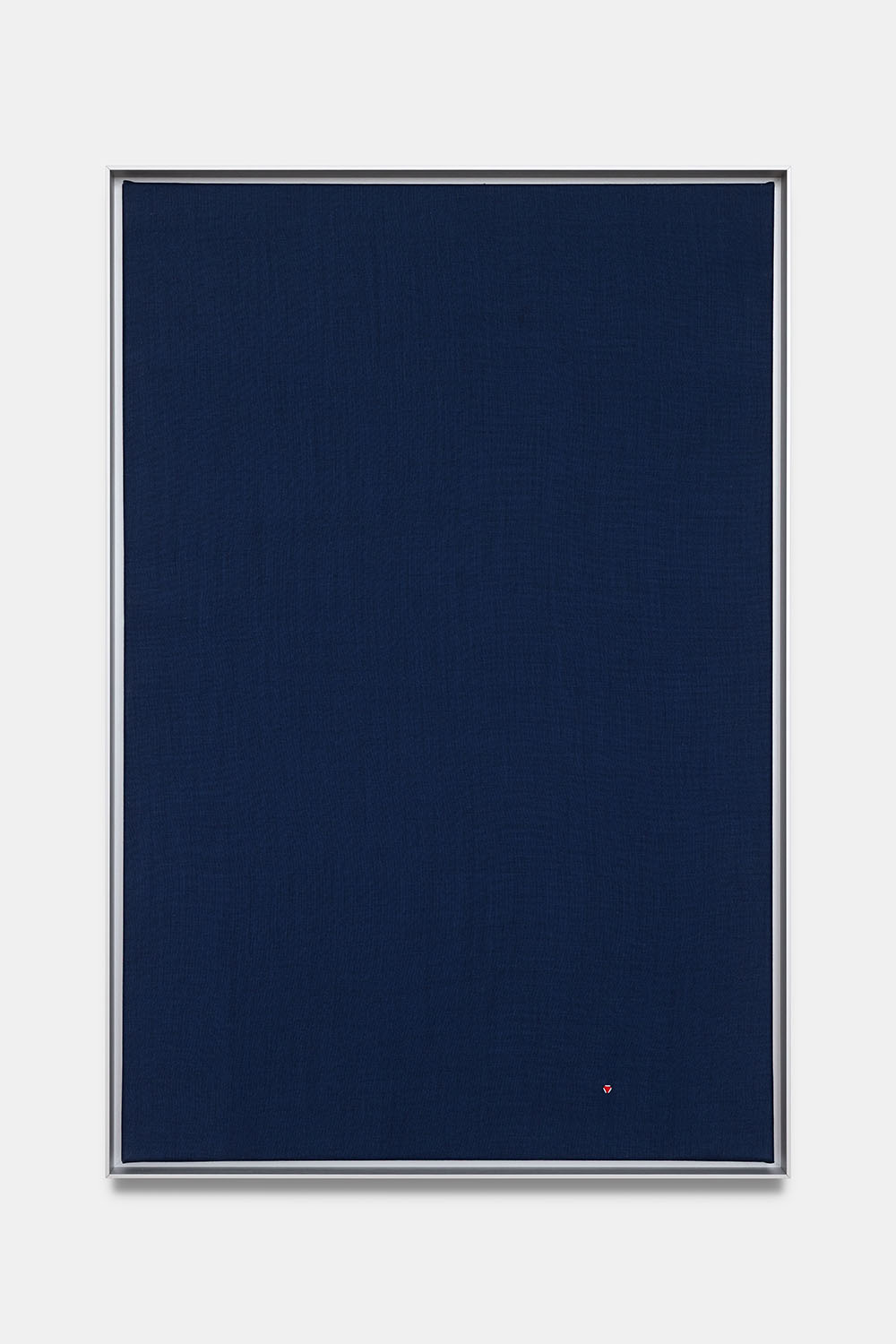
Embroidered wool fabric, mounted on linen canvas stretched over a wooden frame; then set in an aluminium frame
36.57 x 24.69 in ( 92.9 x 62.7 cm )
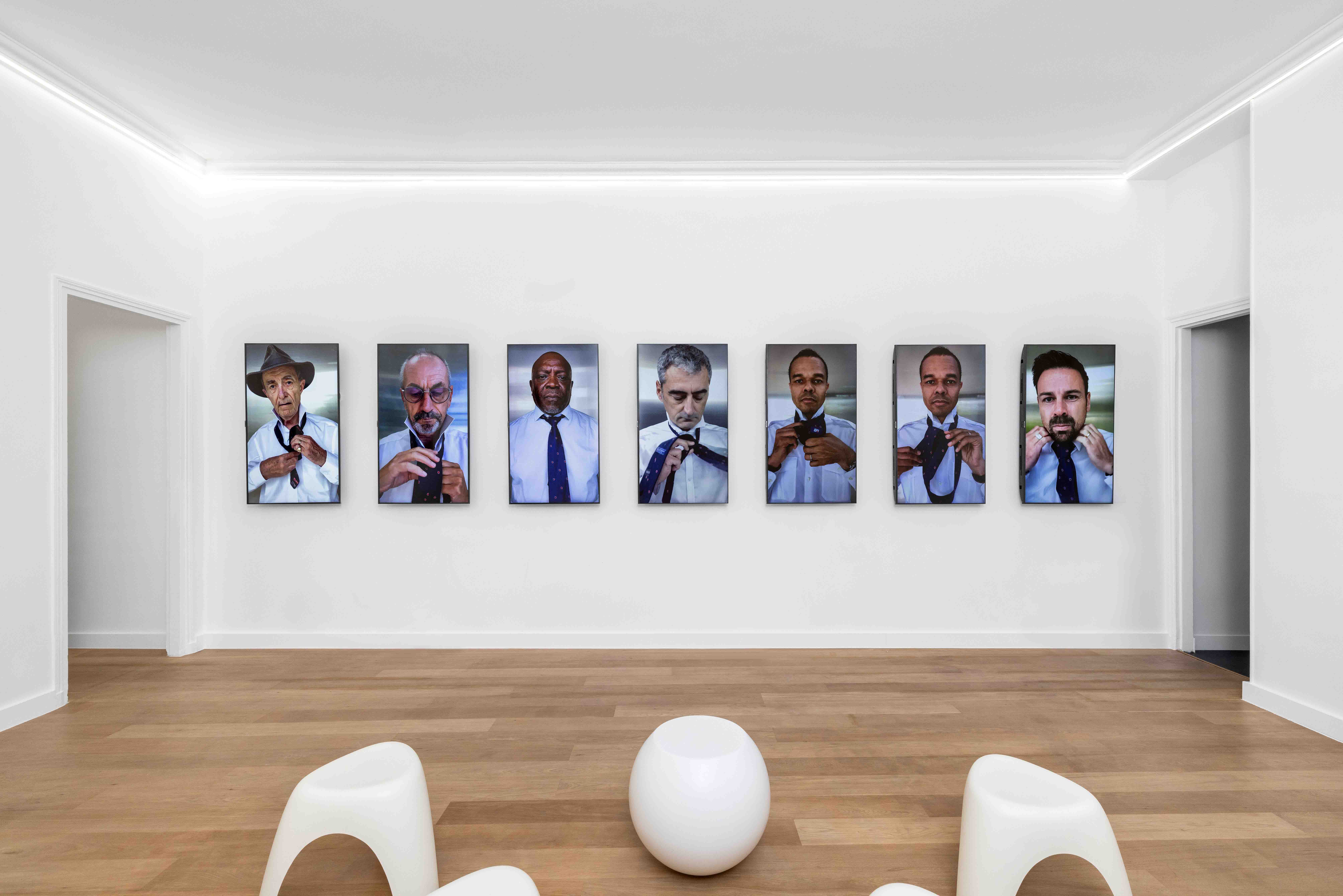
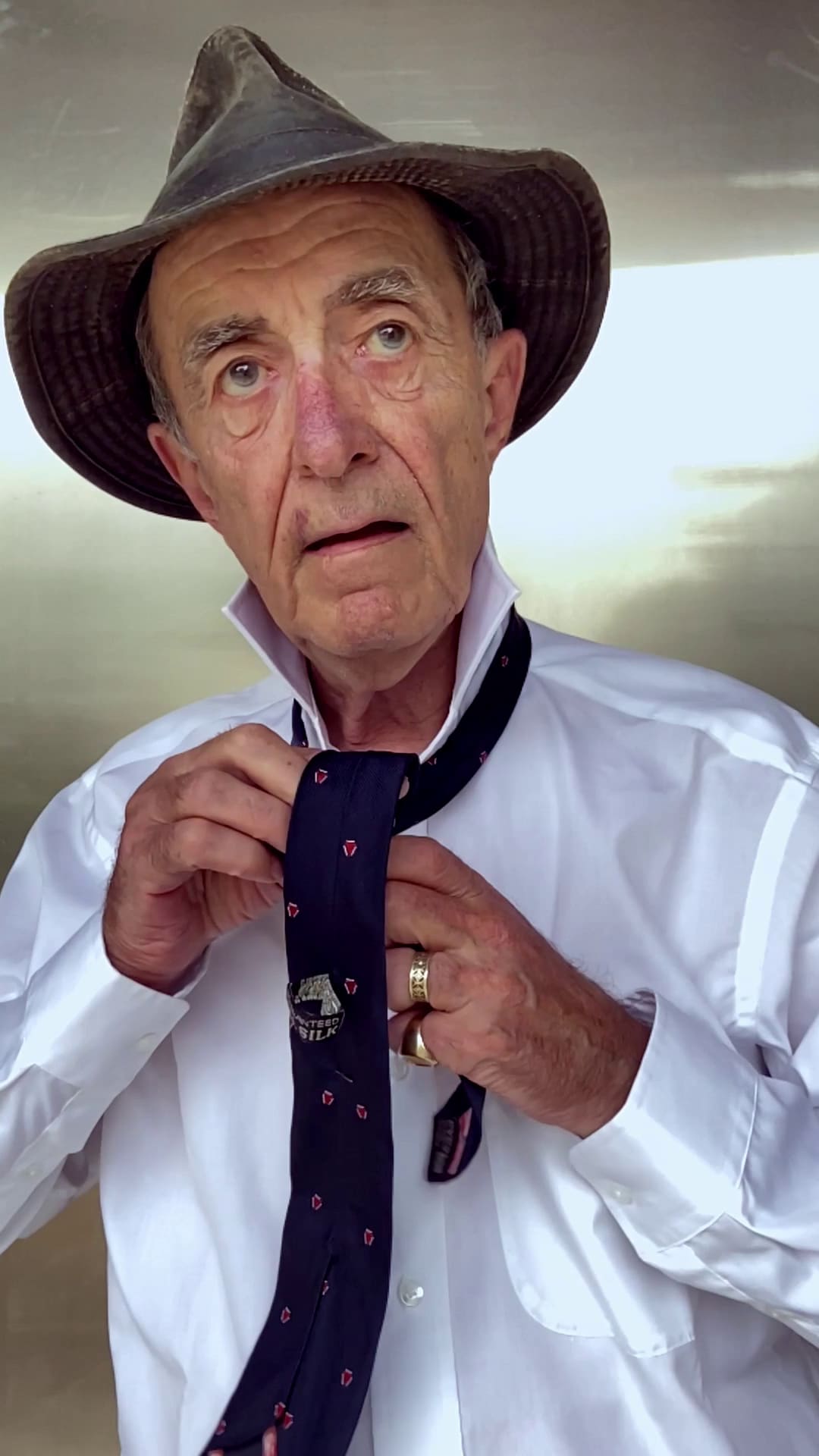
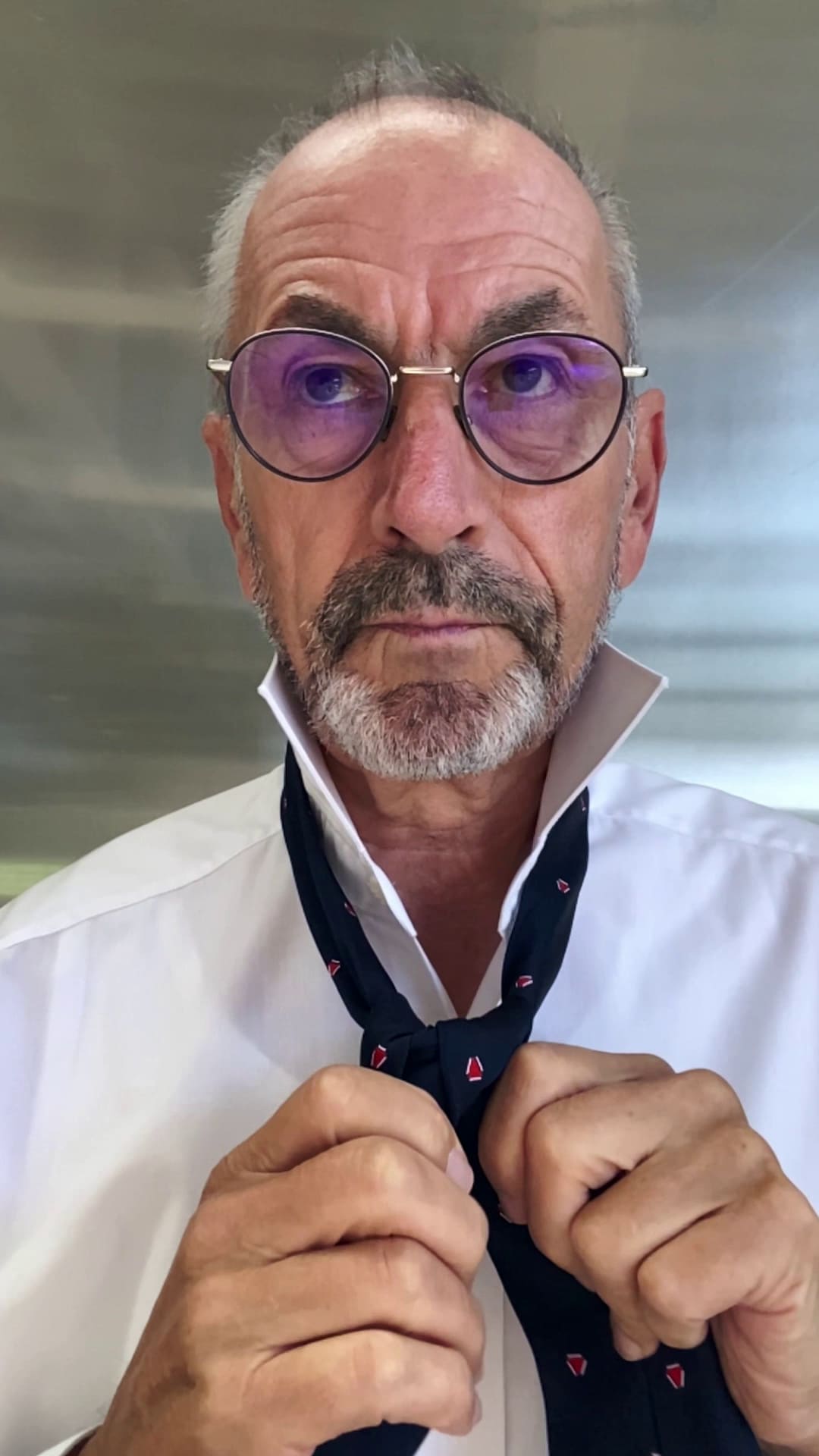
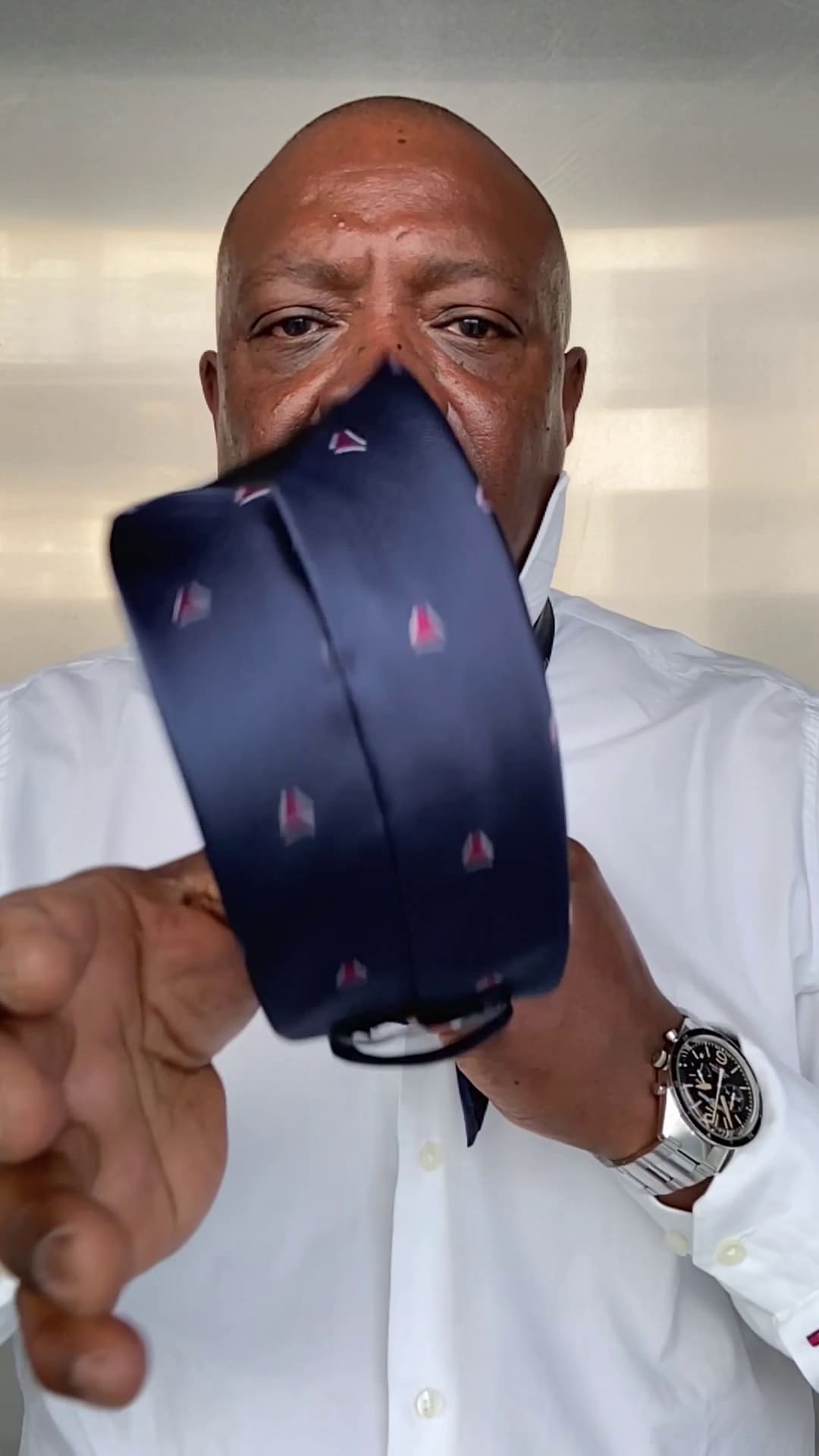
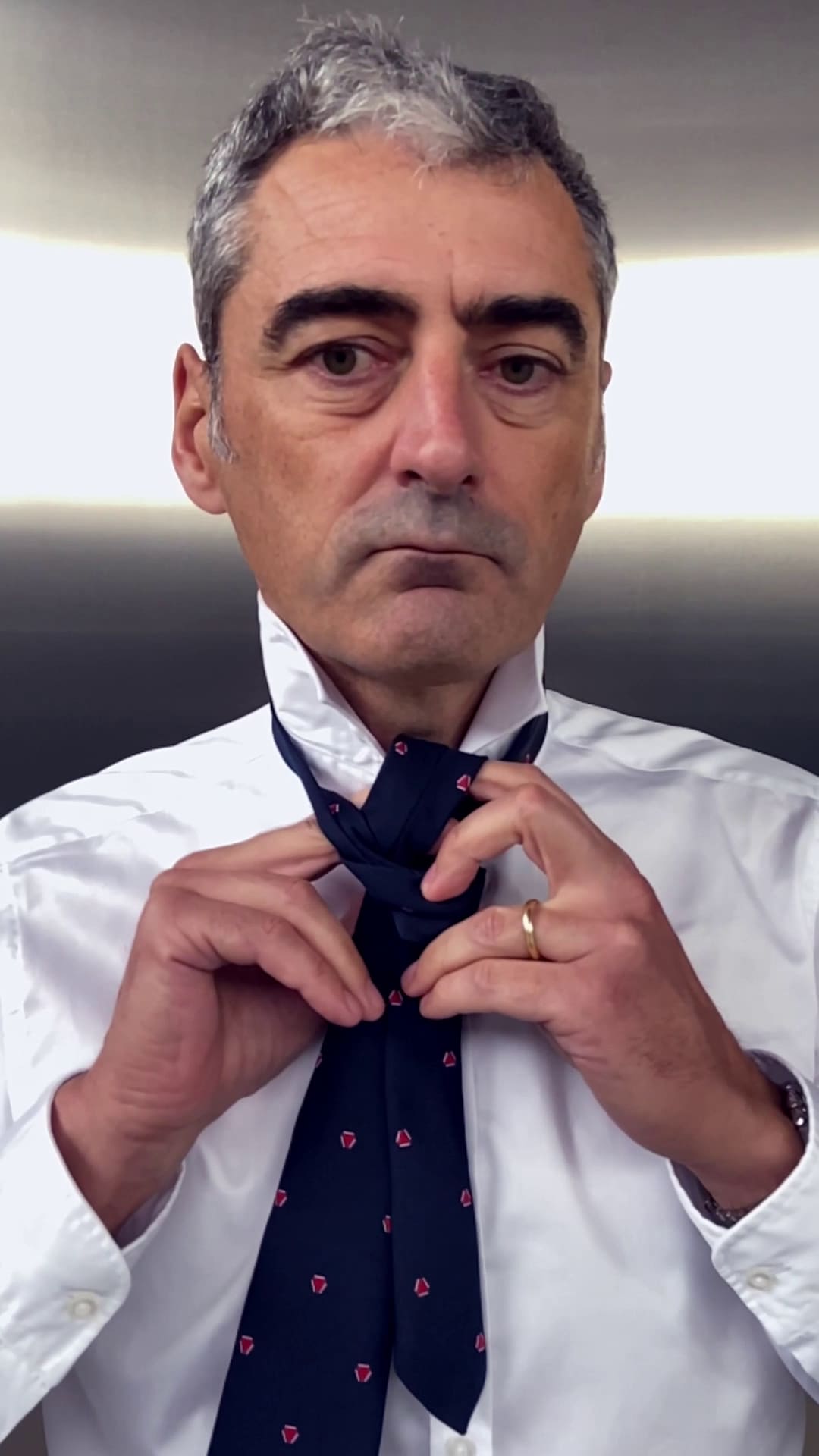
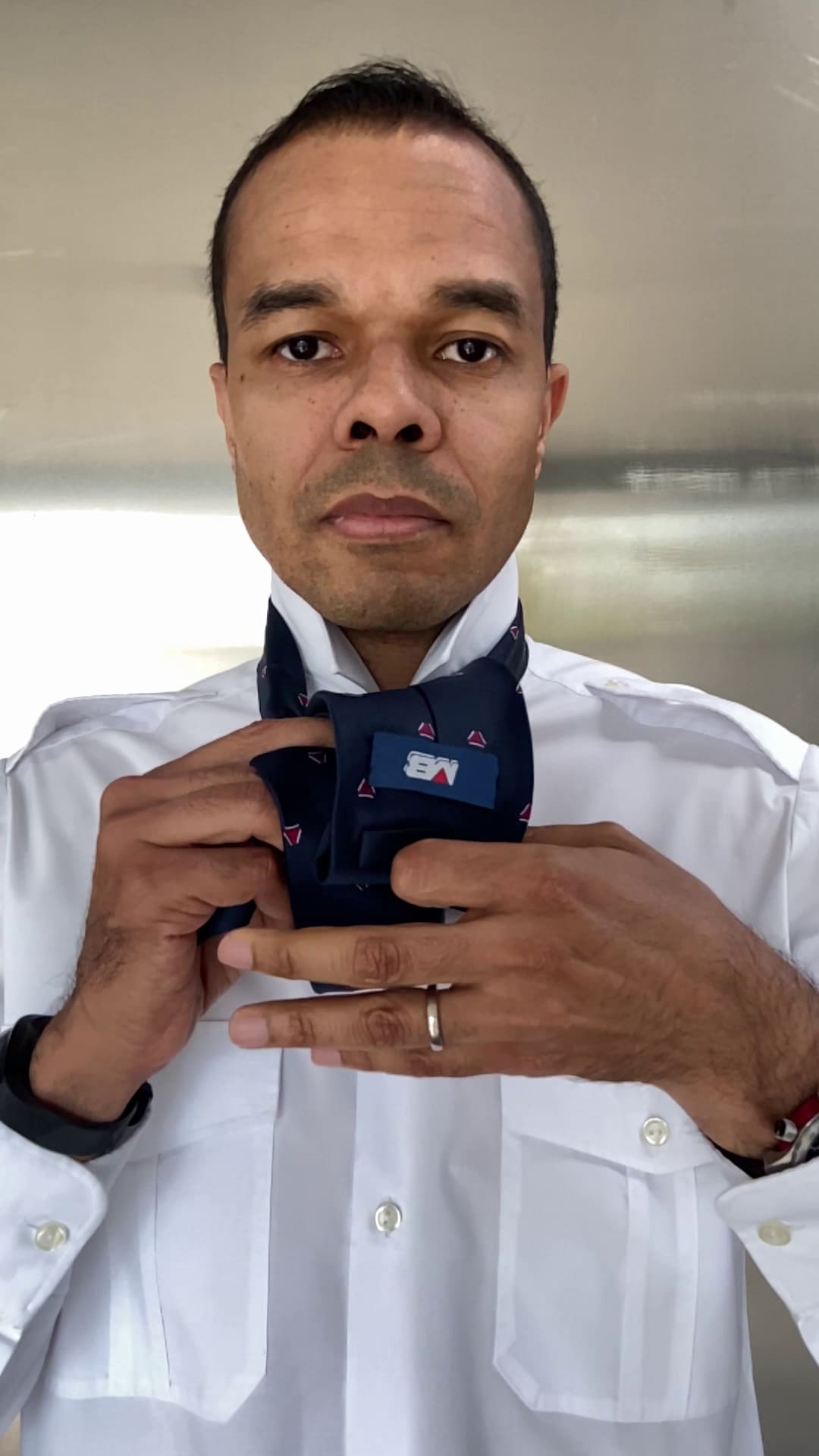
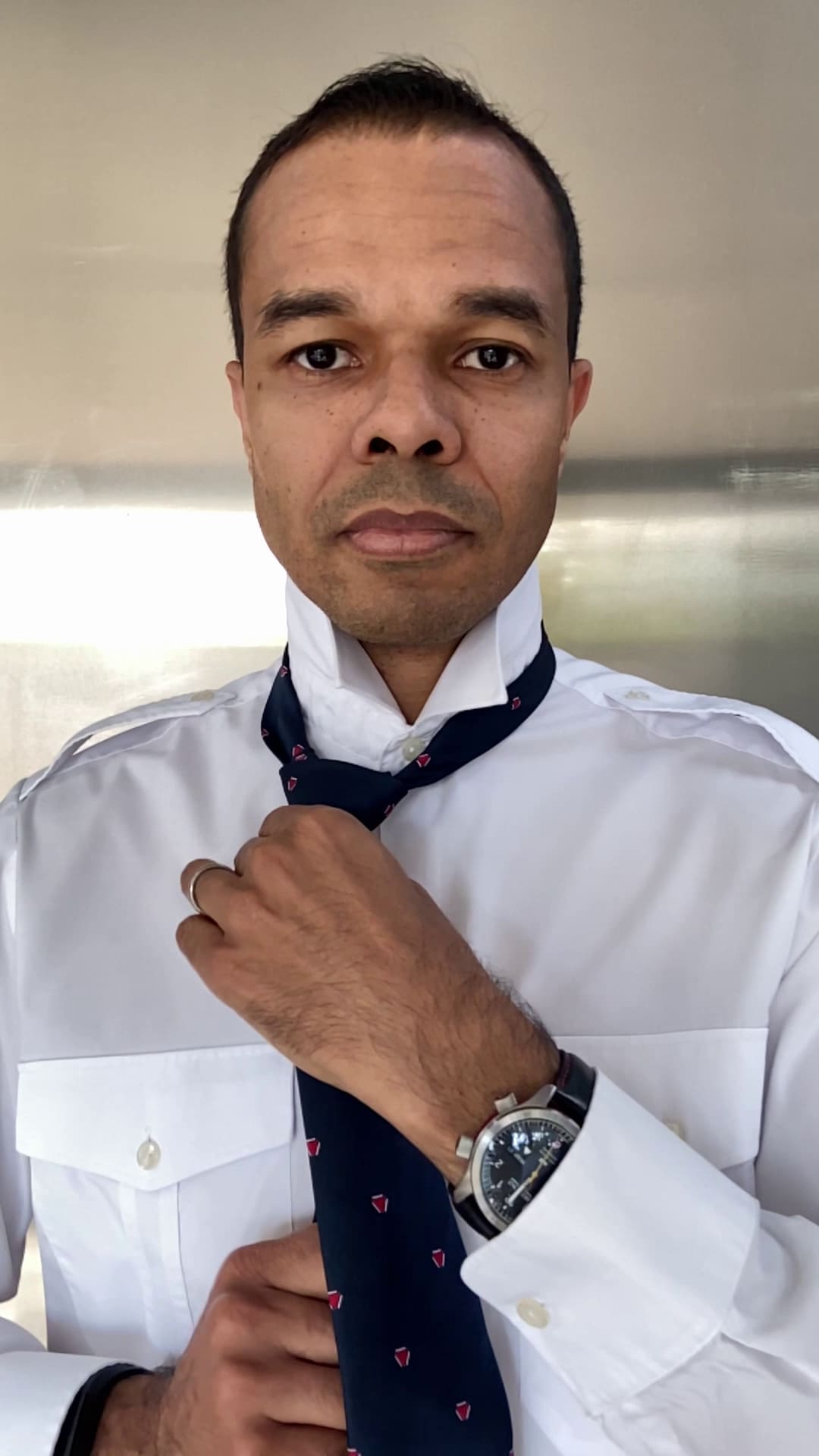
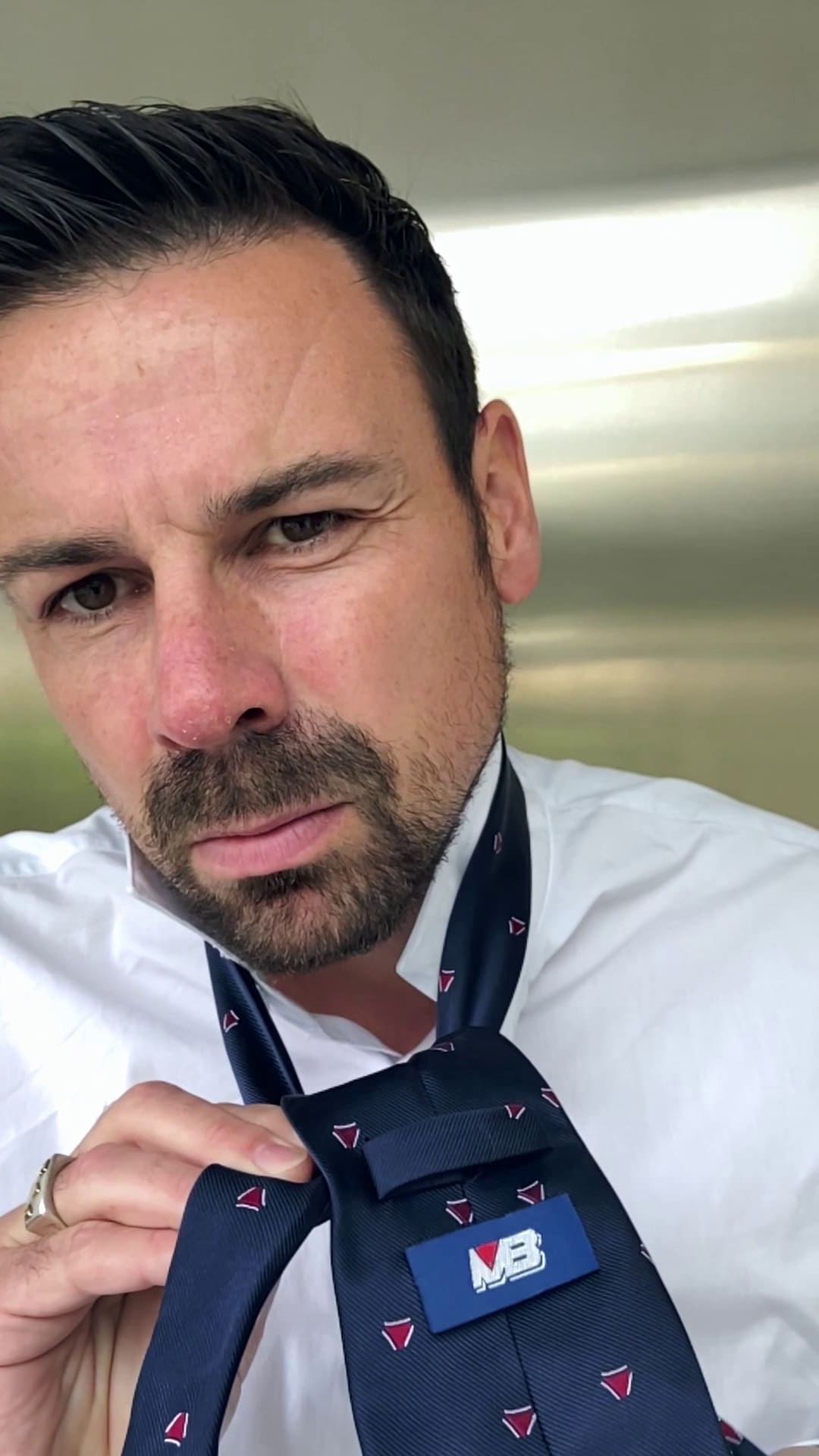
Set of 7 videos, color, silent
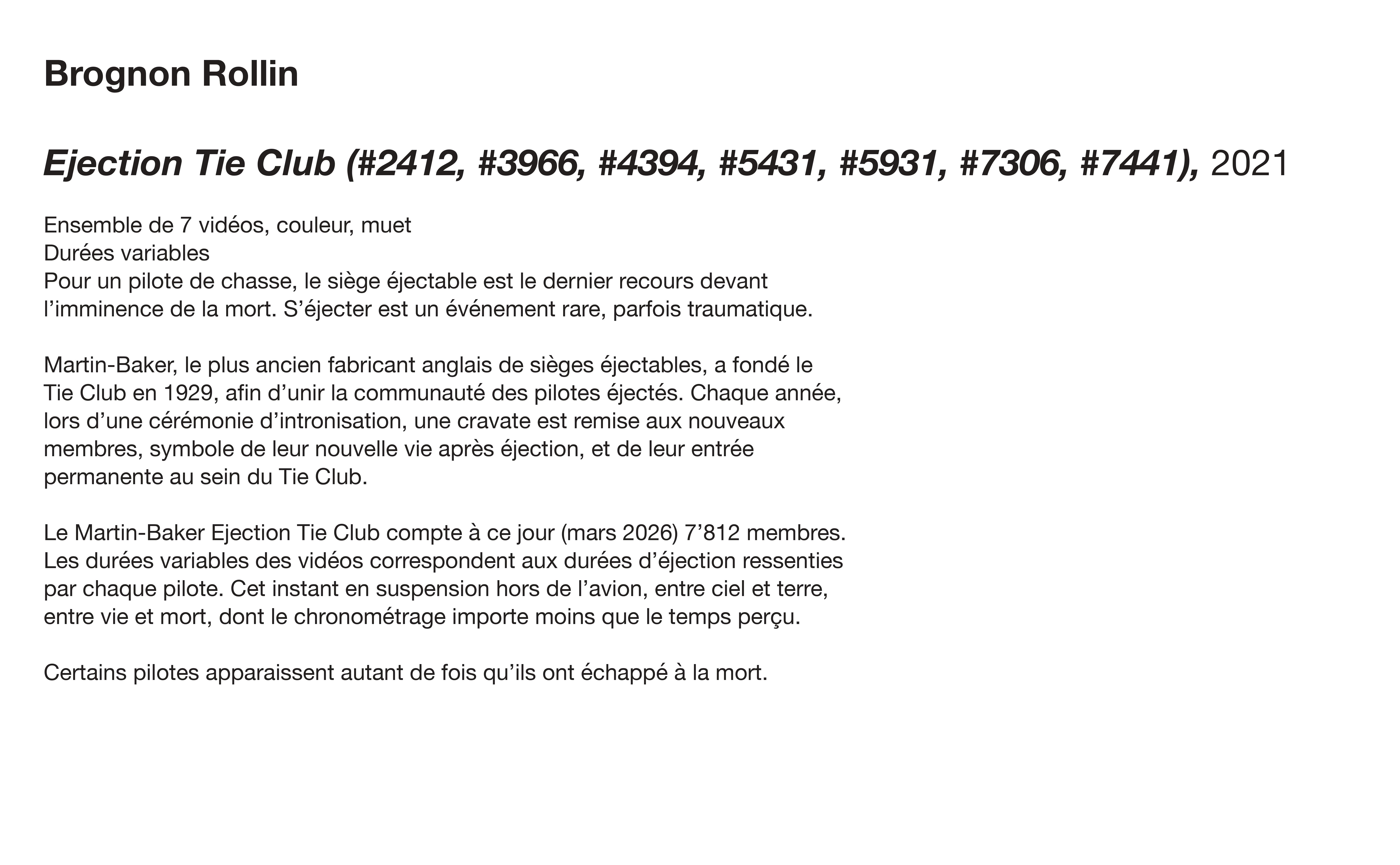
Vectorized digital file
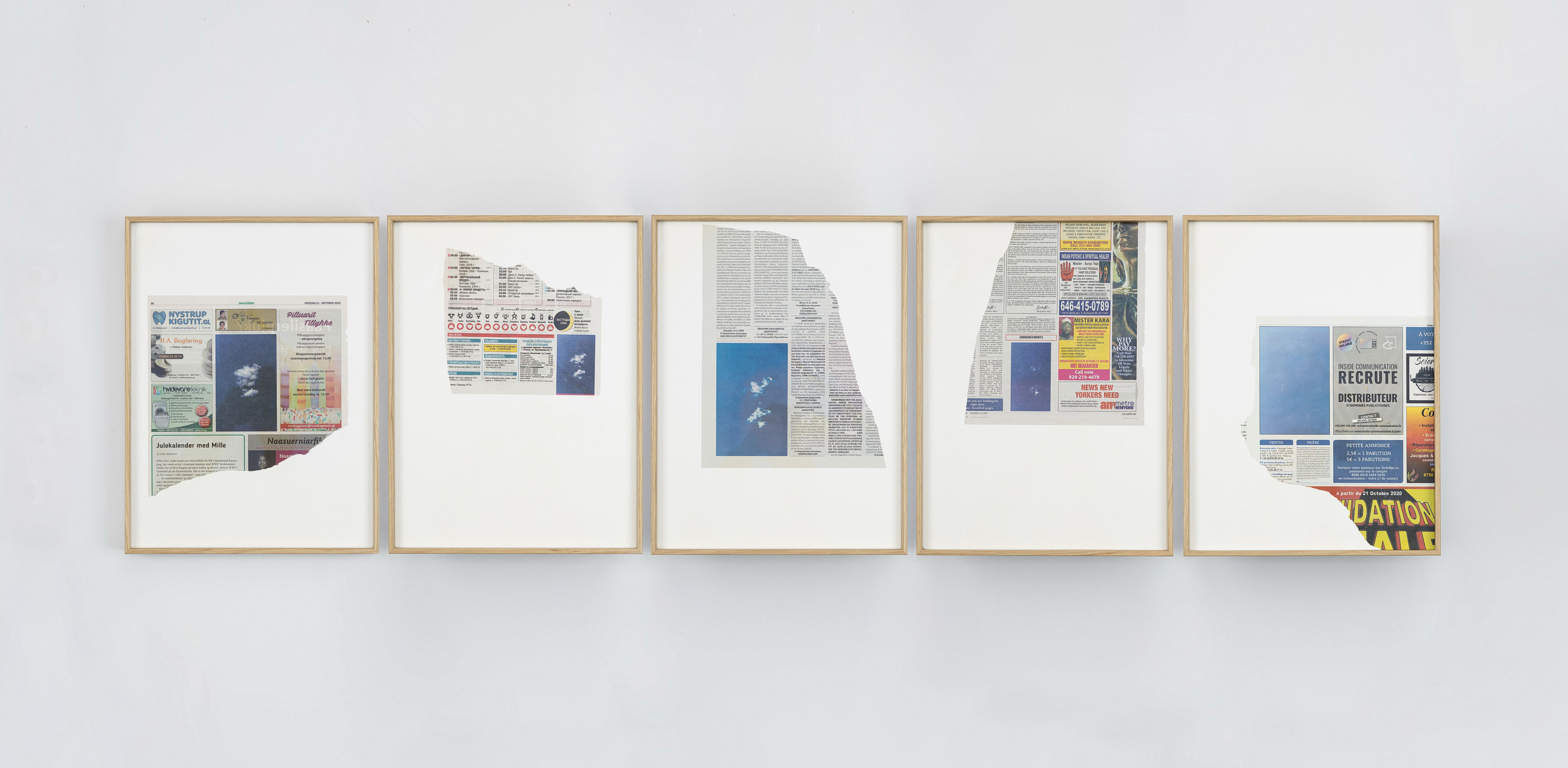
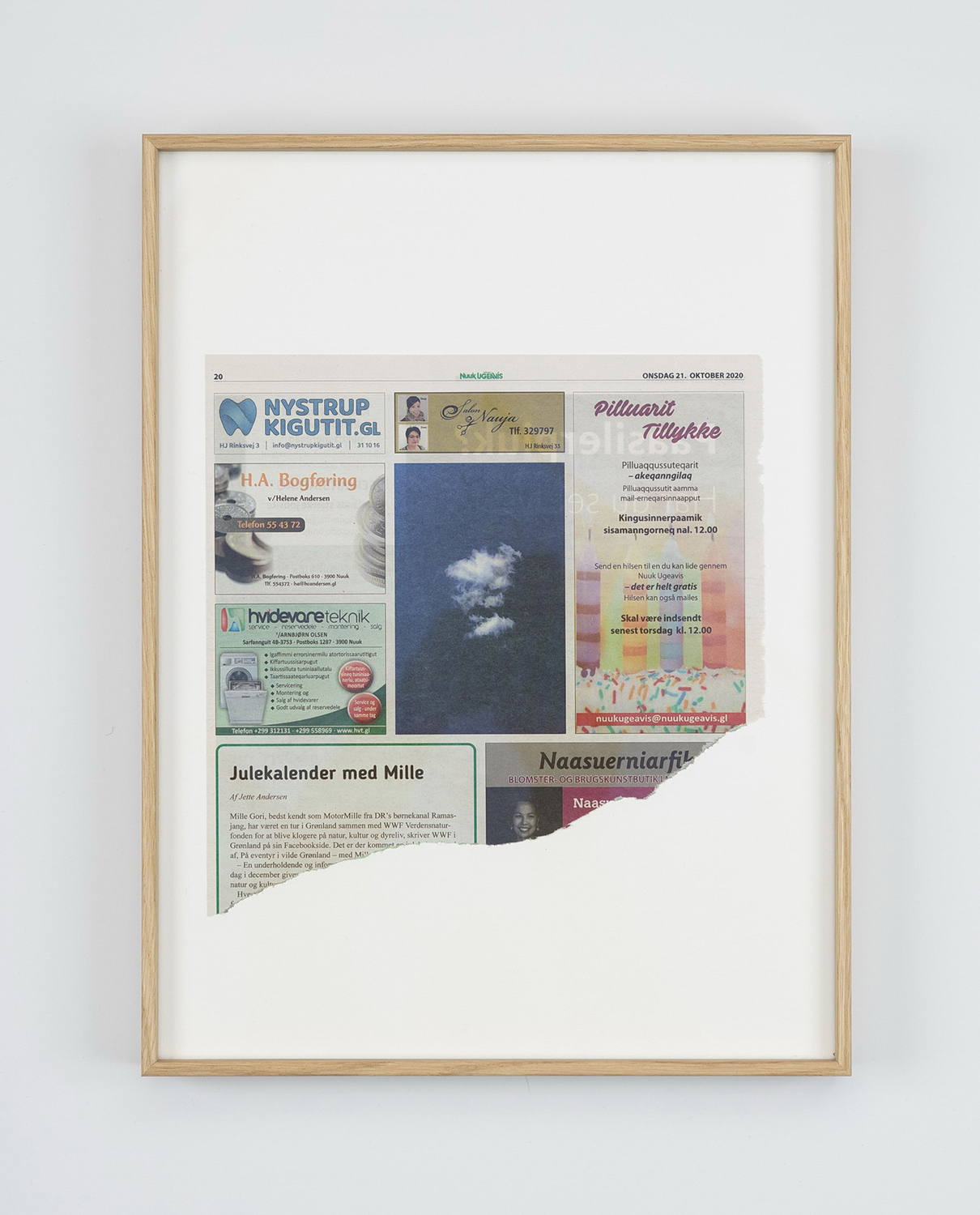
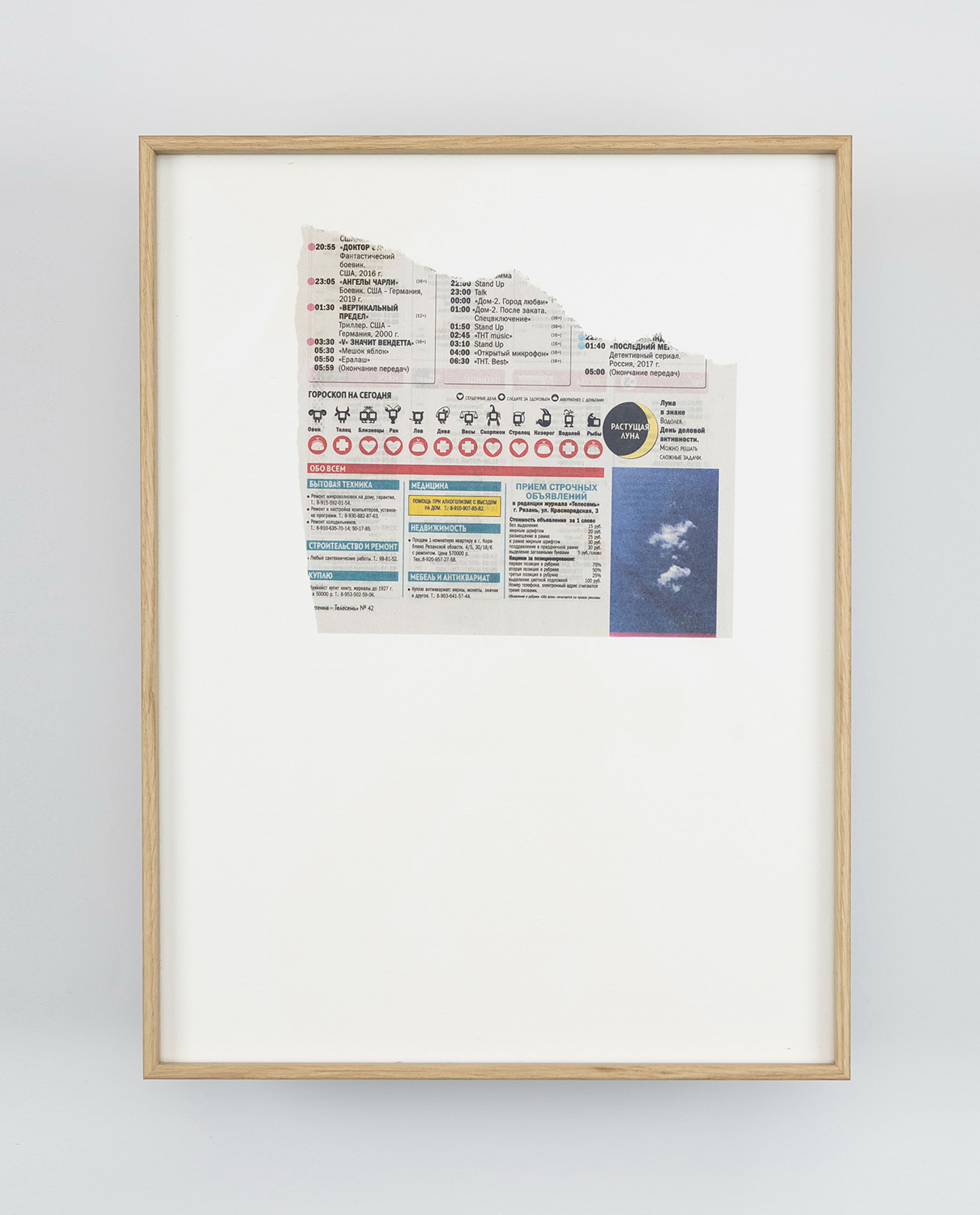
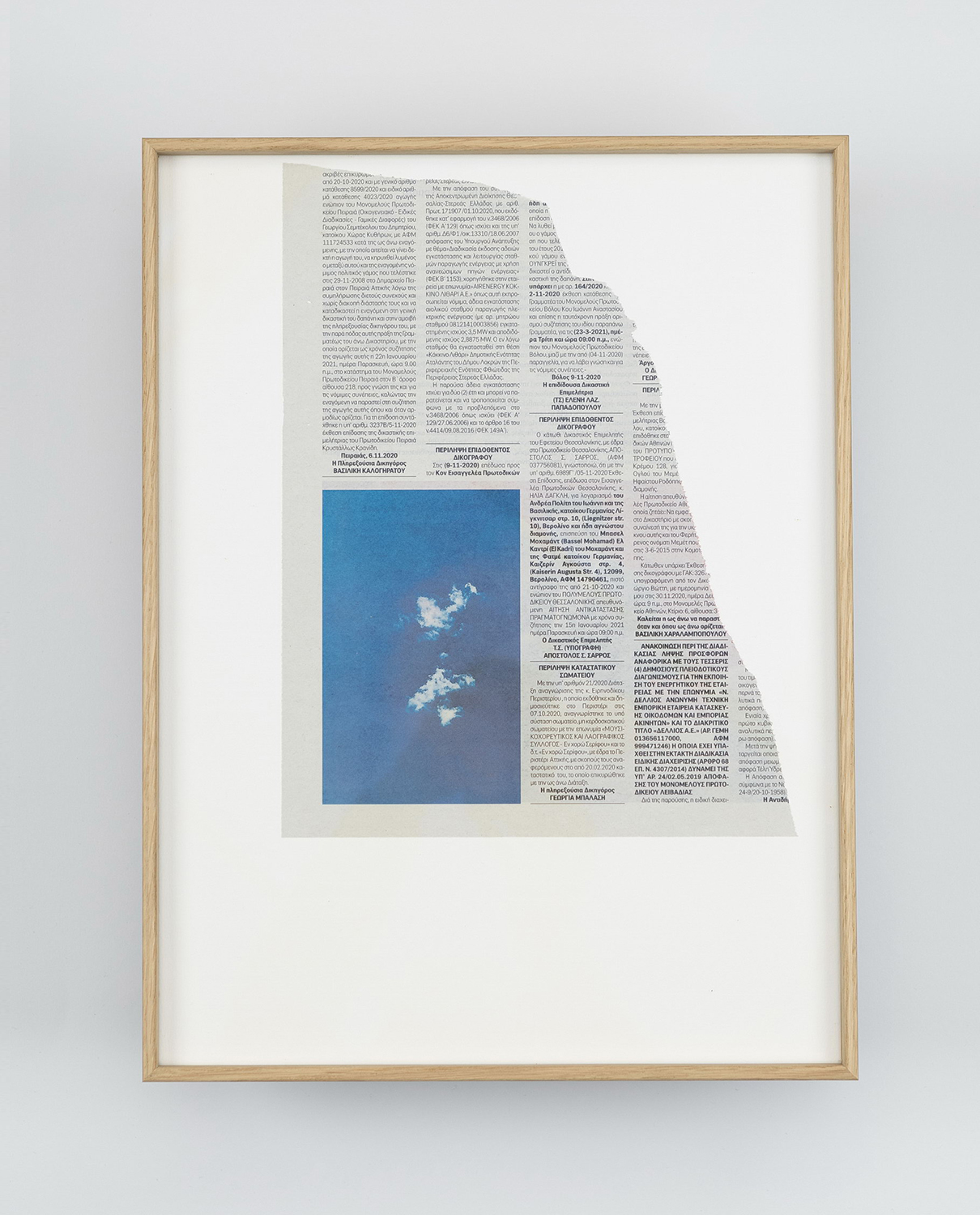
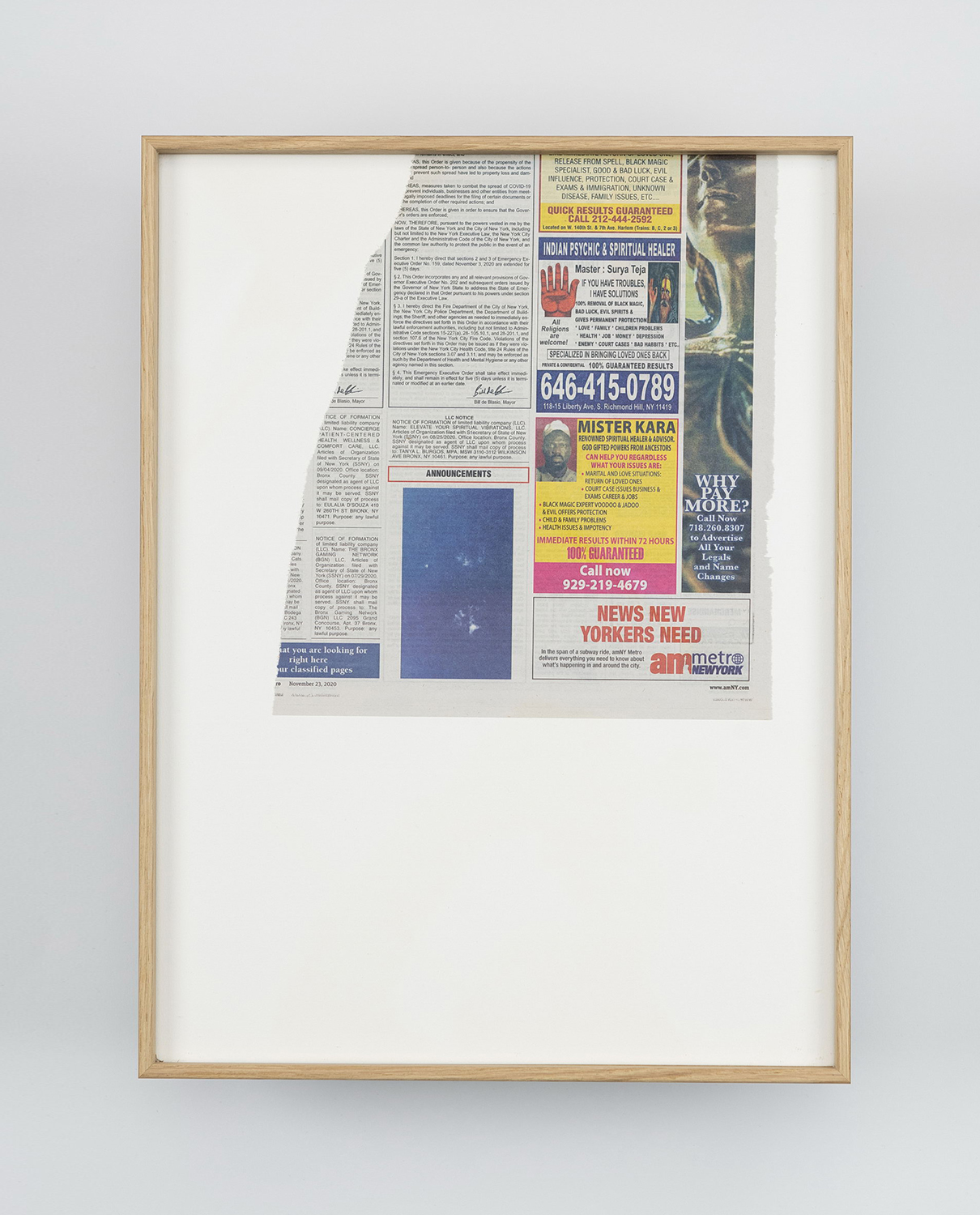
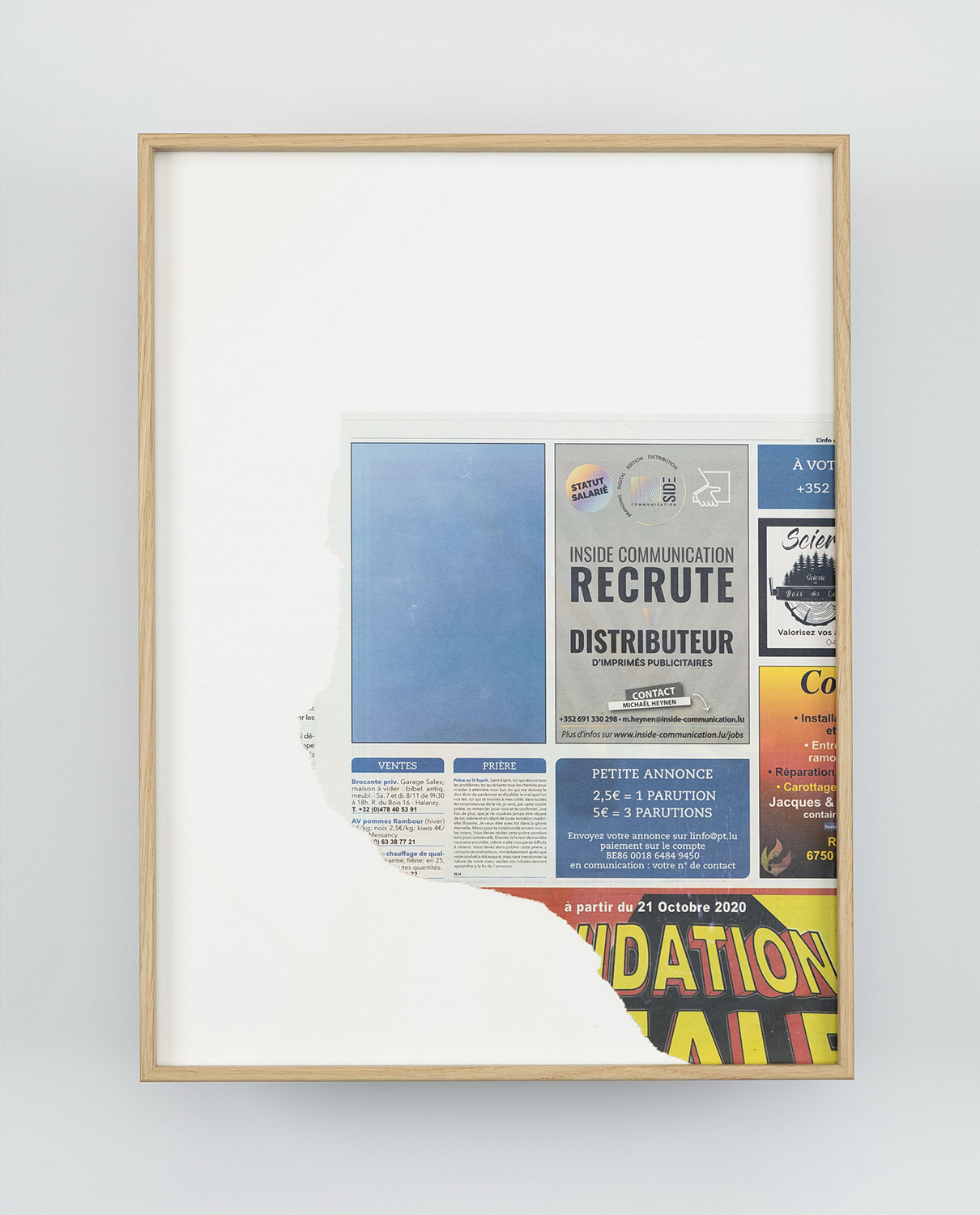
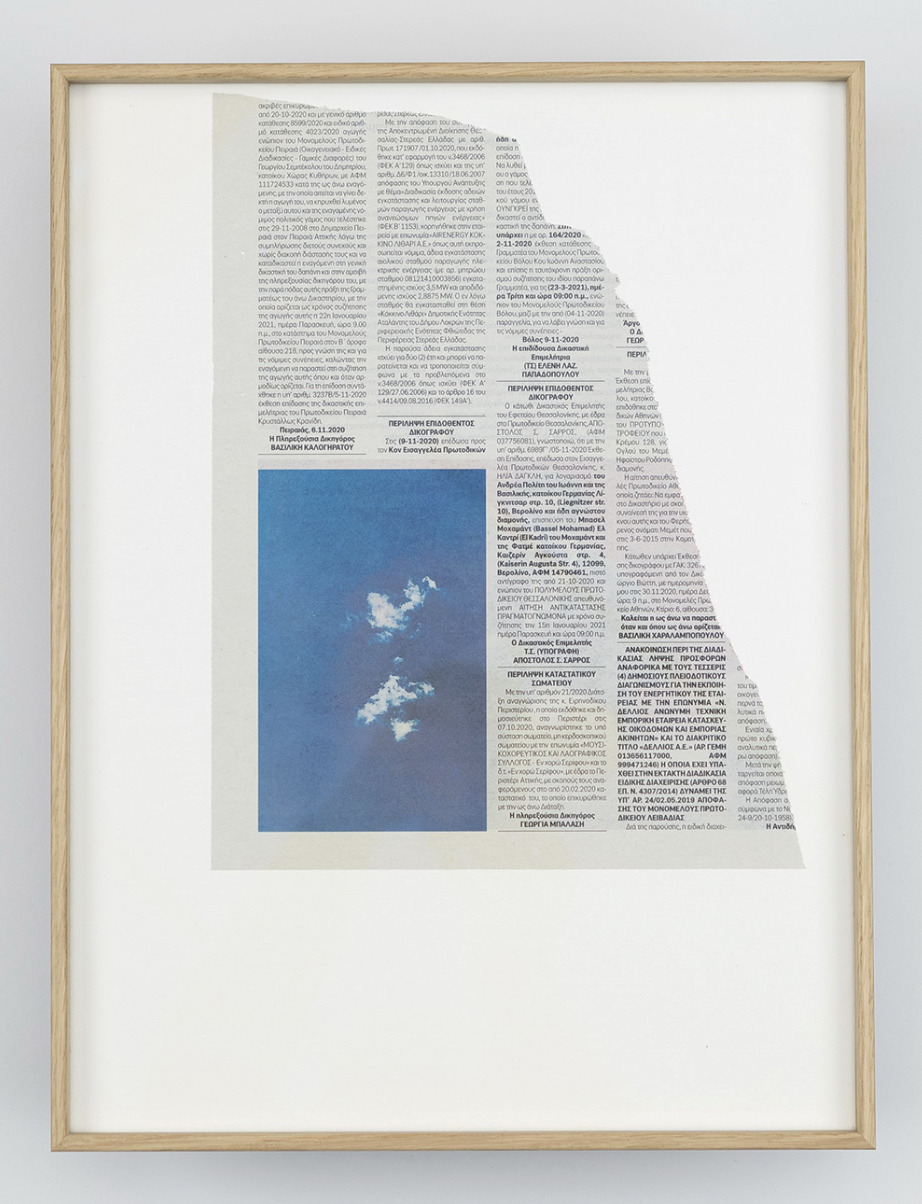
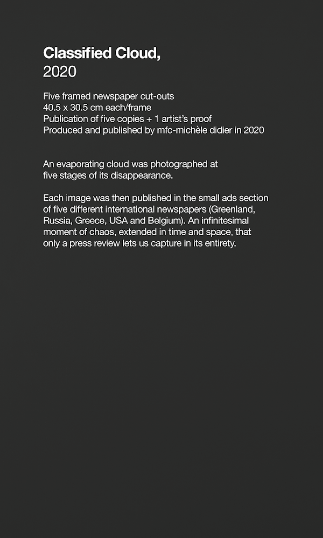
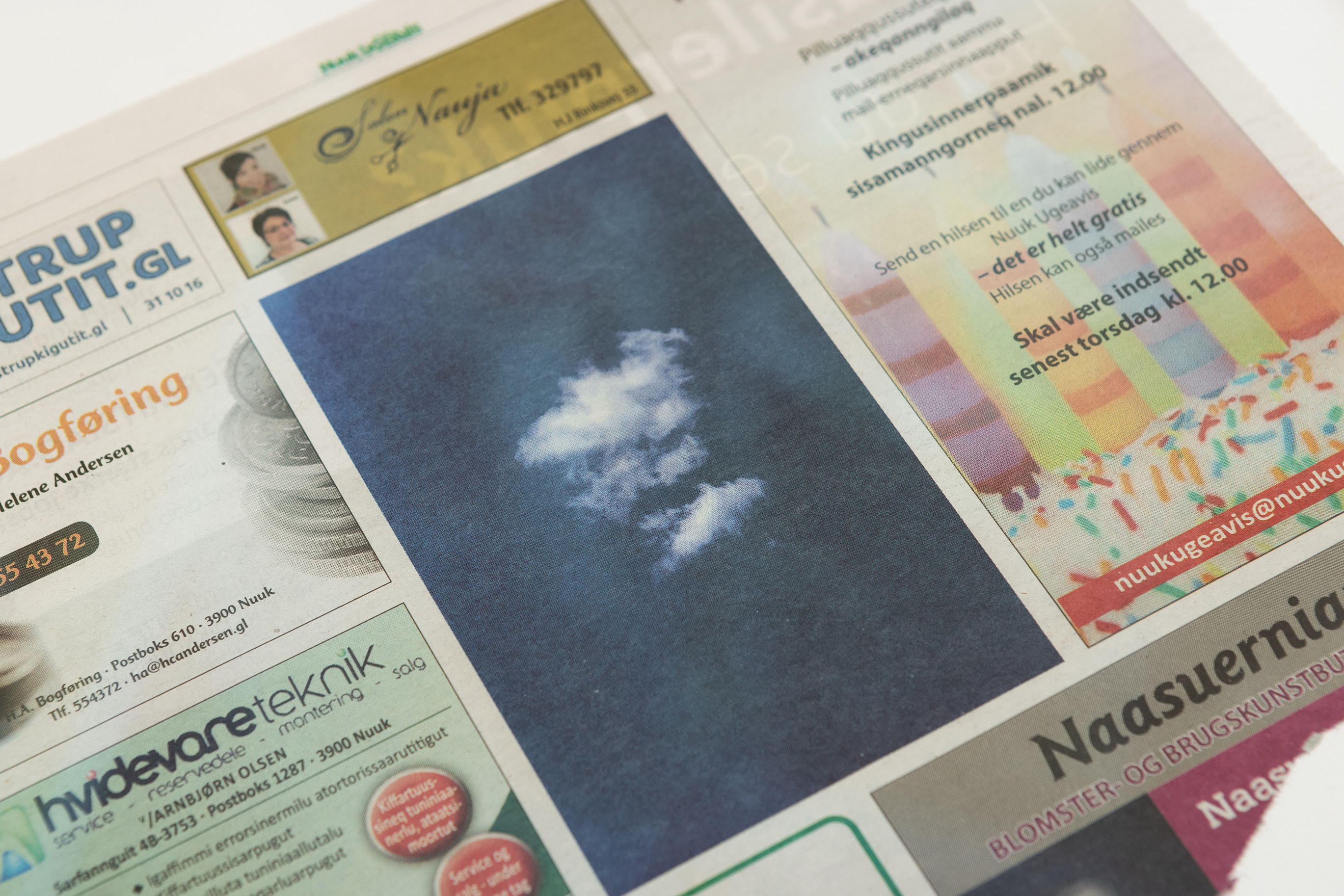
5 newspaper clippings, framed
15.75 x 11.81 in ( 40,5 x 30,5 cm )
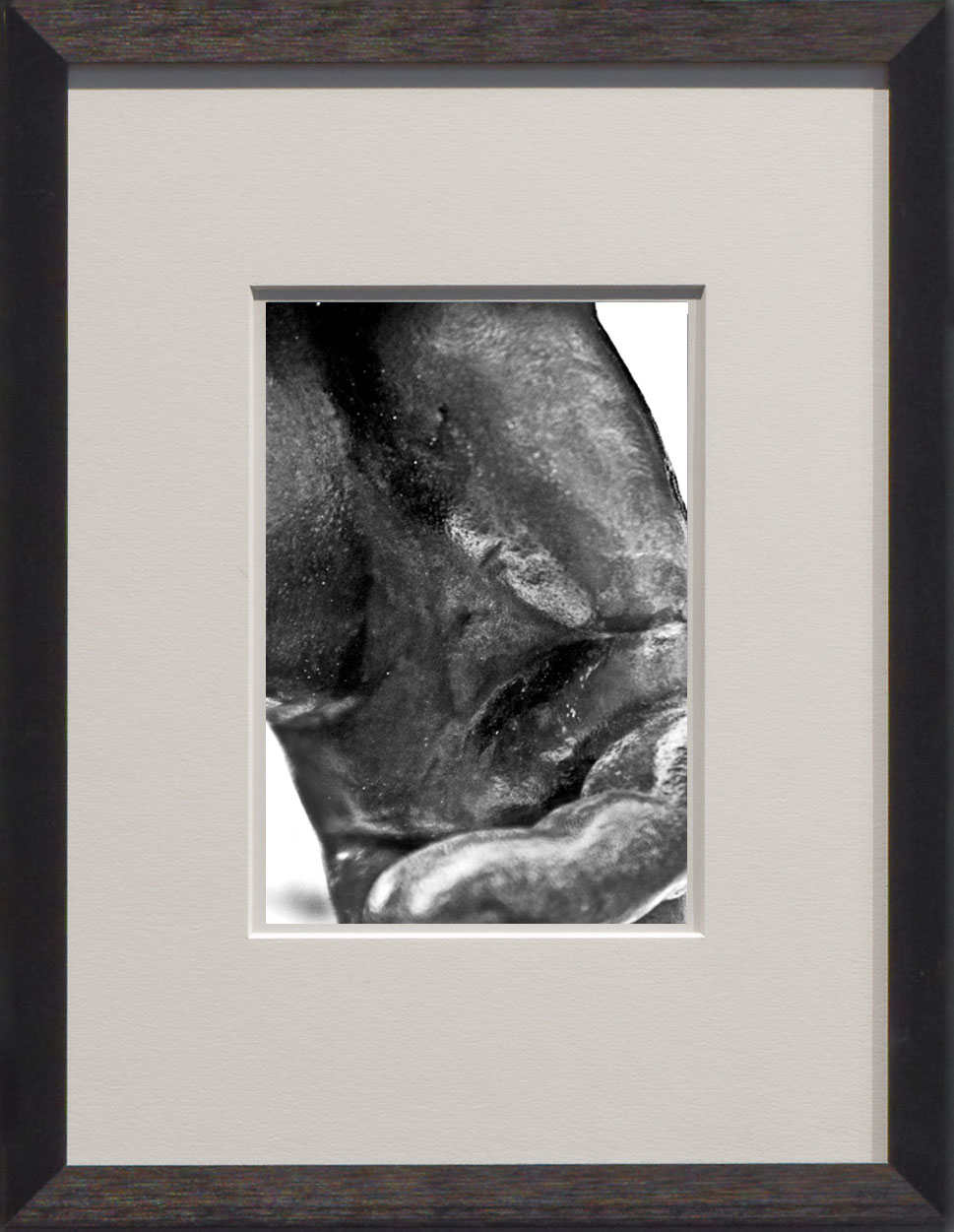
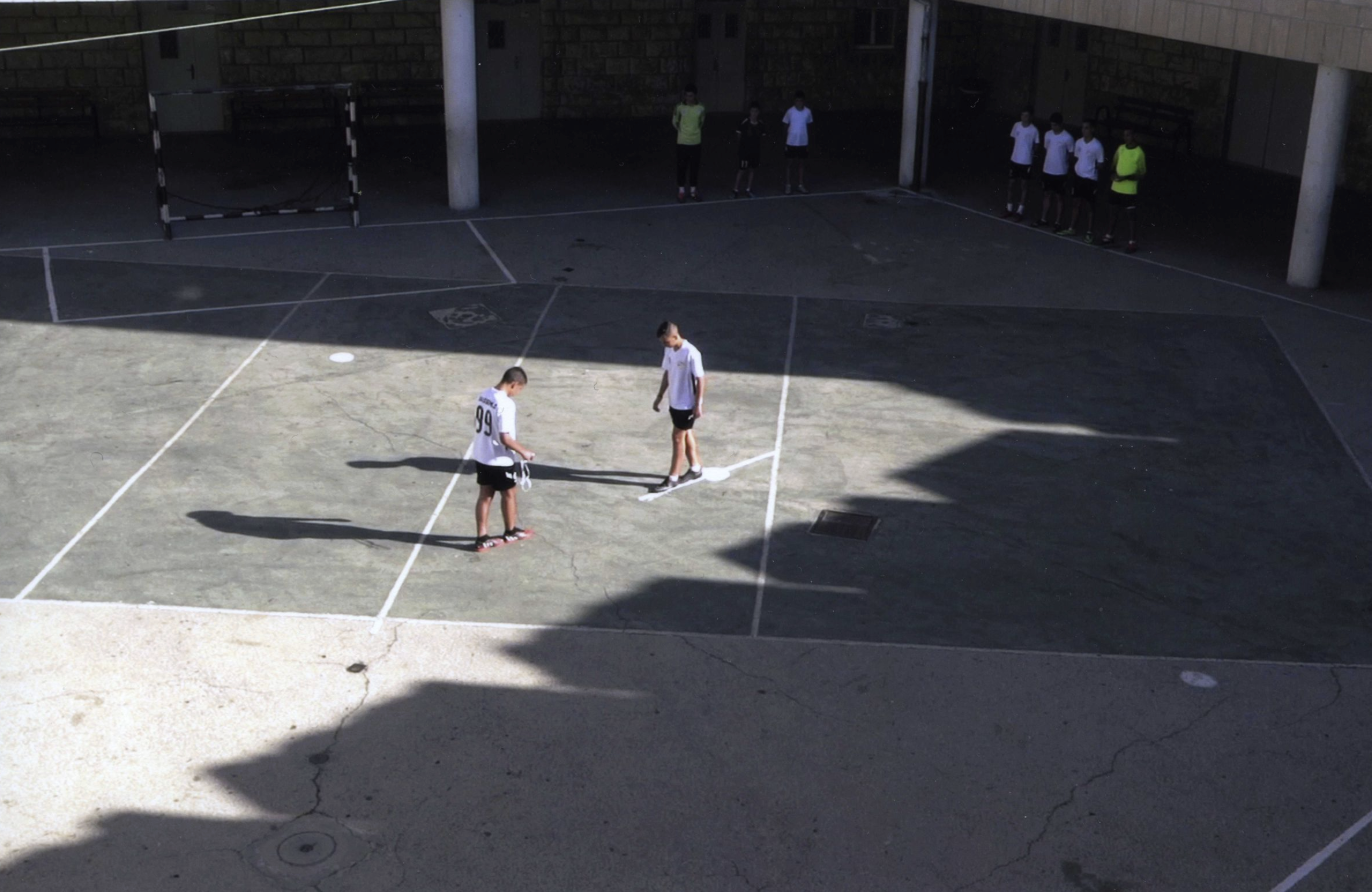
Black and white photograph, inkjet print
each 17.72 x 13.78 in
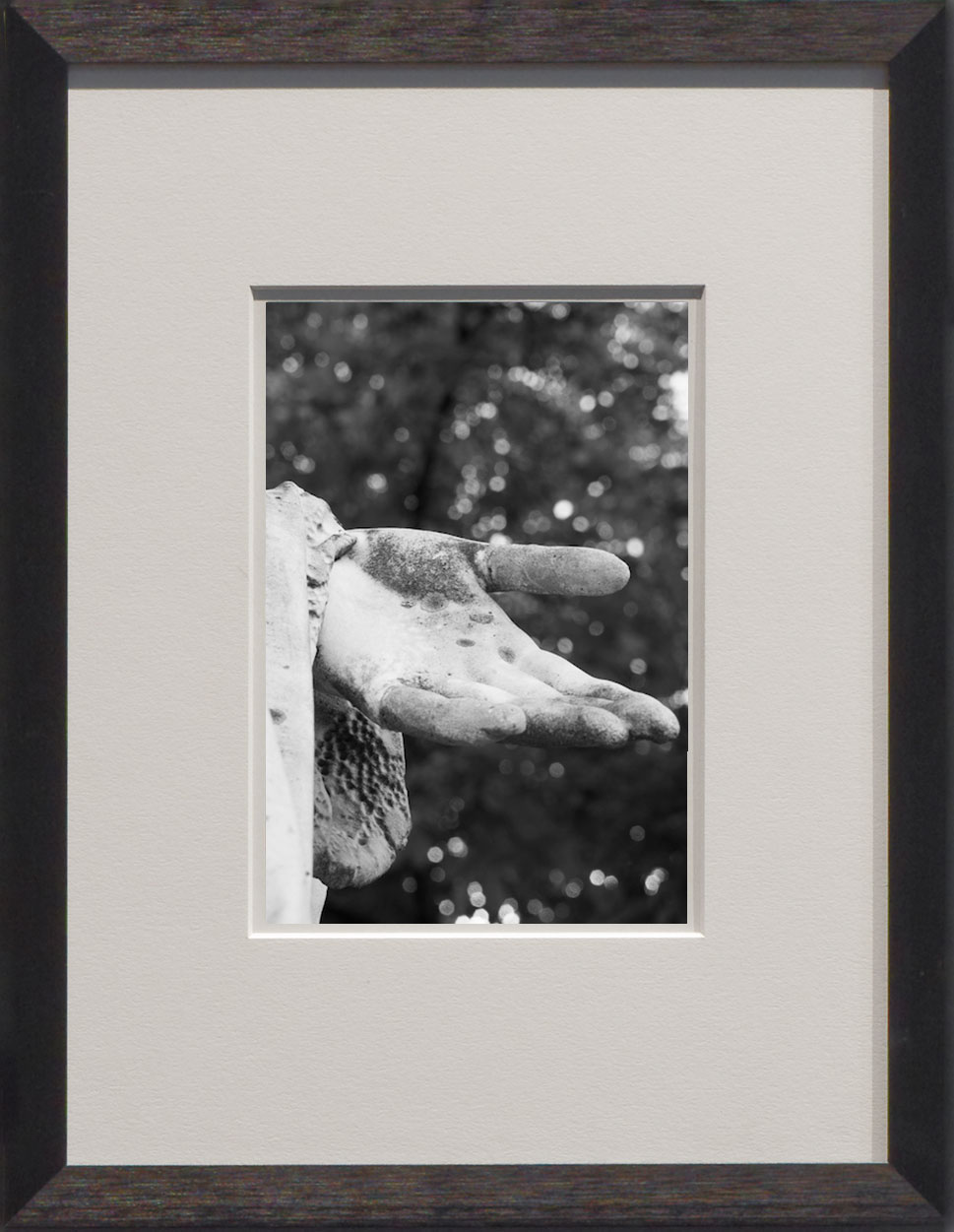
Black and white photograph, Inkjet print
each 17.72 x 13.78 in
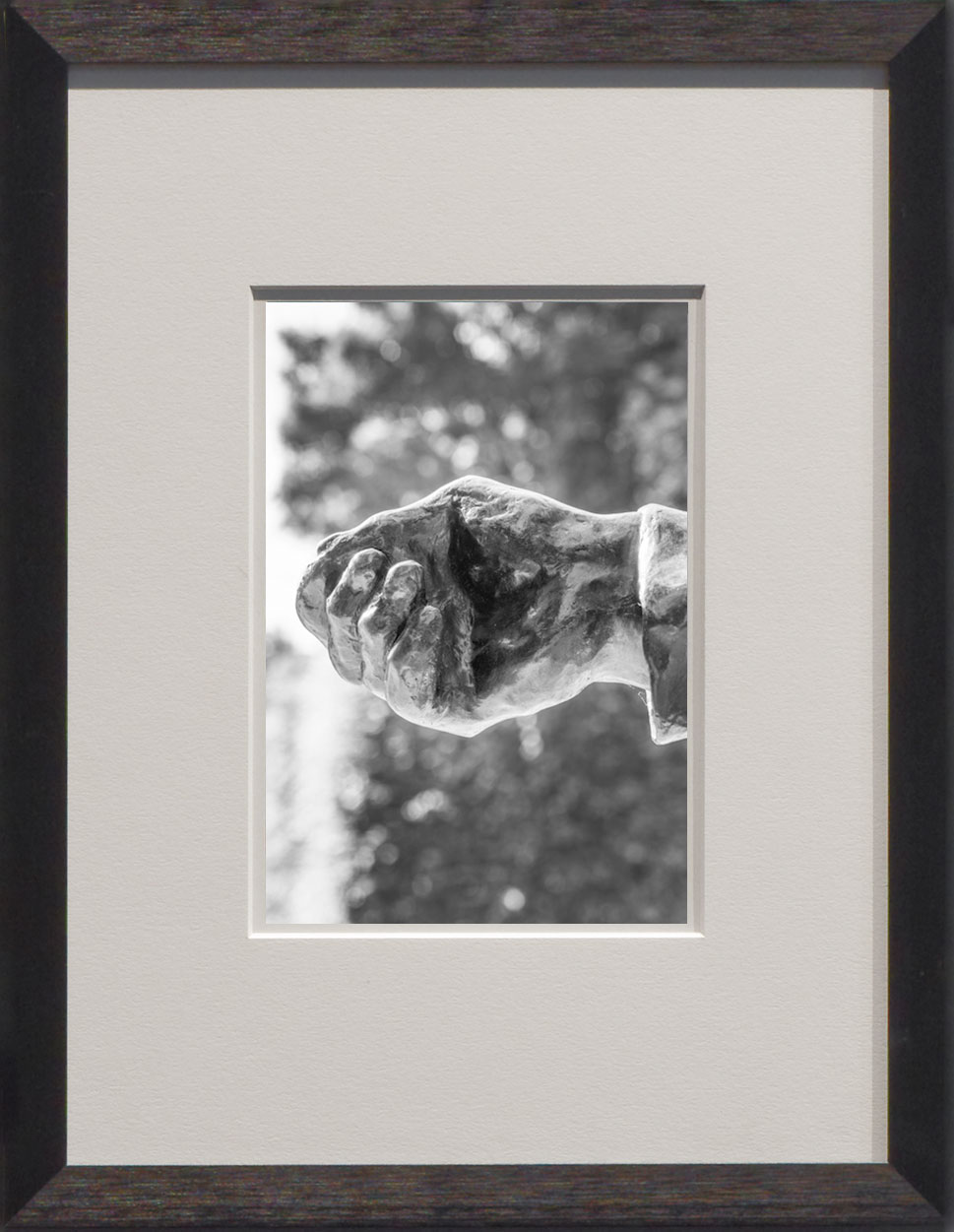
Black and white photograph, inkjet print
each 17.72 x 13.78 in
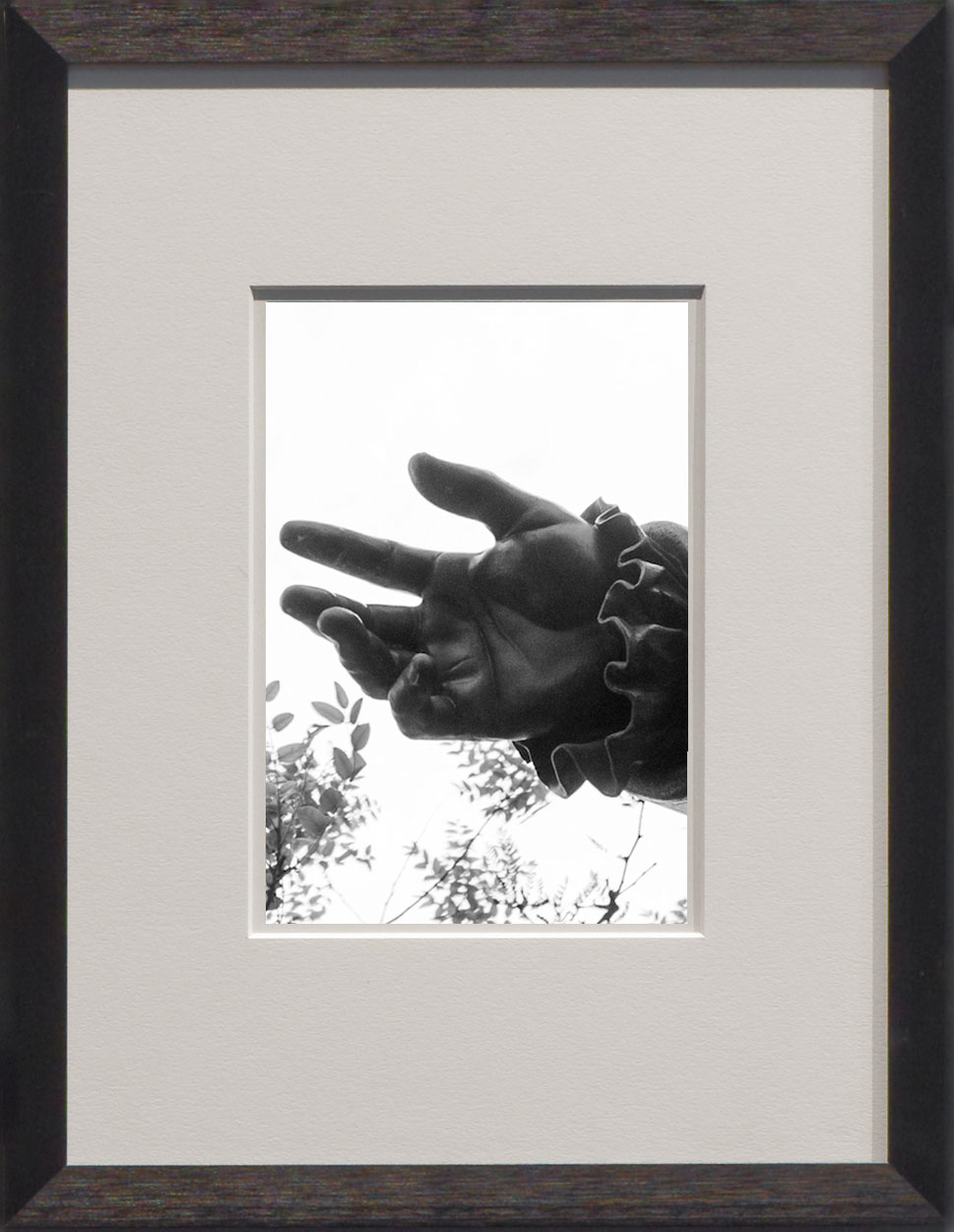
Black and white photograph, inkjet print
each 17.72 x 13.78 in
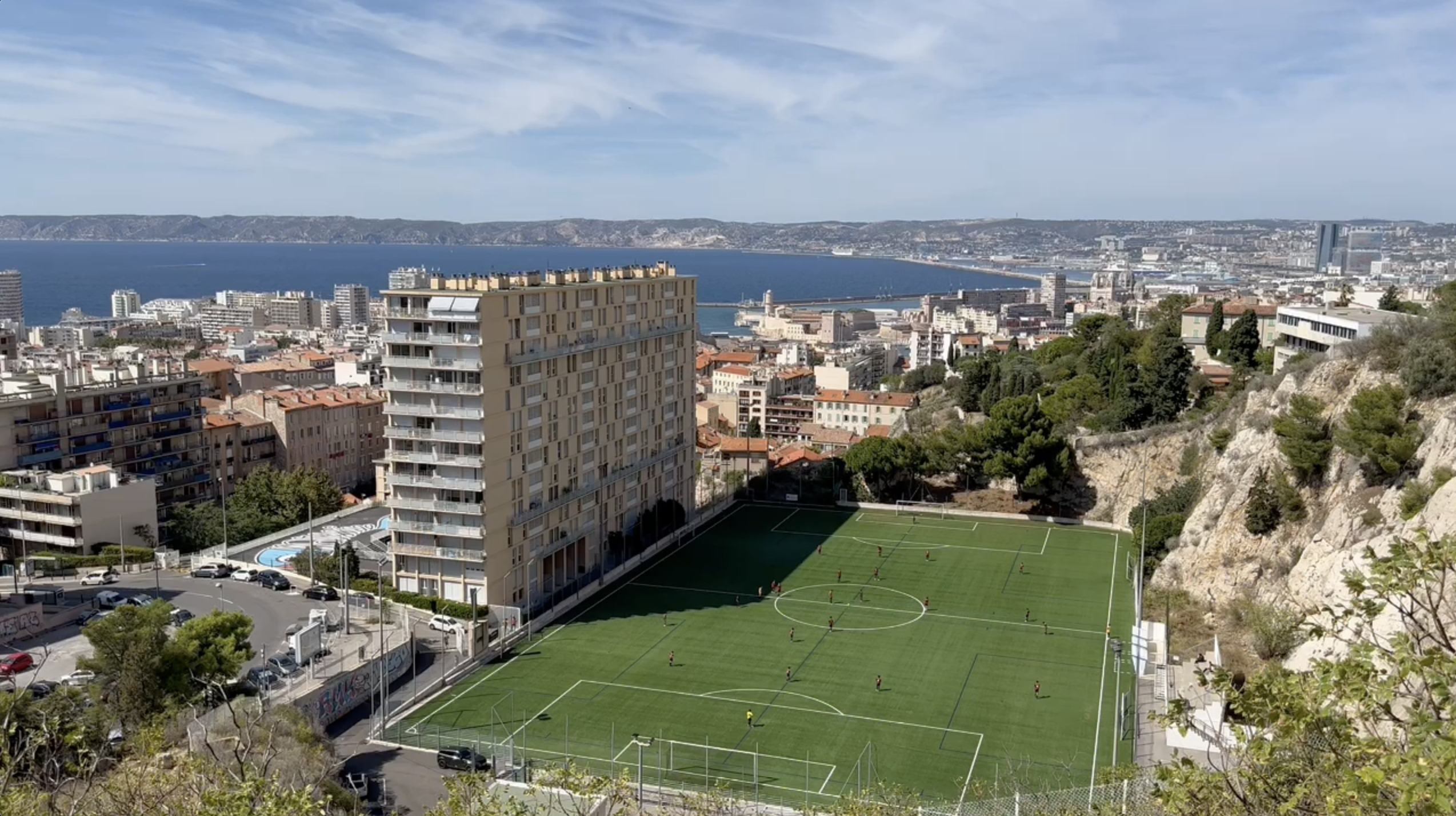
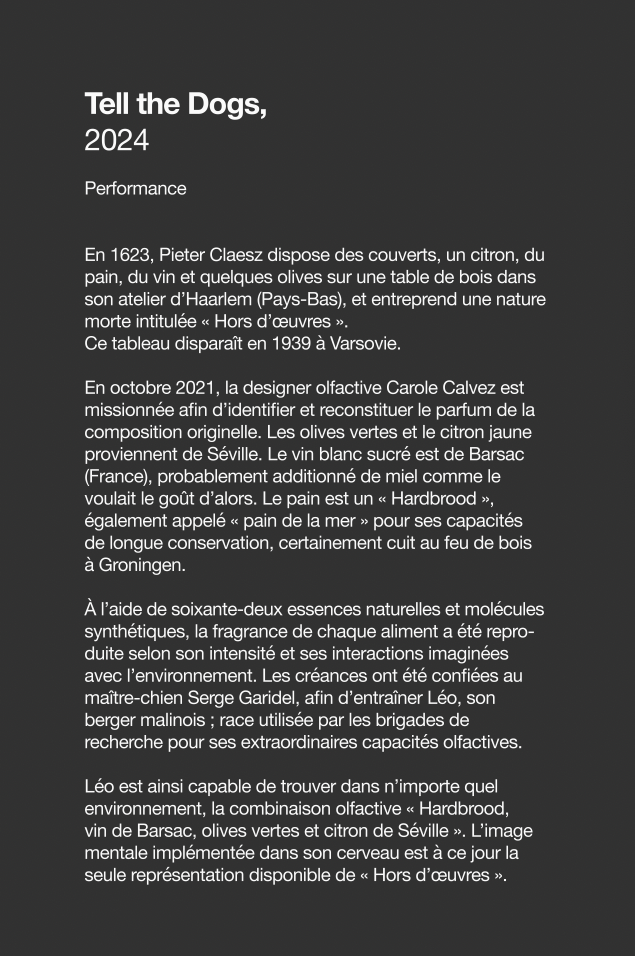
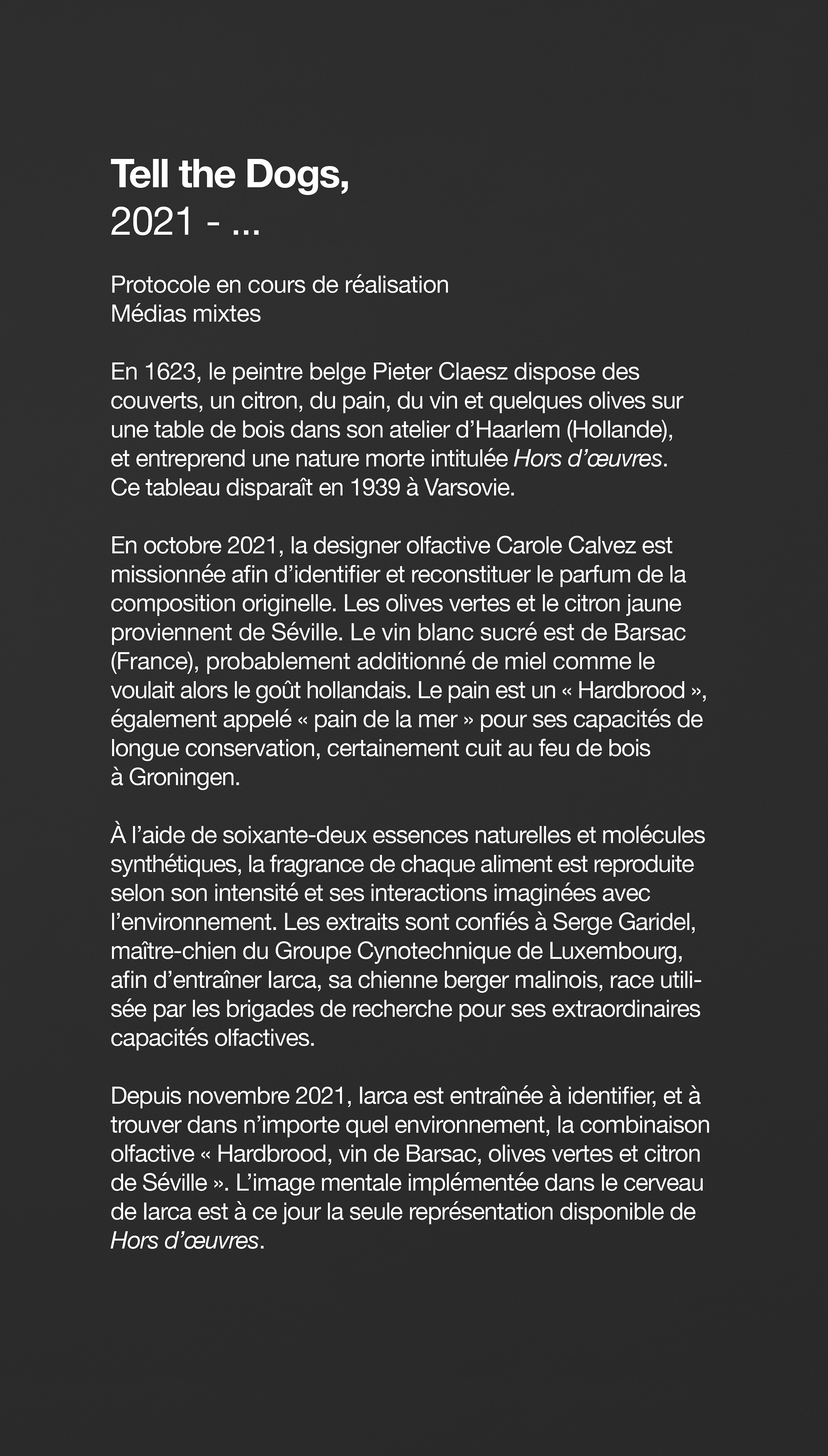
![Brognon Rollin - Tell the Dogs [Art Basel Paris]](/cspdocs/artwork/images/_brognon_rollin_tell_the_dogs_art_basel_paris_1_michele_didier_578.jpg)
![Tell the Dogs [Art Basel Paris] - Additional view](/cspdocs/artwork/portfolio/brognon_rollin_michele_didier_578_1.jpg)
![Tell the Dogs [Art Basel Paris] - Additional view](/cspdocs/artwork/portfolio/brognon_rollin_michele_didier_578_2.jpg)
![Tell the Dogs [Art Basel Paris] - Additional view](/cspdocs/artwork/portfolio/brognon_rollin_michele_didier_578_3.jpg)
![Tell the Dogs [Art Basel Paris] - Additional view](/cspdocs/artwork/portfolio/brognon_rollin_michele_didier_578_4.jpg)
![Tell the Dogs [Art Basel Paris] - Additional view](/cspdocs/artwork/portfolio/brognon_rollin_michele_didier_578_5.jpg)
![Tell the Dogs [Art Basel Paris] - Additional view](/cspdocs/artwork/portfolio/brognon_rollin_michele_didier_578_6.jpg)
![Tell the Dogs [Art Basel Paris] - Additional view](/cspdocs/artwork/portfolio/brognon_rollin_michele_didier_578_7.jpg)
![Tell the Dogs [Art Basel Paris] - Additional view](/cspdocs/artwork/portfolio/brognon_rollin_michele_didier_578_8.jpg)
9 colour panels + 9 black text panels
9.45 x 7.09 in ( 24 x 18 cm )