Hubert Renard
Born in 1965. Lives and works in Paris.
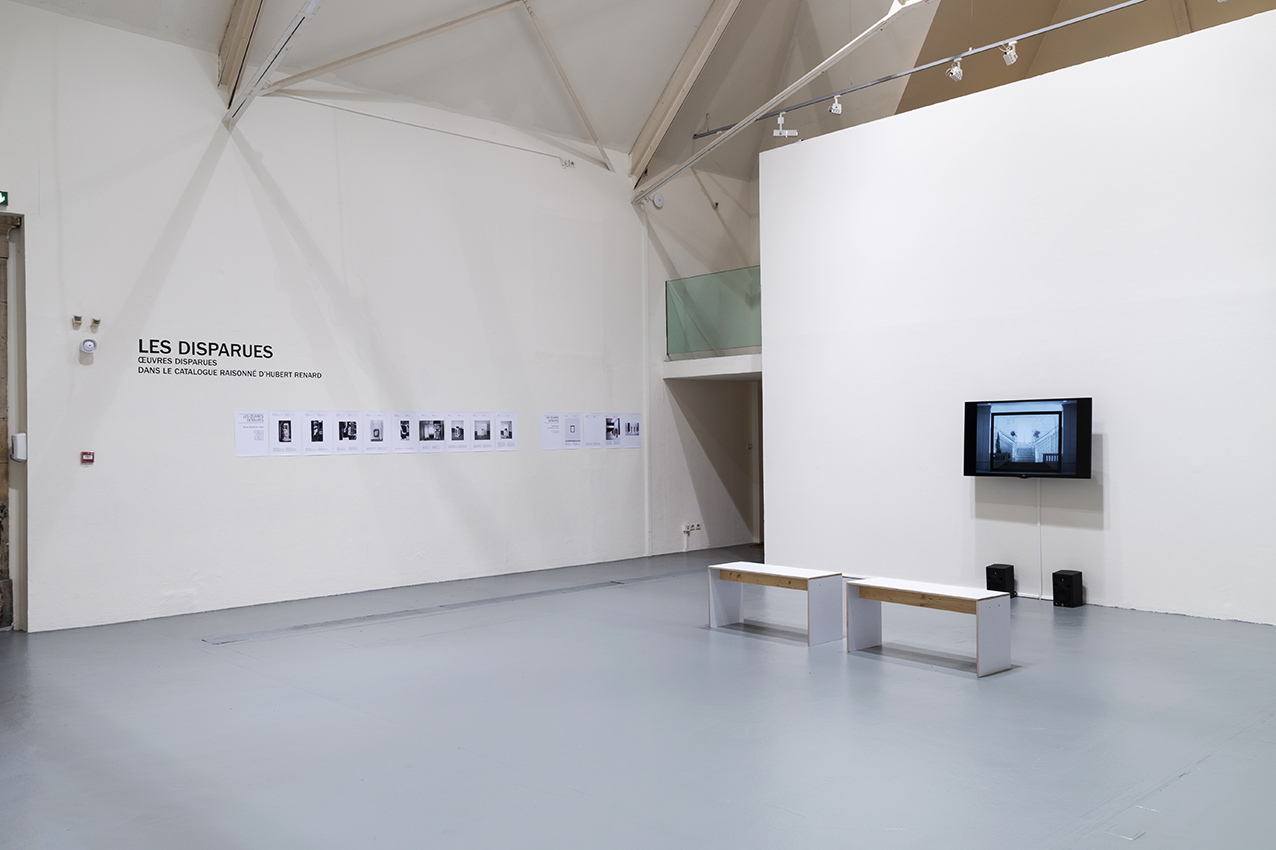
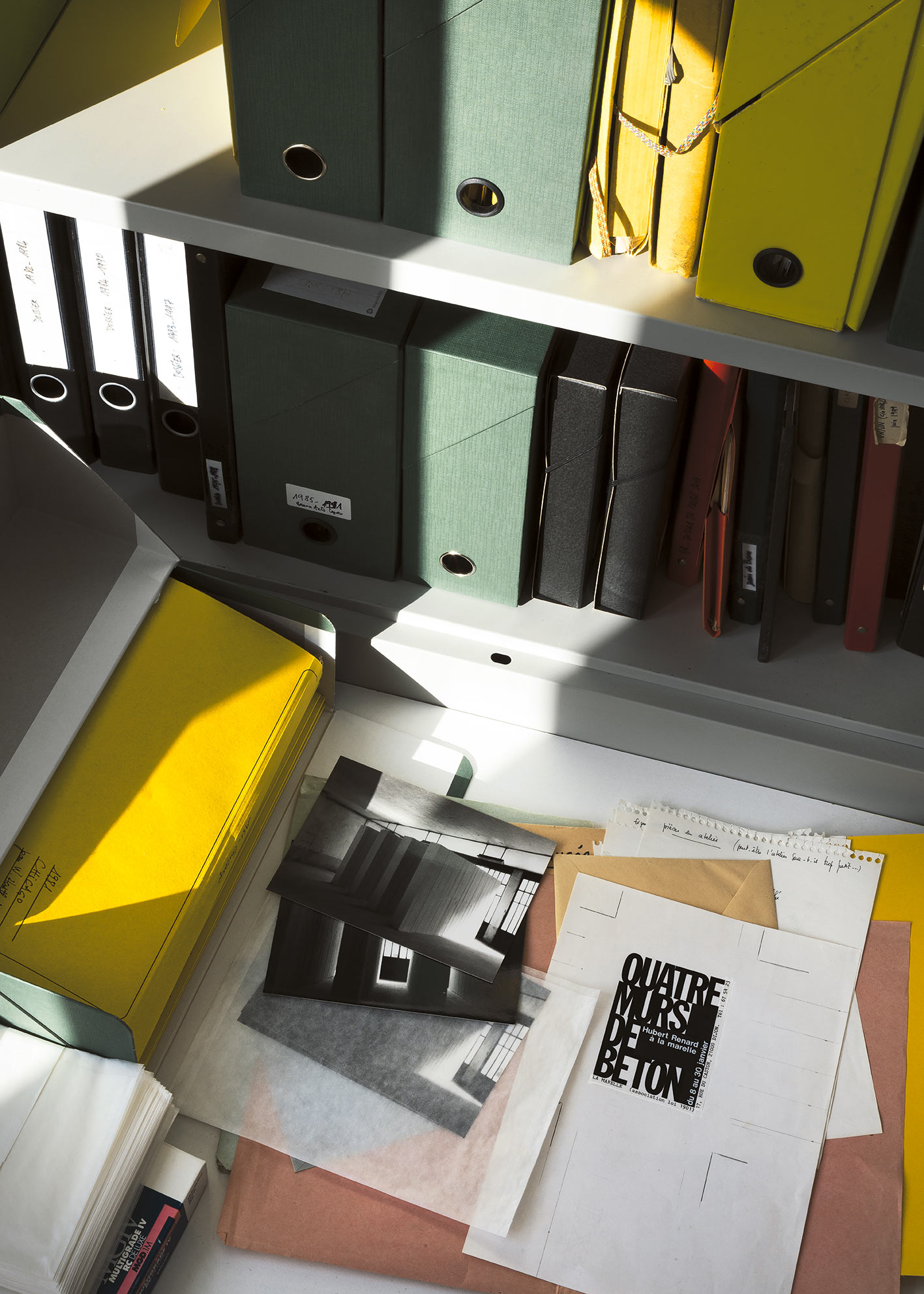
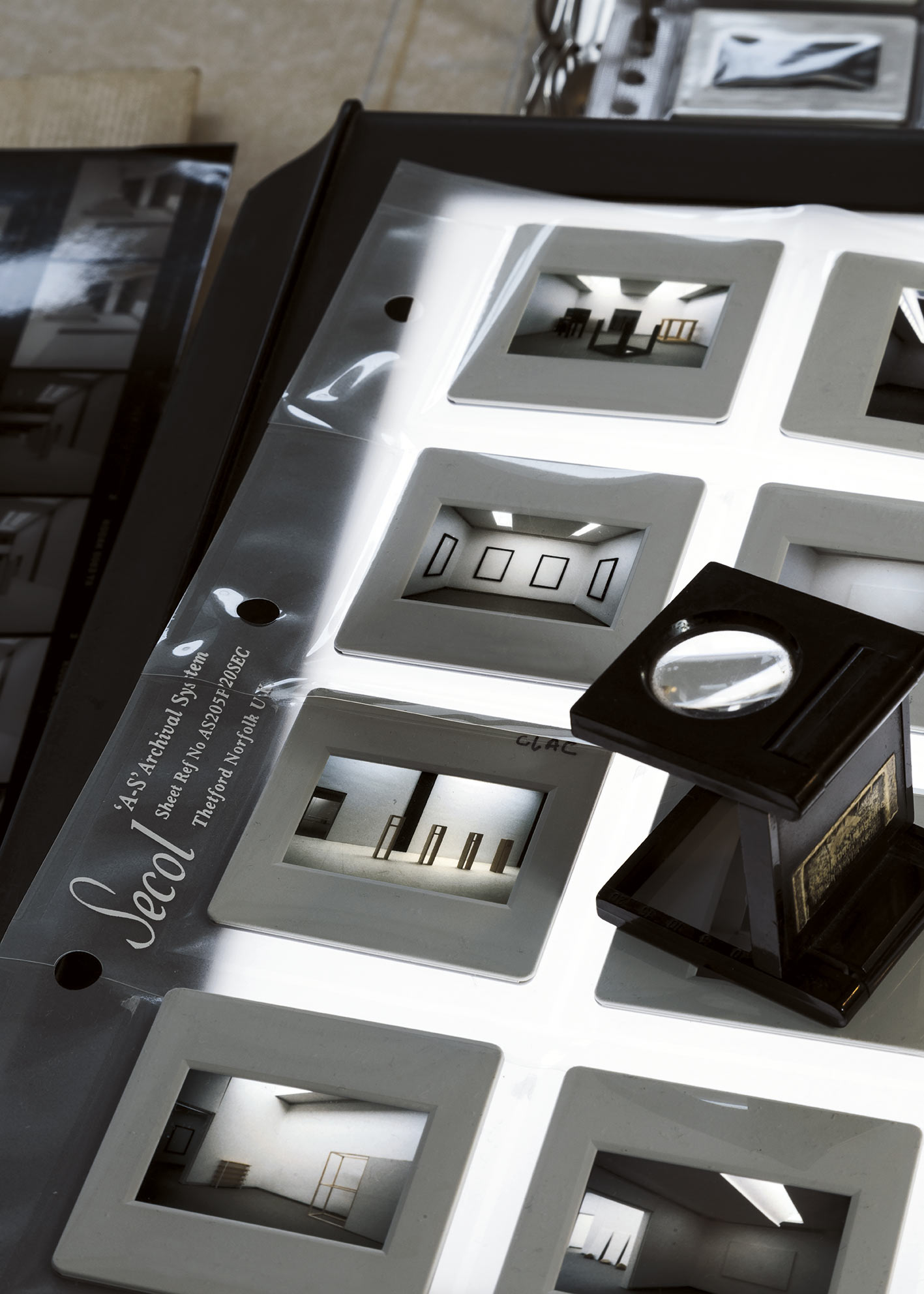
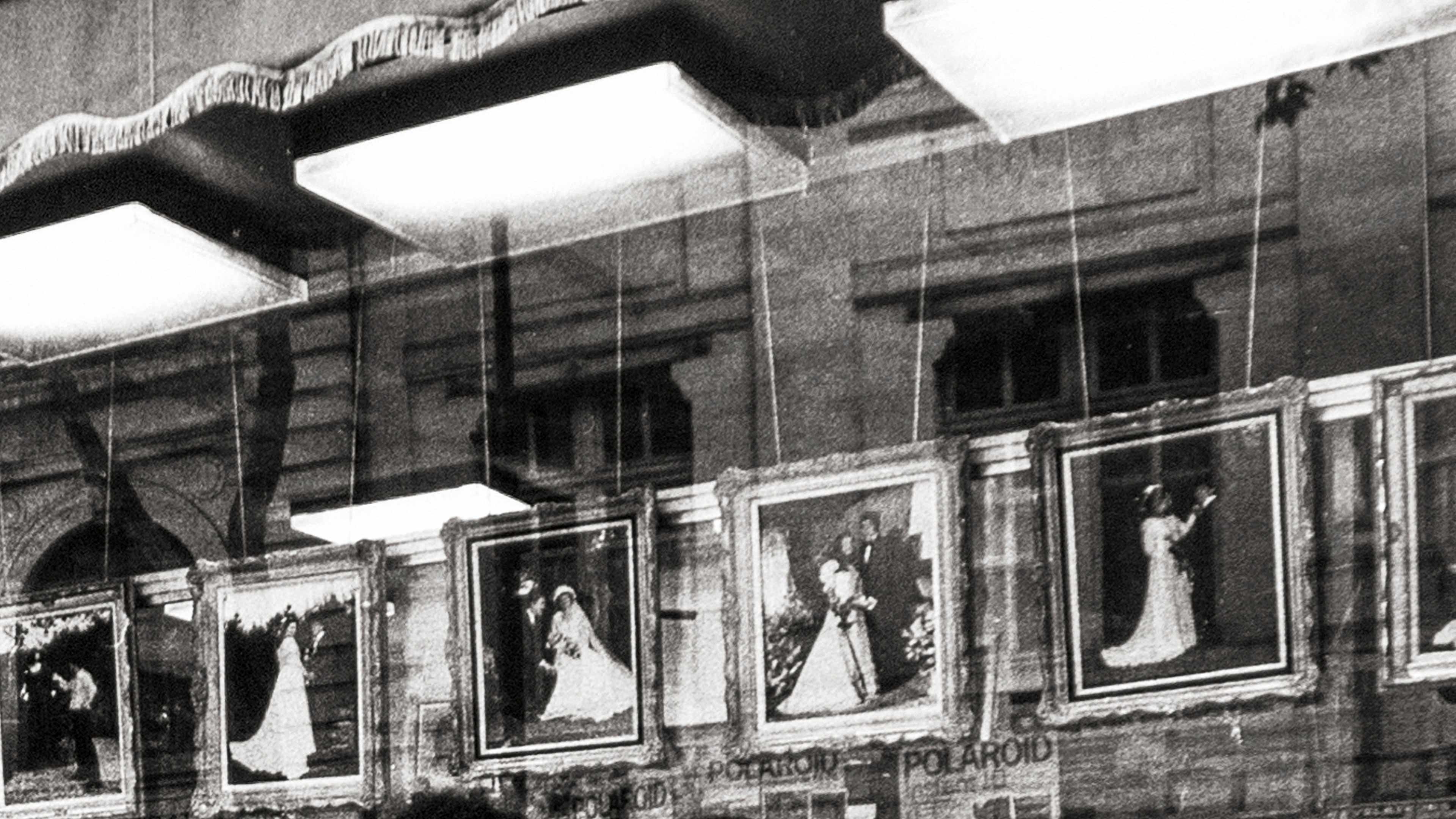
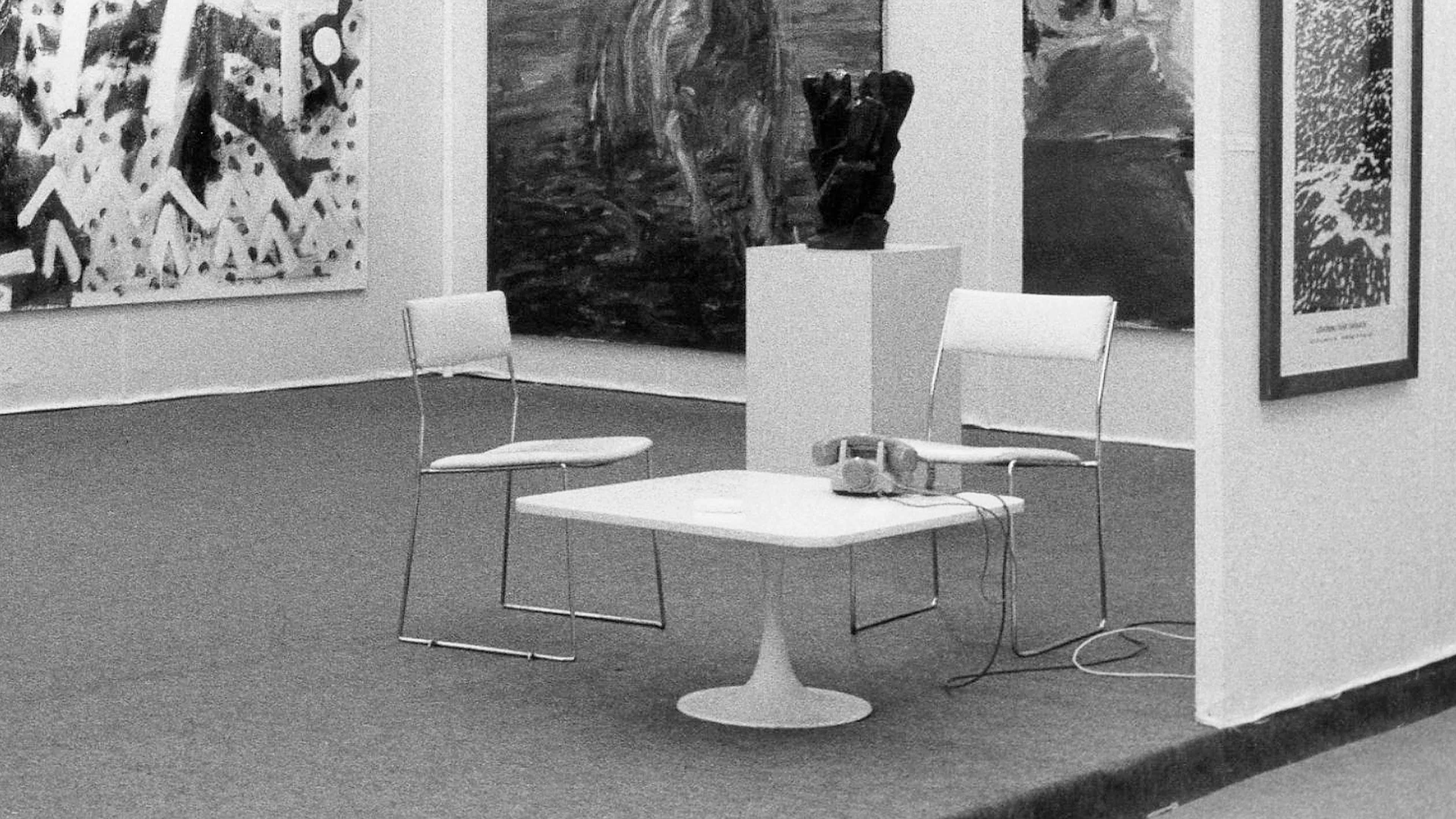
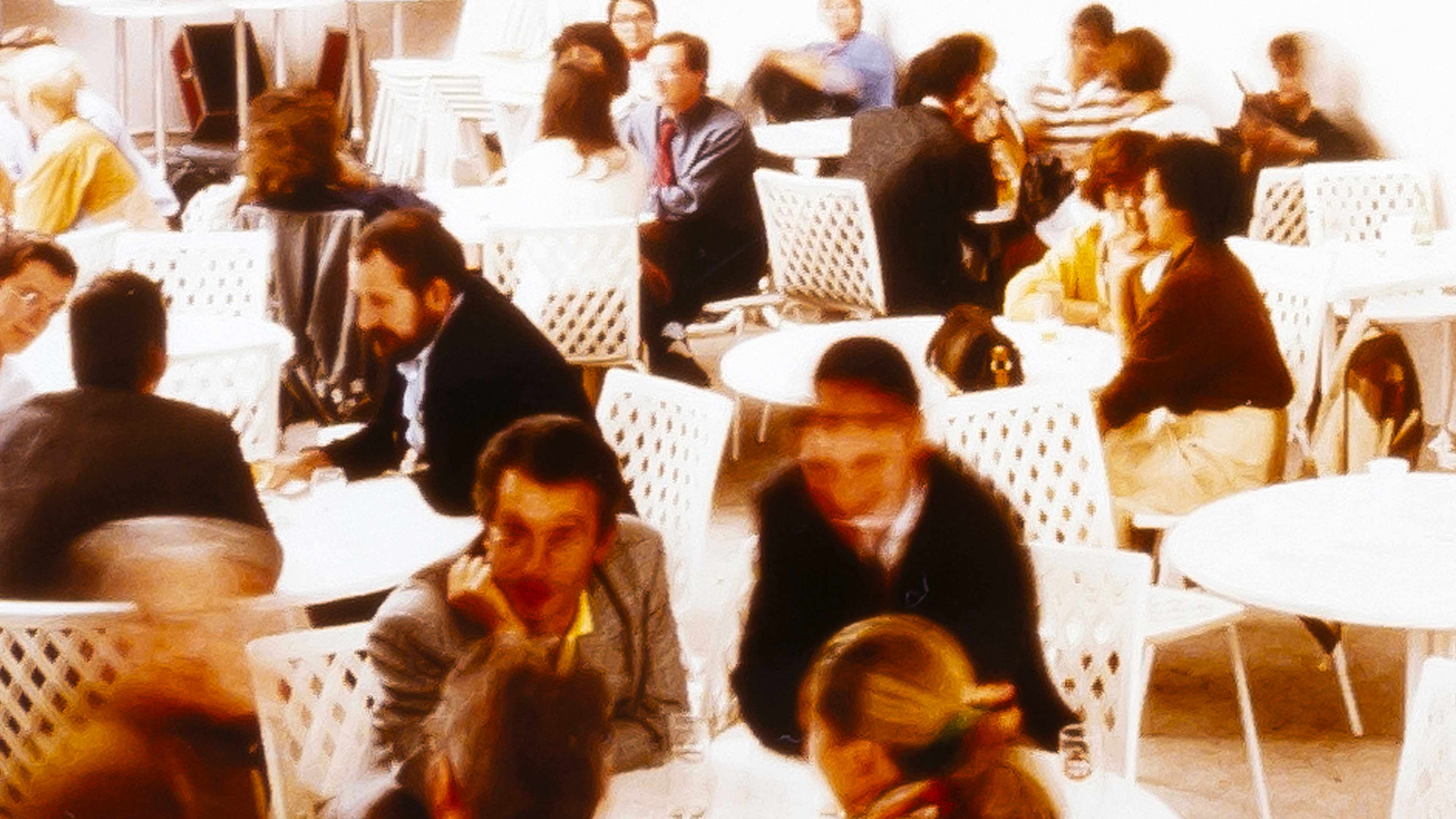
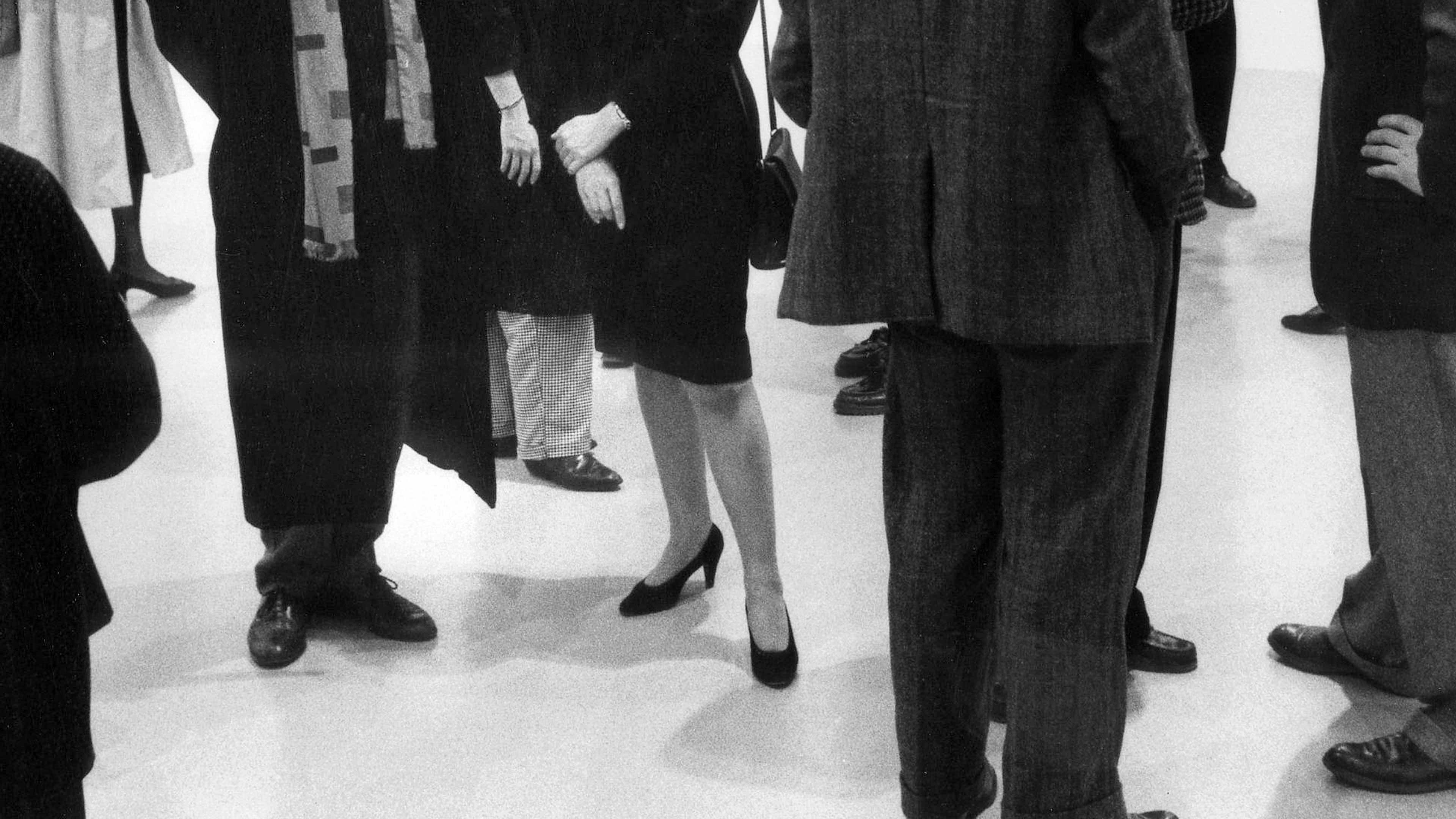
Hubert Renard sets up devices that question the uses of the art world, revealing the different aspects of what could be called exhibition literature. His work largely consists of documentation (published or not) in the form of catalogs, posters, invitation cards, photographs of exhibitions, openings, installations, press articles, recordings of conferences, epistolary documents, etc., devoted to an artist whose reality is paradoxically established and questioned by this device and which is registered under the name Hubert Renard. He now uses this archive as material to continue his research.
Hubert Renard
Born in 1947 in Lyon. Disappeared in 1999.
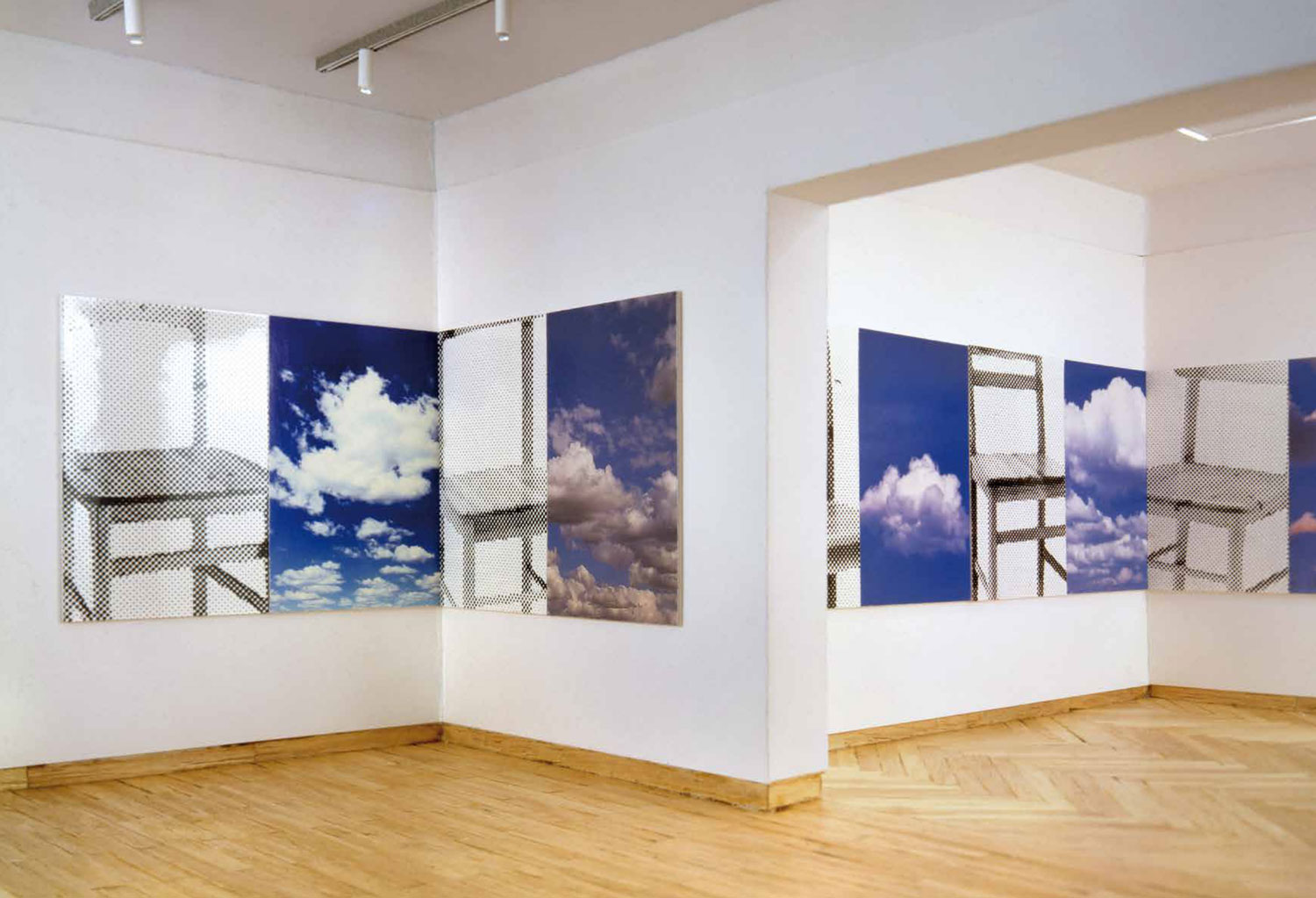
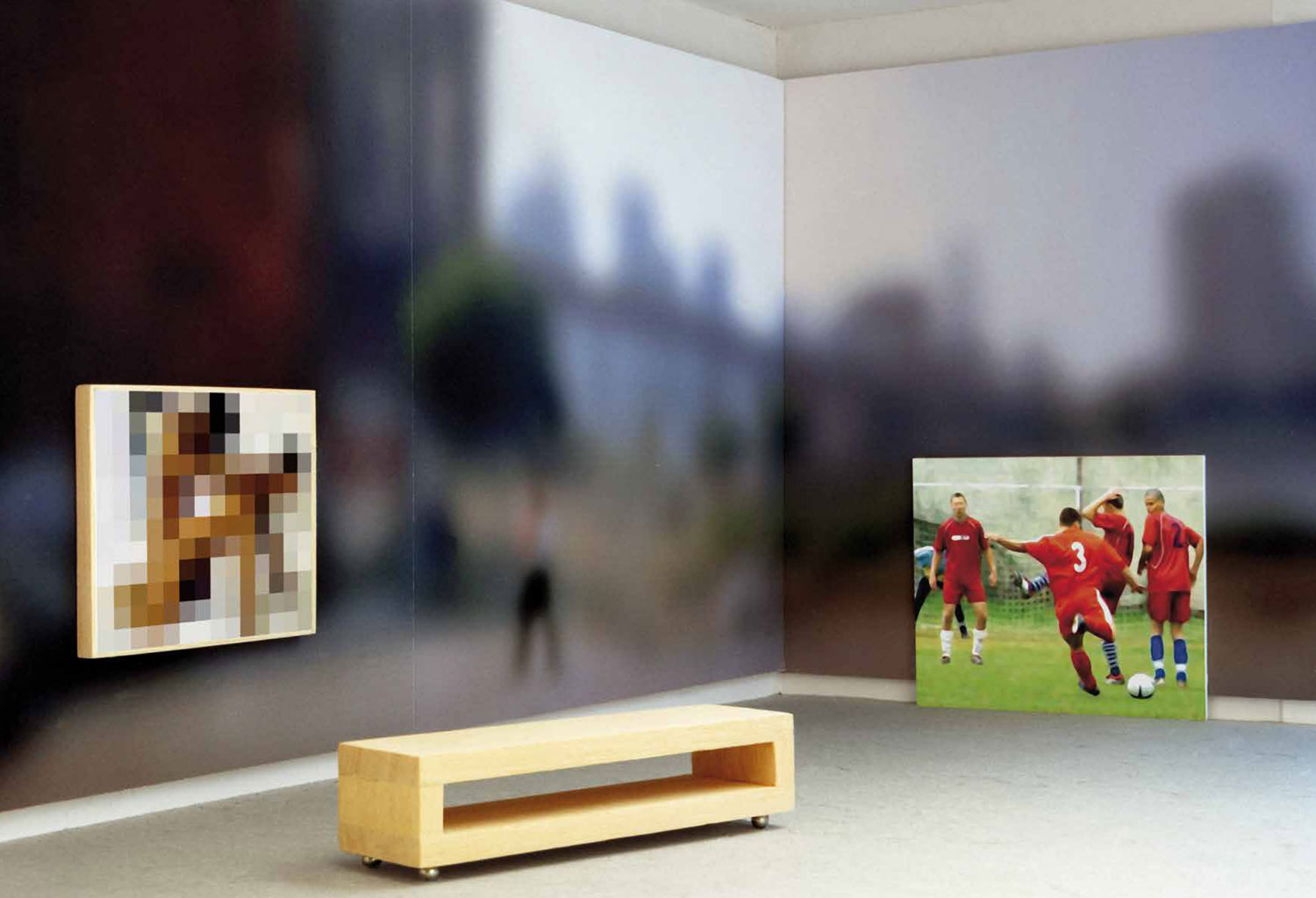
Since the 1970s, Hubert Renard has been practicing an art of in situ intervention, questioning the conditions of realization of the work of art, first through the motif of the black and empty frame, then by creating sculptures close to interior design, whose main ambition is to fill the space. From 1985, he became interested in the photographic practice, and more particularly in its character of reproduction of the real world. He questions the particular regime of contemporary images and takes a cautious look at some iconic images of our time. His devices focus on the perception of reality, the distance between representation and simulation, and on the different effects of the sensible.
Artist's statement by Hubert Renard
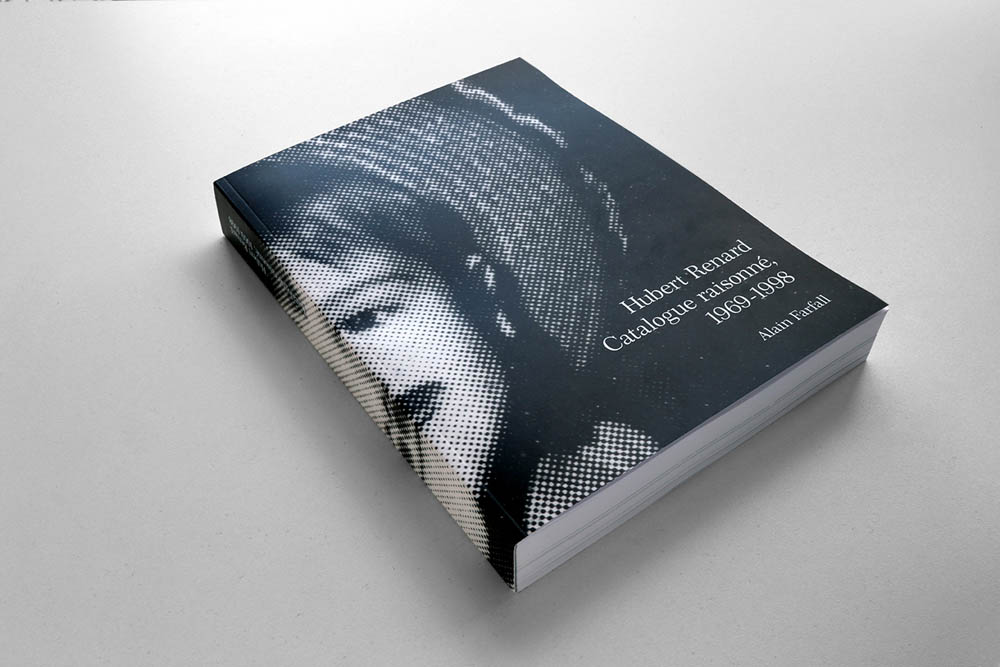
‘For many years, my work has focused on bringing to life the body of work of an artist who shares my name and who lived and worked at the end of the 20th century, some ten years before me, by patiently and methodically compiling his archives. Exhibition photographs, invitations to private viewings, press articles, exhibition catalogues – all the traces that attest to the existence of a body of work, apart from the artwork itself, have been produced, edited and invented from scratch. Until the publication in 2021 by mfc-michèle didier of the catalogue raisonné of this body of work—a scholarly and exhaustive volume that catalogues and authenticates the artist's complete oeuvre. These archives trace a career that followed the trends and spirit of his time, making Hubert Renard an average artist and an ordinary man: he may not be a major figure in the art world, but he is always ‘in vogue'. This work existed in the real world only as a miniature model, to be photographed, before disappearing physically, obliterating any material object in favour of documents, archives, testimonies and narratives. It therefore takes the form of documentary exhibitions, publications and lectures: there are no artworks, only reproductions, commentaries and ekphrasis. In recent years, Hubert Renard has ceased to produce, either because he has withdrawn from the art world, or because he is dead – no one knows for sure. Nevertheless, I continue to use his archives in various projects, which allows me to keep exploring and challenging questions relating to the ontology of art, its modes of display, production and dissemination, its signature, its documentation, its discourses, its conservation, its disappearance… The ‘Croisements d'archives' project involves building bridges and imagining connections between two archives of different kinds: my own, which document the career of the fictional artist Hubert Renard, and fully identified, official historical archives.
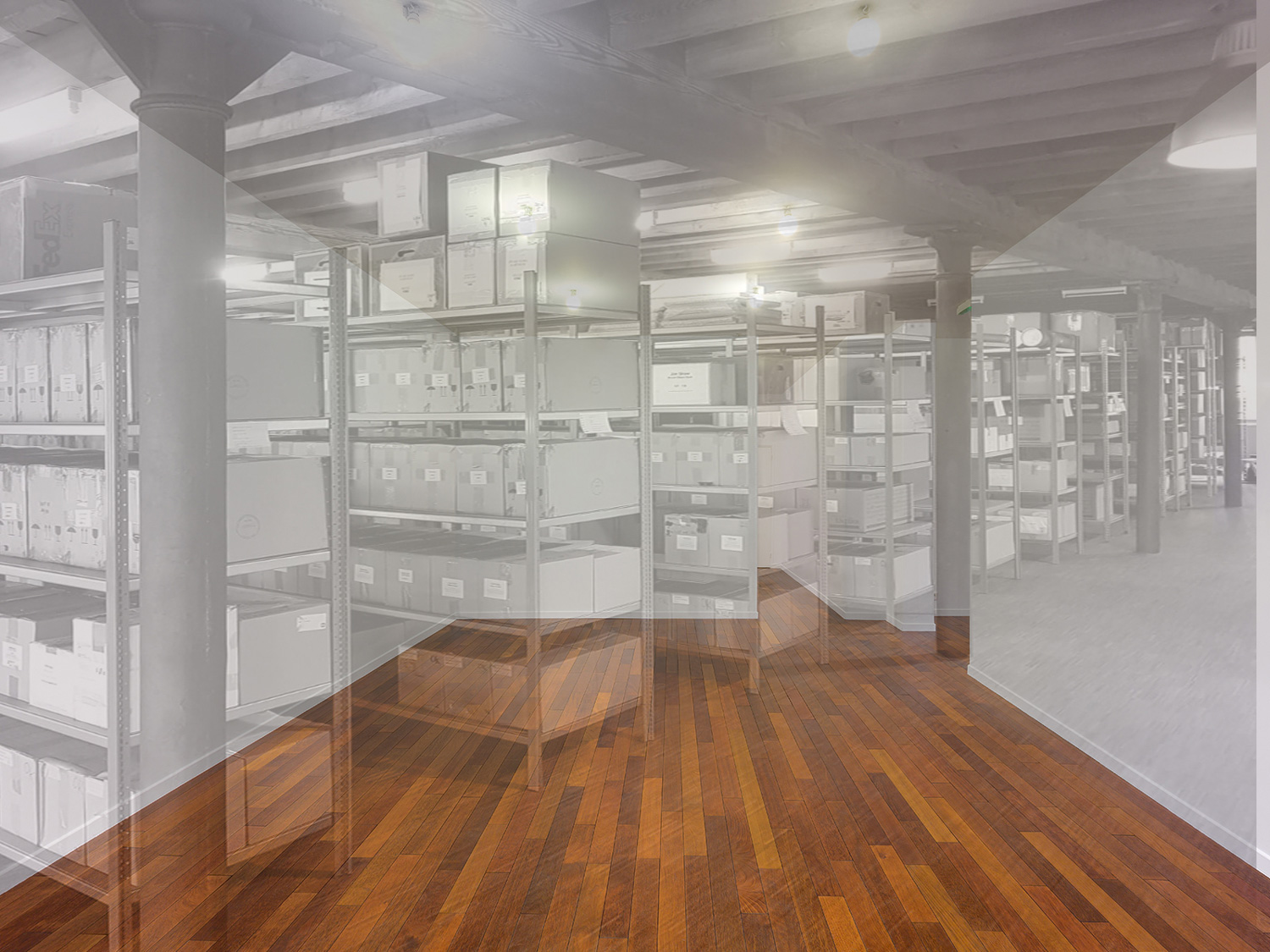
Identifying documents from one archive that provide information about the other, and vice versa. Blurring the lines between reality and fiction. I intend to carry out this research using institutional or private archives: museums, galleries, collectors, cultural institutions, and documentary collections held here and there. It will be necessary to explore the grey areas, the zones of uncertainty, and the gaps that all archives harbour. I am always surprised by how quickly memories fade. Even events that are sometimes recent harbour numerous uncertainties or omissions. It takes only a few years for records to become unidentifiable or for images to lose their context. And so one very quickly comes across lacunae.'
Ever since the creation of this double, Hubert Renard has set out to add credibility to it, to embody it in a form of reality, by providing tangible yet incomplete evidence of its existence, thereby making it familiar to us. He has constructed a whole system of evidence for his existence, creating around him an entire institutional and commercial network—both facsimile and real—centred on his work, critics, galleries and collectors; all these clues mirror the way in which an artist builds his legitimacy, and the catalogue raisonné will here, once again, add another brick to the edifice of his existence.
Beyond the documentation of the work, the project refers to the question of the construction of contemporary myths—which form a major part of art history—and equally to the manipulation of history in general. Initially understood as continuous and linear, history now appears even more as a perspective, a process constantly subject not only to critical reinterpretation but also to conscious or unconscious attempts to manipulate public opinion through rumours, propaganda, ‘fake news' and its retroactive continuity.
Artworks
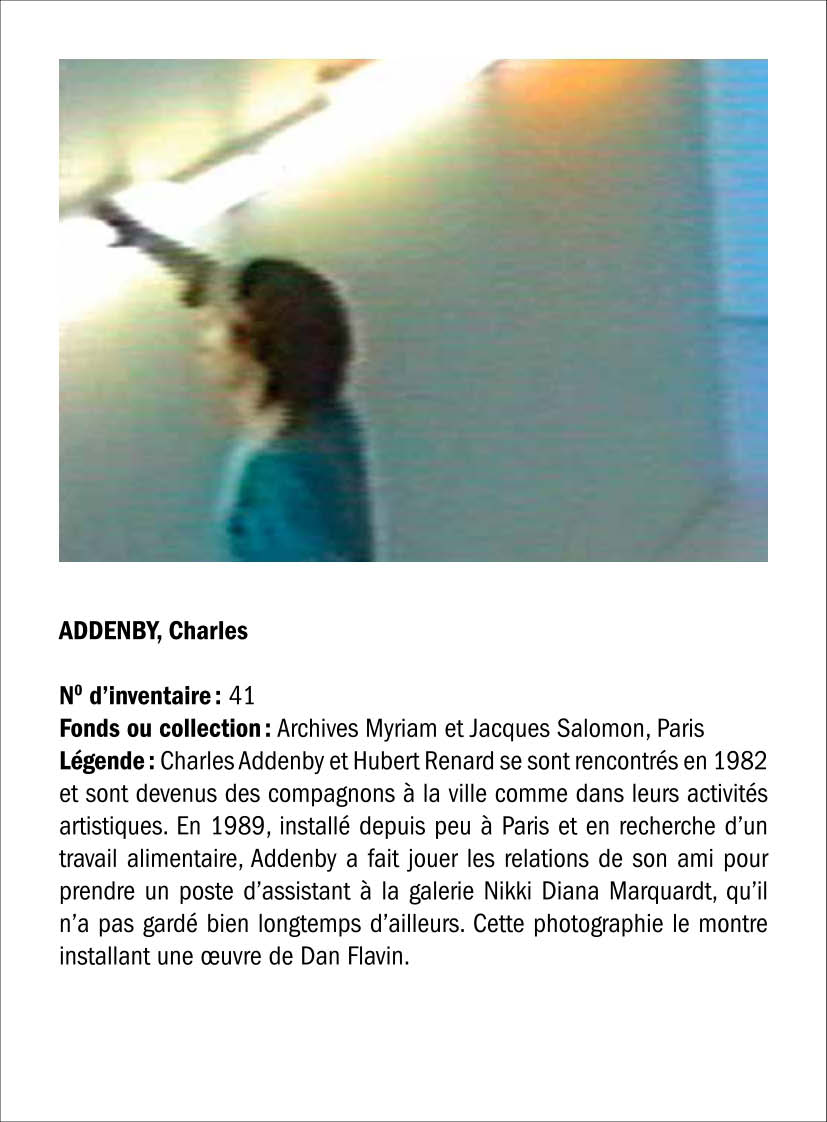
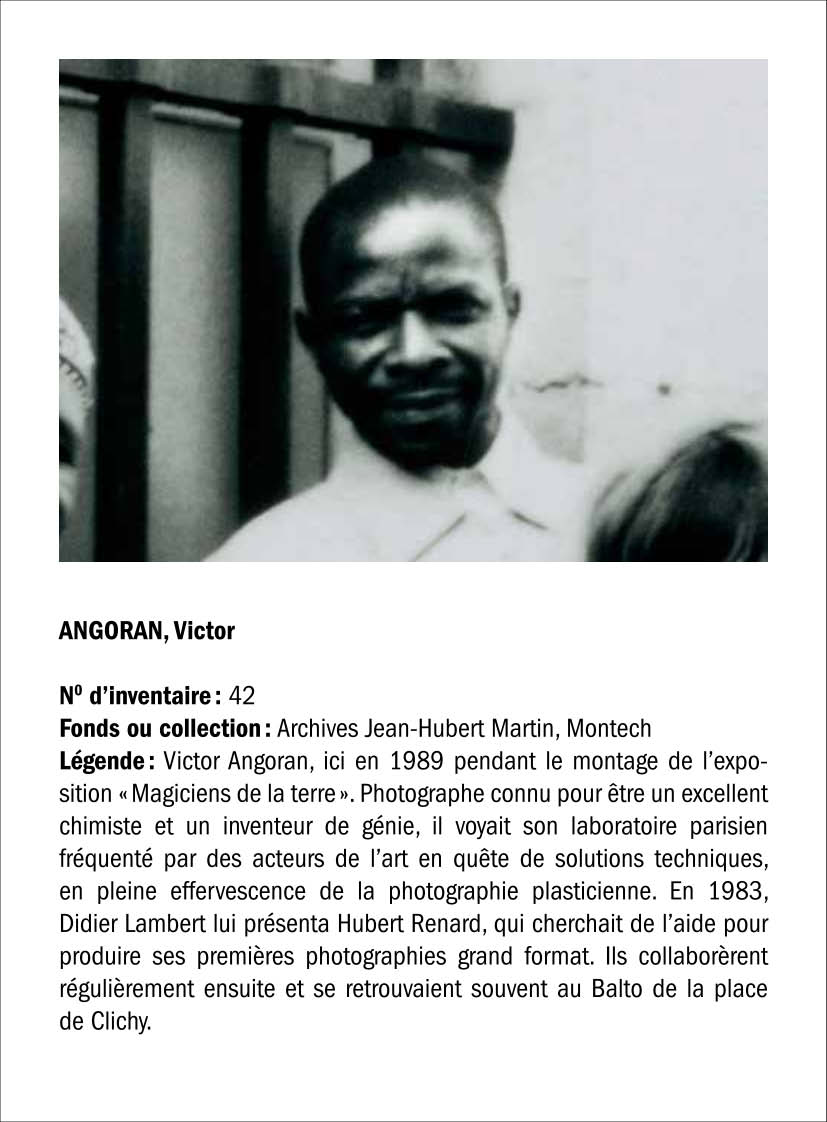
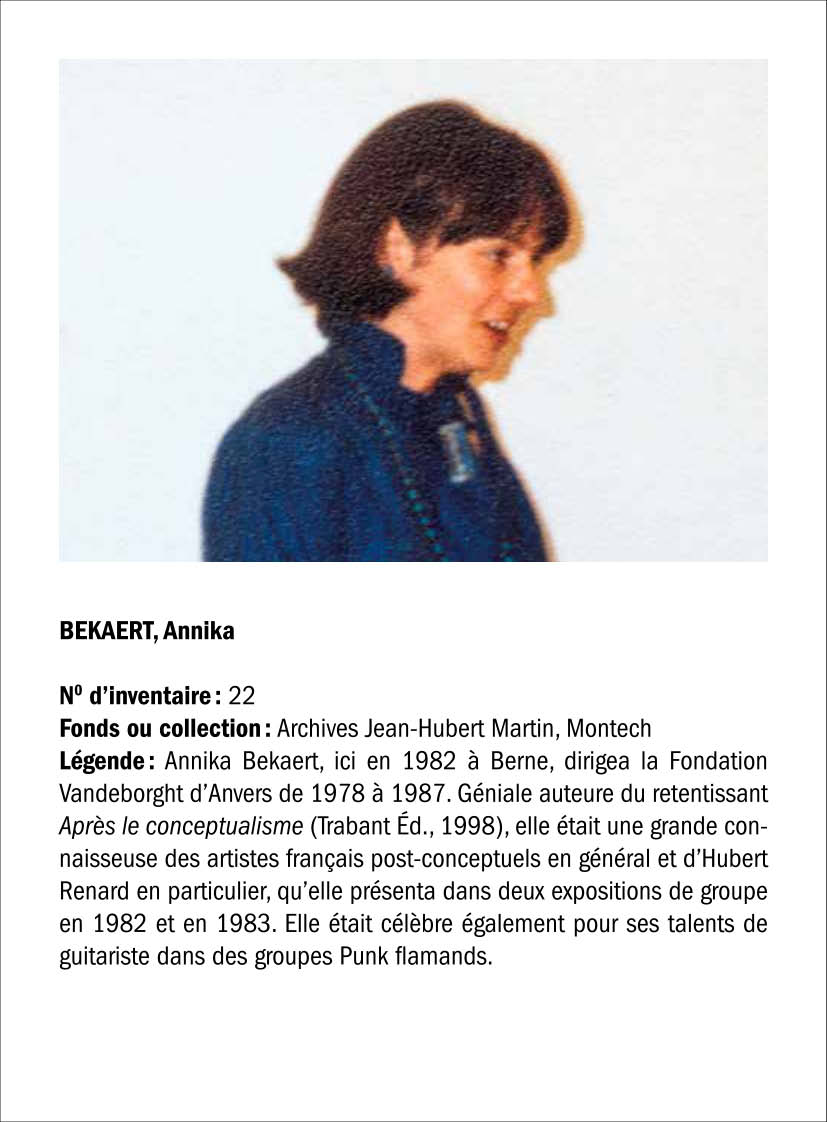
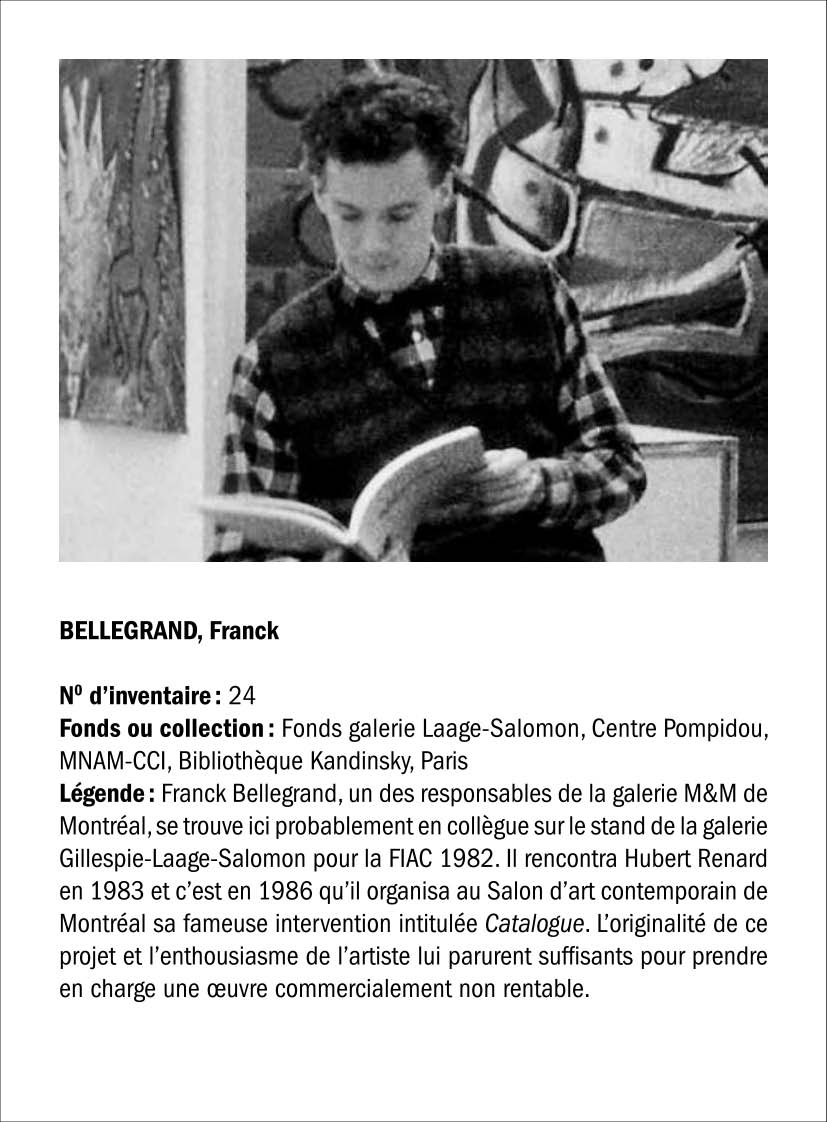
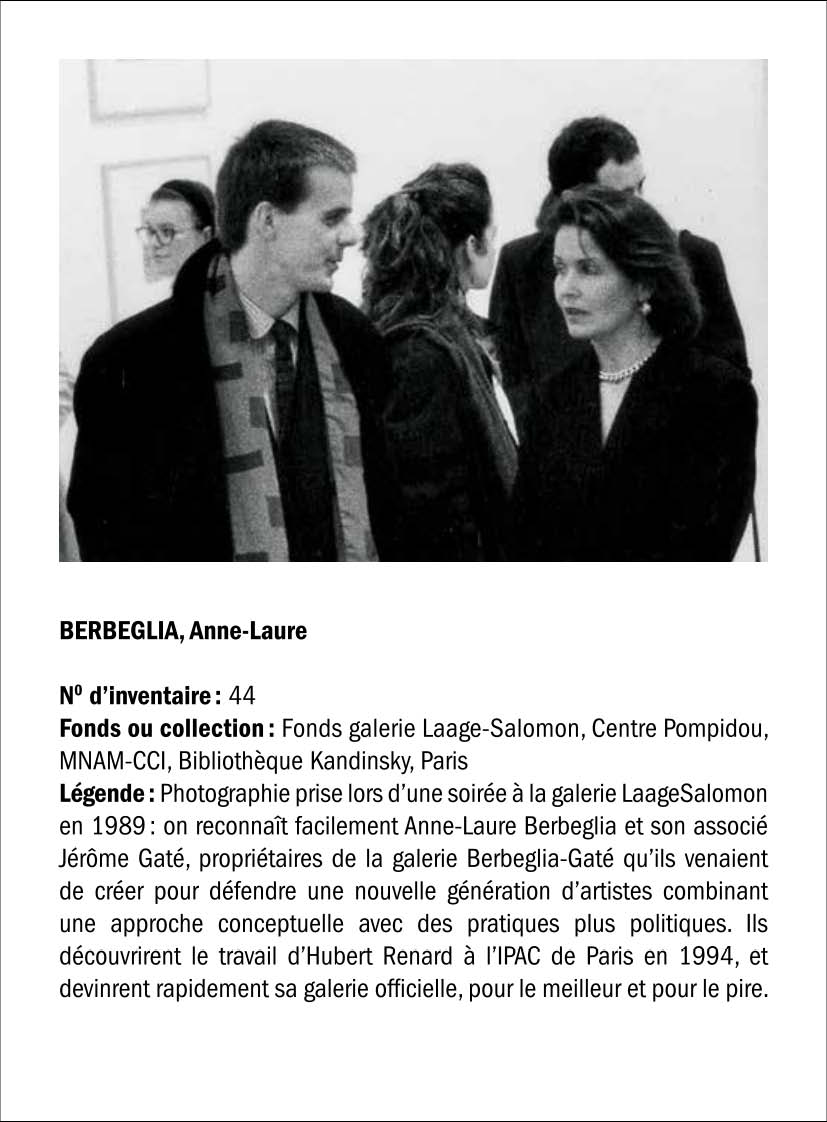
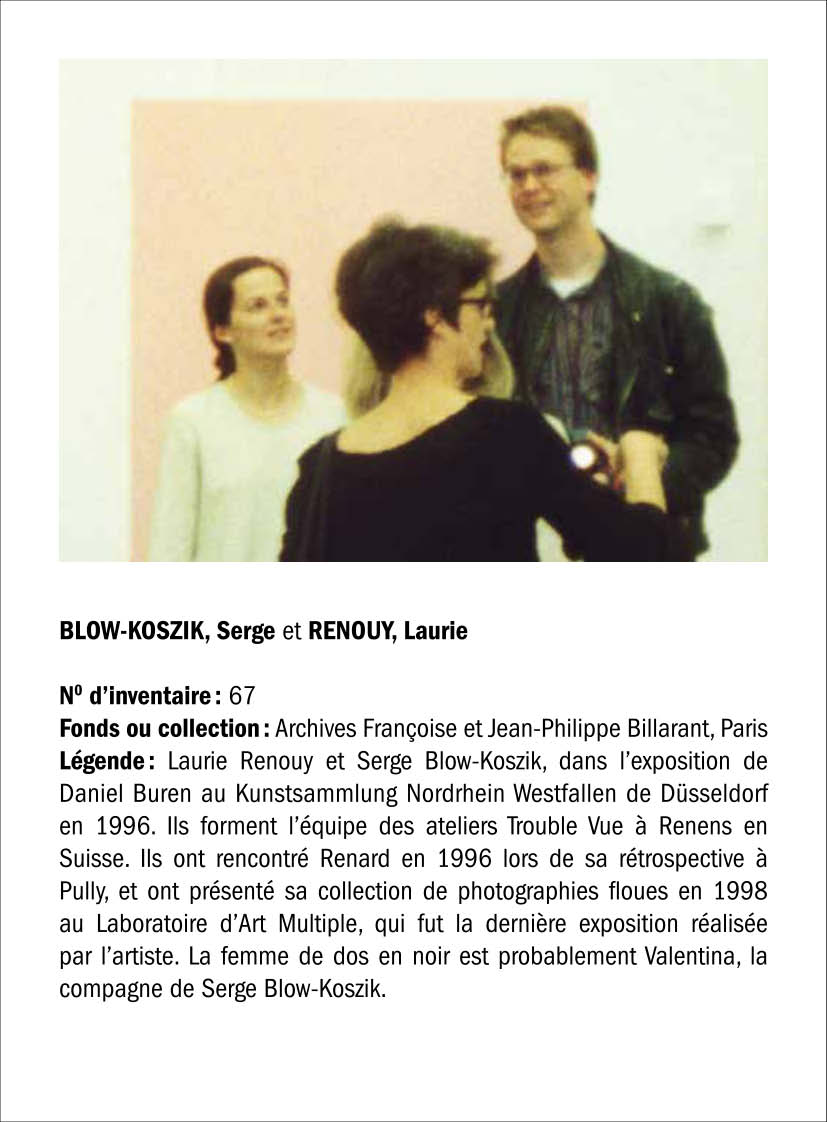
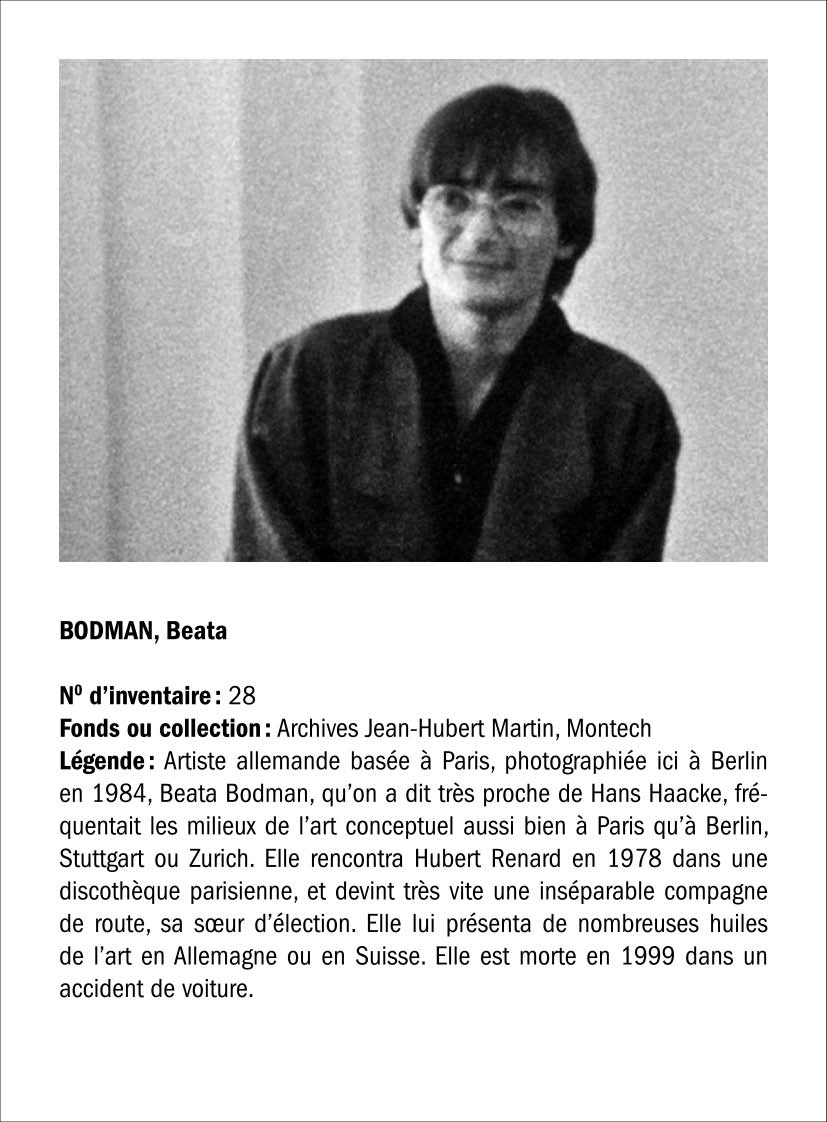
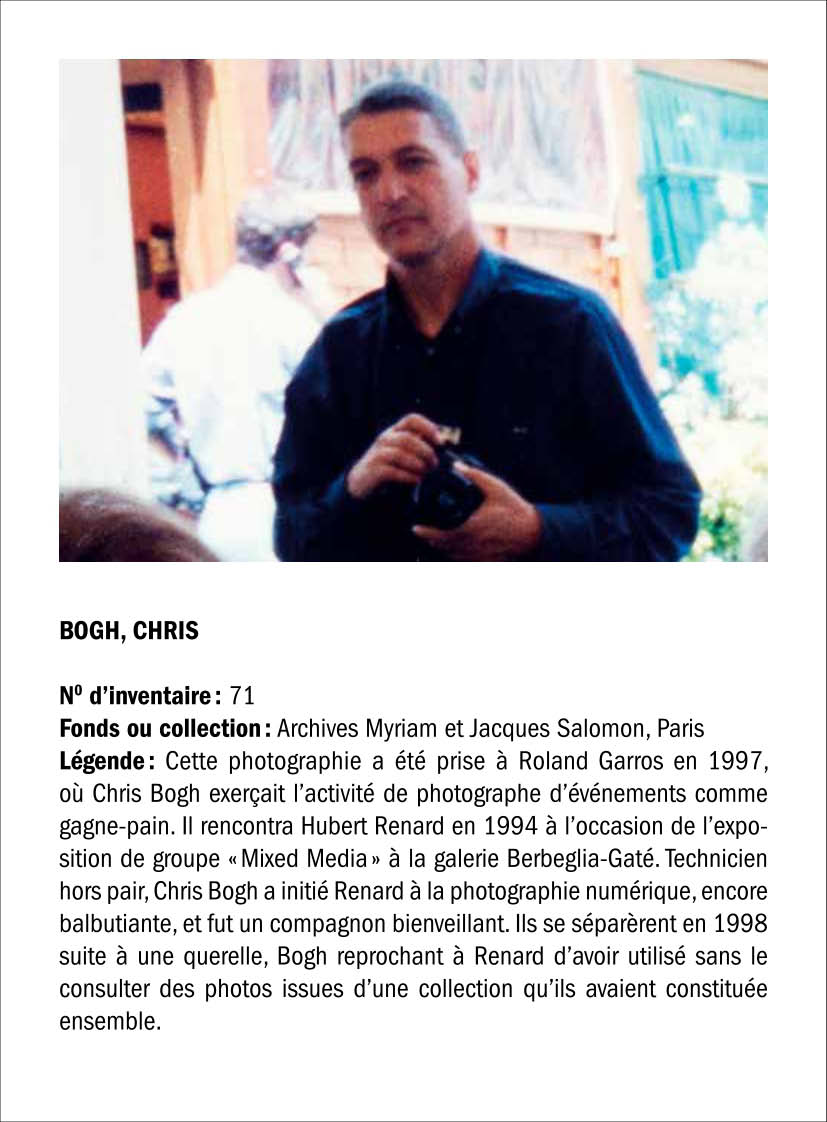
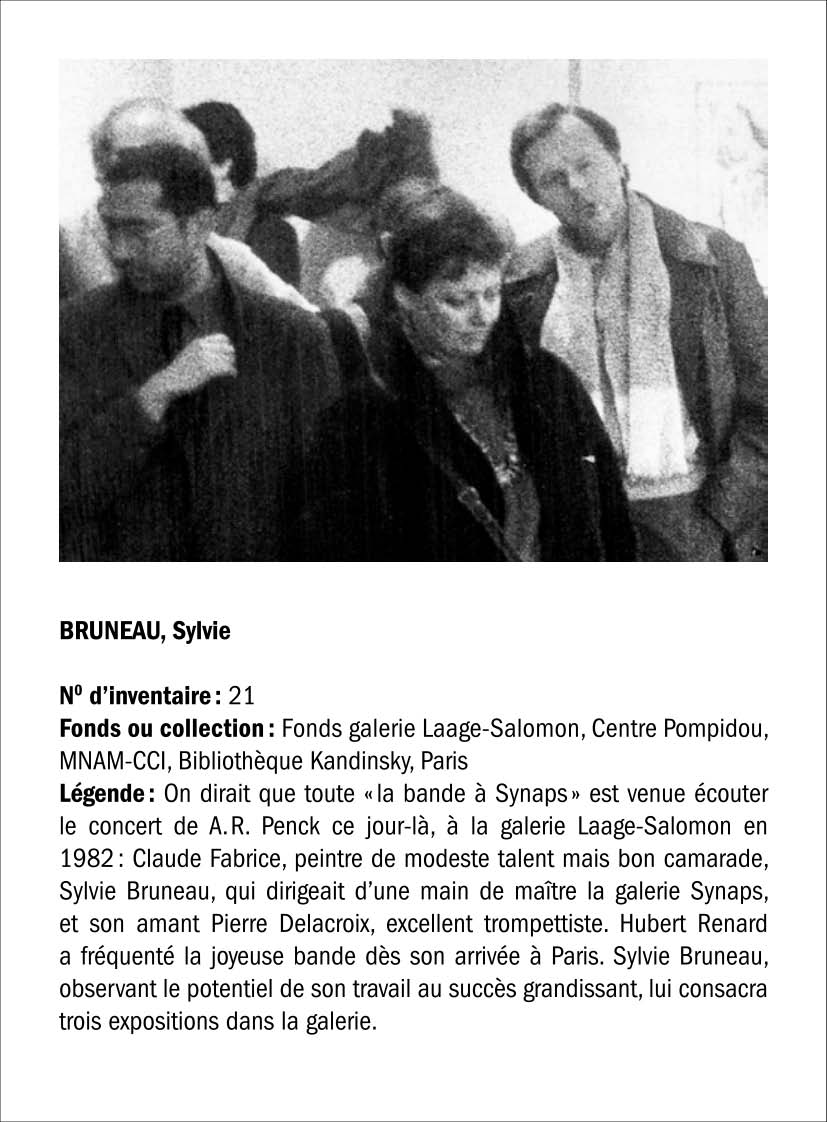
Composed of 61 cartes, printing on plexiglas
7.48 x 5.51 in ( 19 x 14 cm )
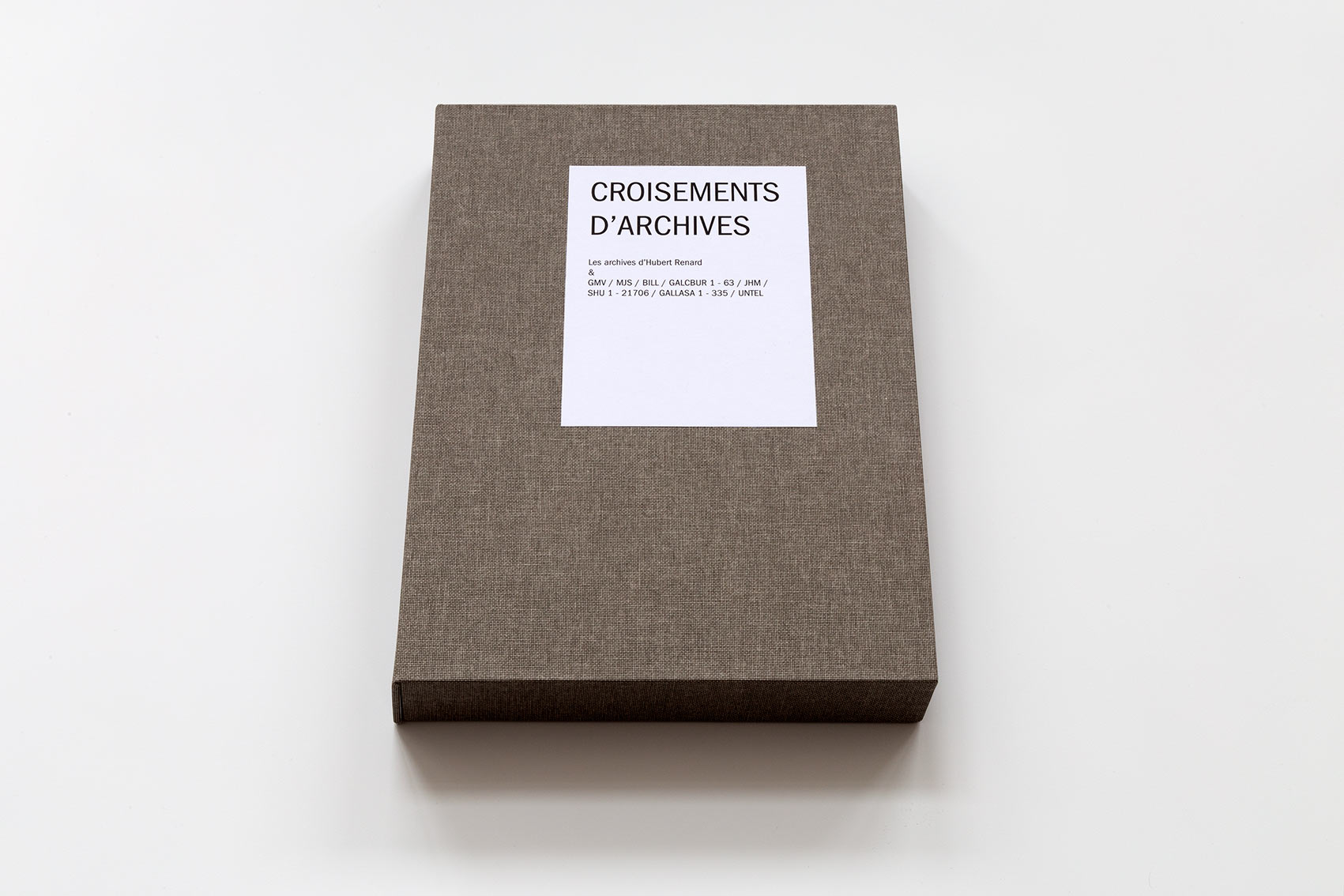
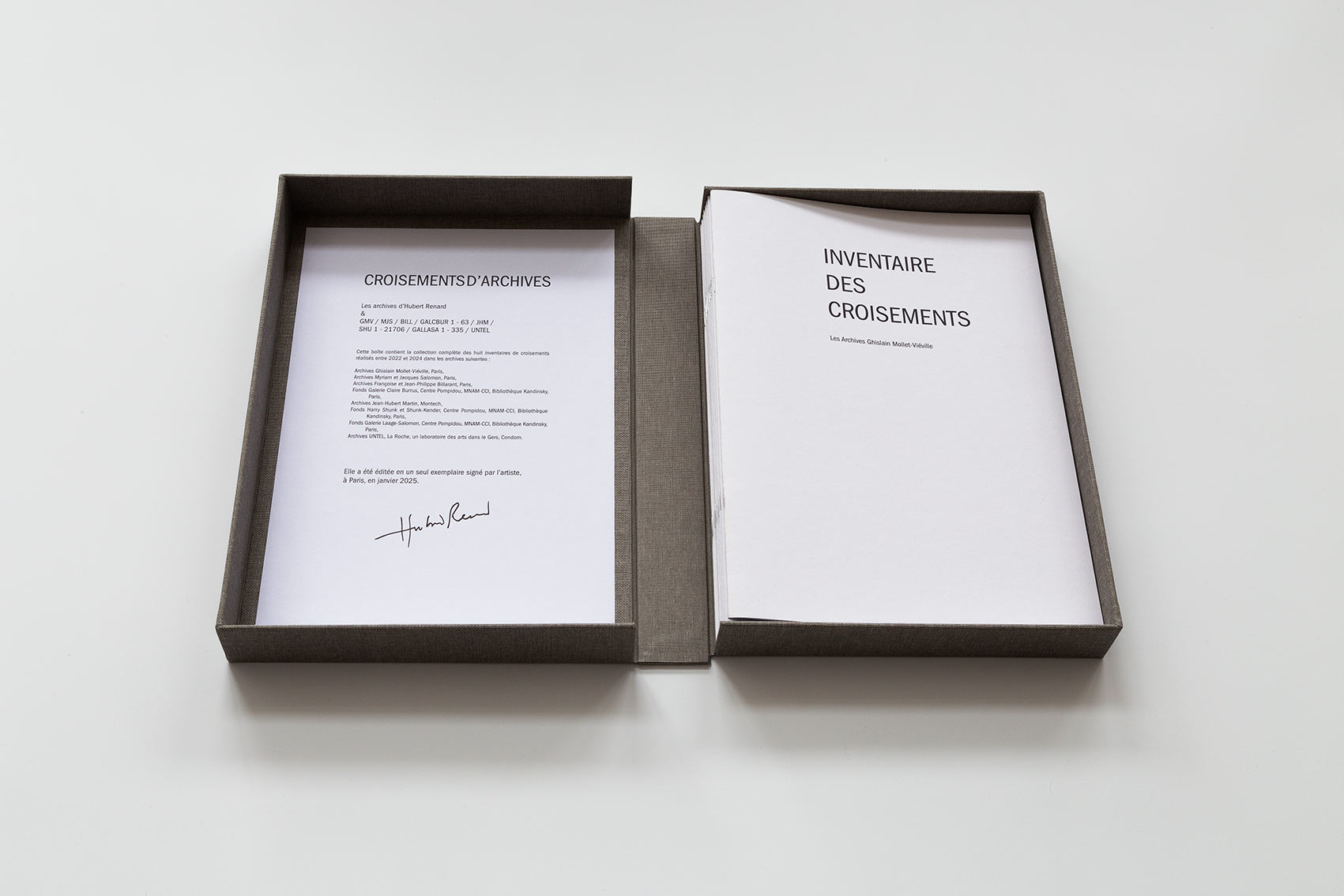
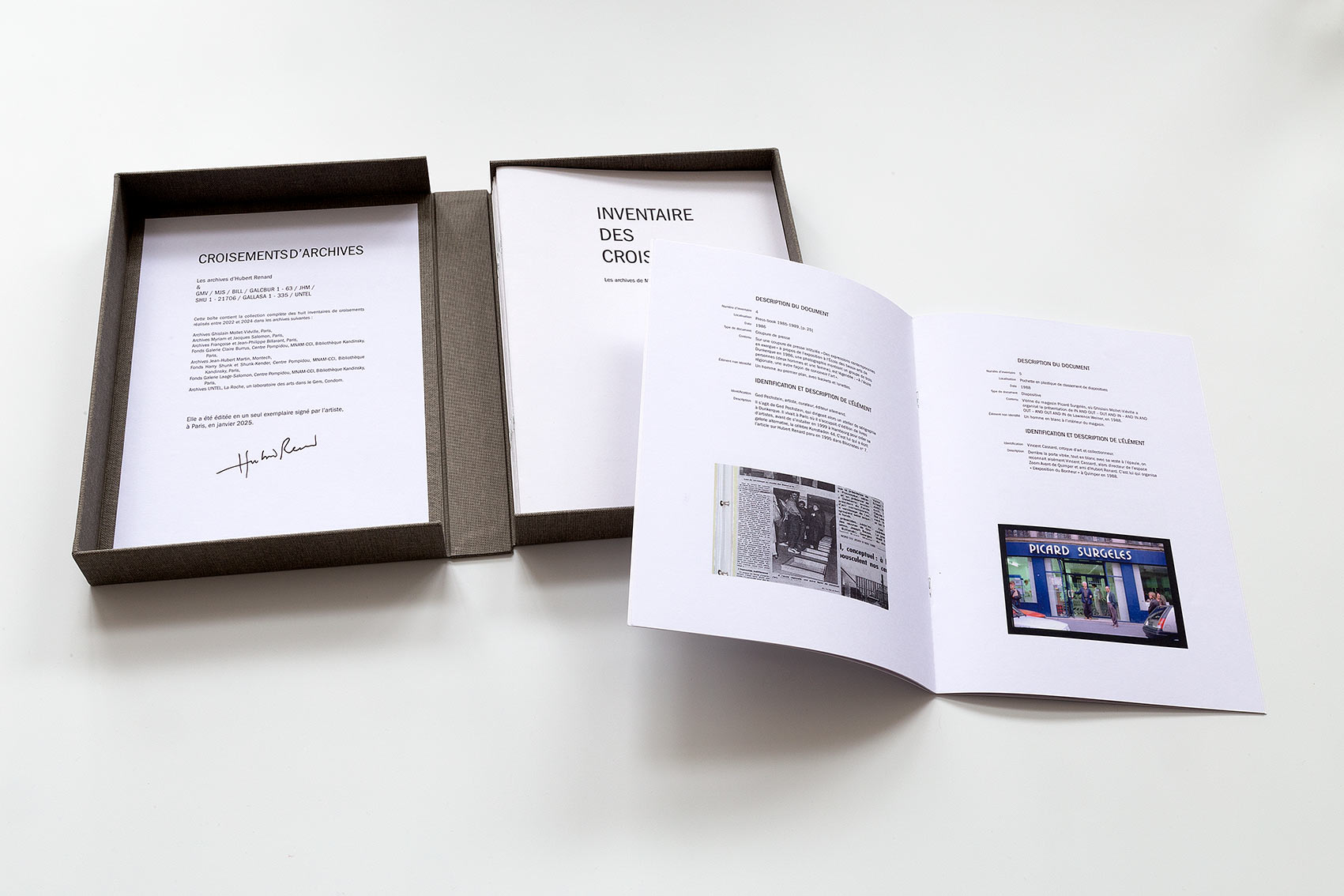
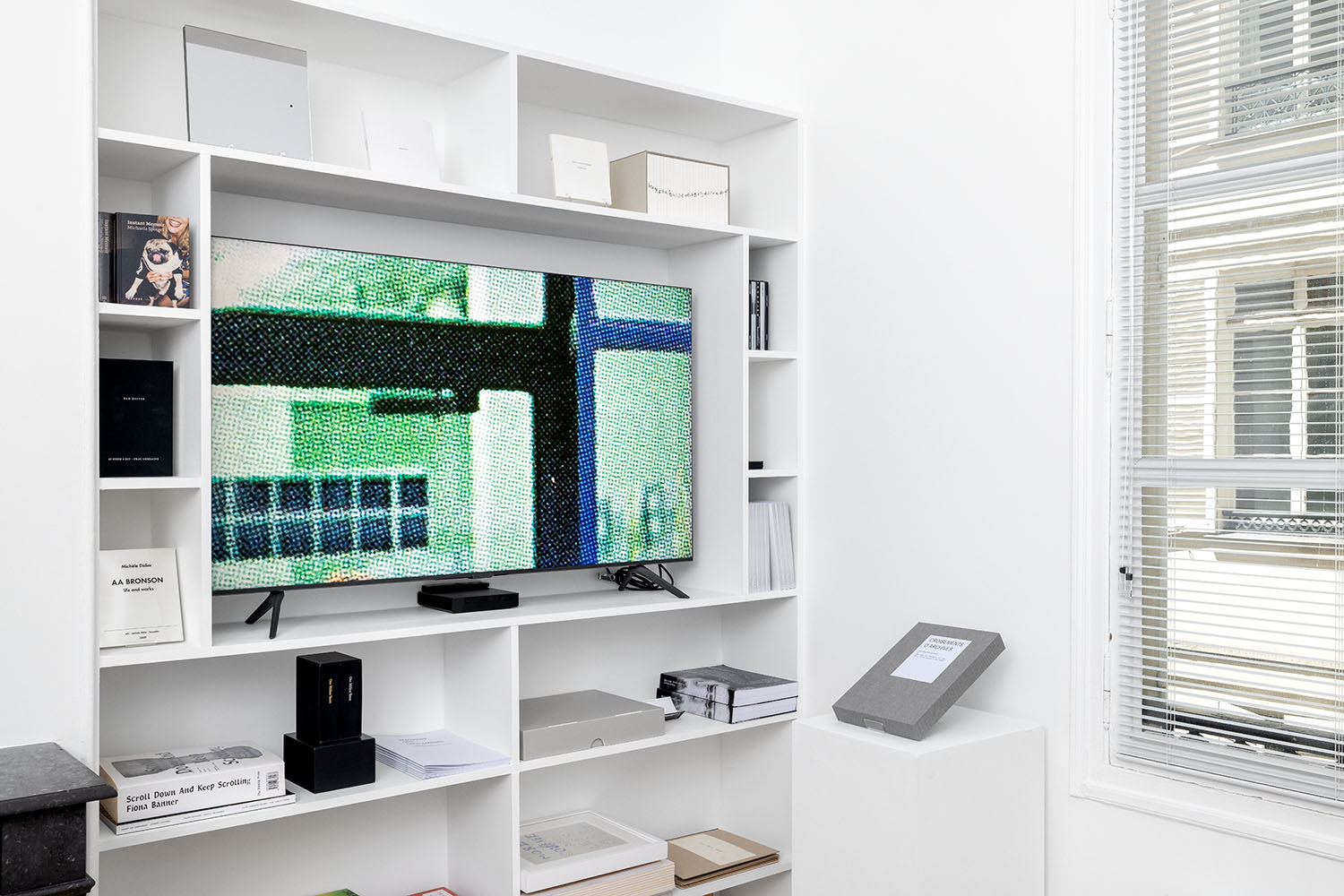
8 signatures consigned in a box
11.81 x 8.66 x 1.57 in ( 30,5 x 22,3 x 4,1 cm )
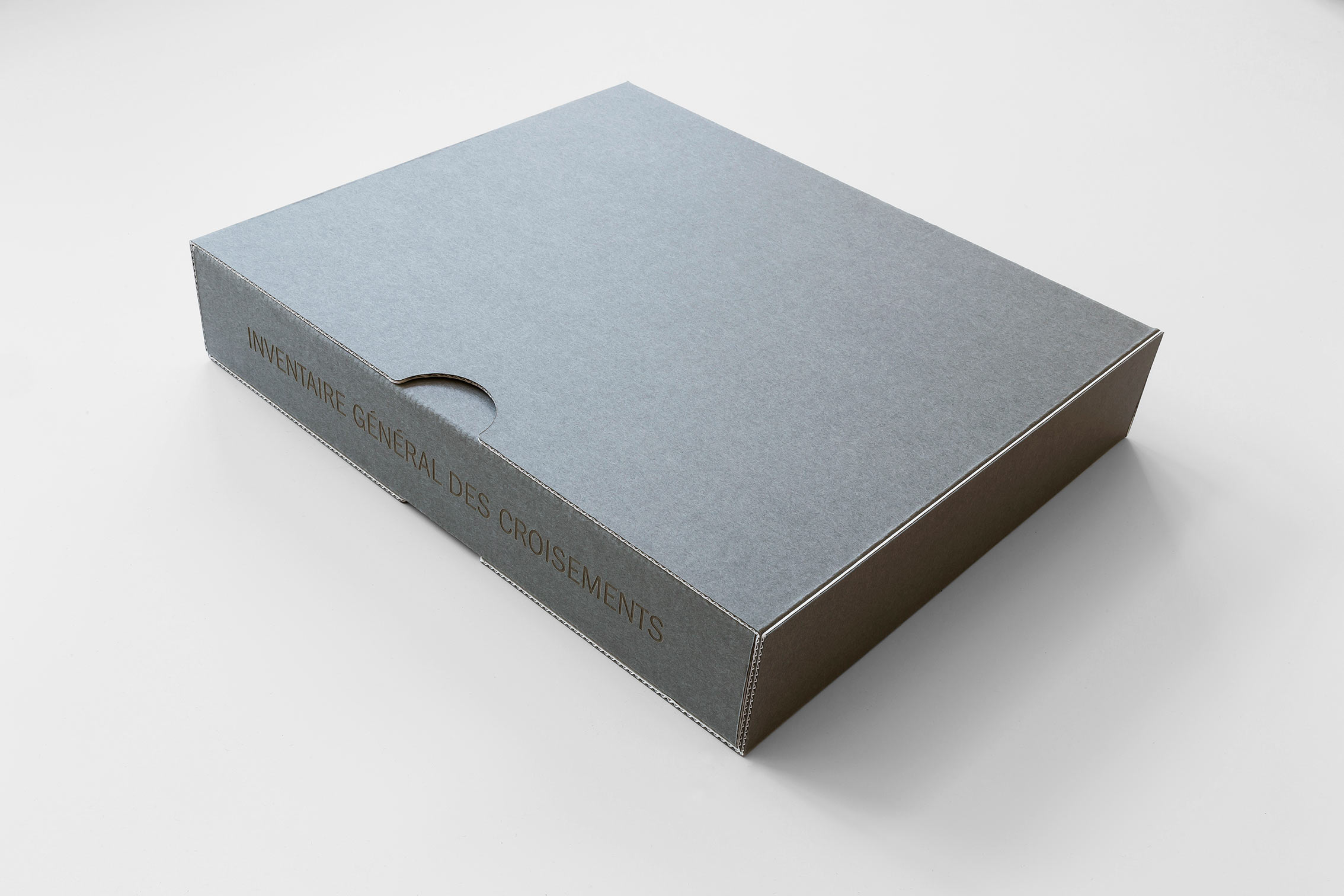
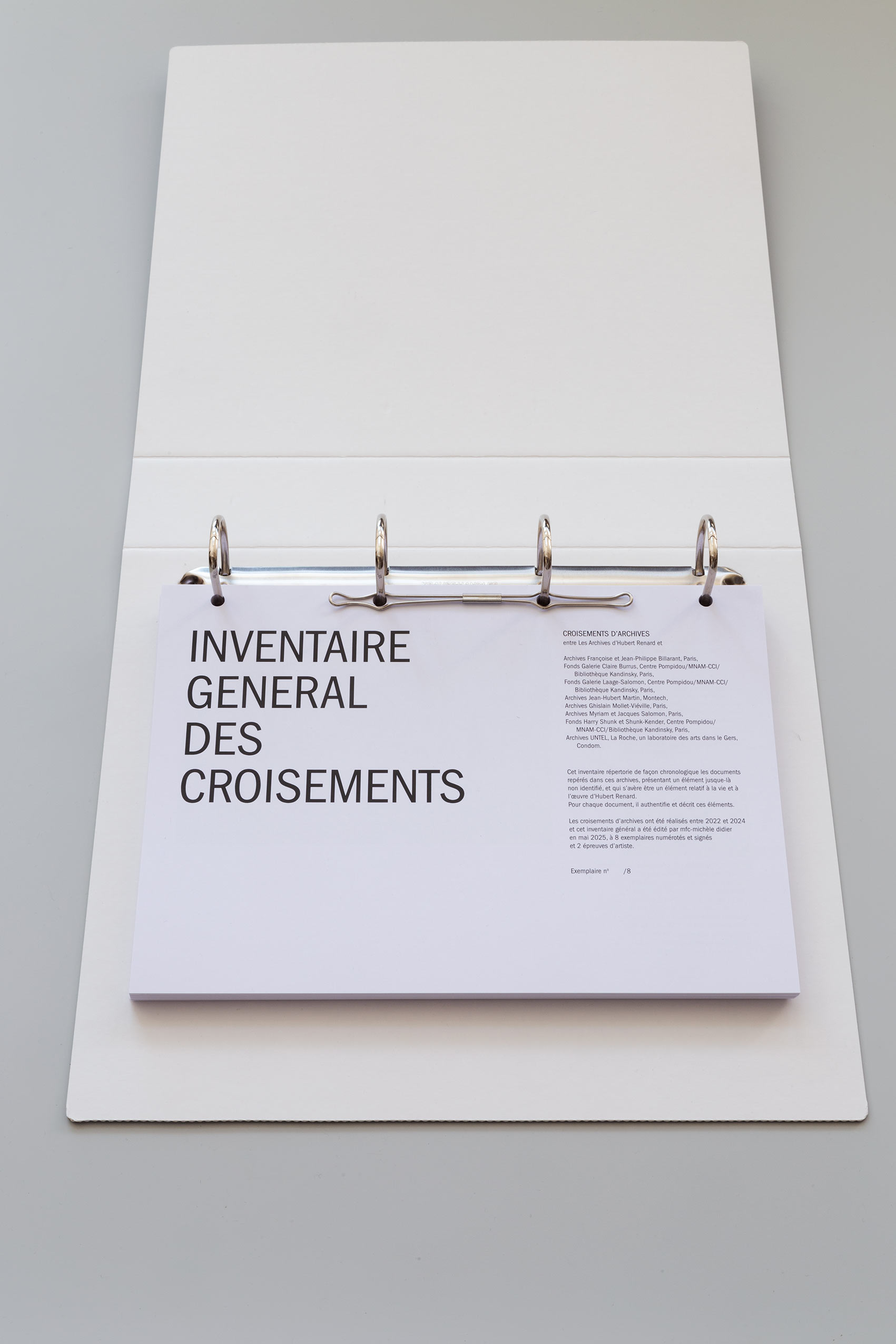
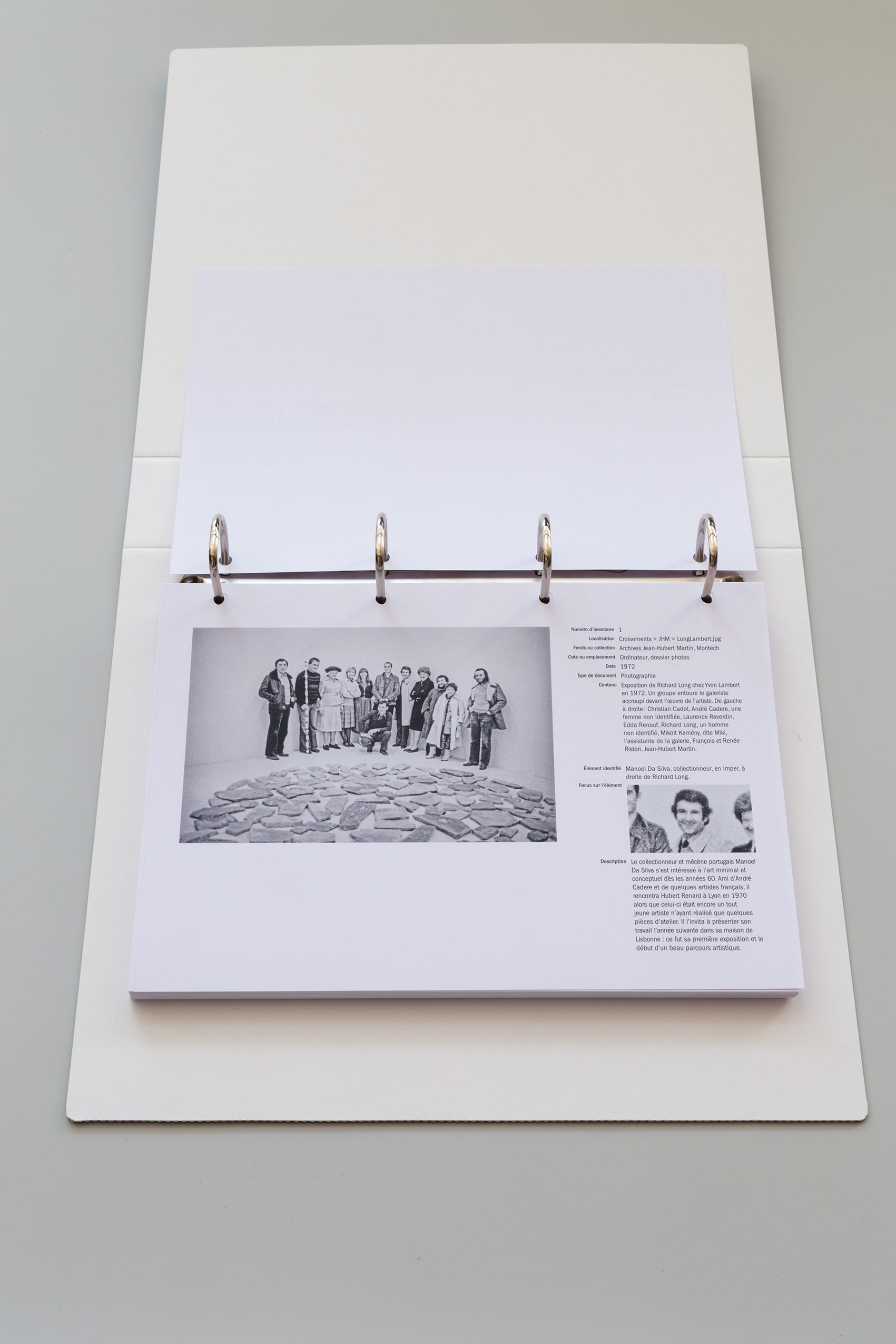
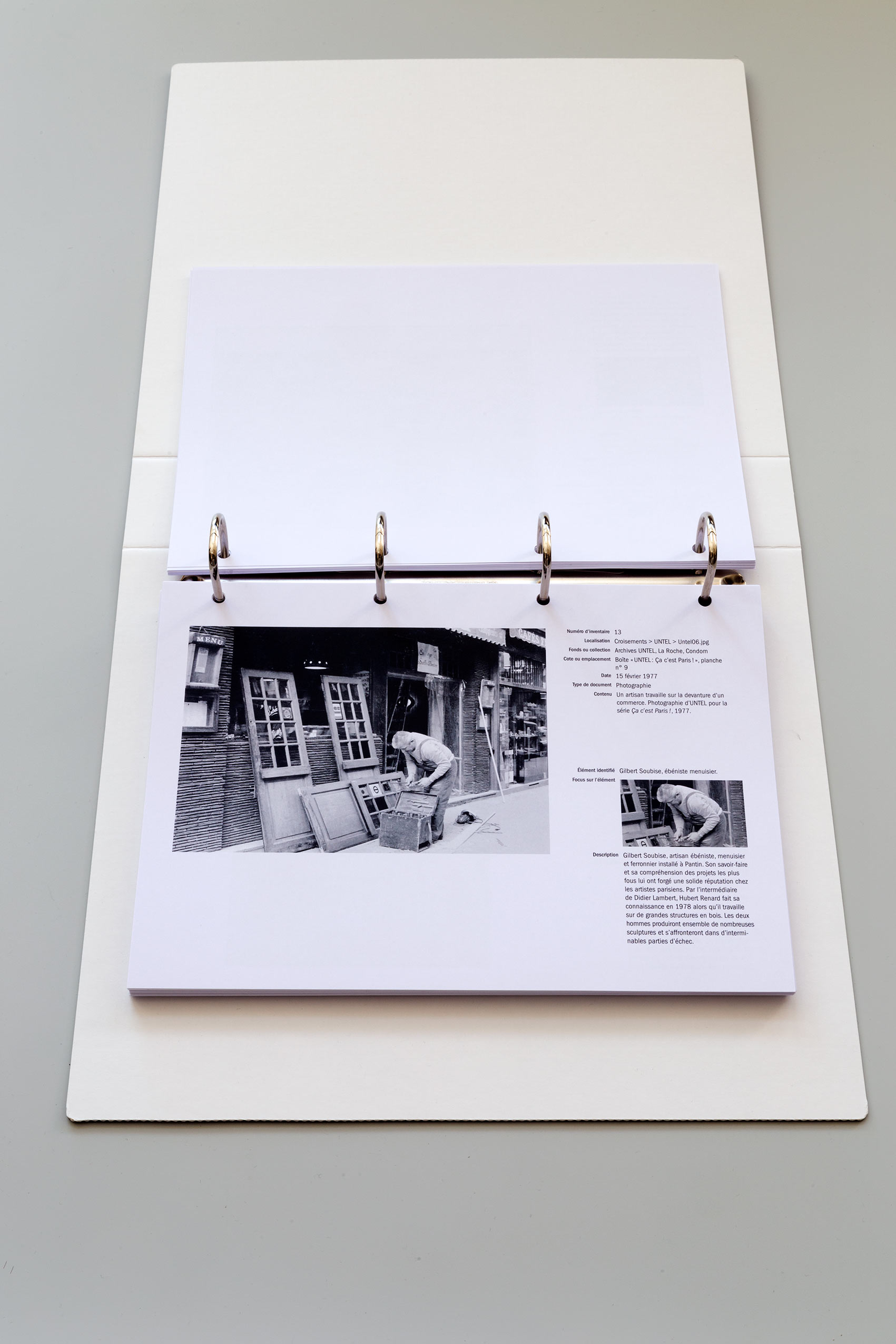
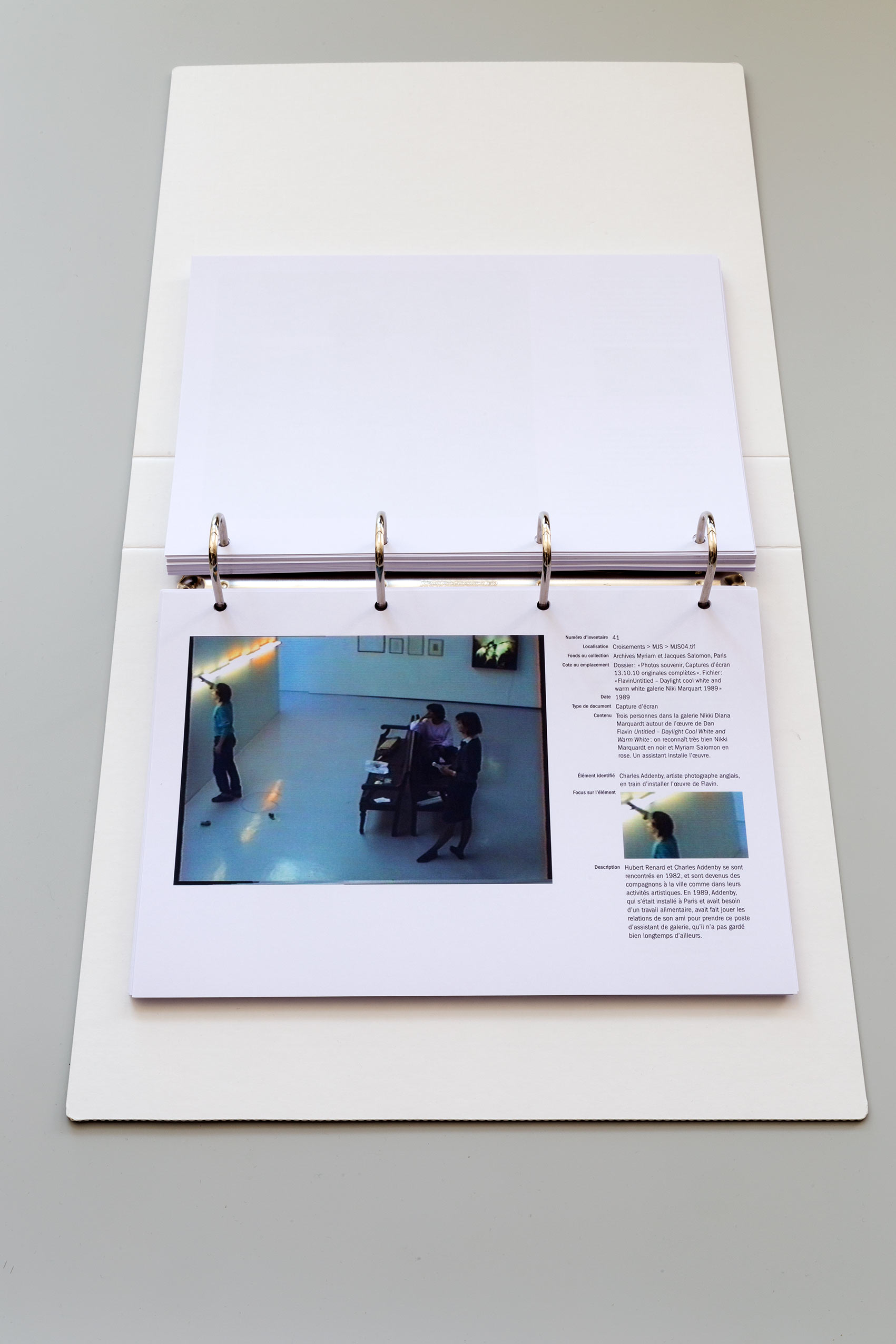
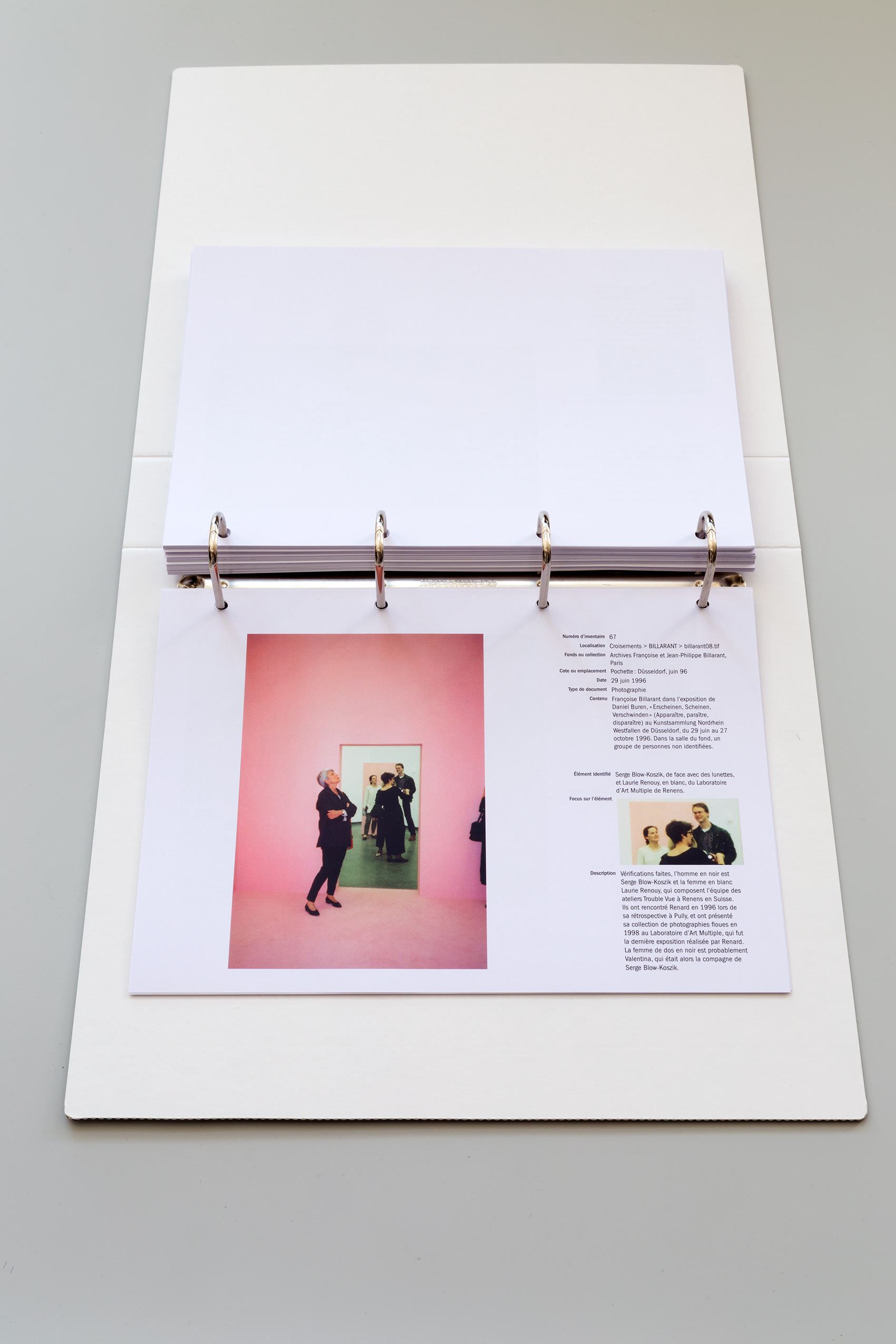
Binder containing 75 sheets, placed in a case
14.17 x 11.81 x 2.36 in ( 36 x 30,4 x 6,8 cm )
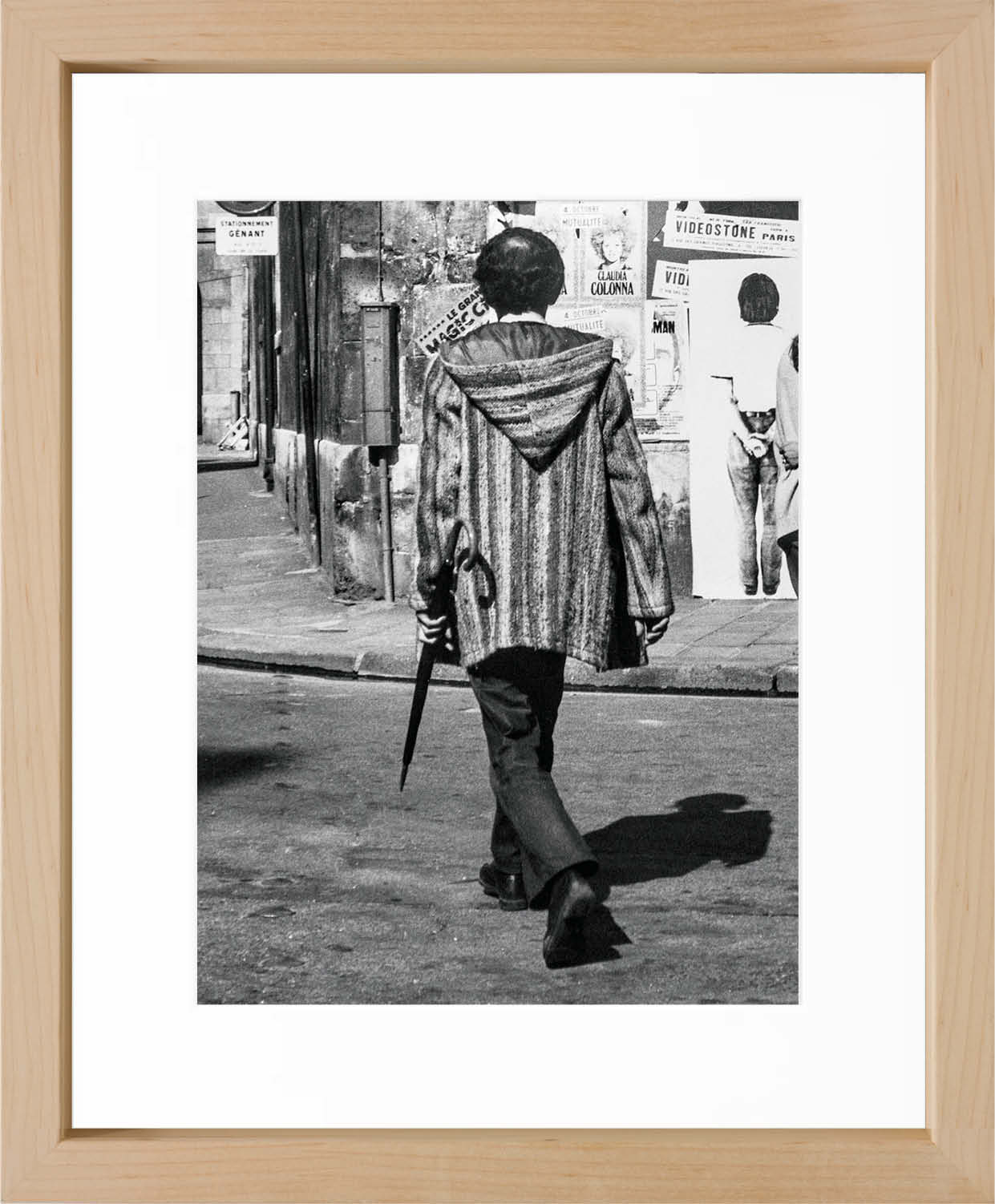
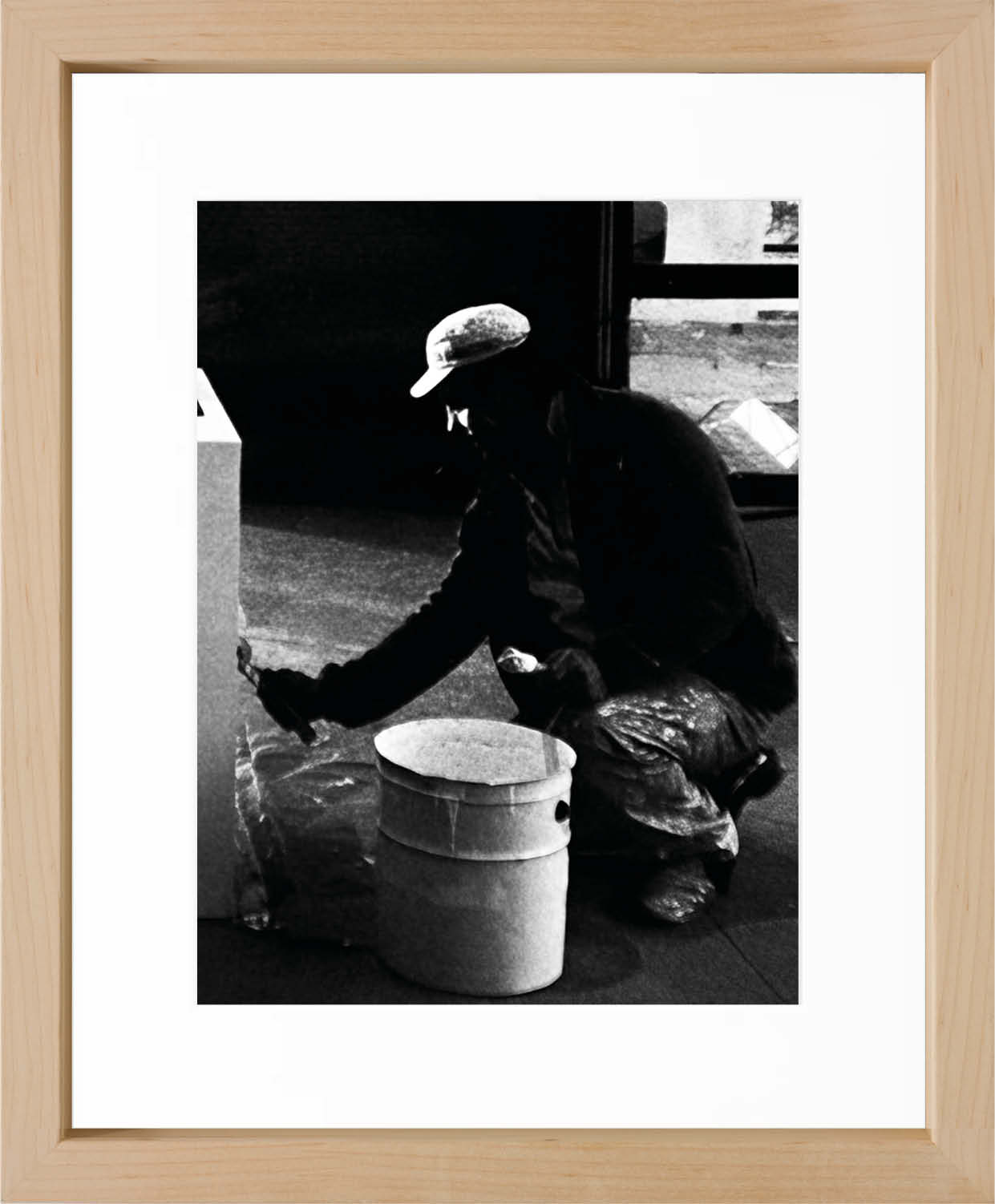
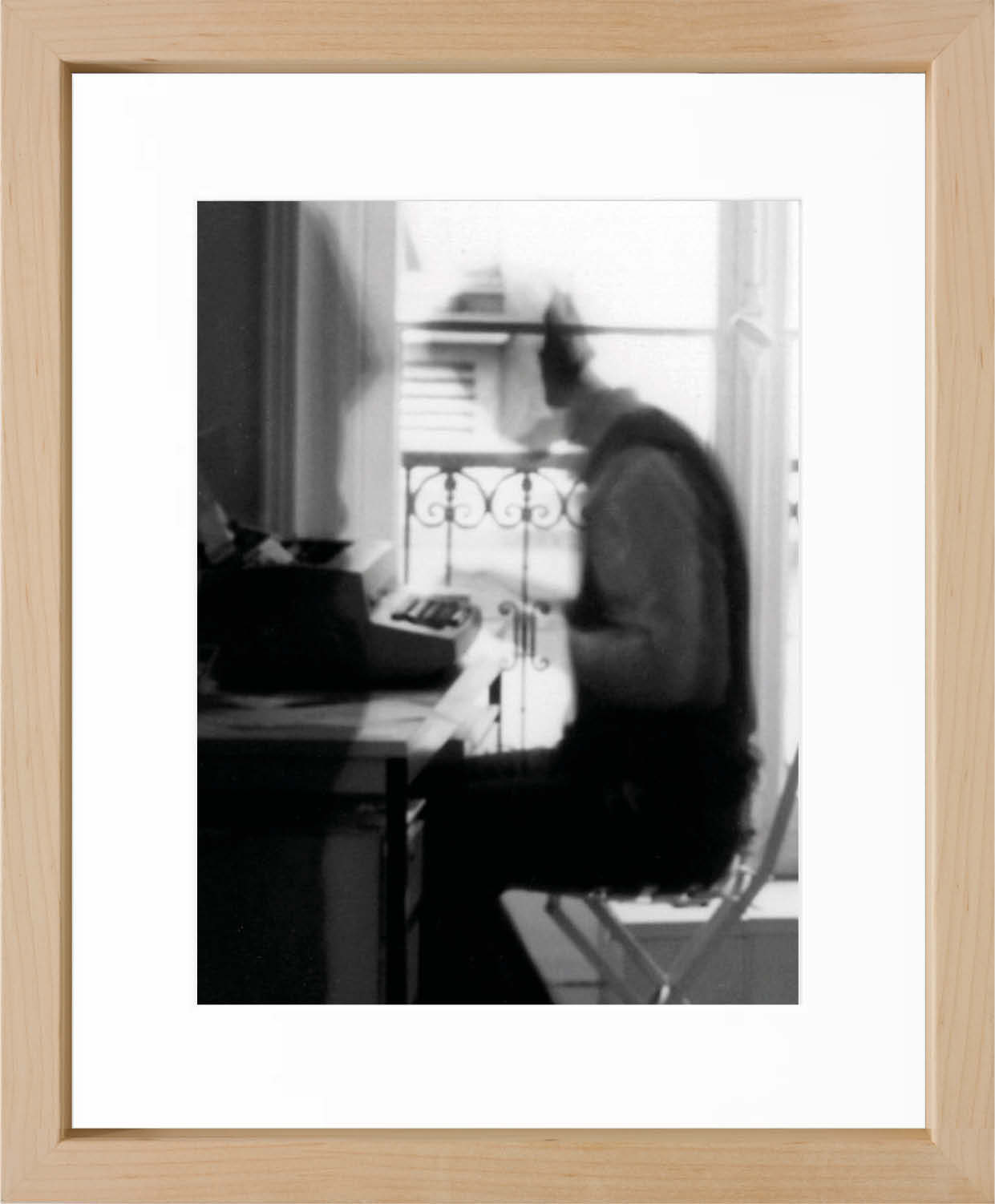
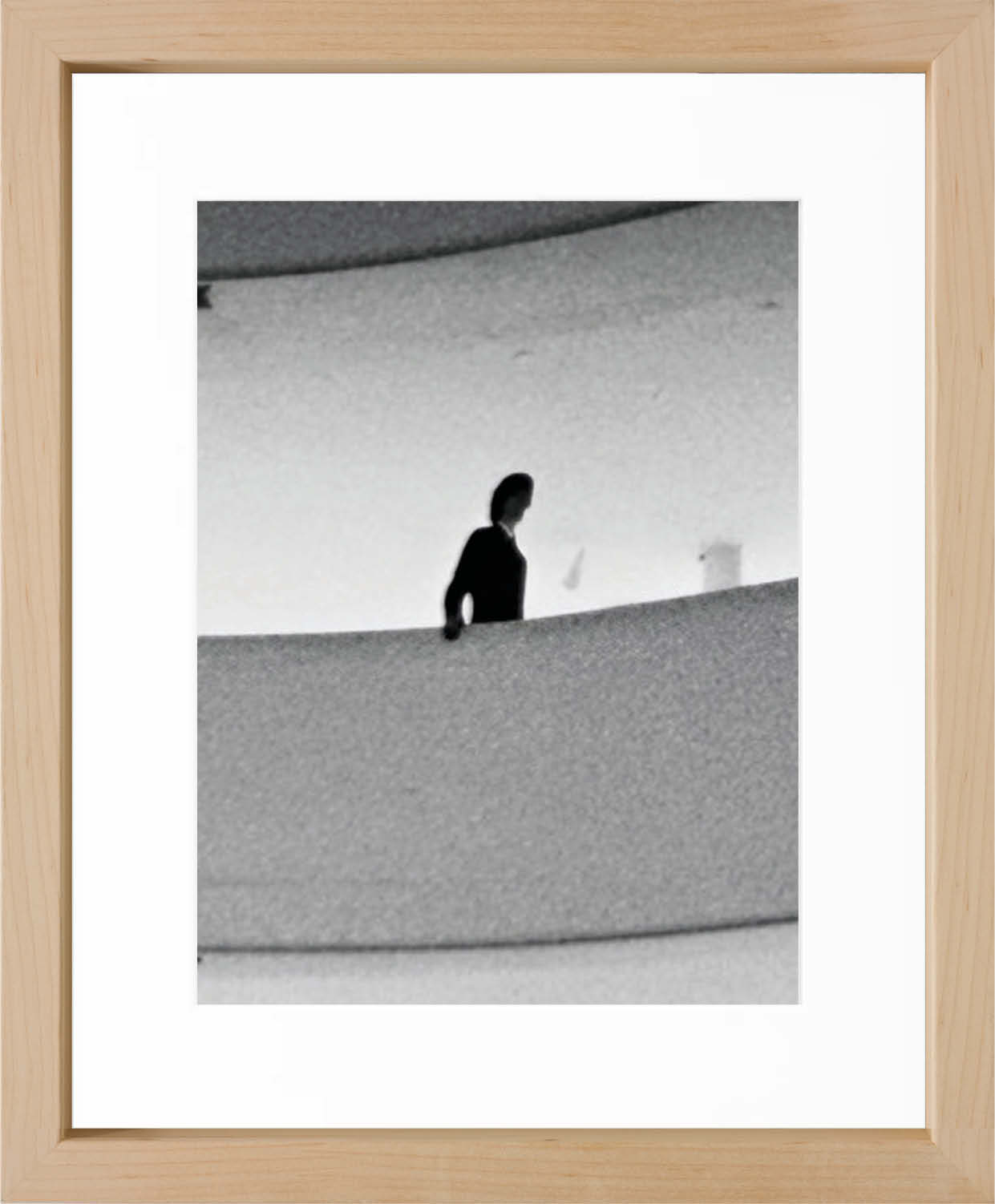
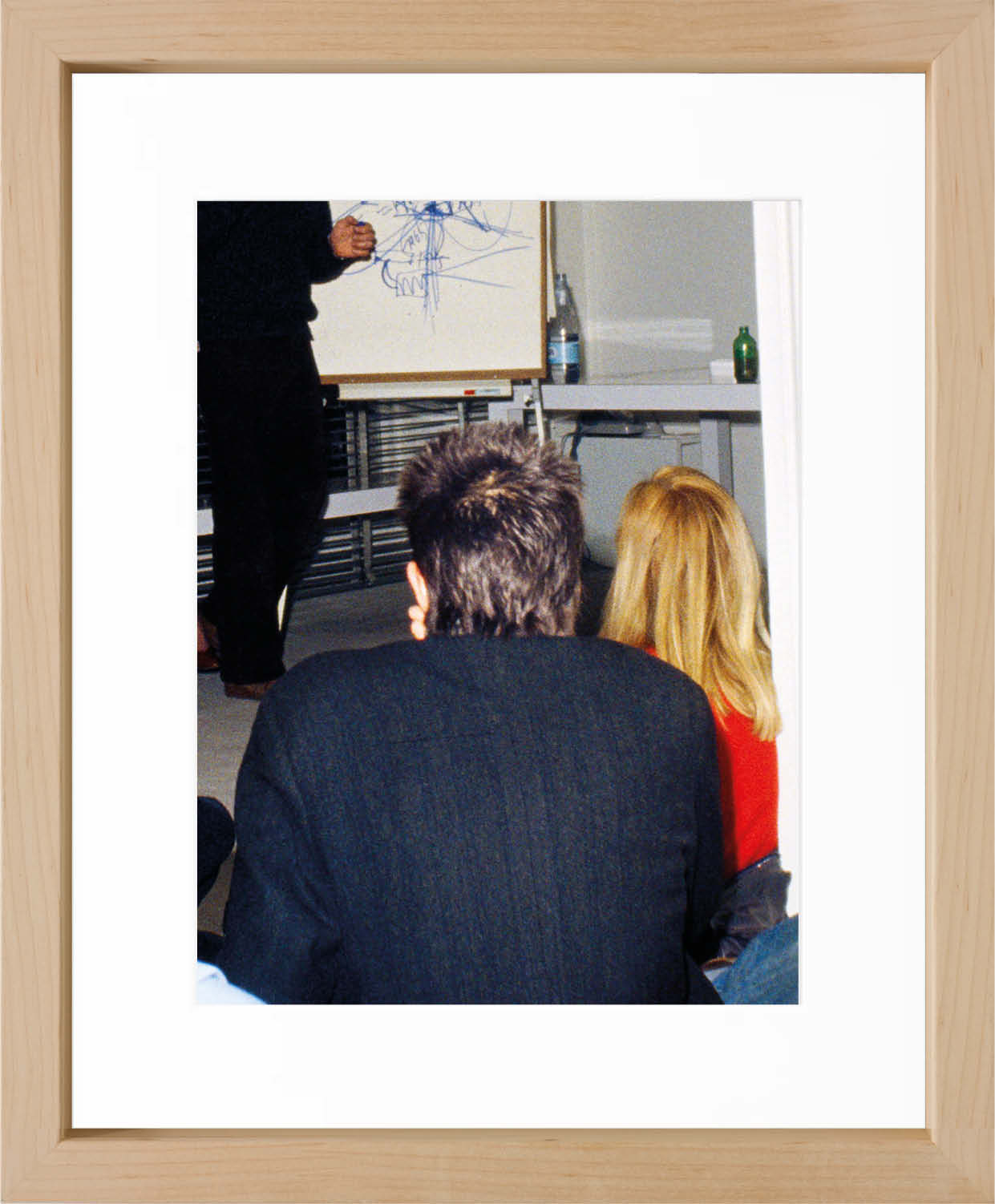
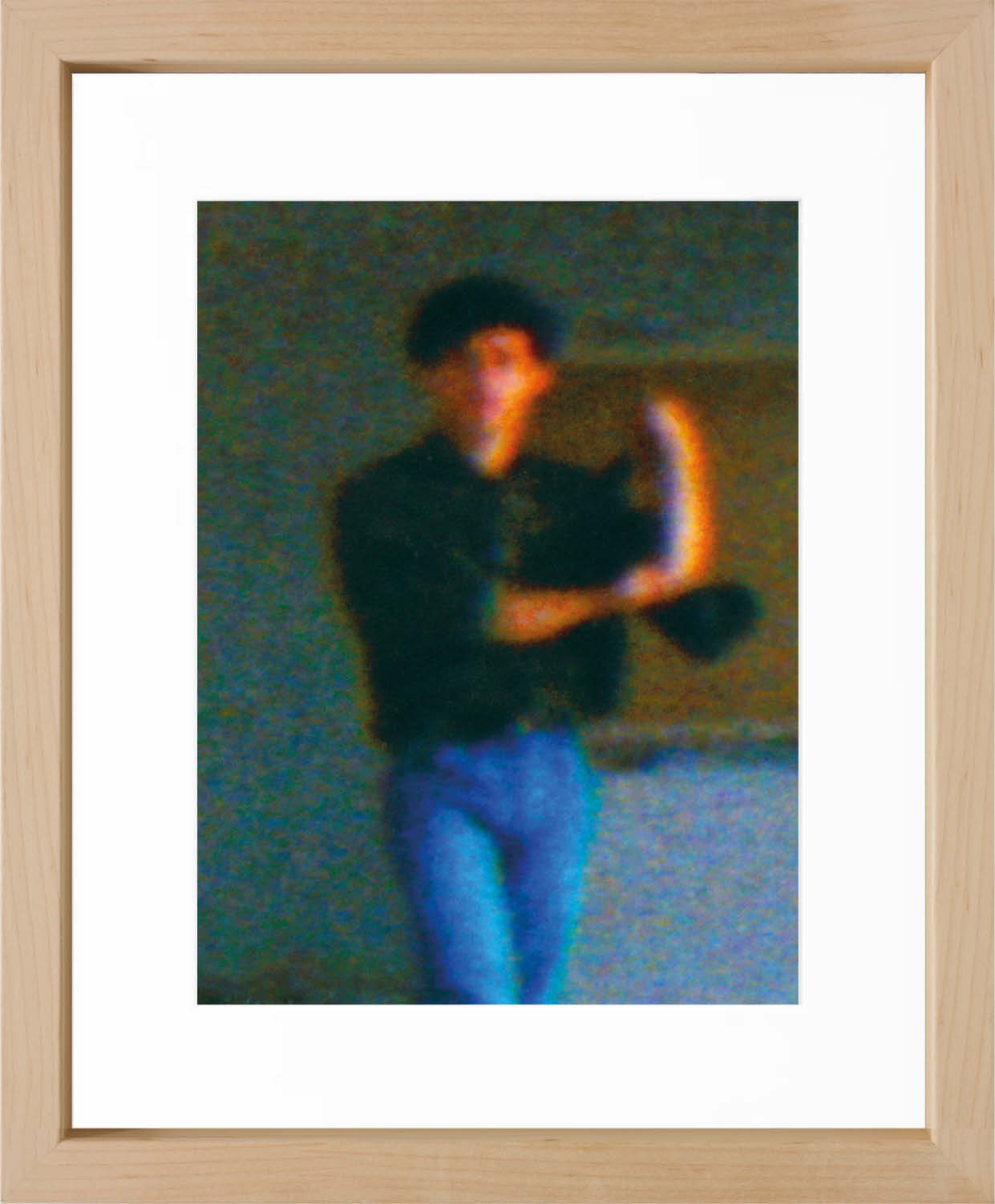
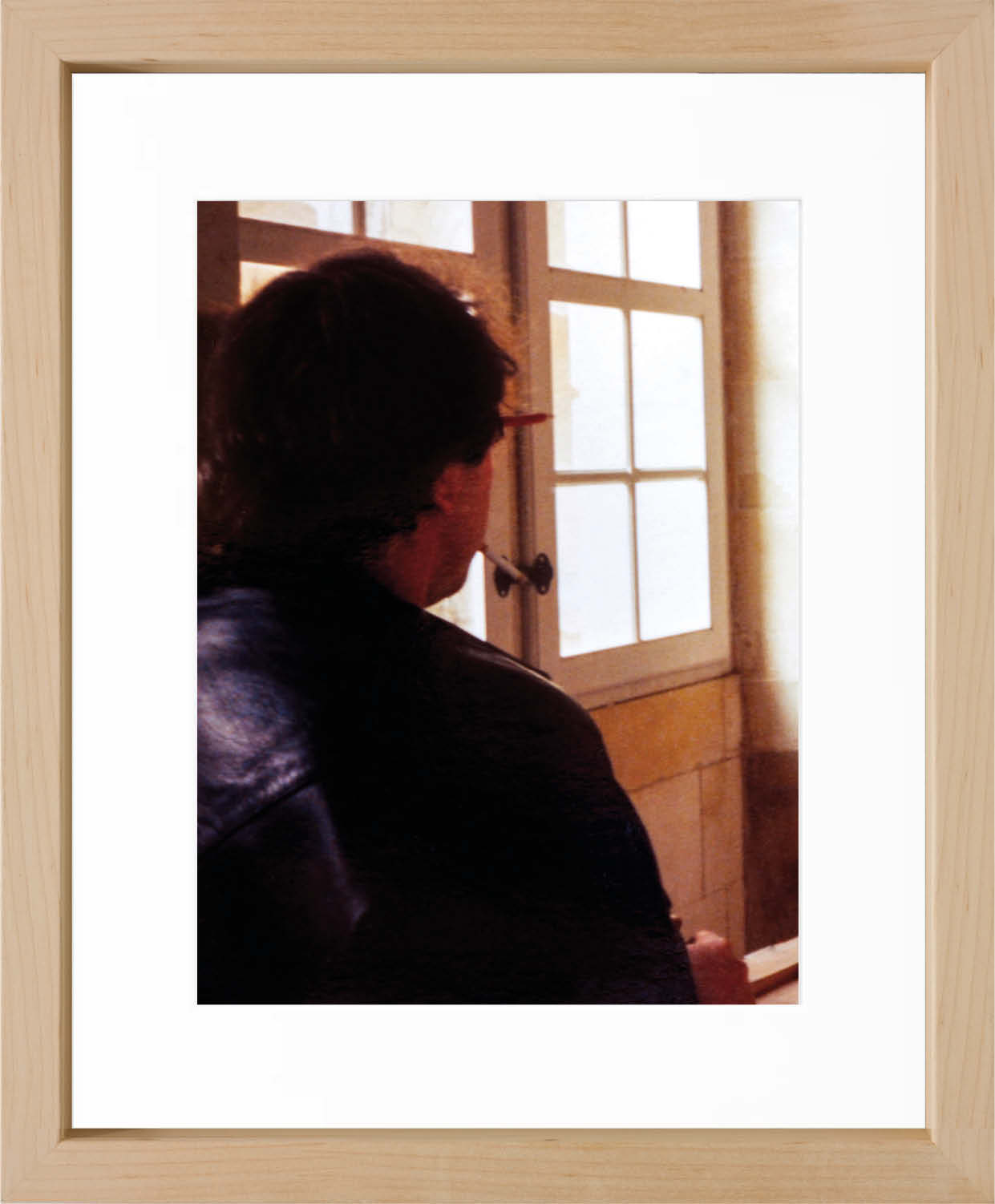
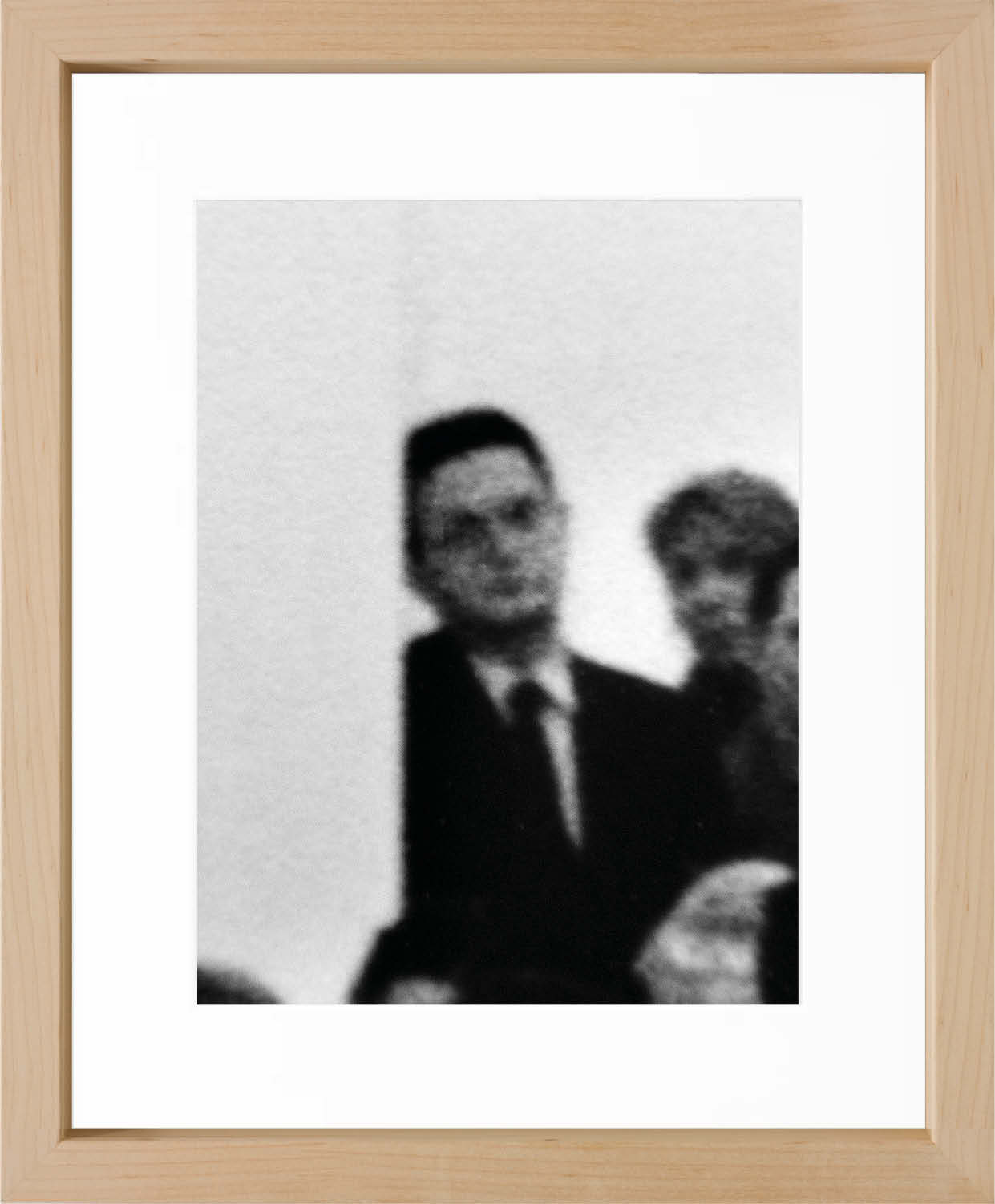
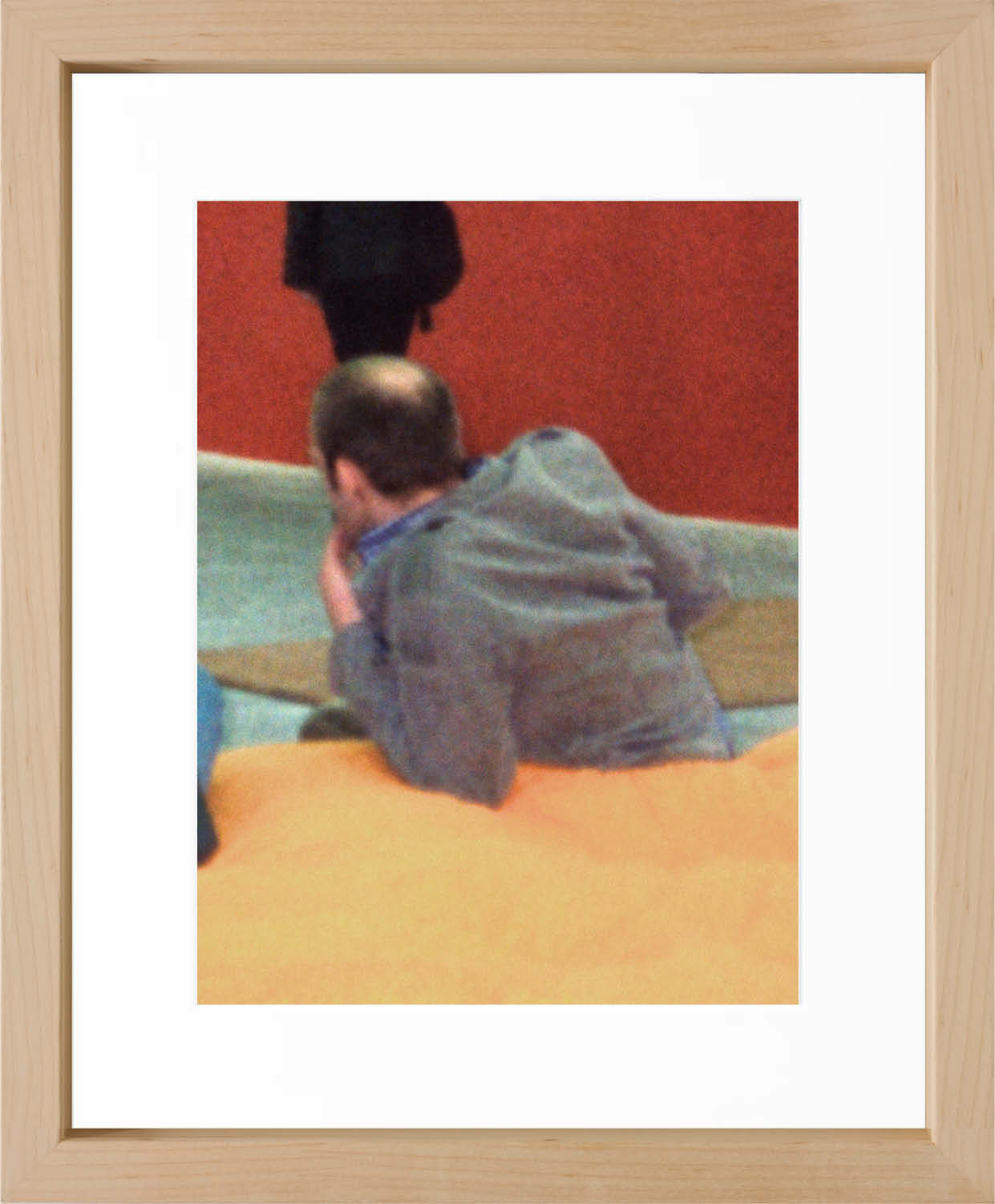
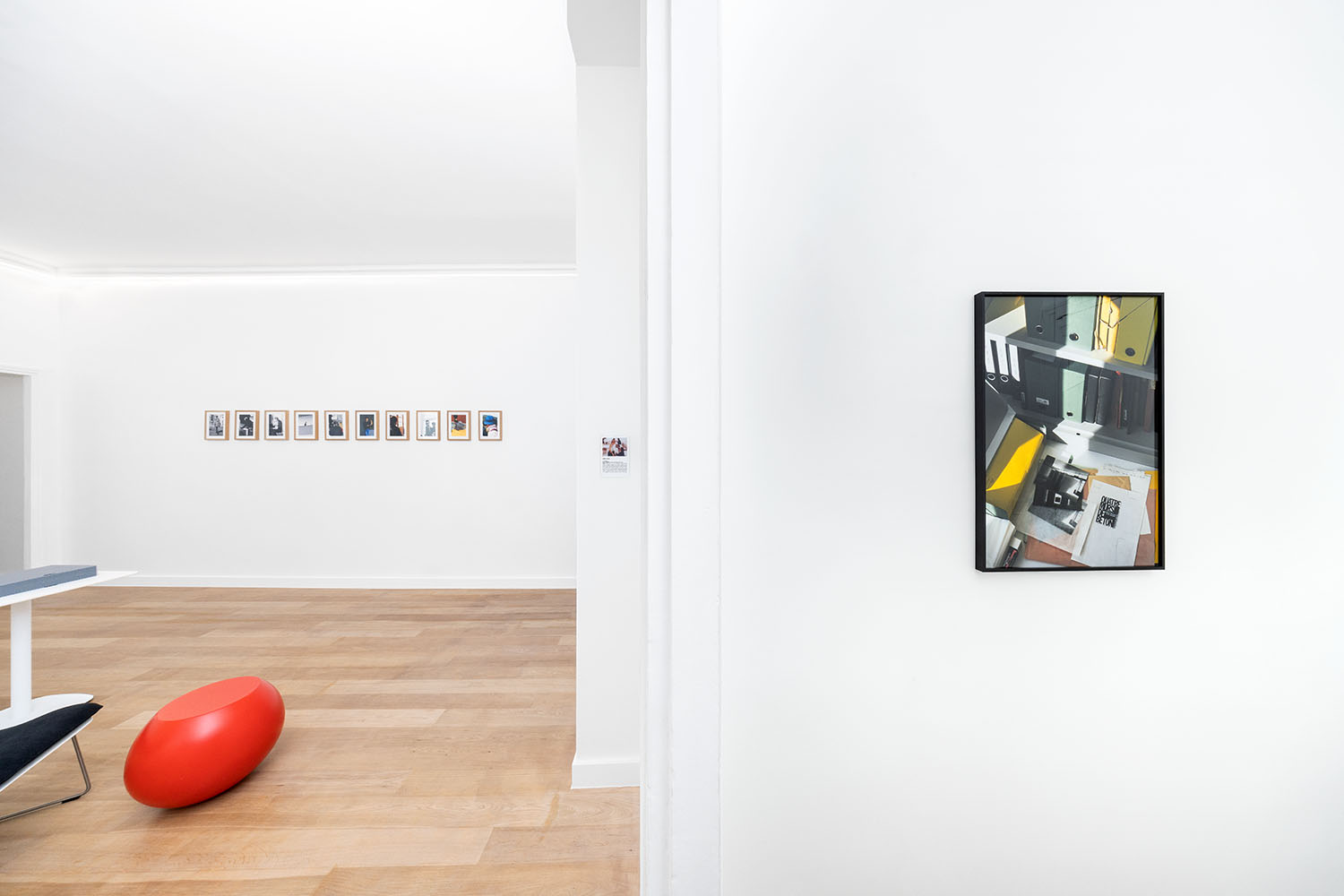
10 portraits of Hubert Renard, framed
11.81 x 9.45 in ( 30 x 24 cm )
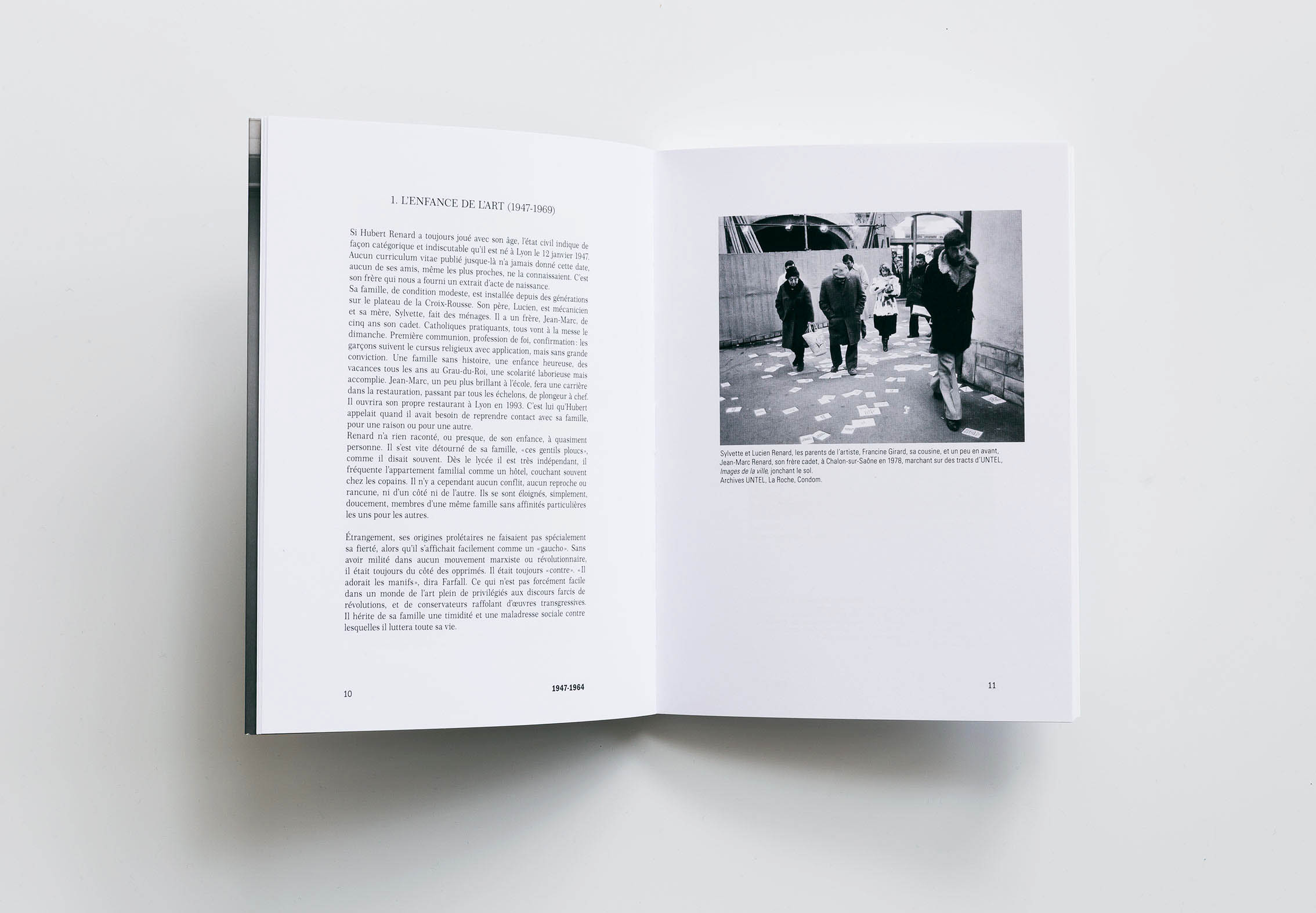
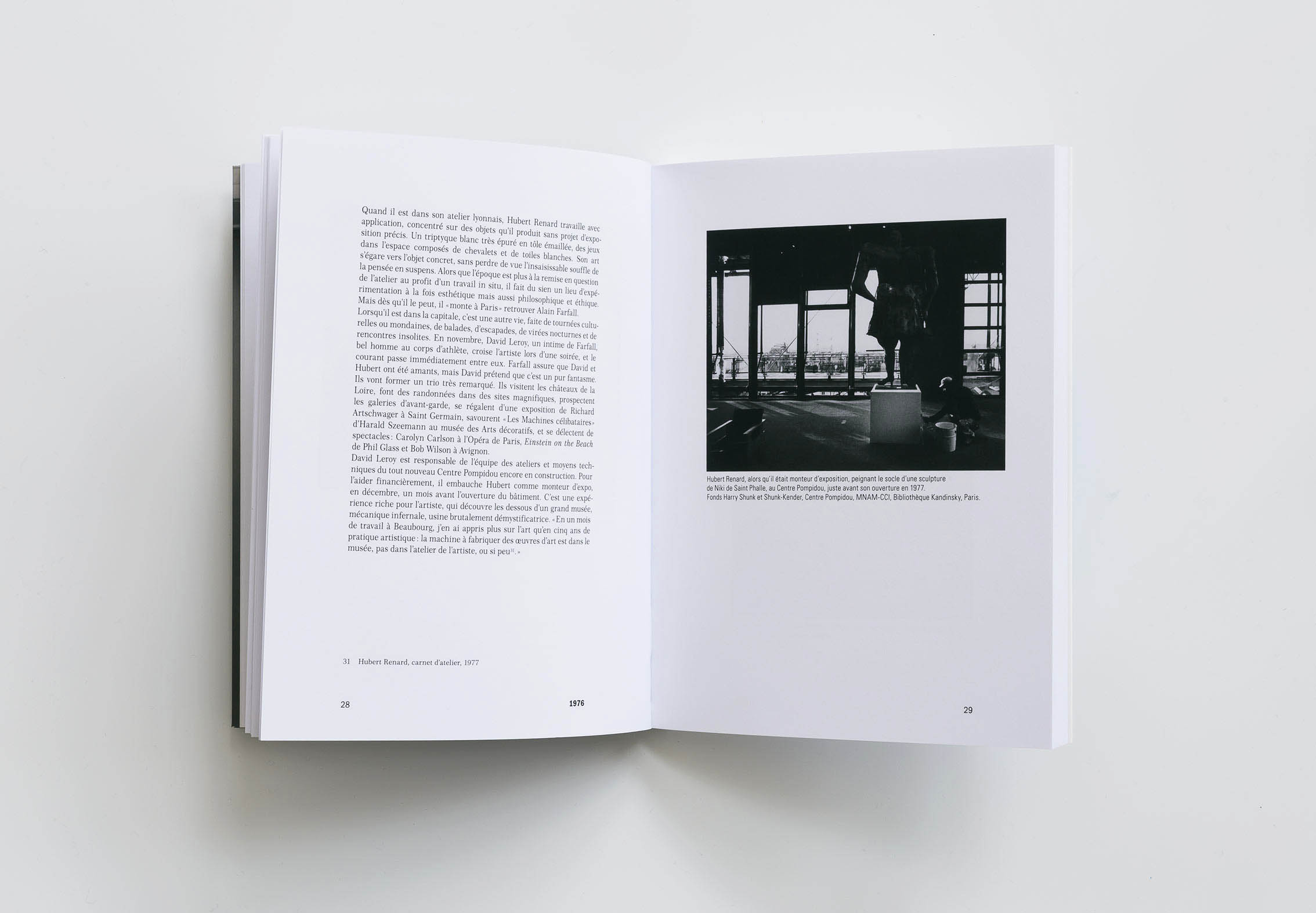
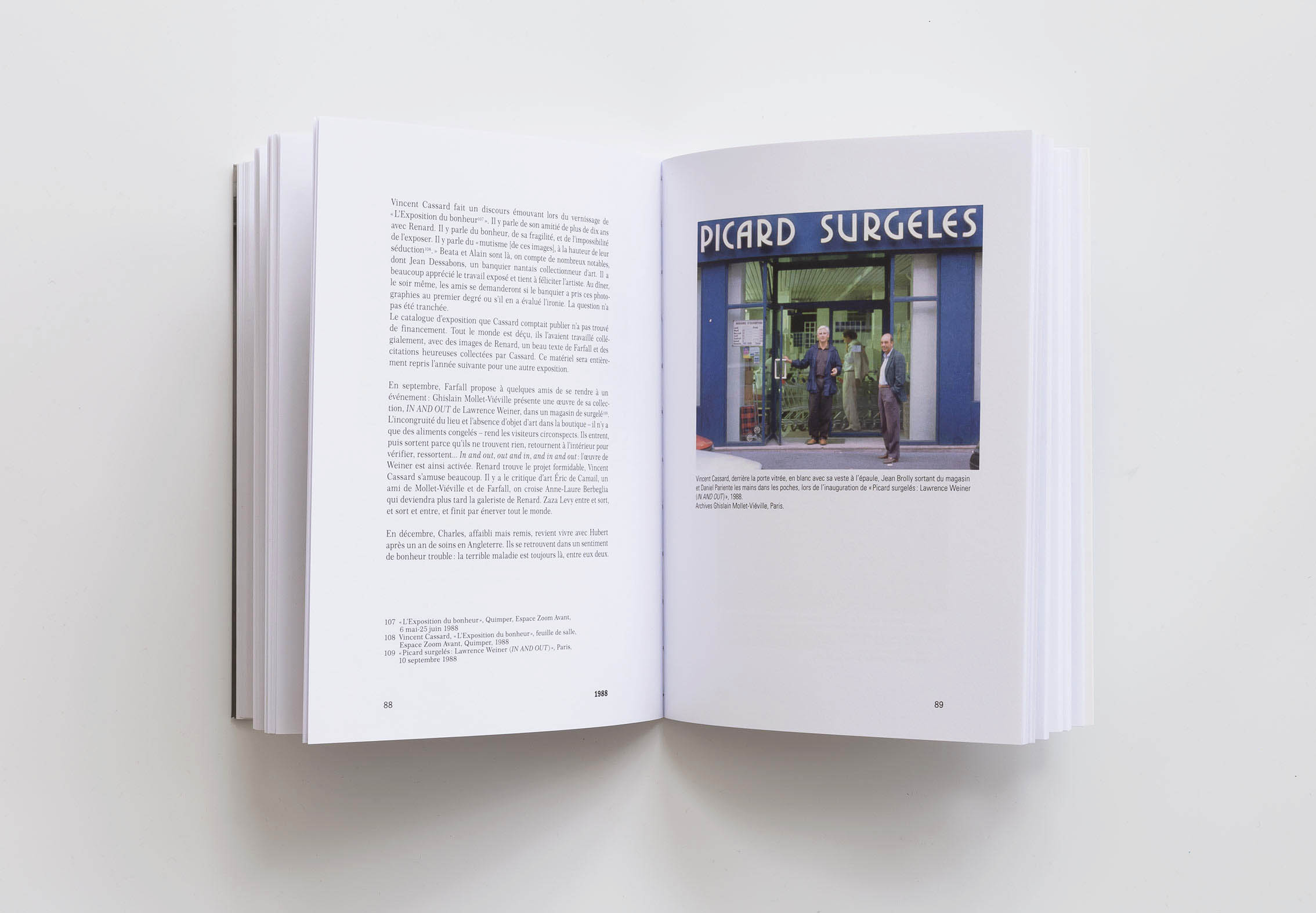
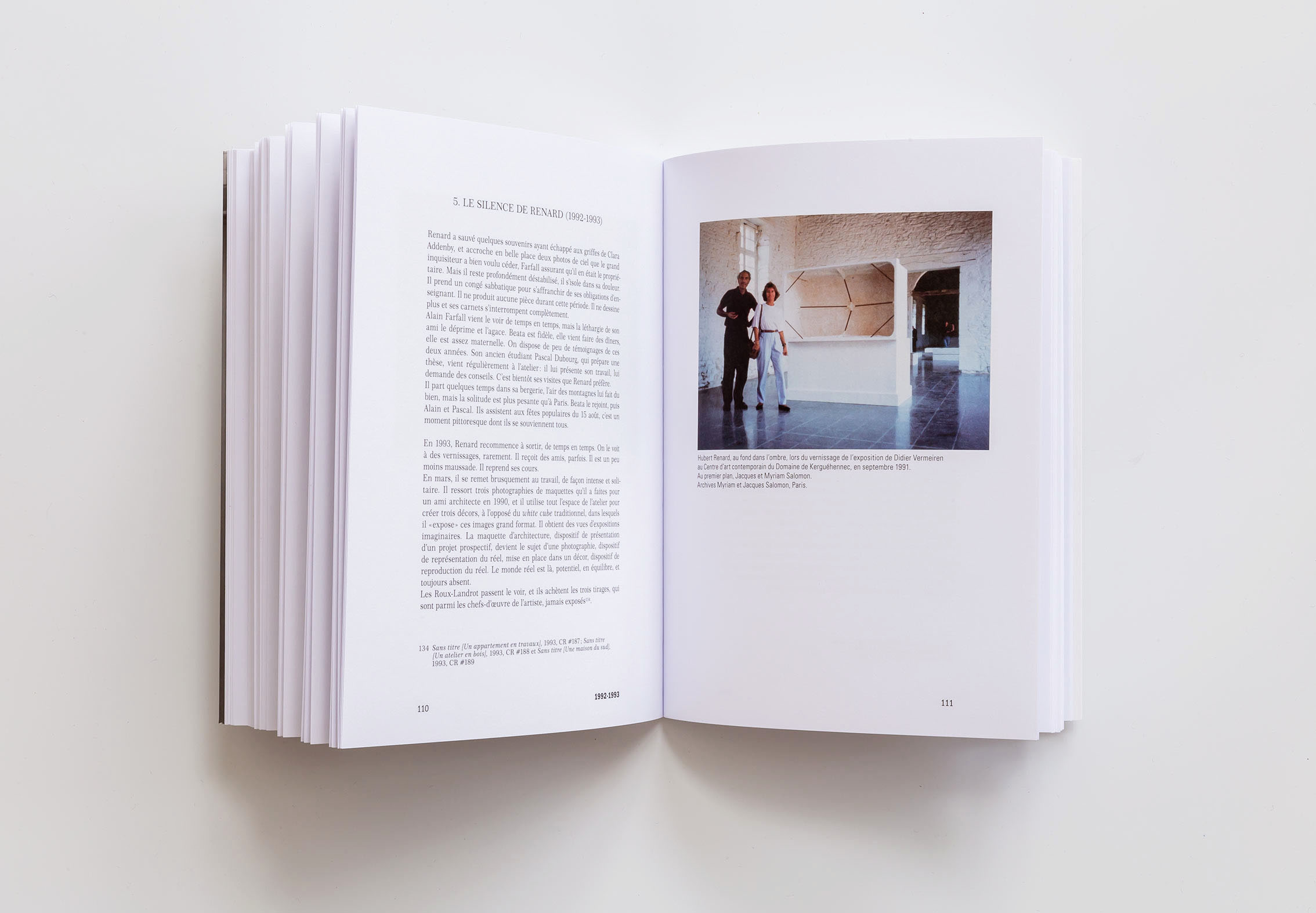
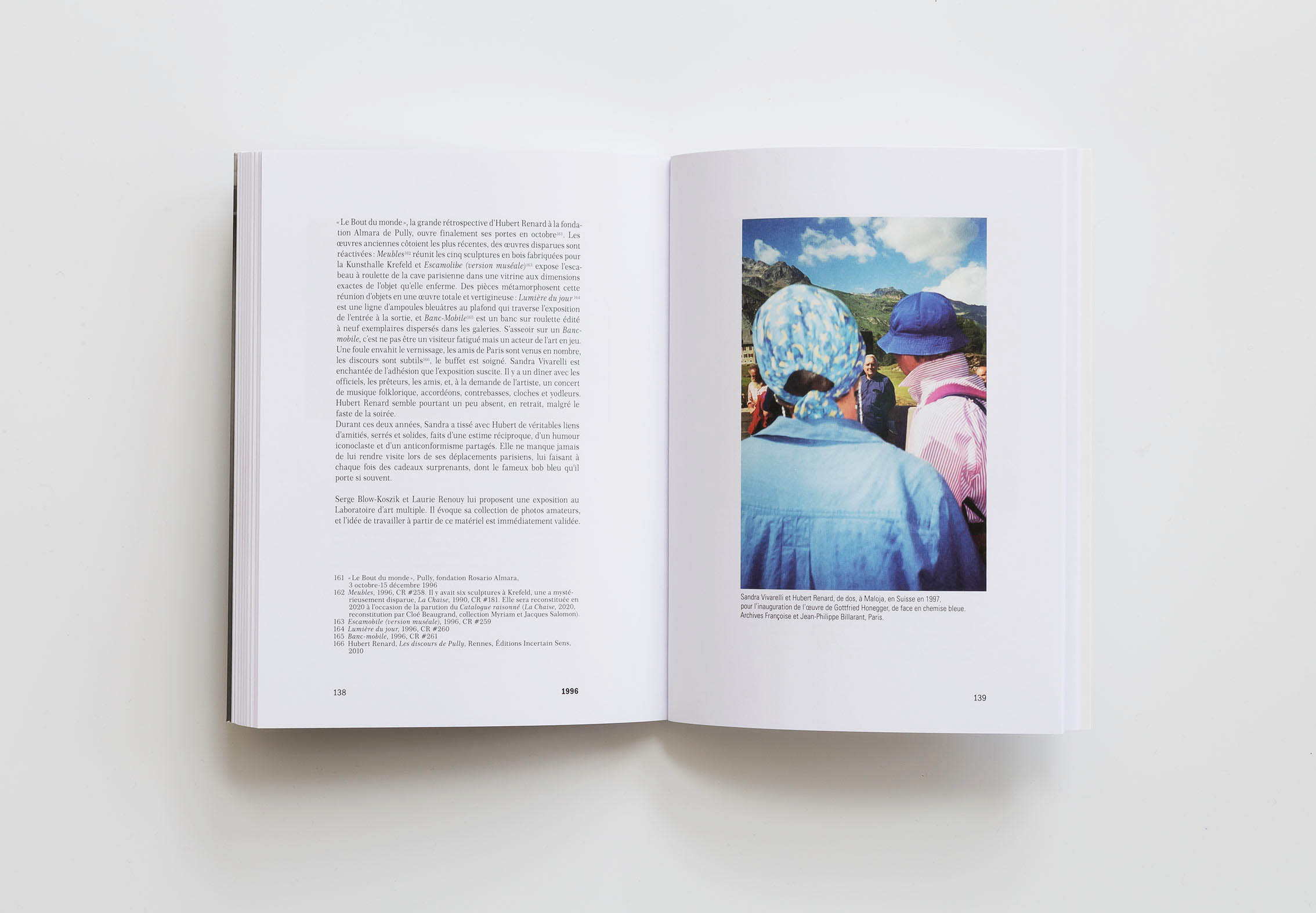
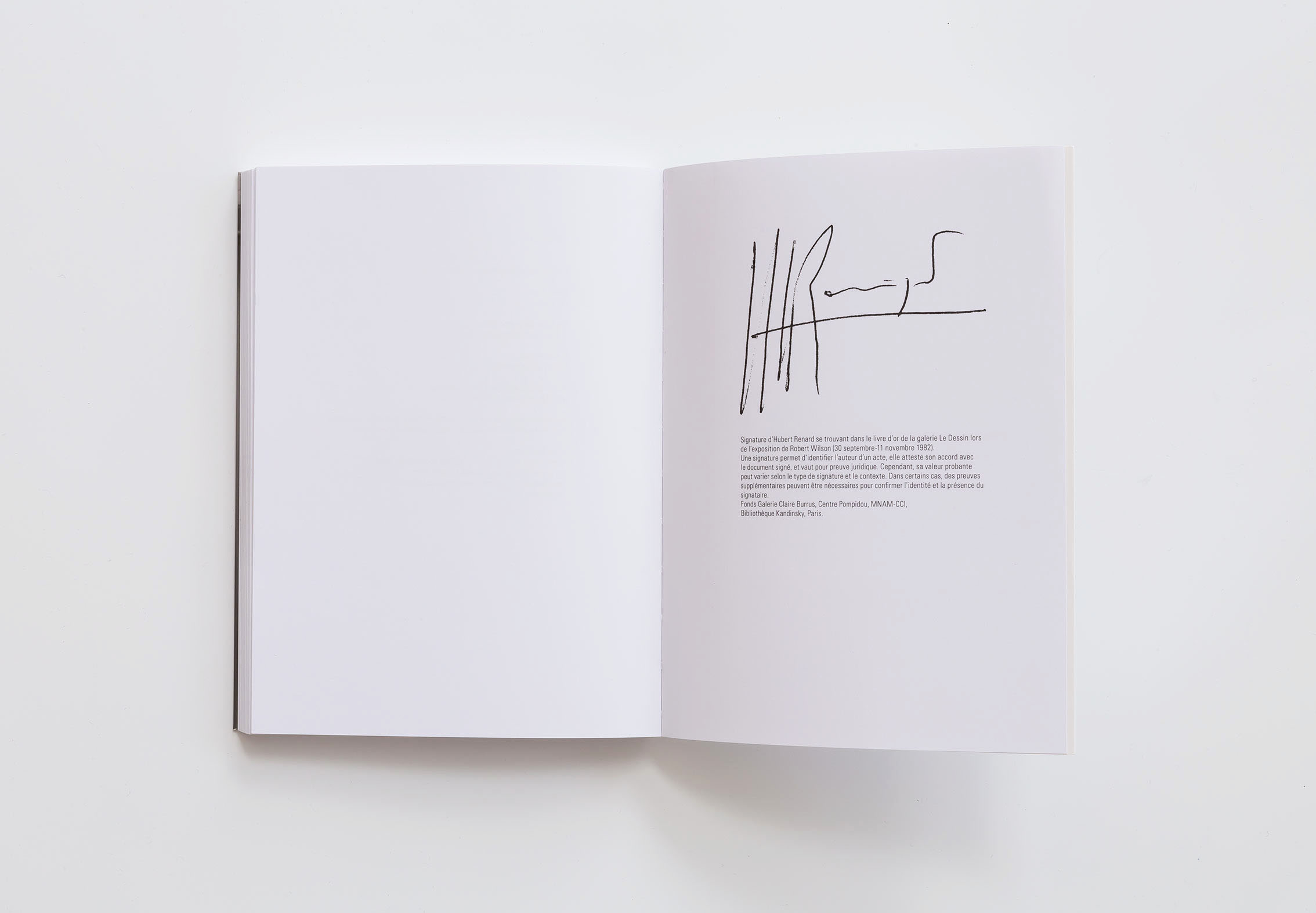
Book, 160 pages
8.66 x 6.3 in ( 22,5 x 16,5 cm )
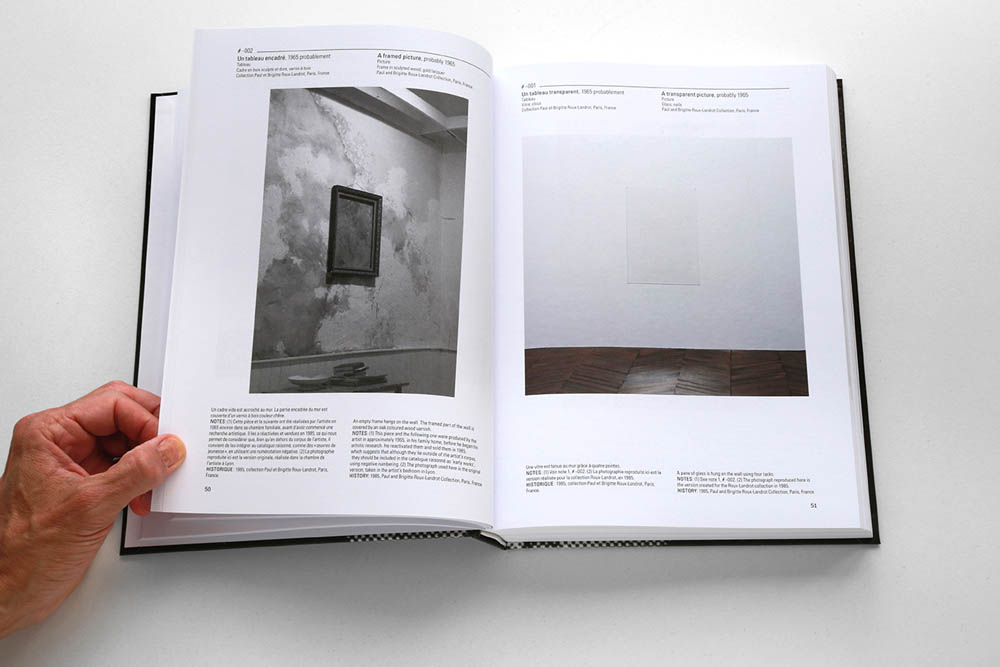
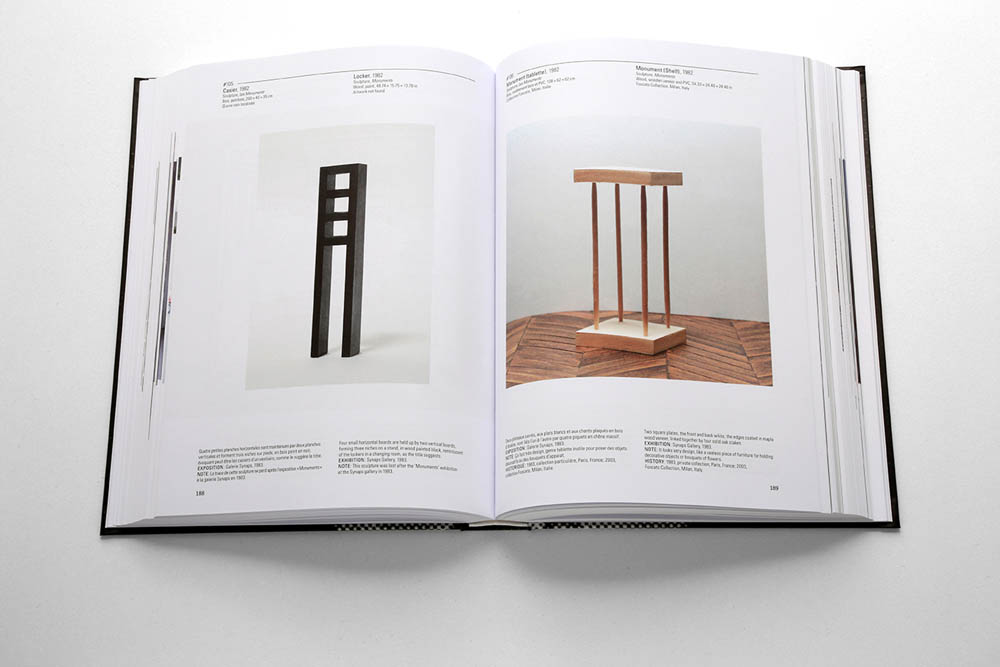
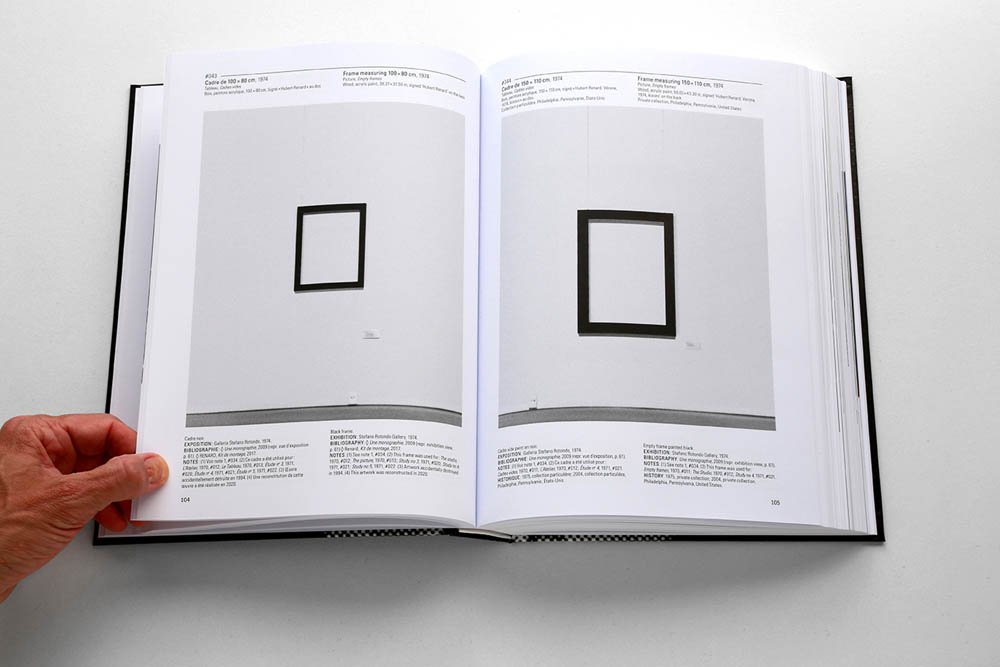
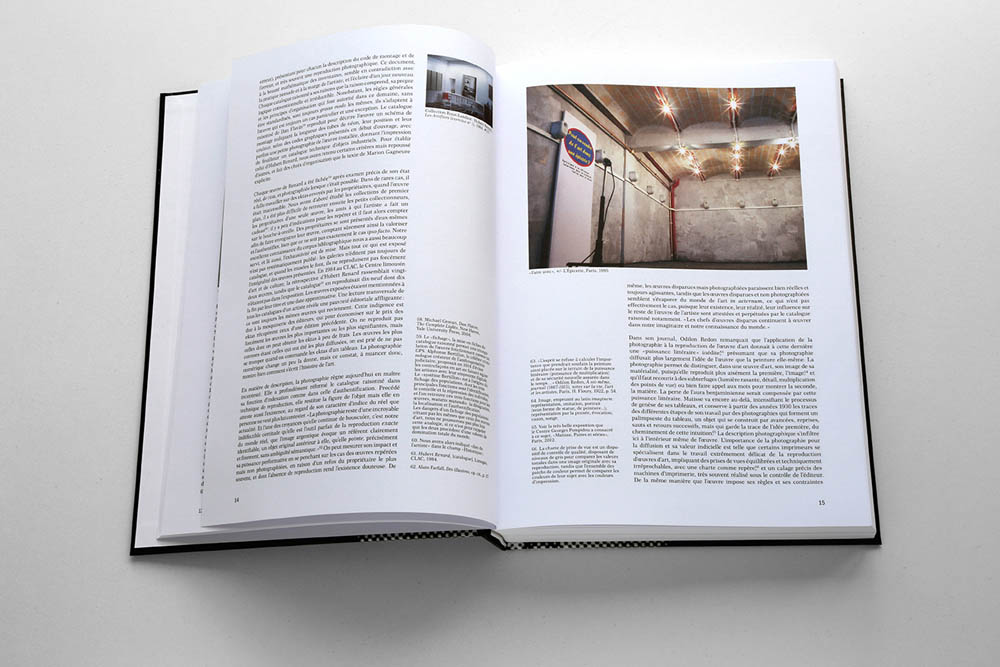
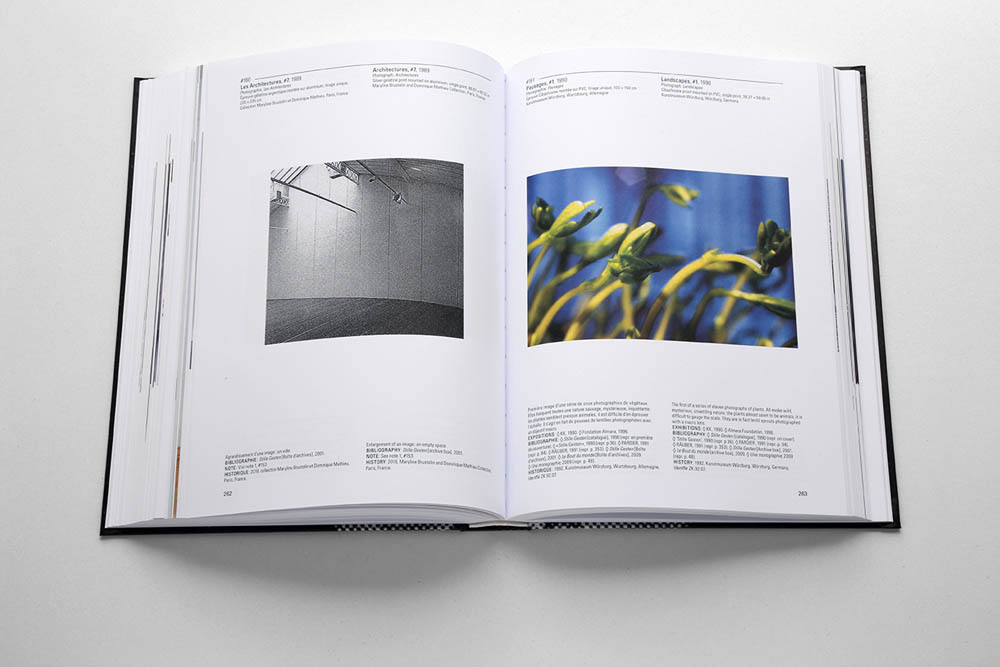
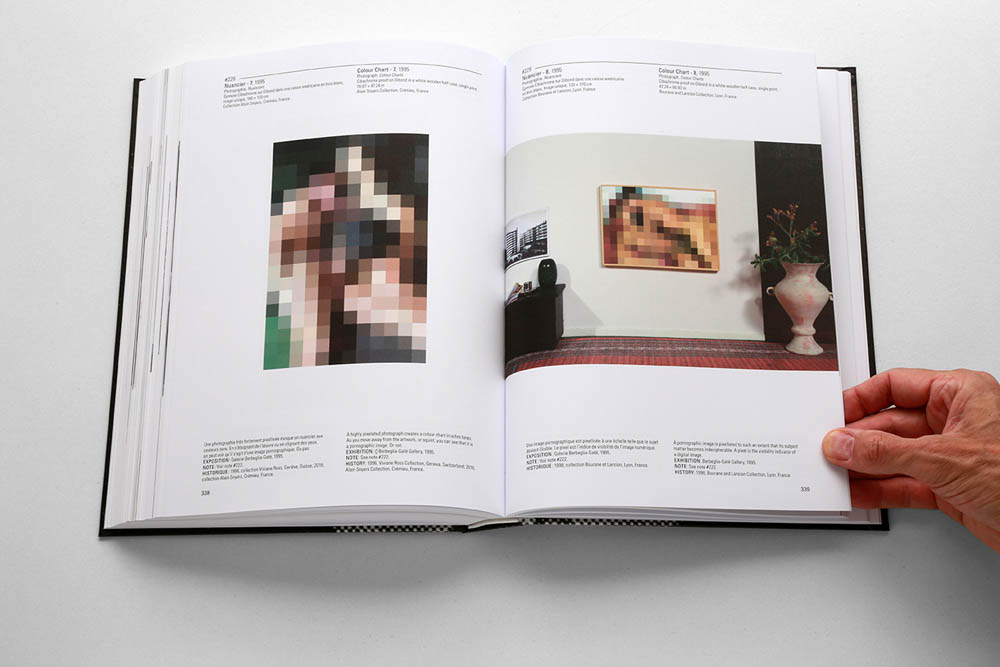
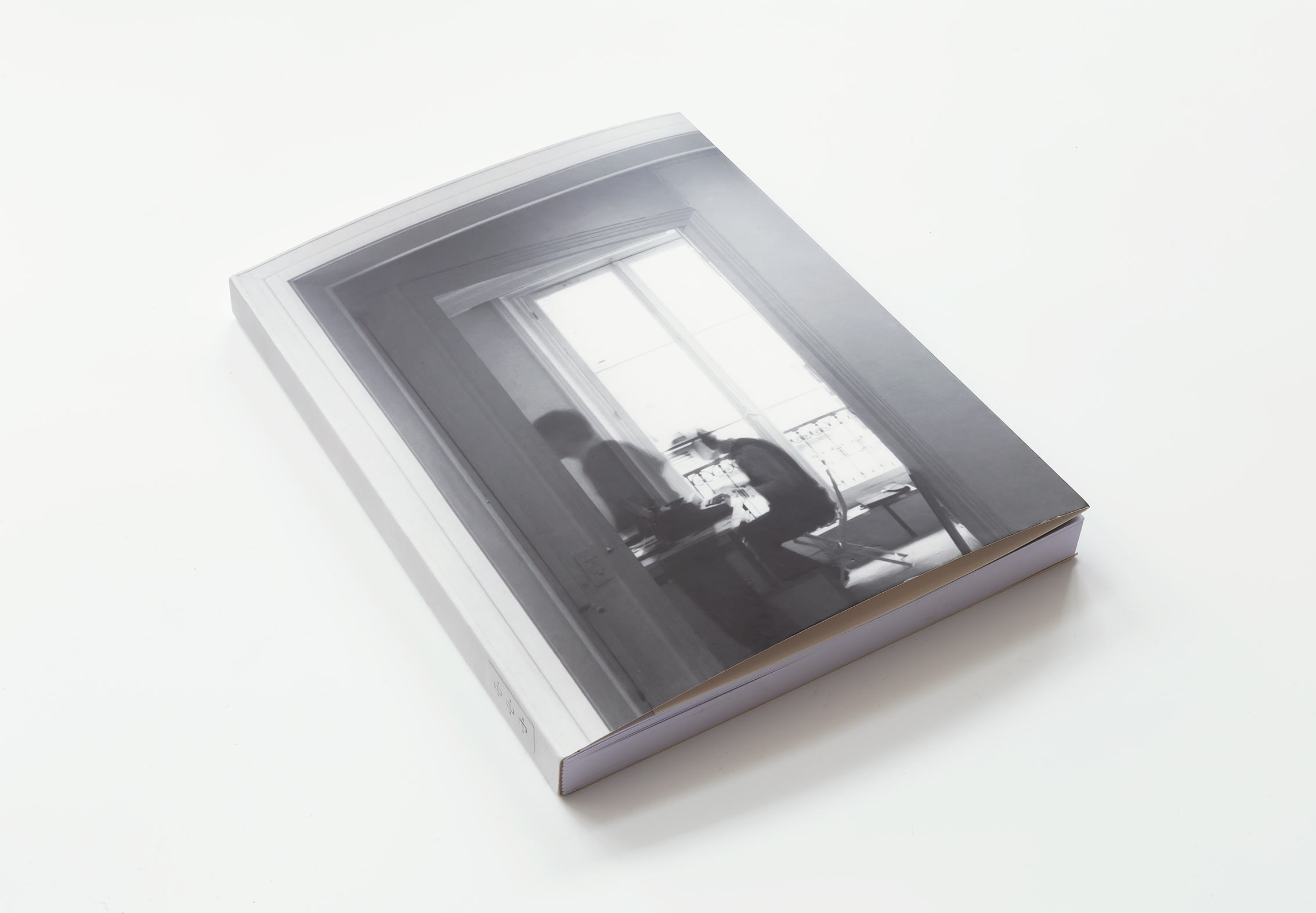
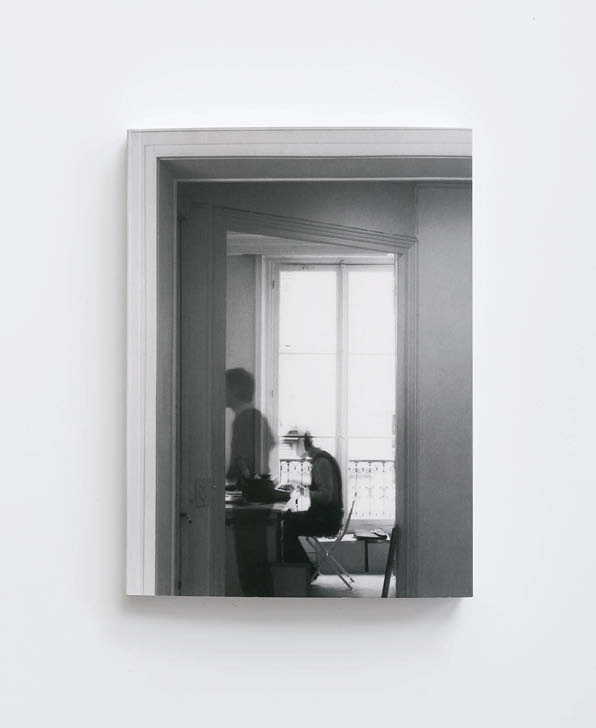
Book, 420 pages
11.81 x 8.66 in ( 30 x 22 cm )
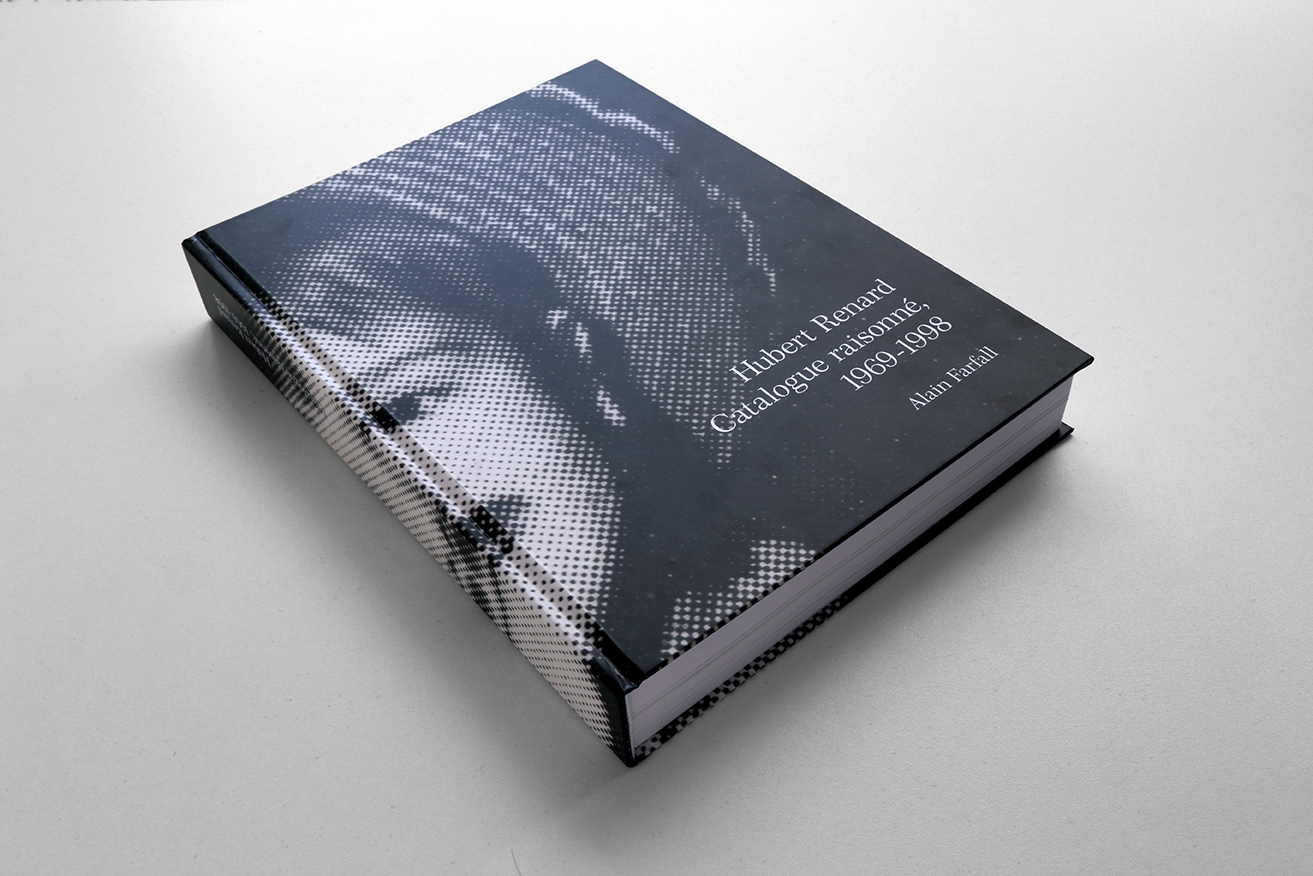
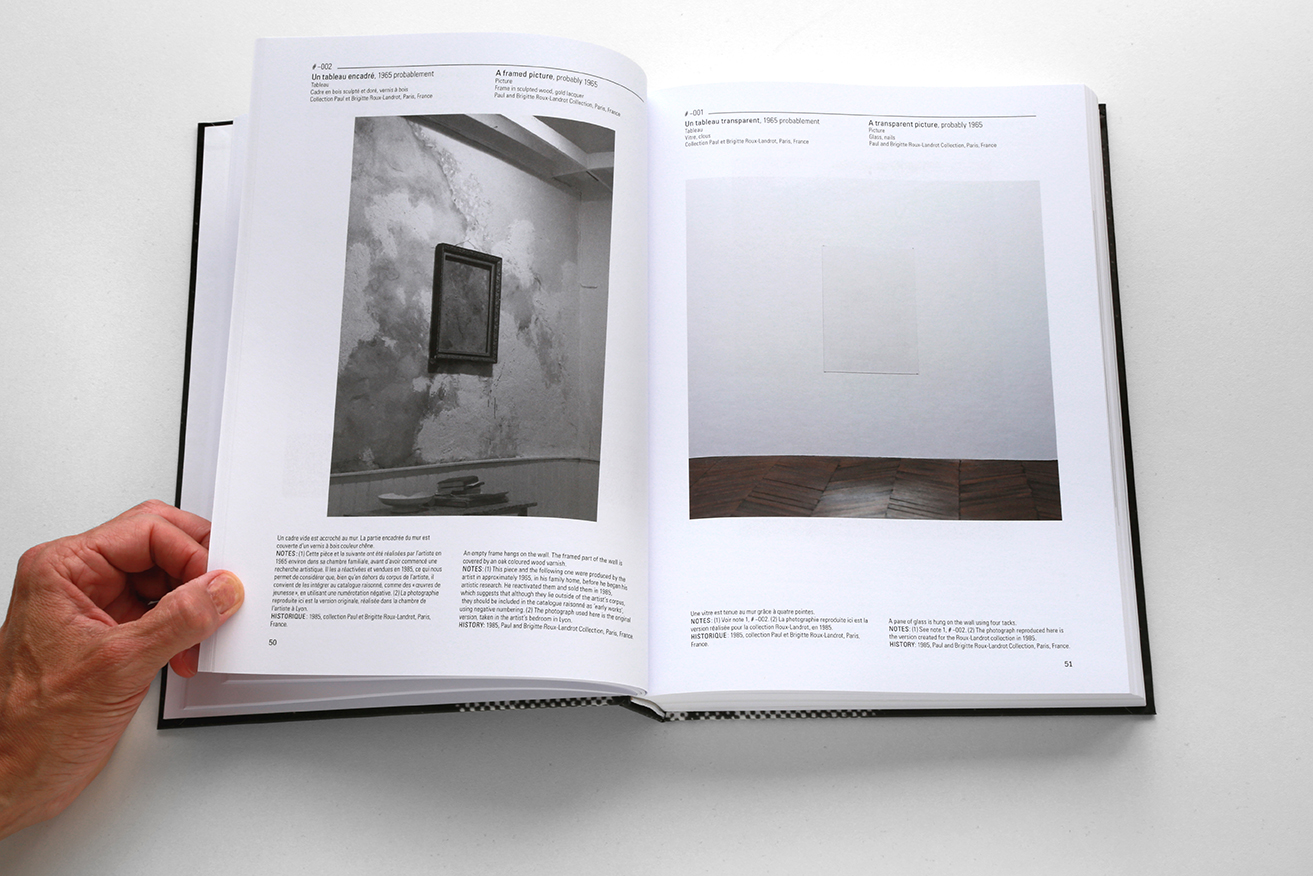
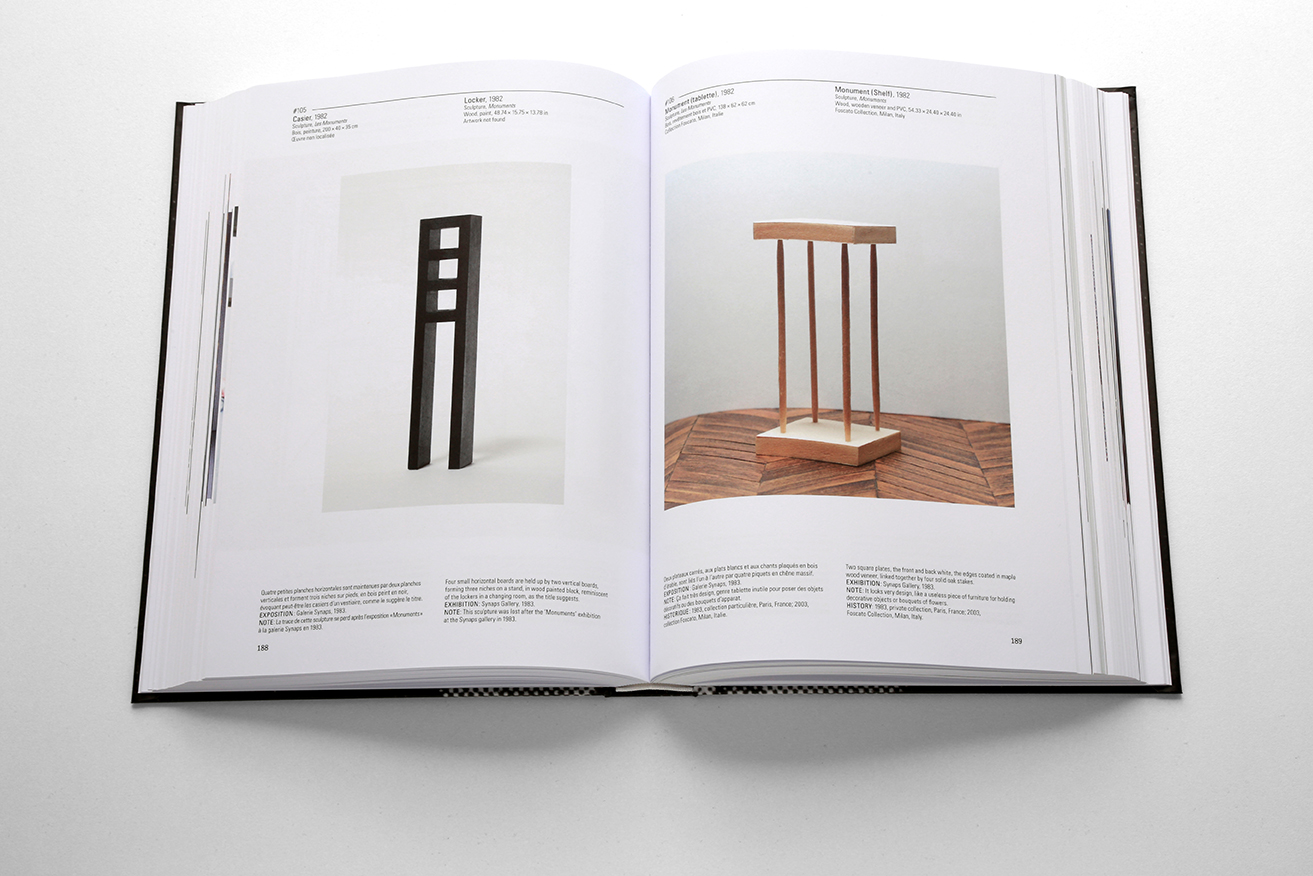
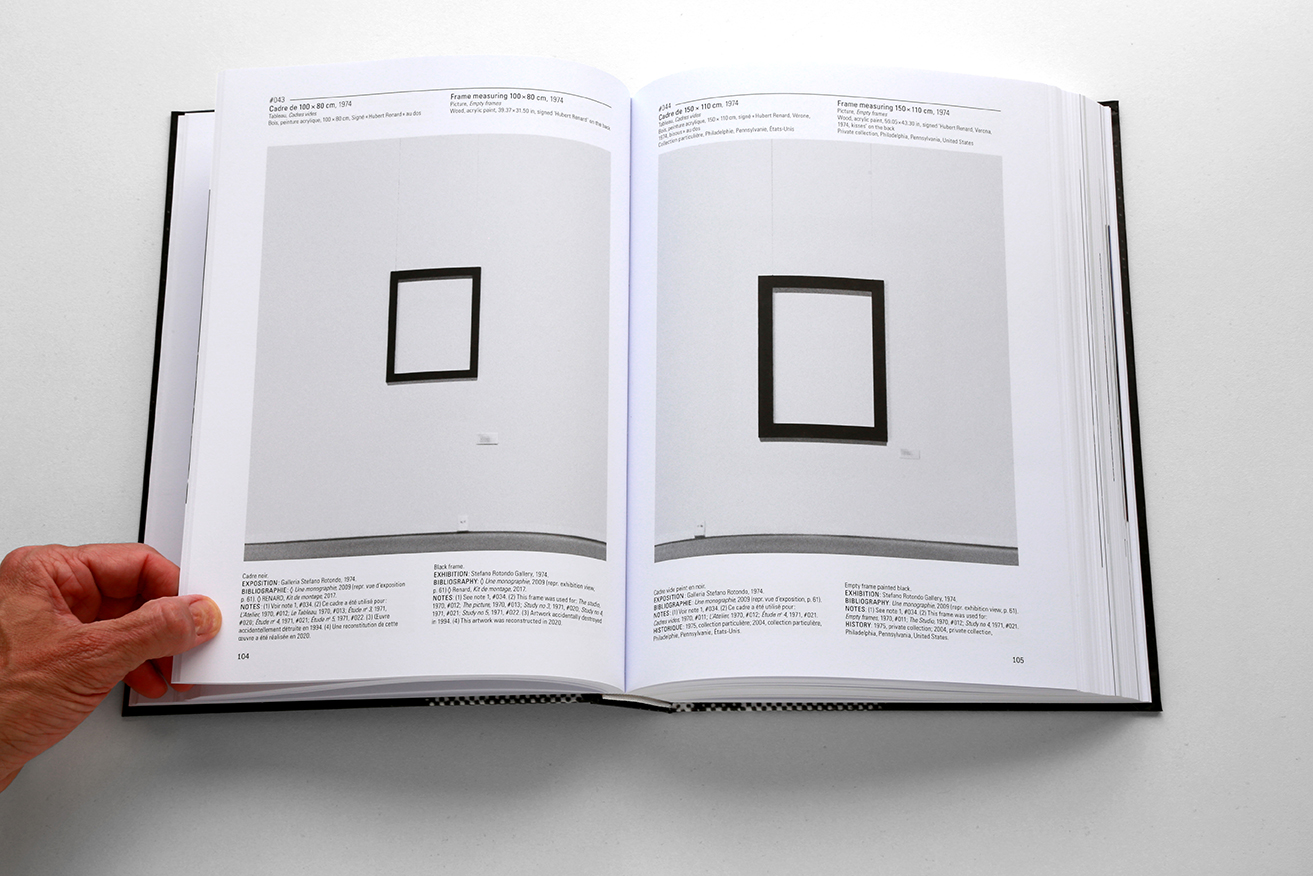
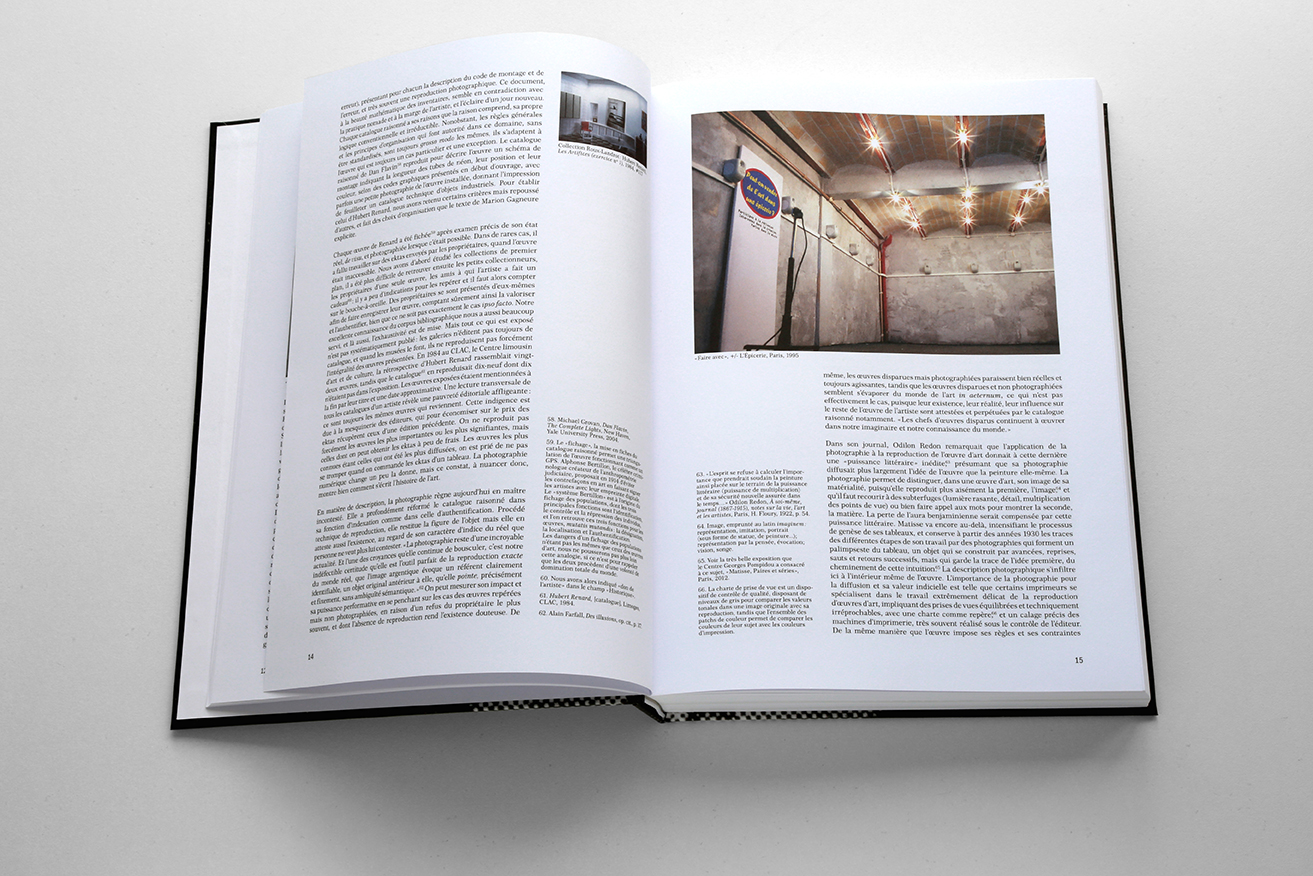
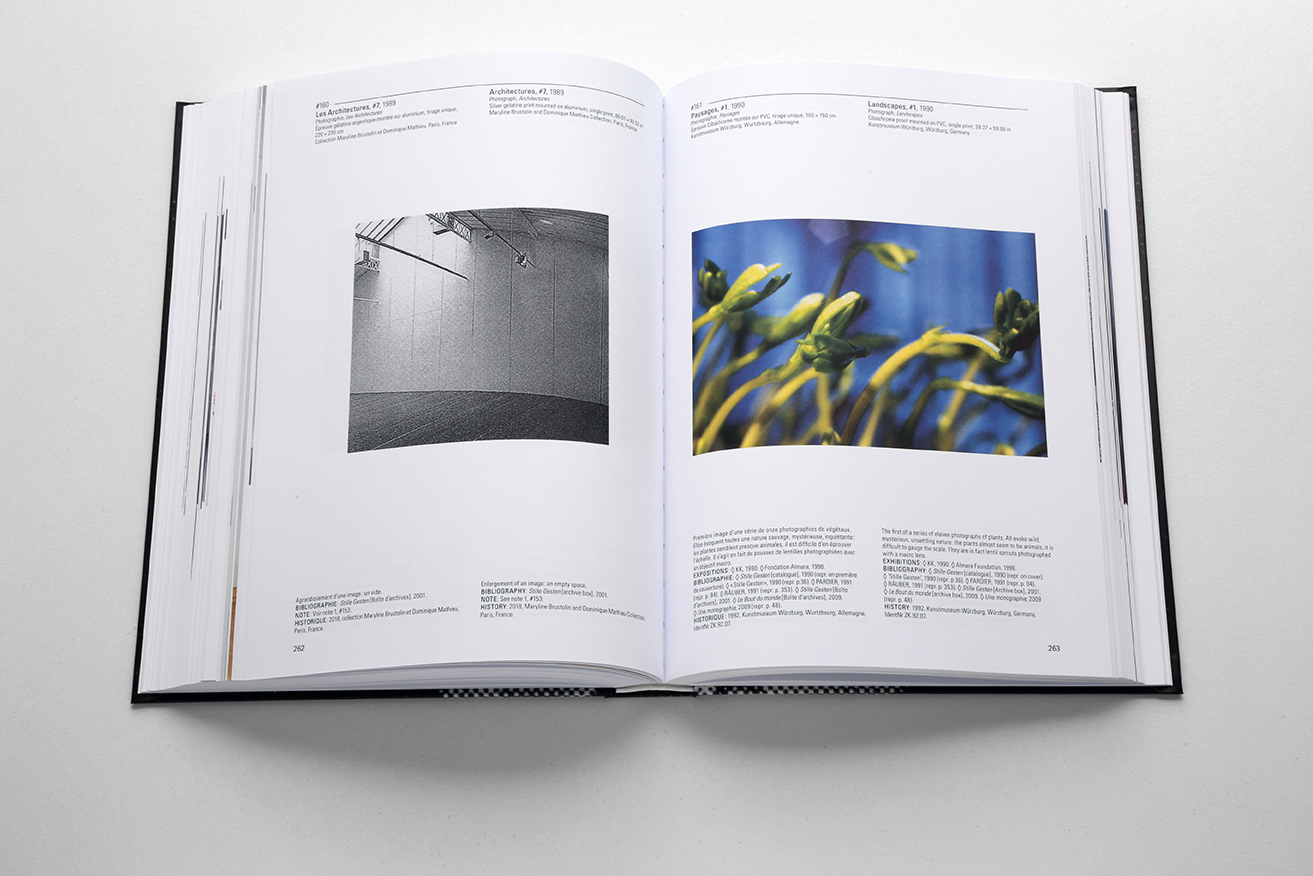
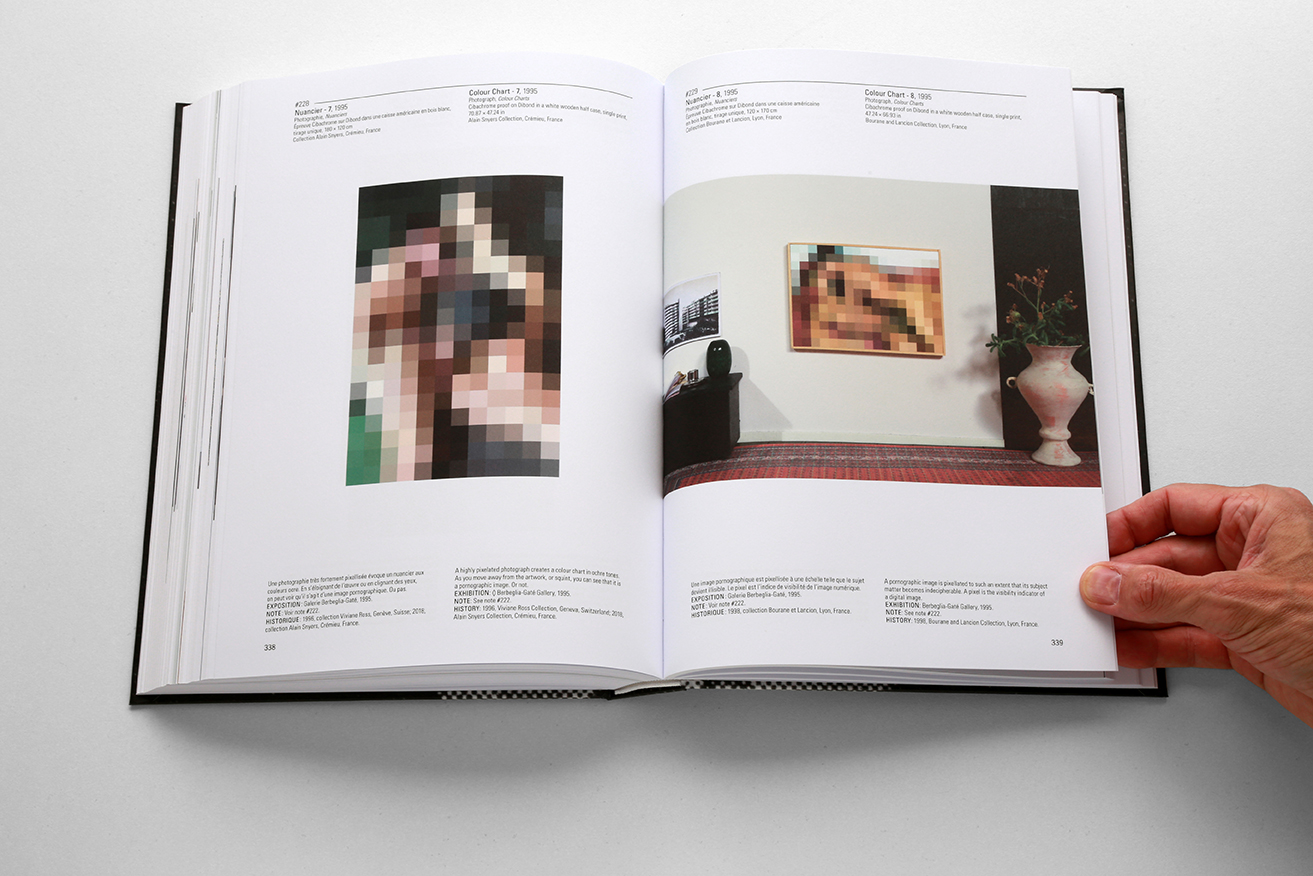
Book, 420 pages
11.81 x 8.66 in ( 30 x 22 cm )
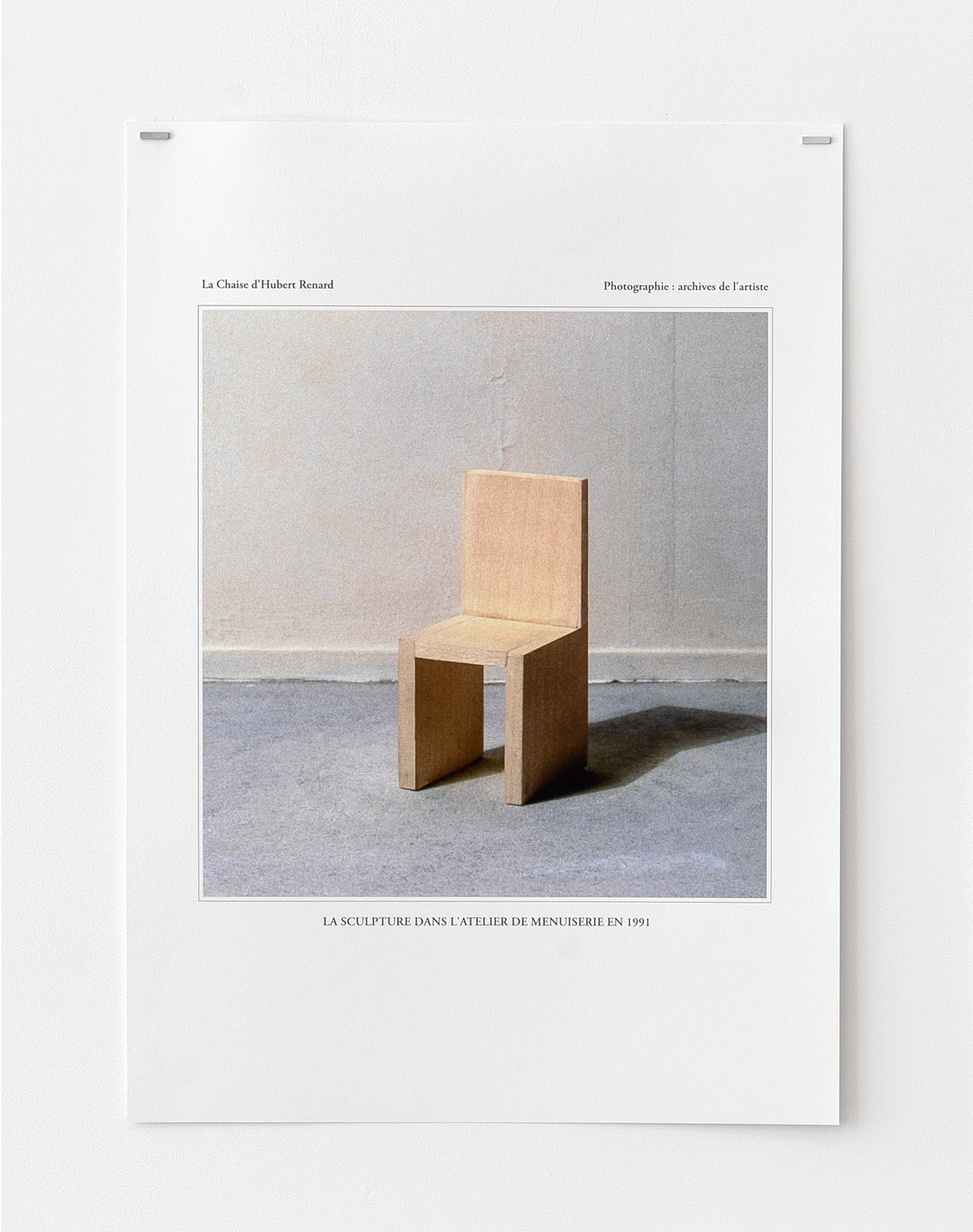
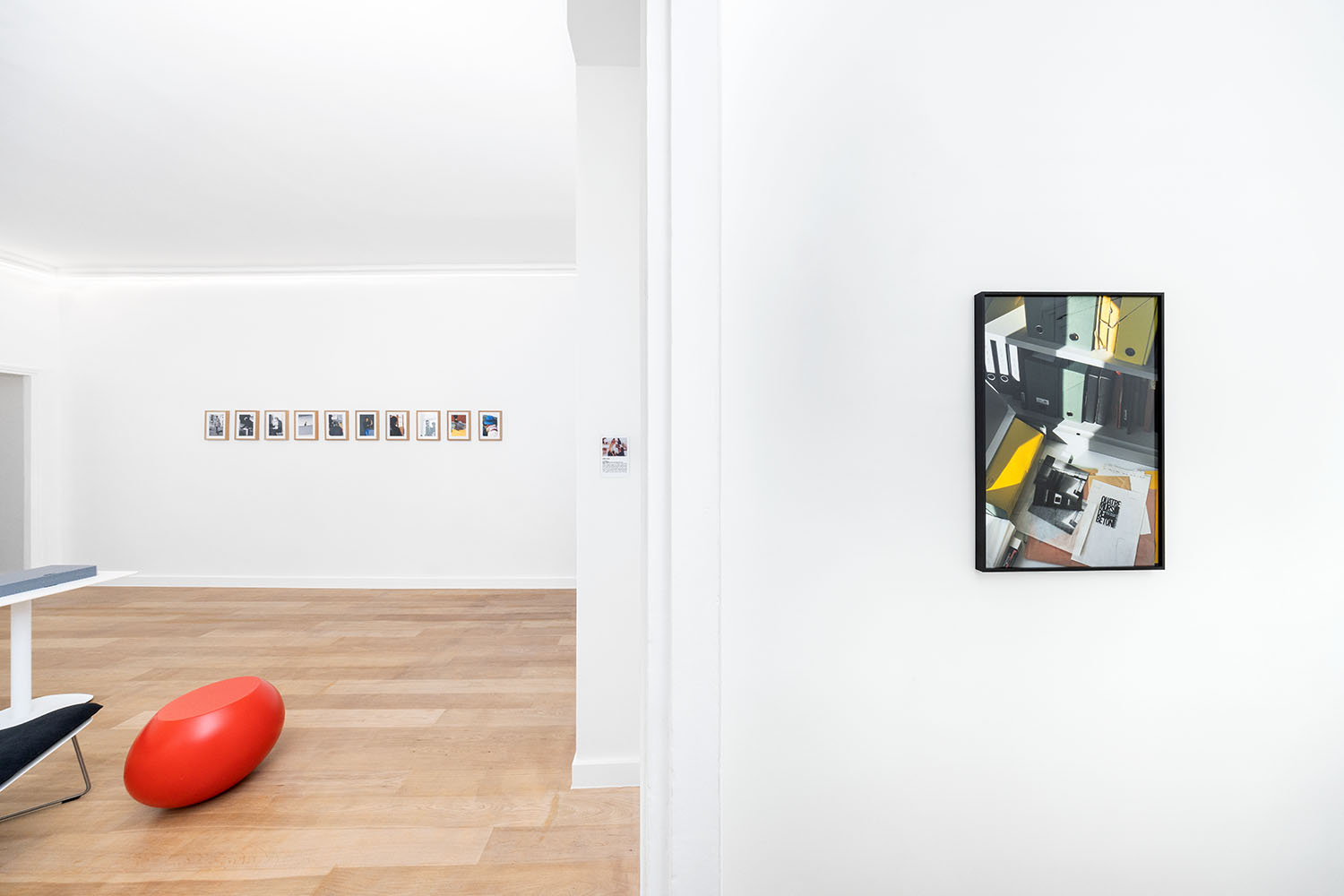
Photographic print, inkjet print on Hahnemühle paper 308g
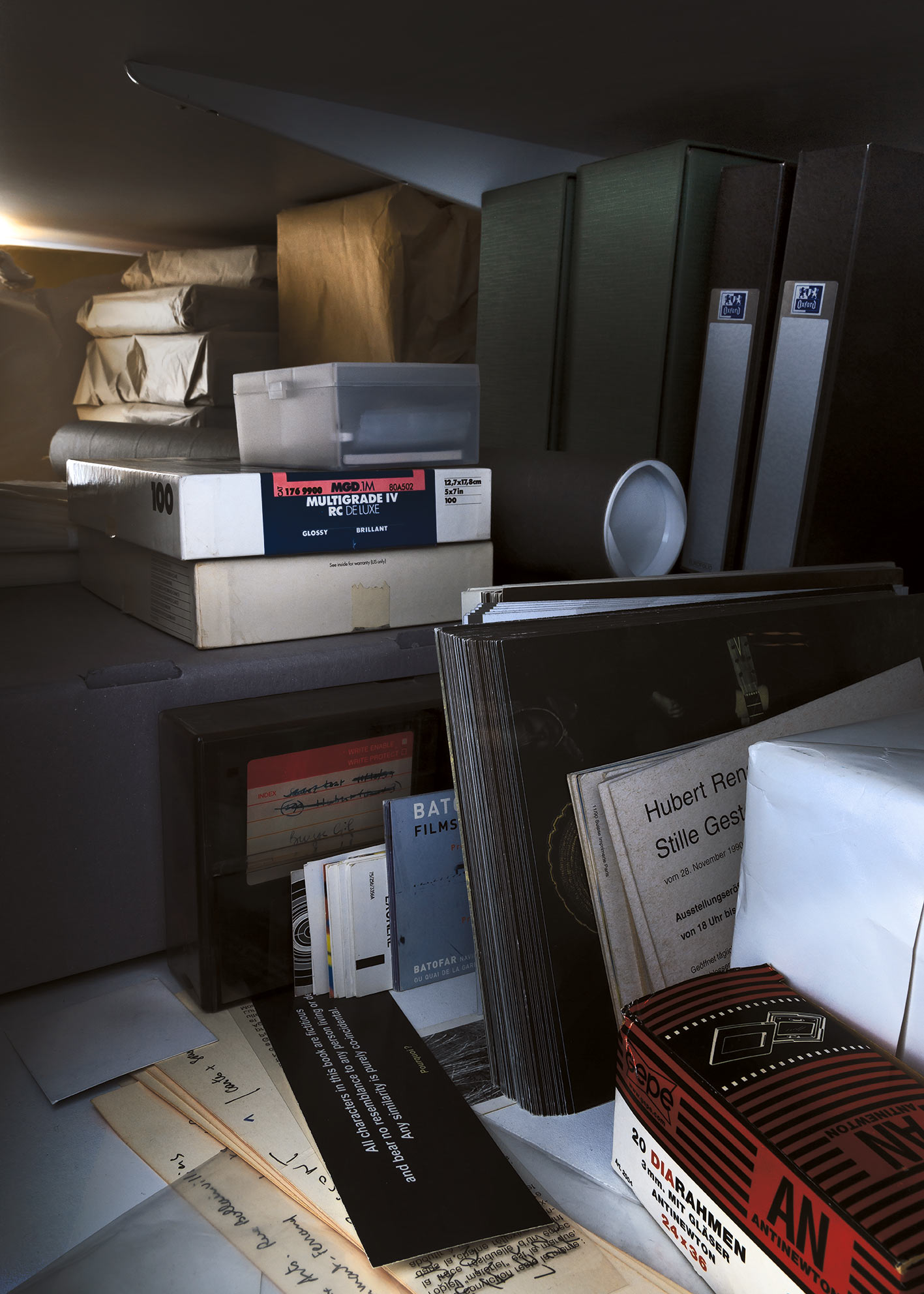
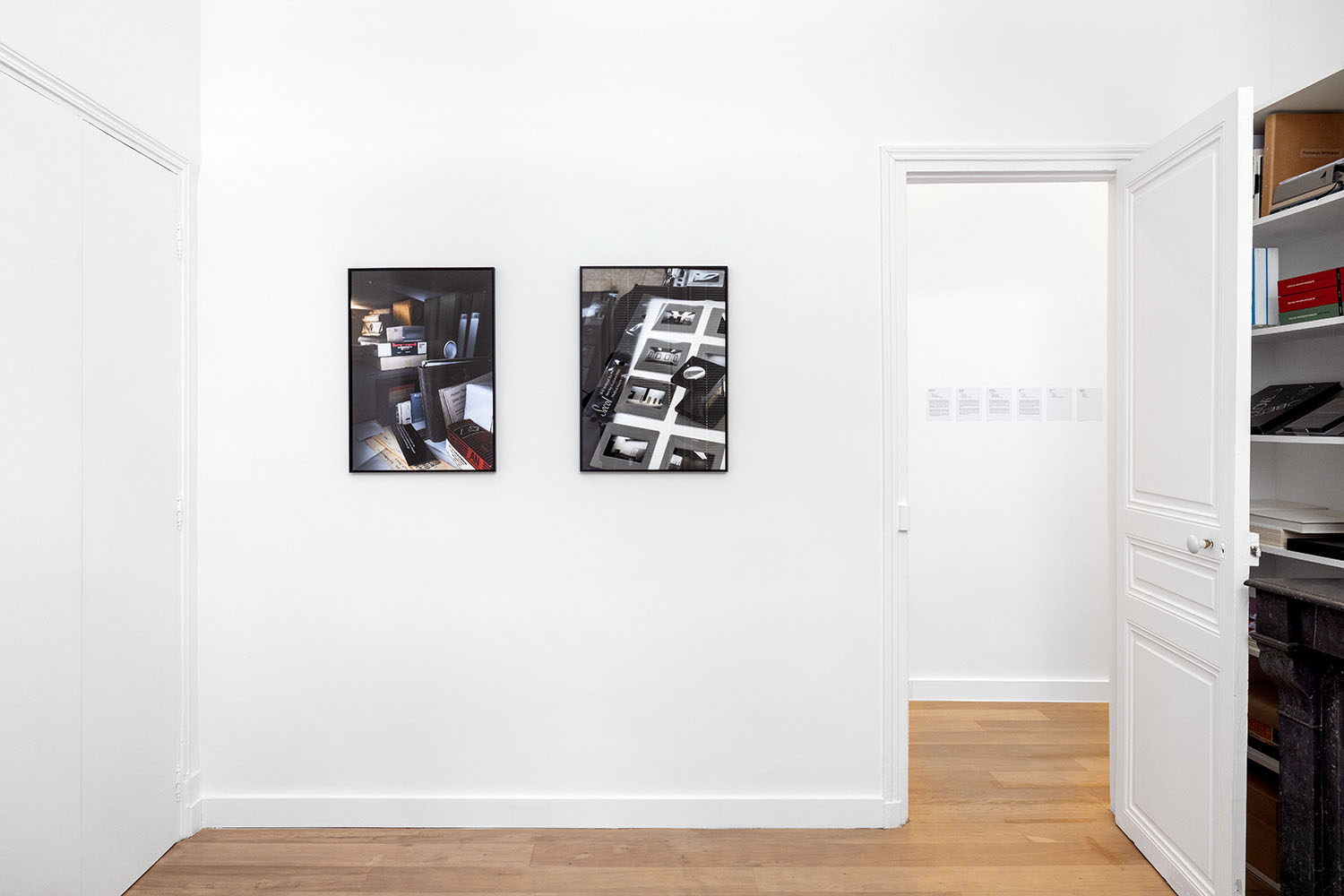
27.56 x 19.69 in ( 70 x 50 cm )
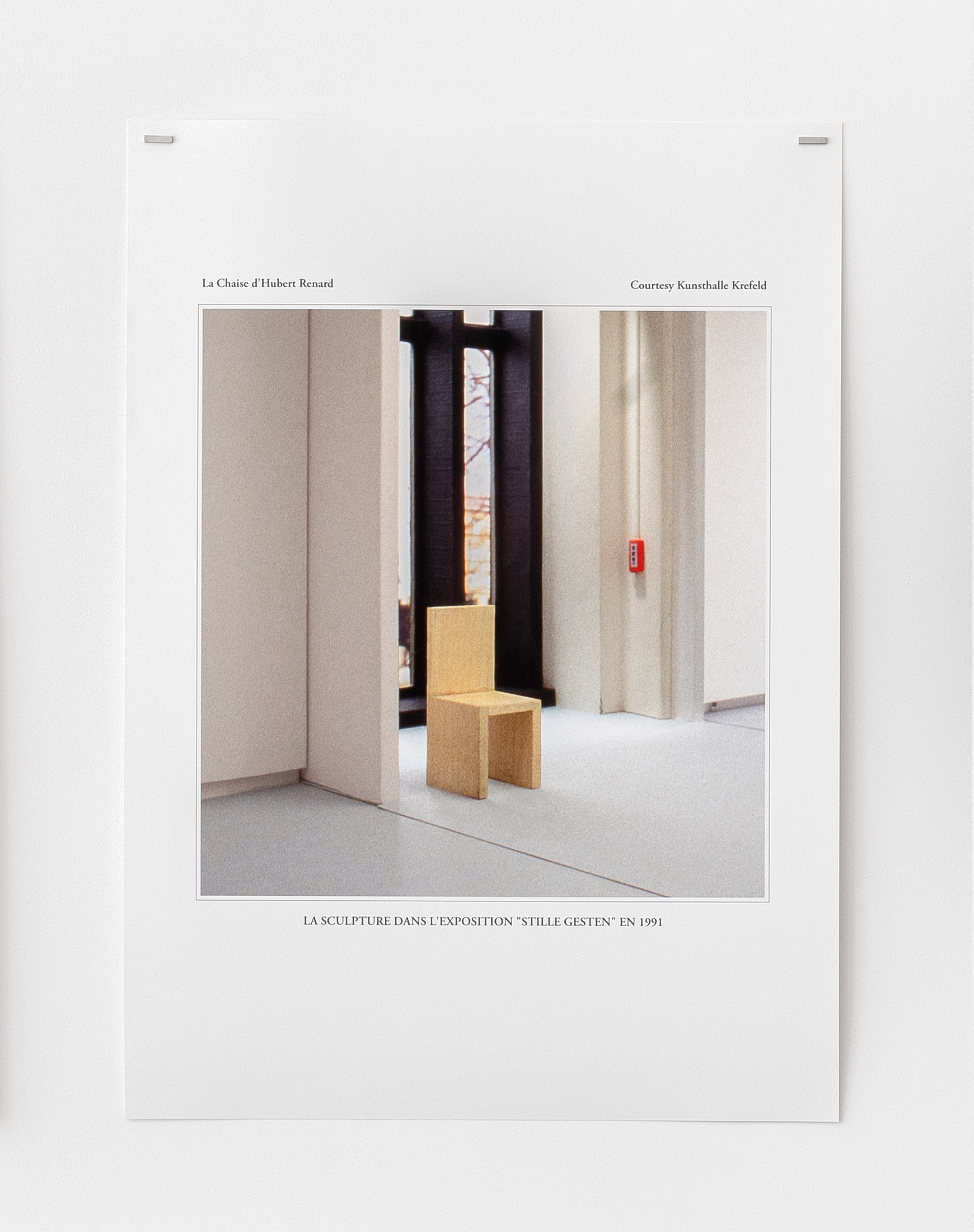
Photographic print, inkjet print on Hahnemühle paper 308g
27.56 x 19.69 in ( 70 x 50 cm )
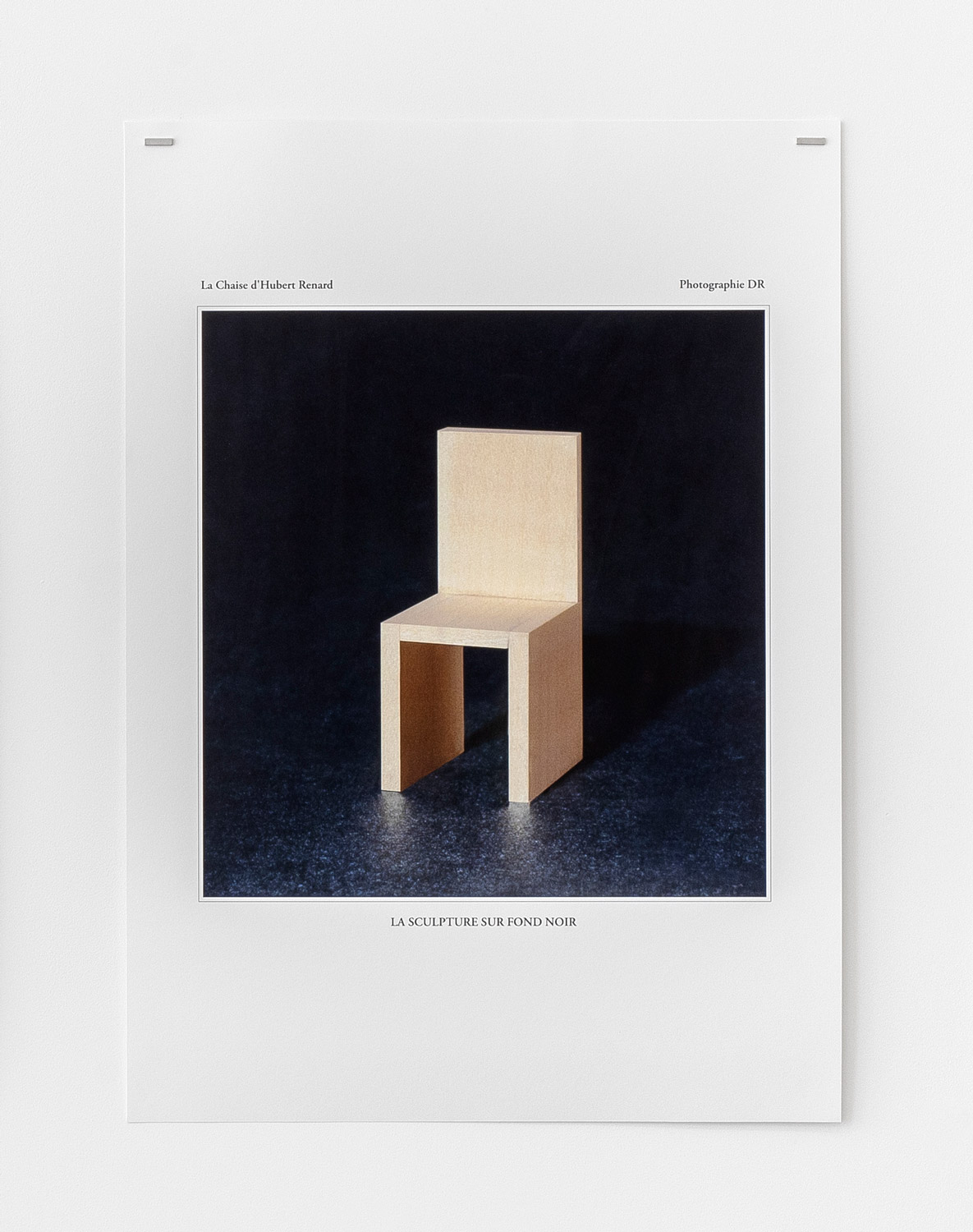
Photographic print, inkjet print on Hahnemühle paper 308g
27.56 x 19.69 in ( 70 x 50 cm )
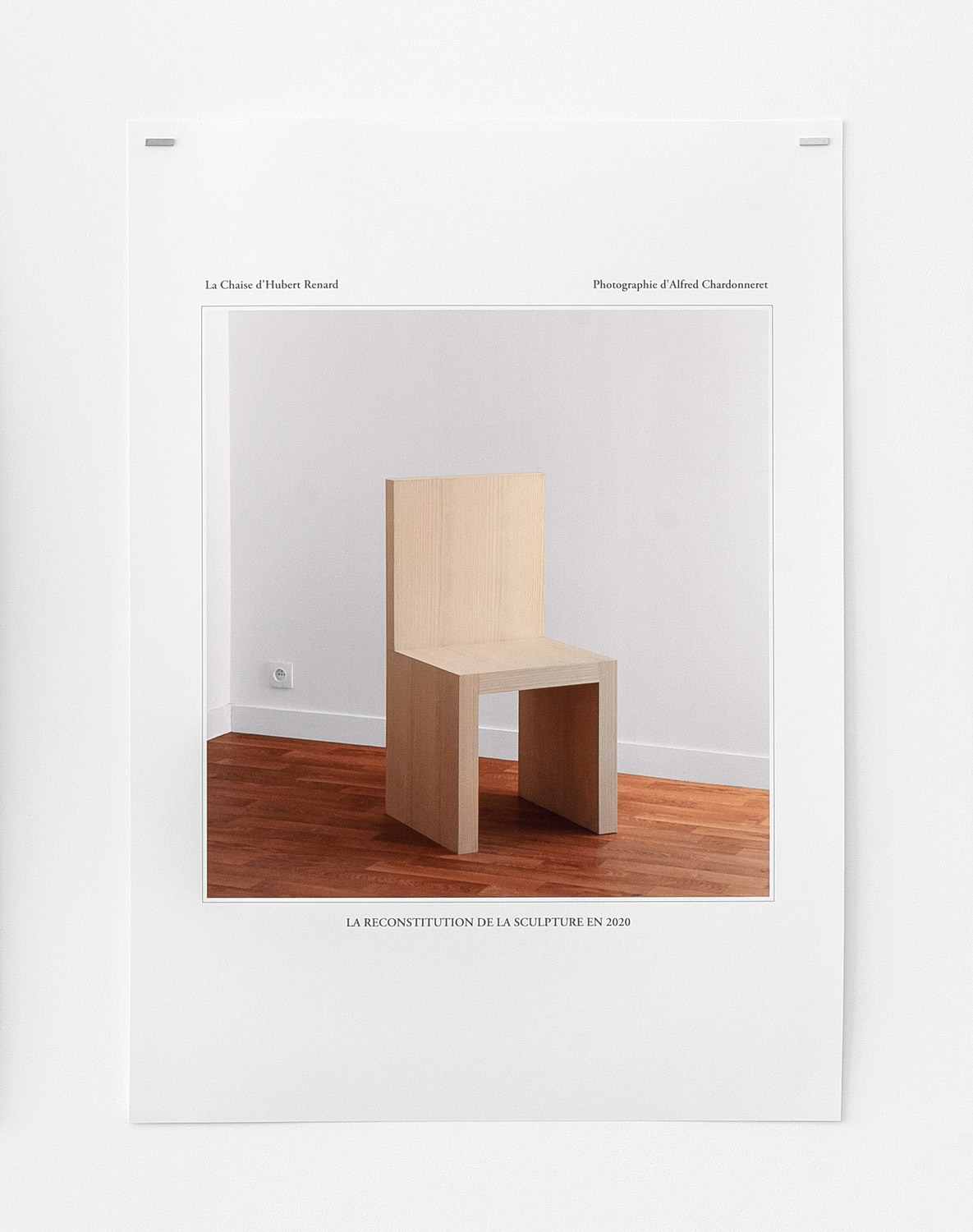
Photographic print, inkjet print on Hahnemühle paper 308g
27.56 x 19.69 in ( 70 x 50 cm )
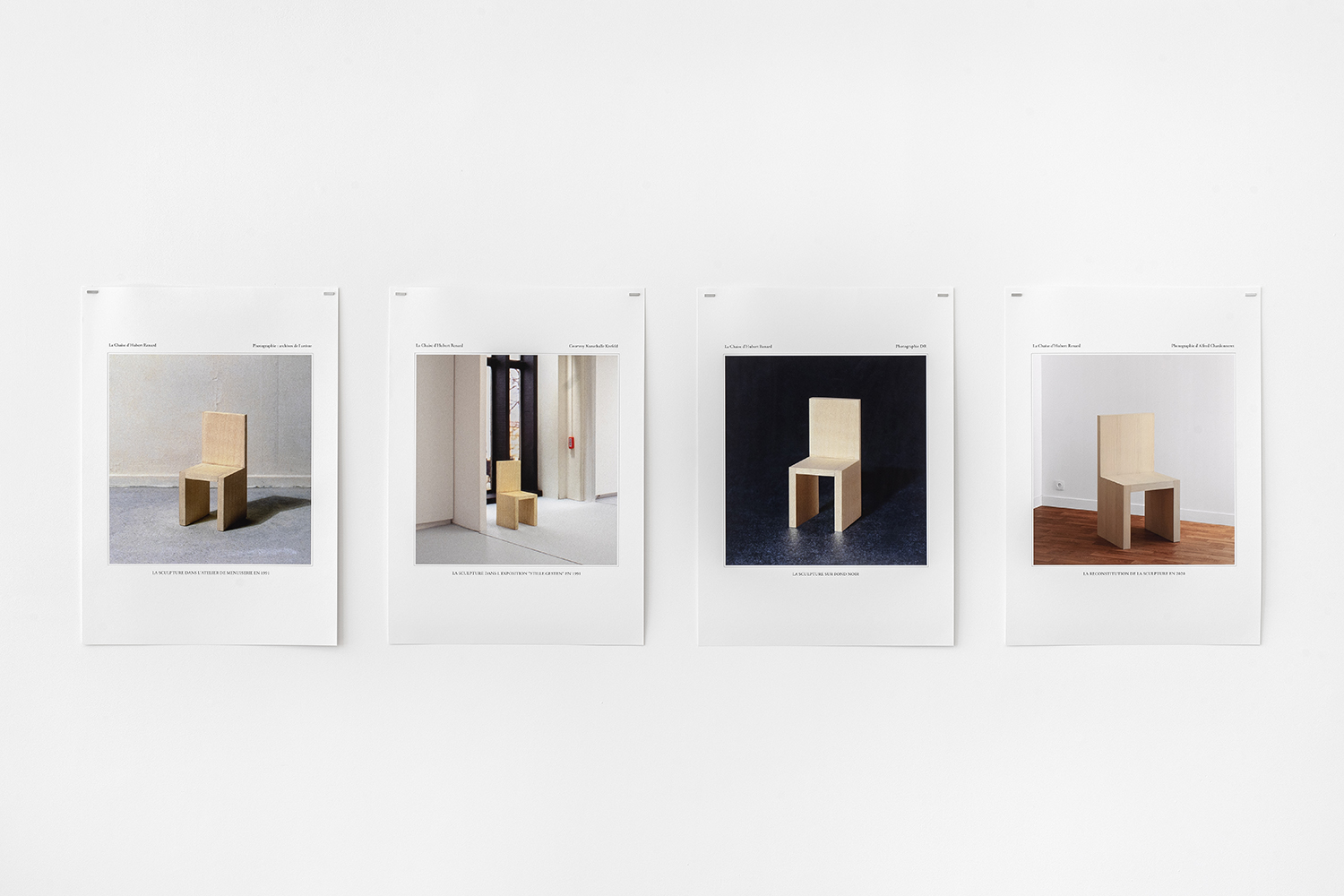
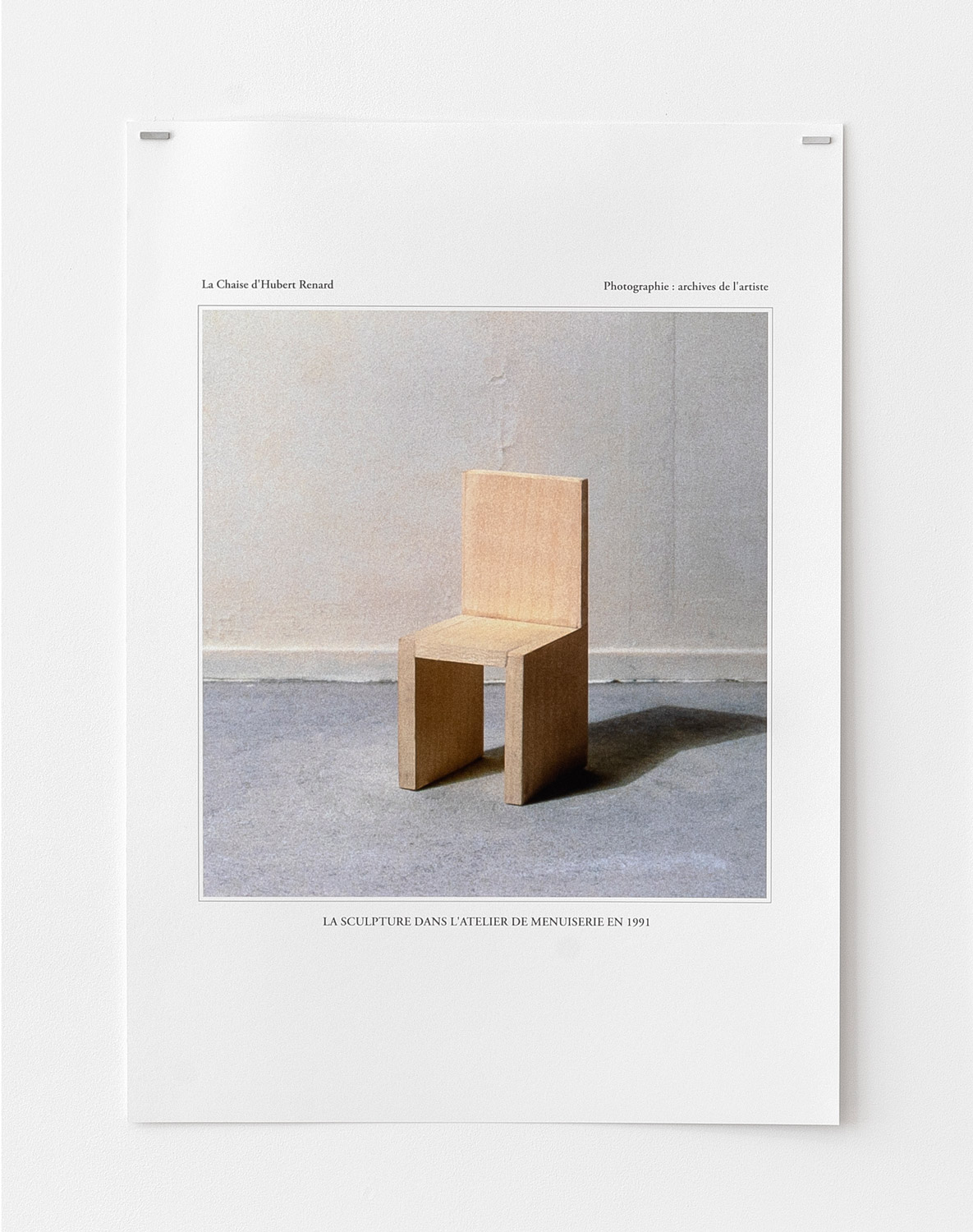
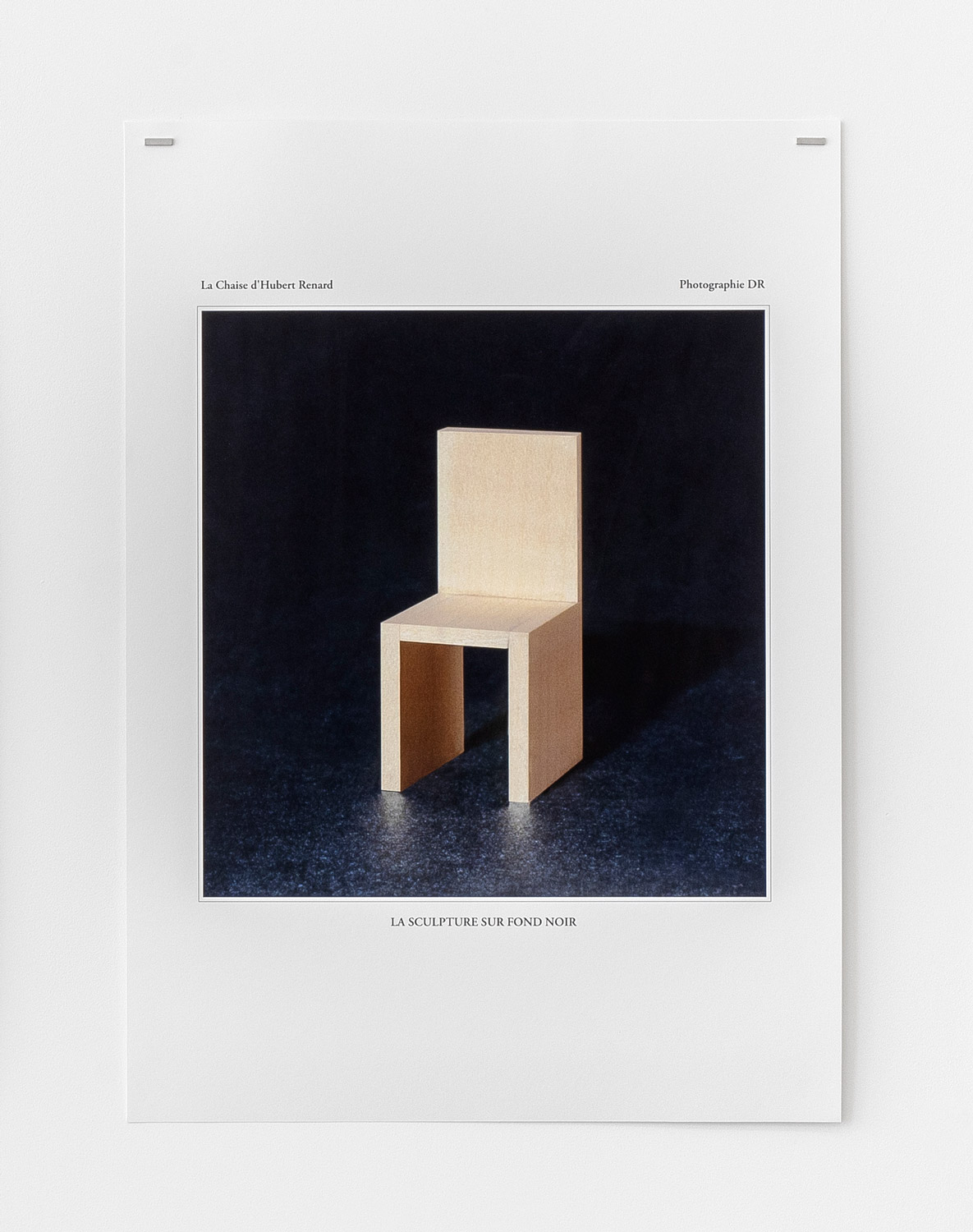
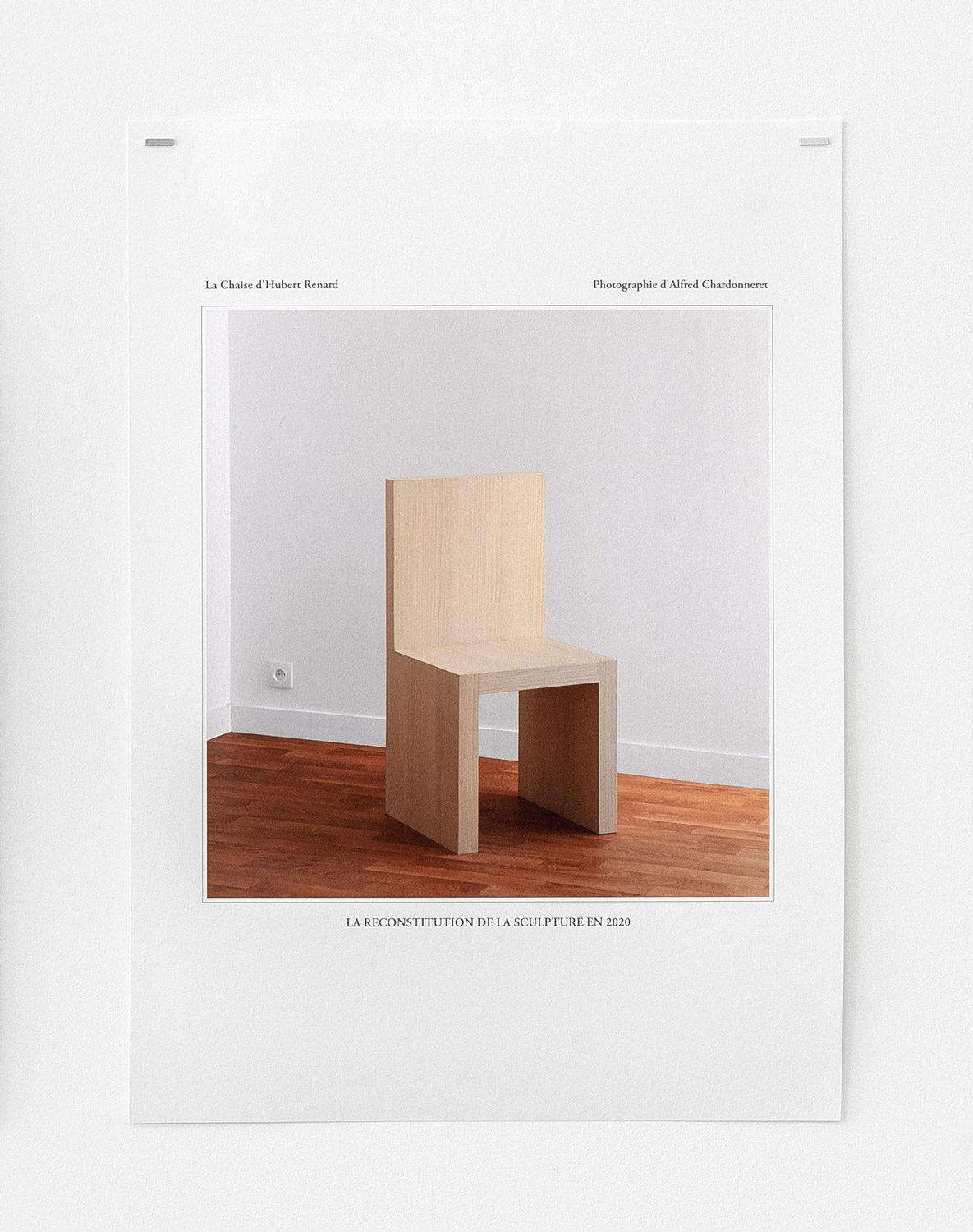
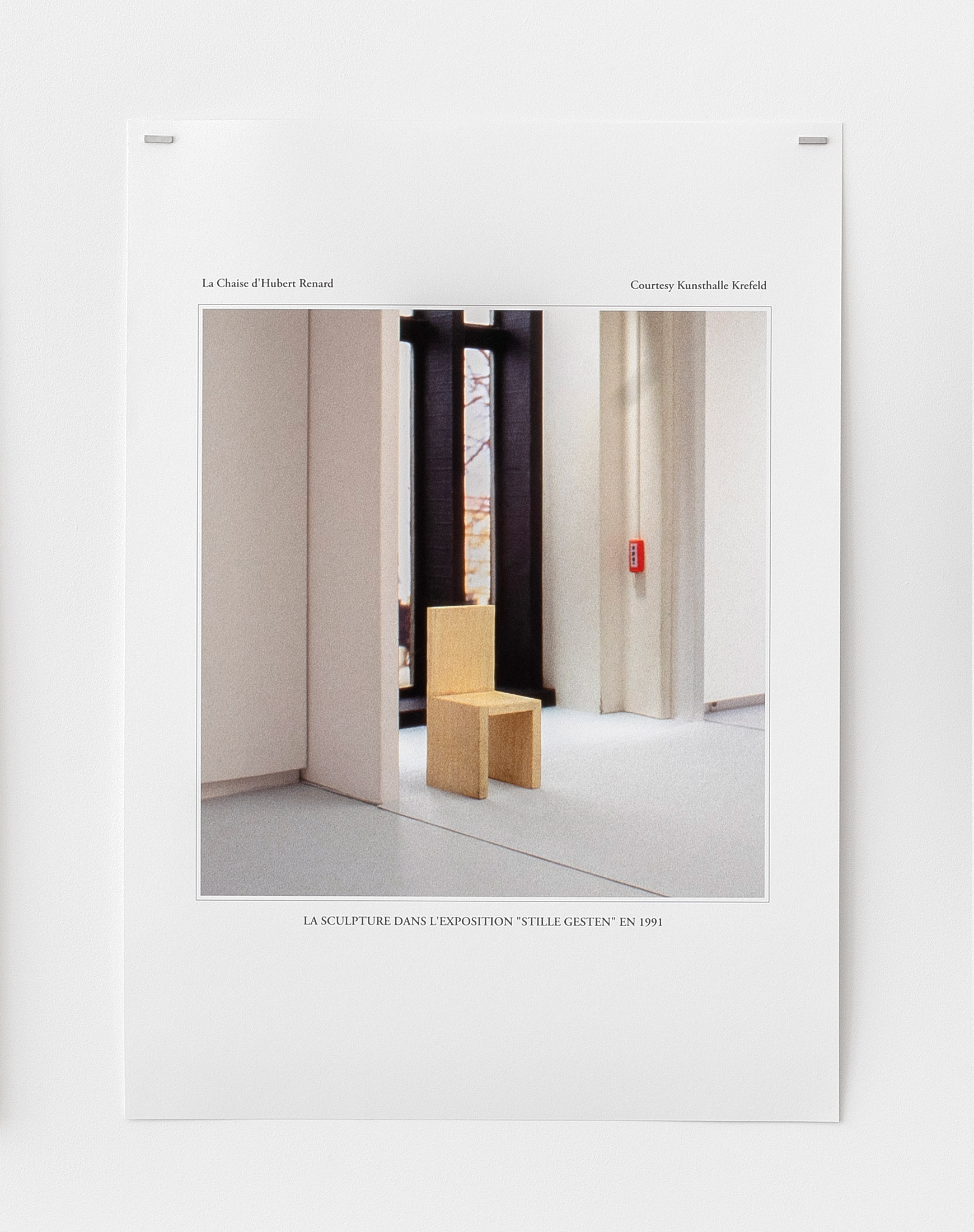
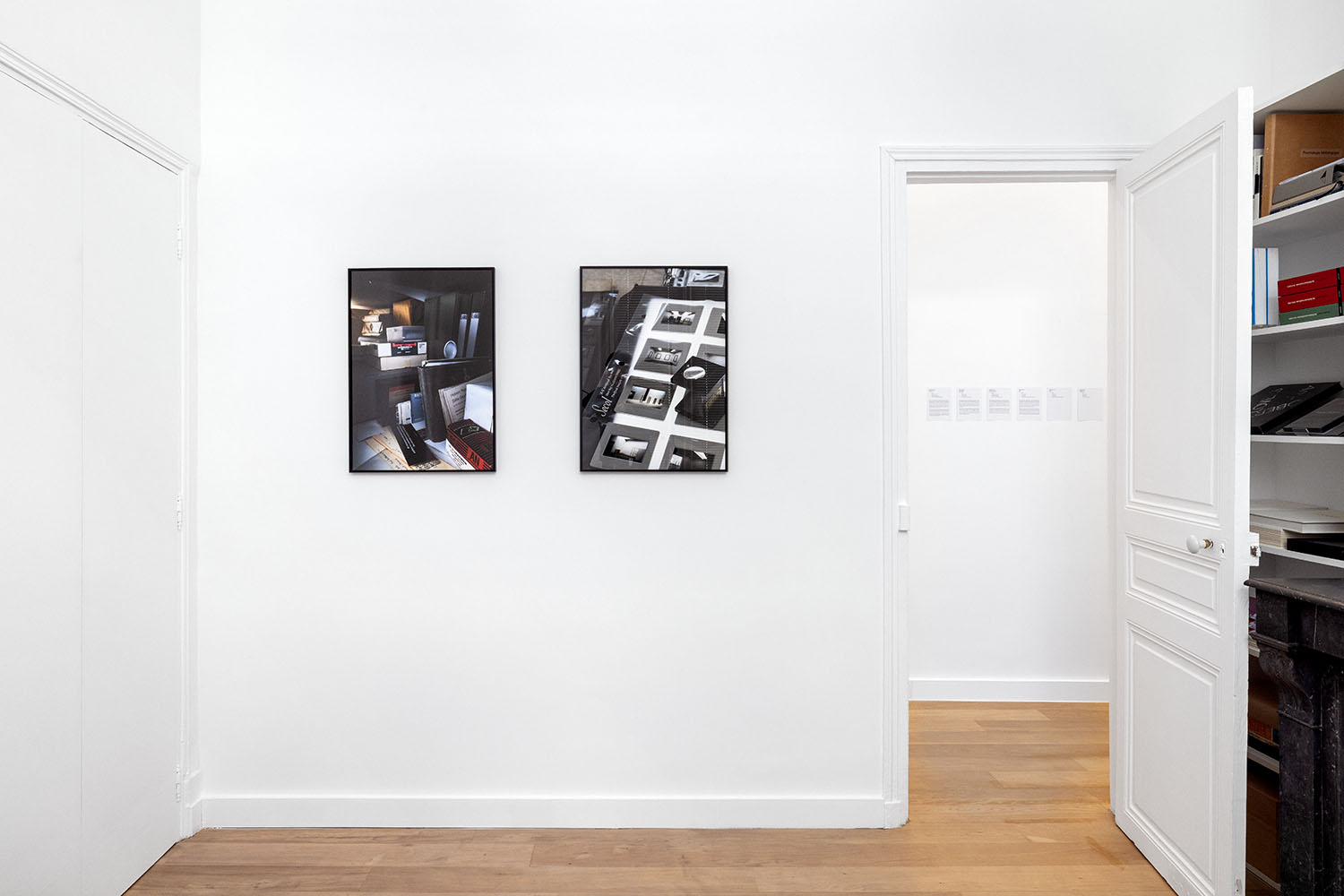
Series of 4 photographic prints, inkjet print on Hahnemühle paper 308g
Each 27.56 x 19.69 in
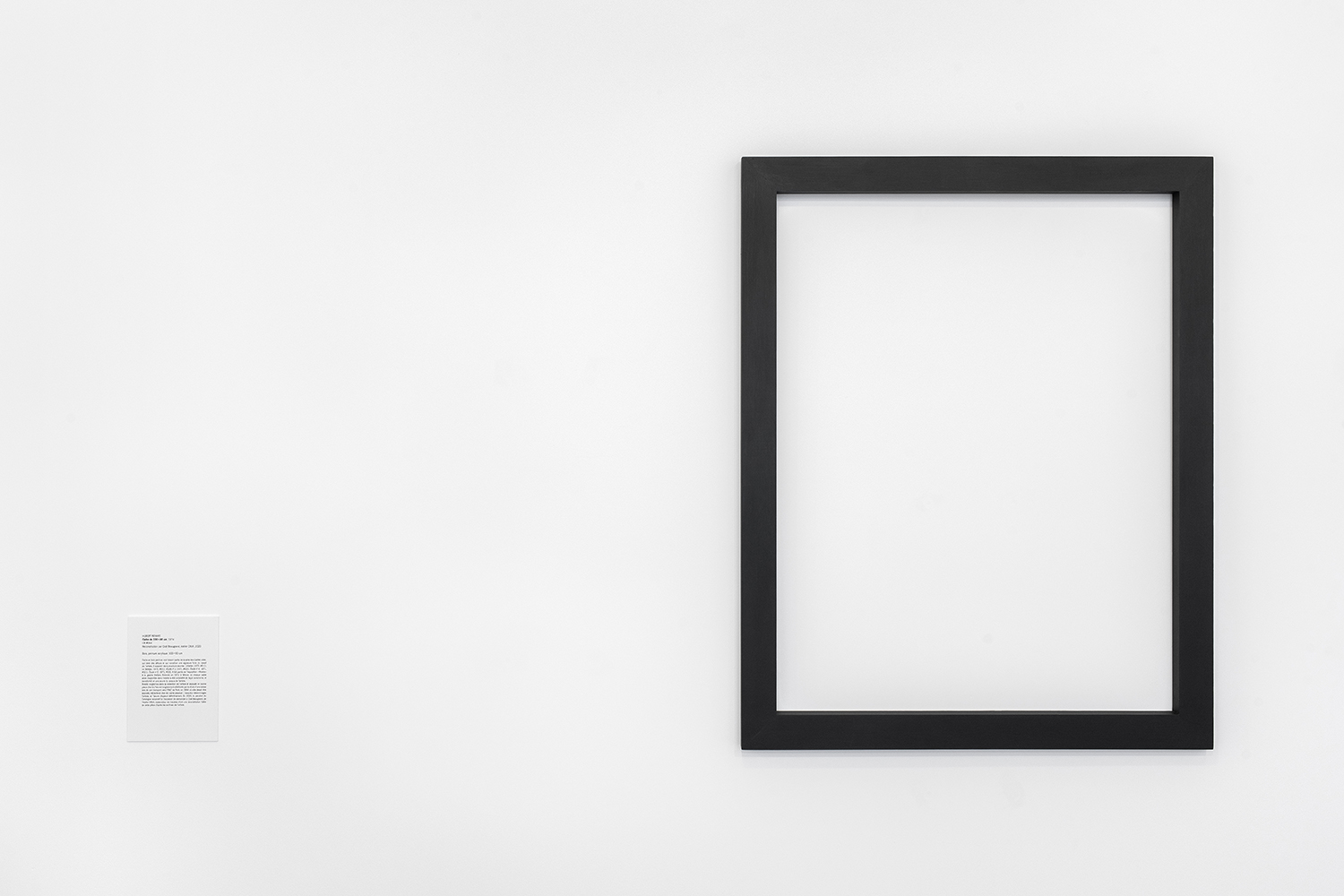
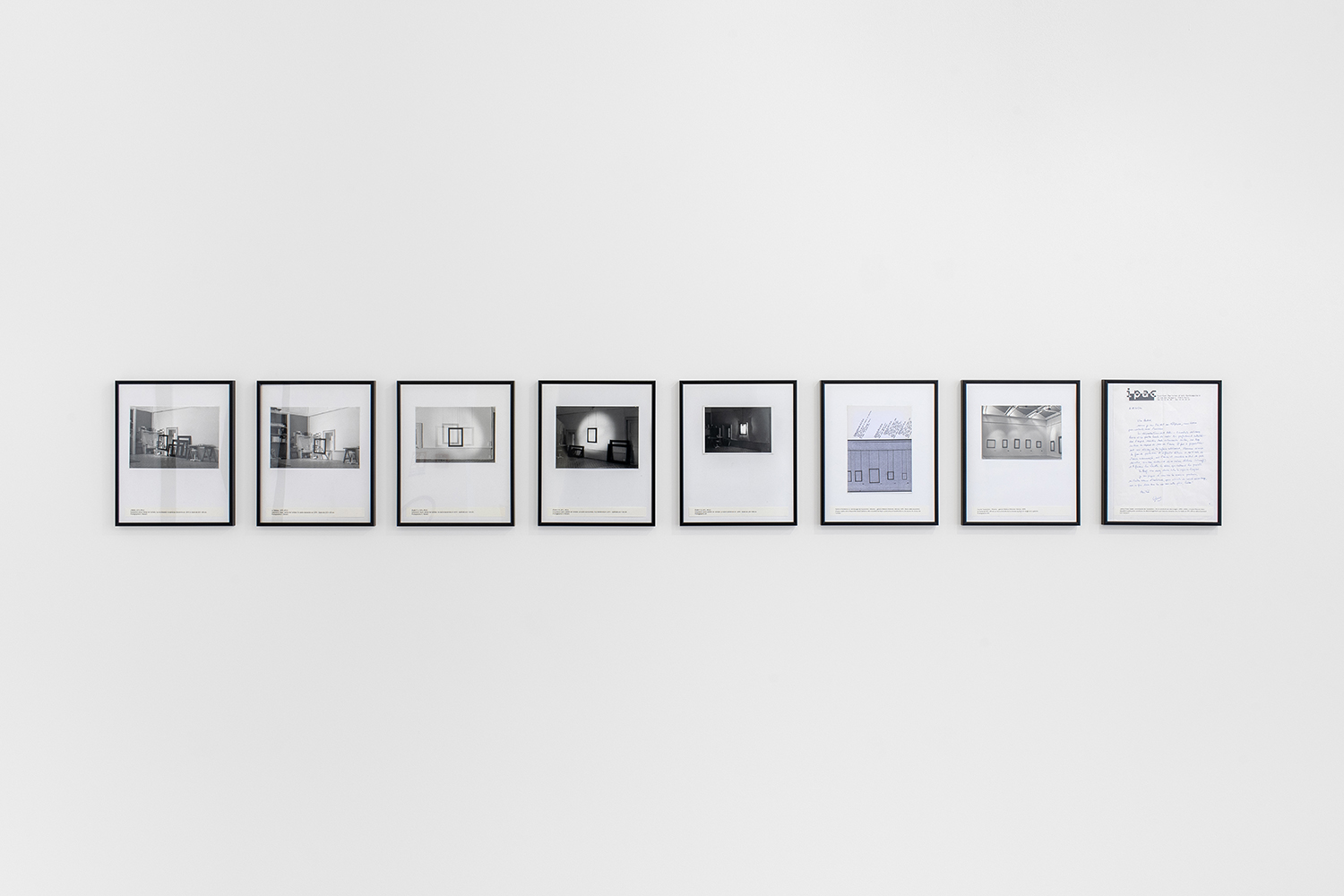
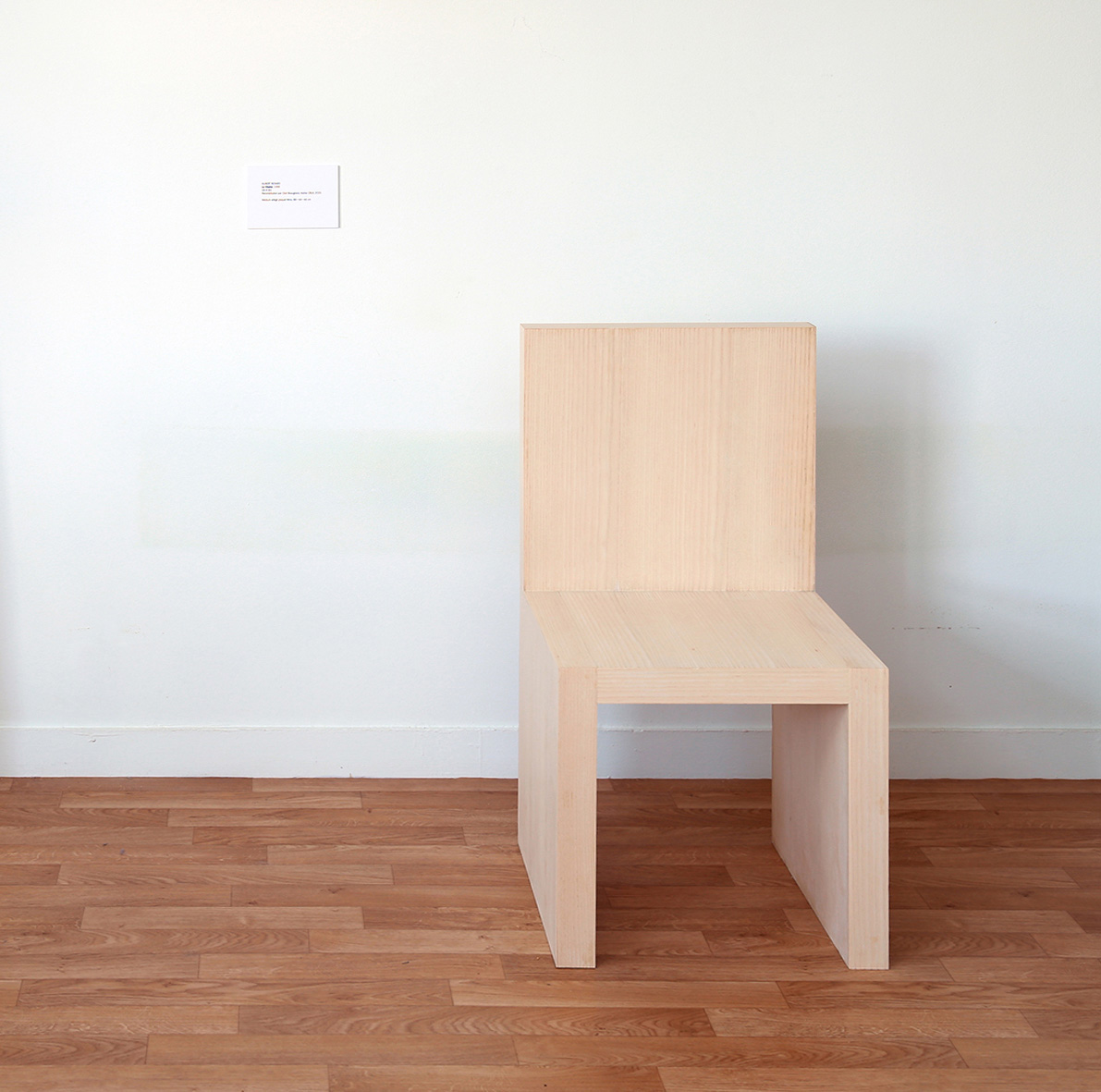
Installation including a wood sculpture, a label, documentation and "Hubert Renard - Catalogue raisonné, 1969-1998" opened on page 104
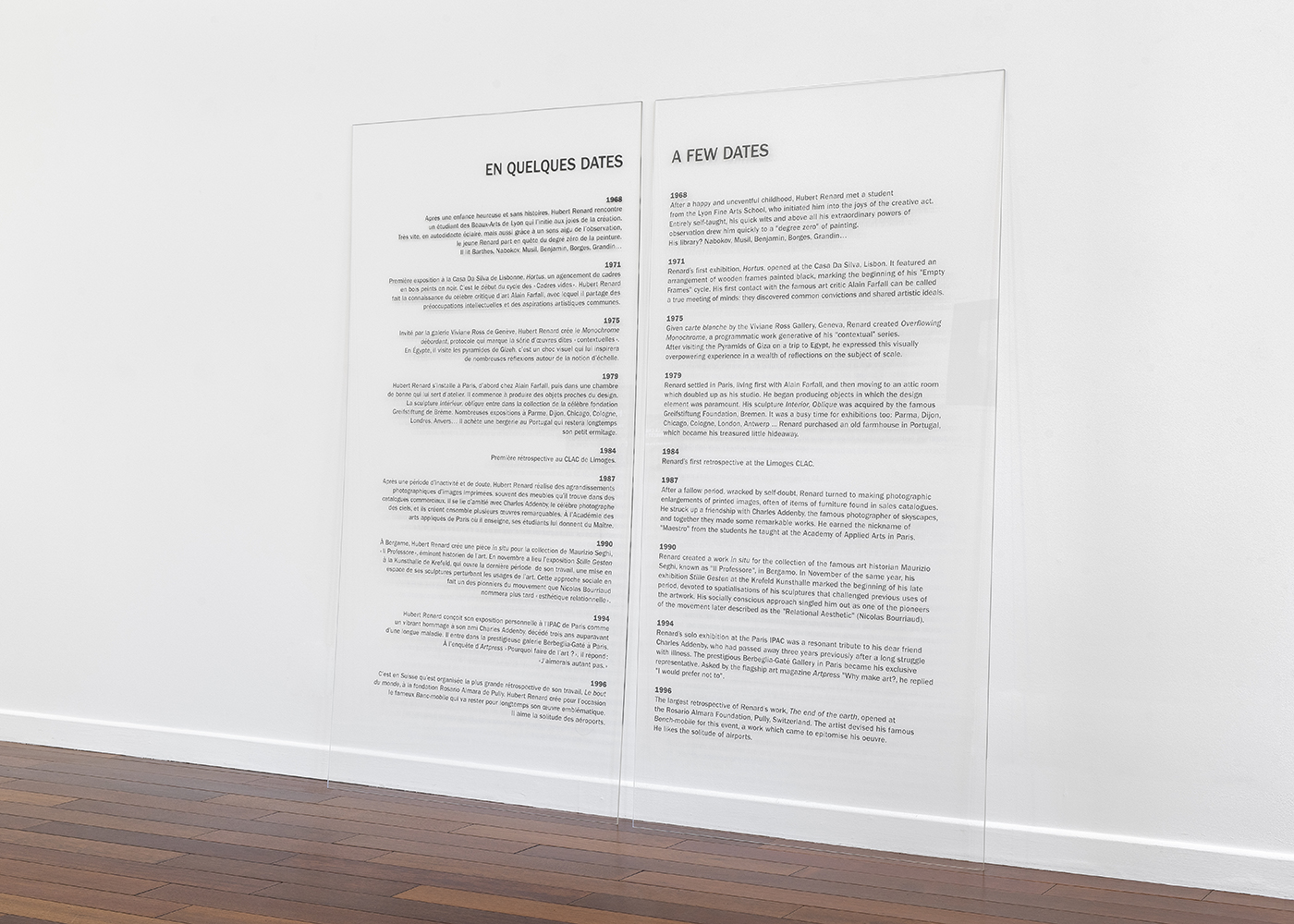
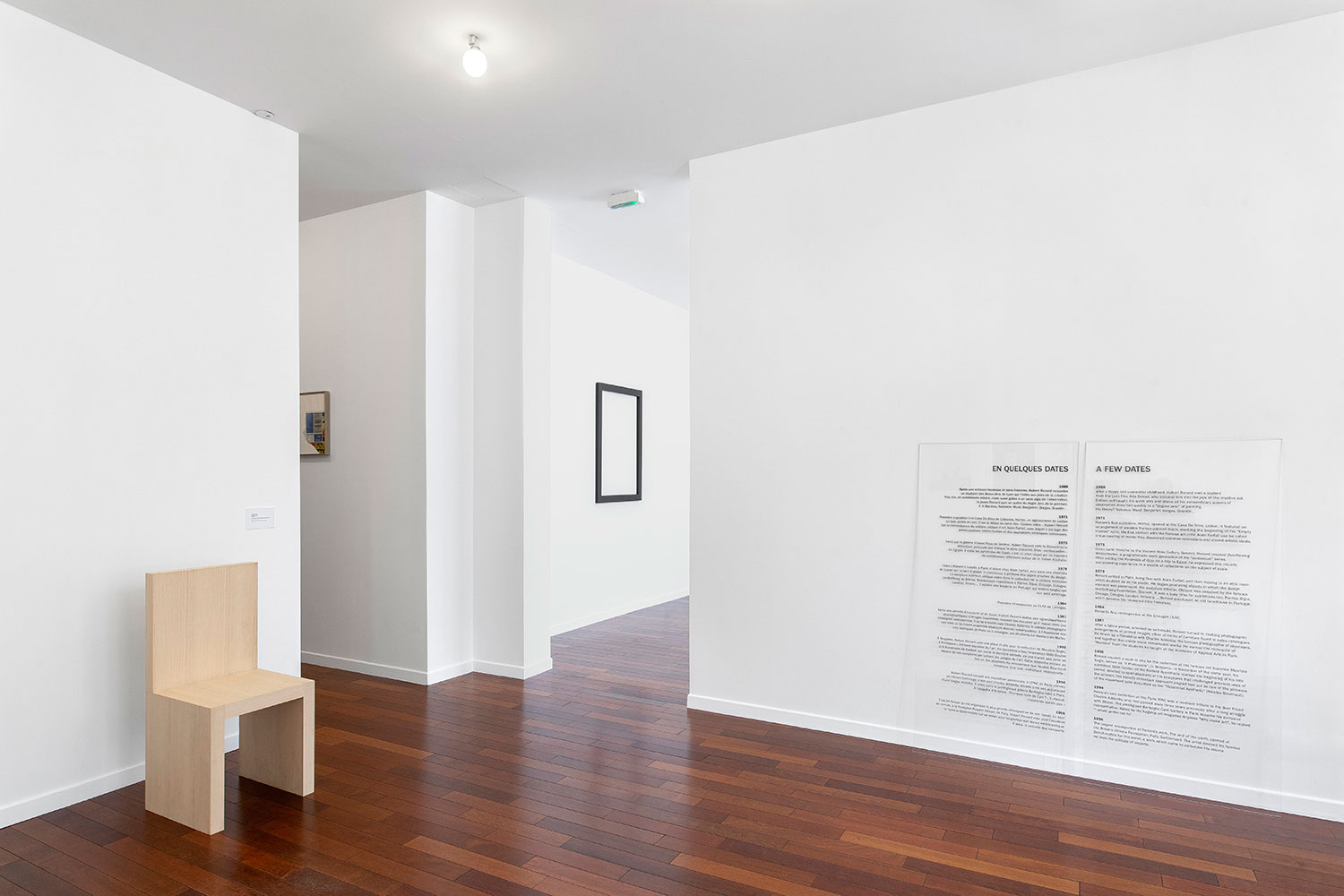
Print on plexiglass, two panels
Each 55.12 x 27.56 in
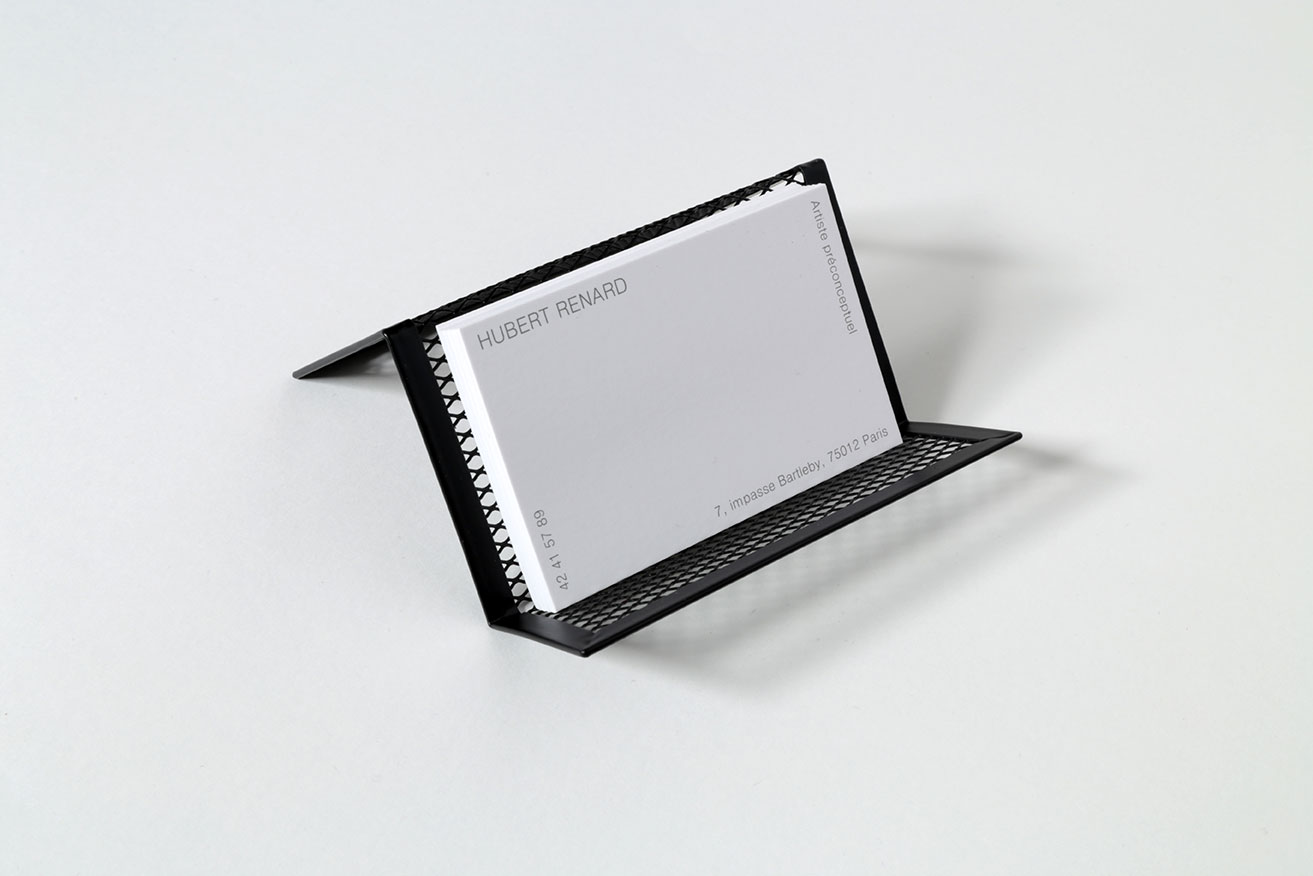
Offset printing on paper, metal cards holder
1.97 x 3.94 x 3.94 in ( 5 x 10,5 x 10,5 cm )
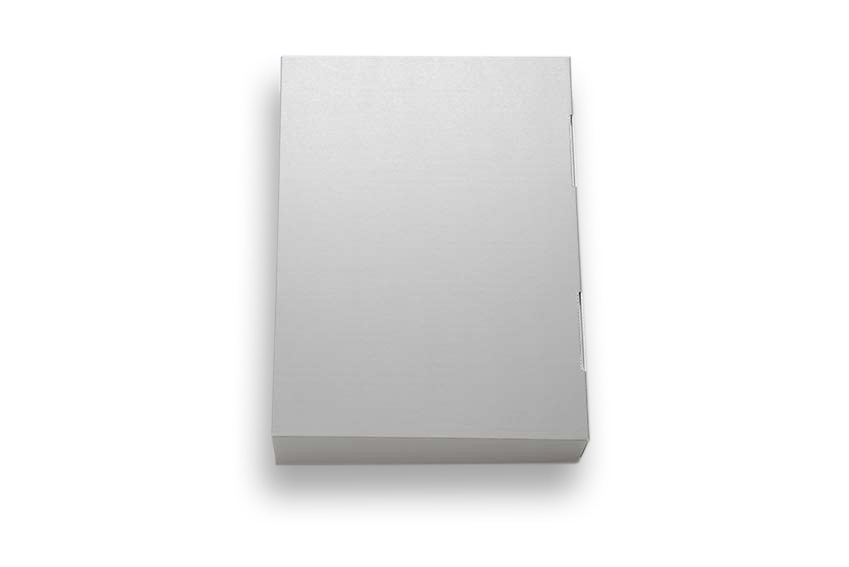
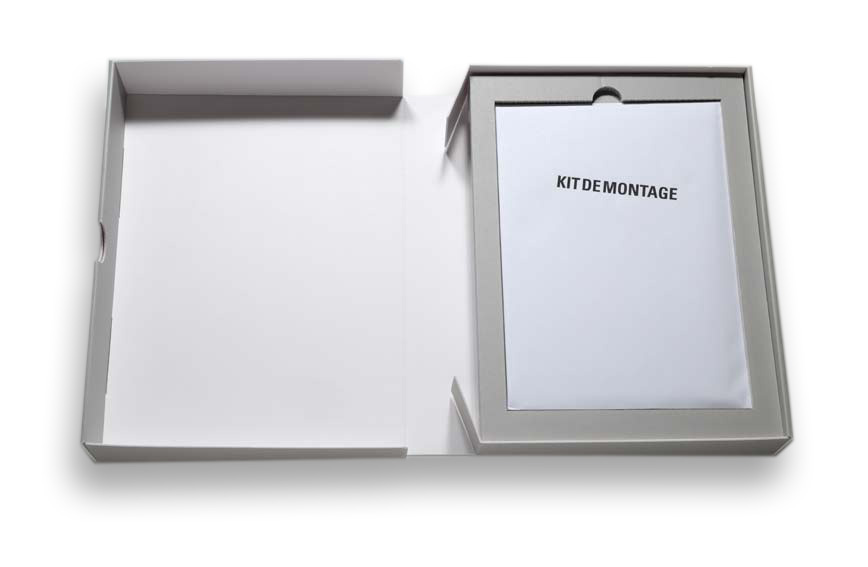
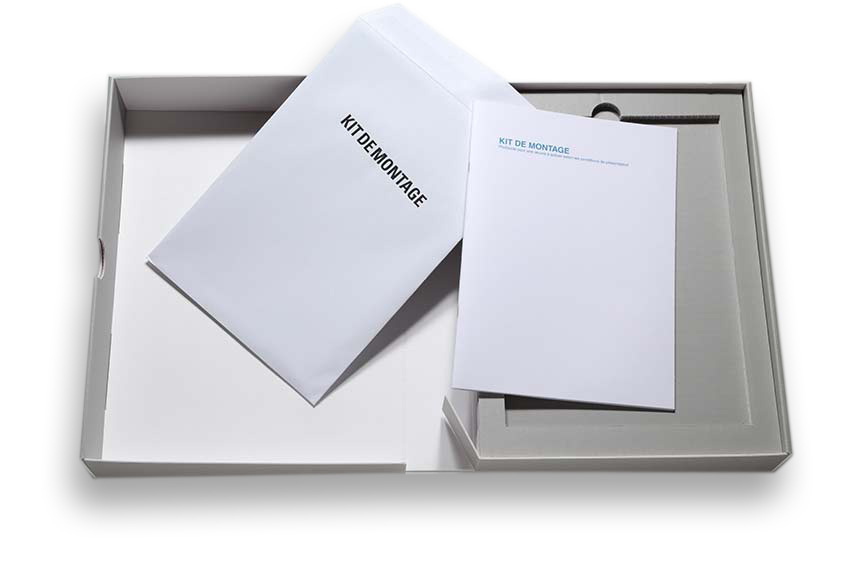
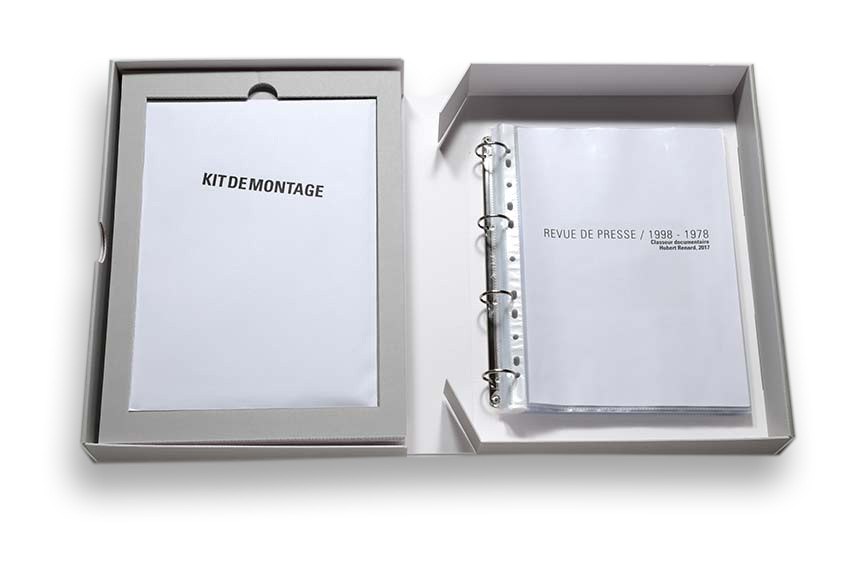
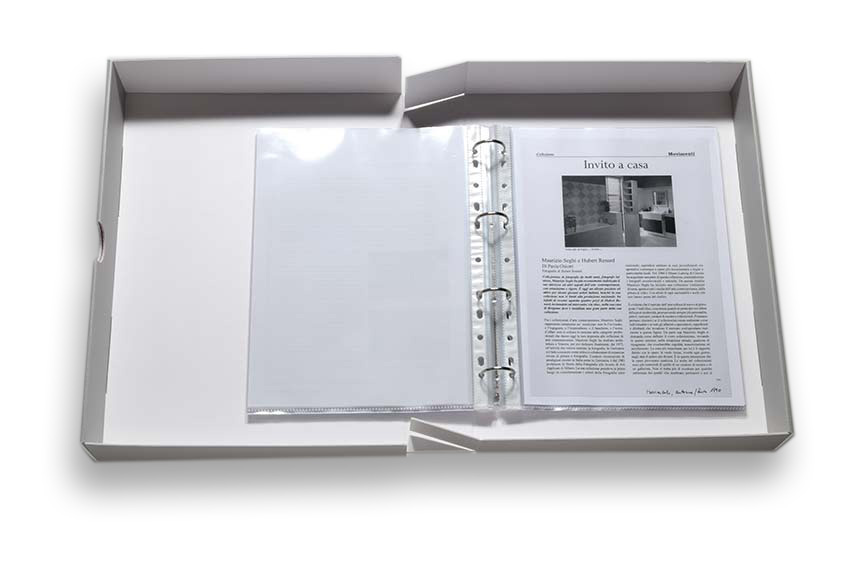
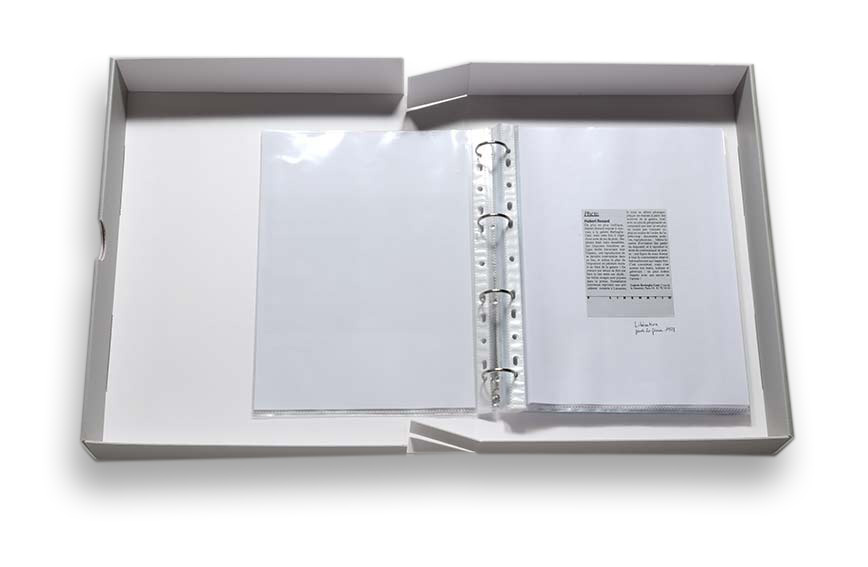
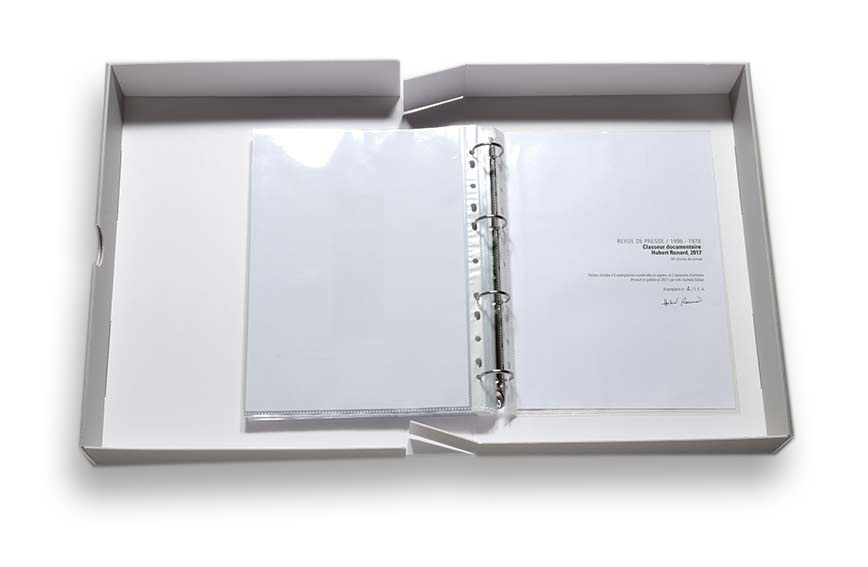
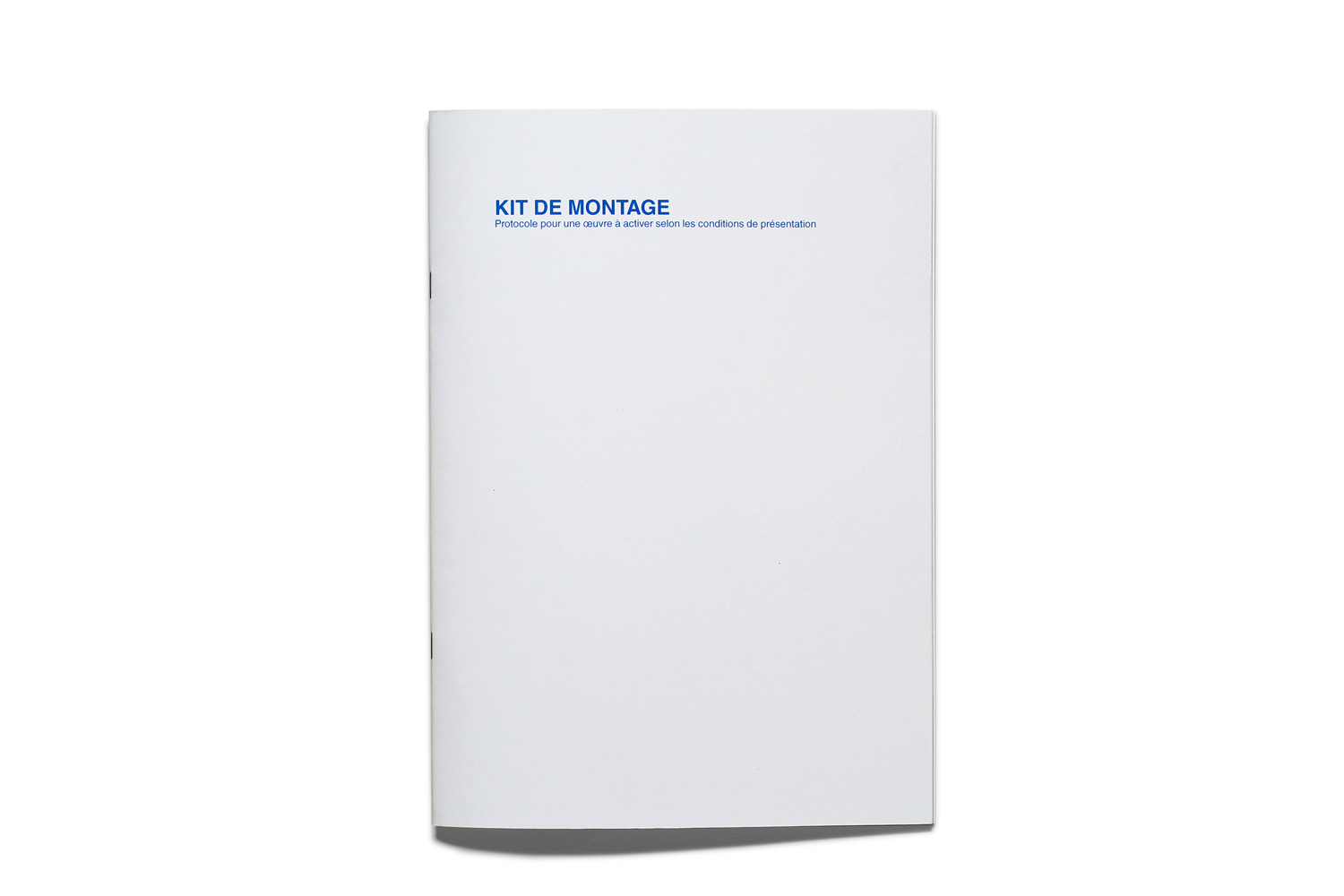
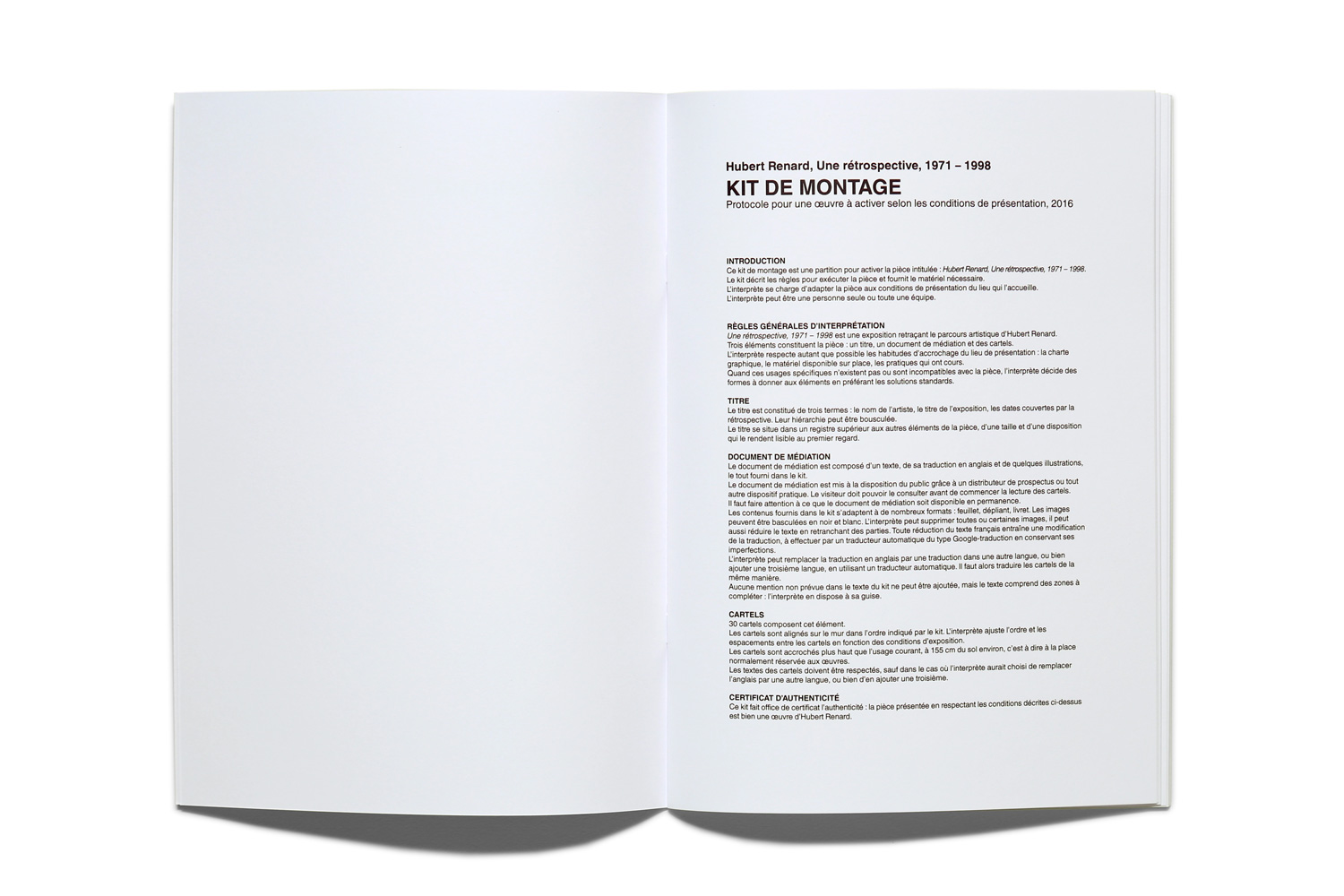
Grey cardboard box, contains a booklet and a binder
15.35 x 11.42 x 2.36 in ( 39 x 29 x 6,5 cm )
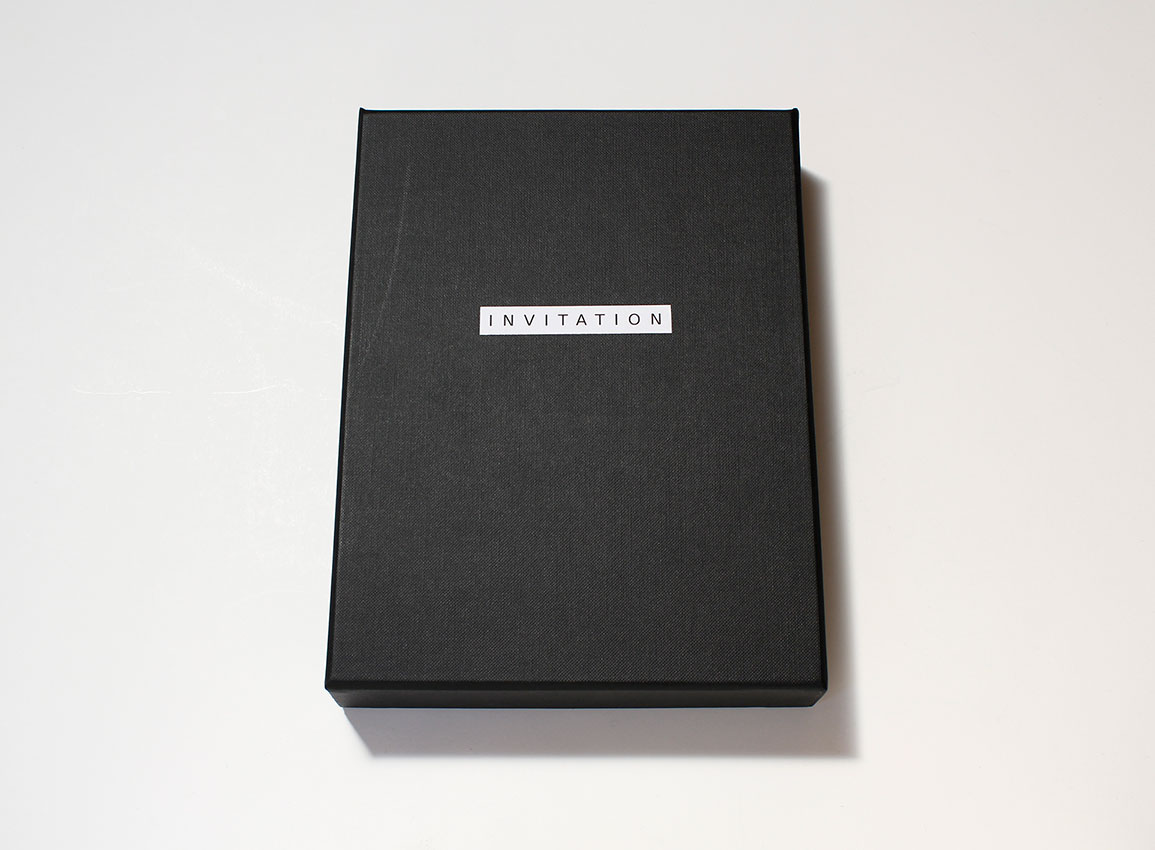
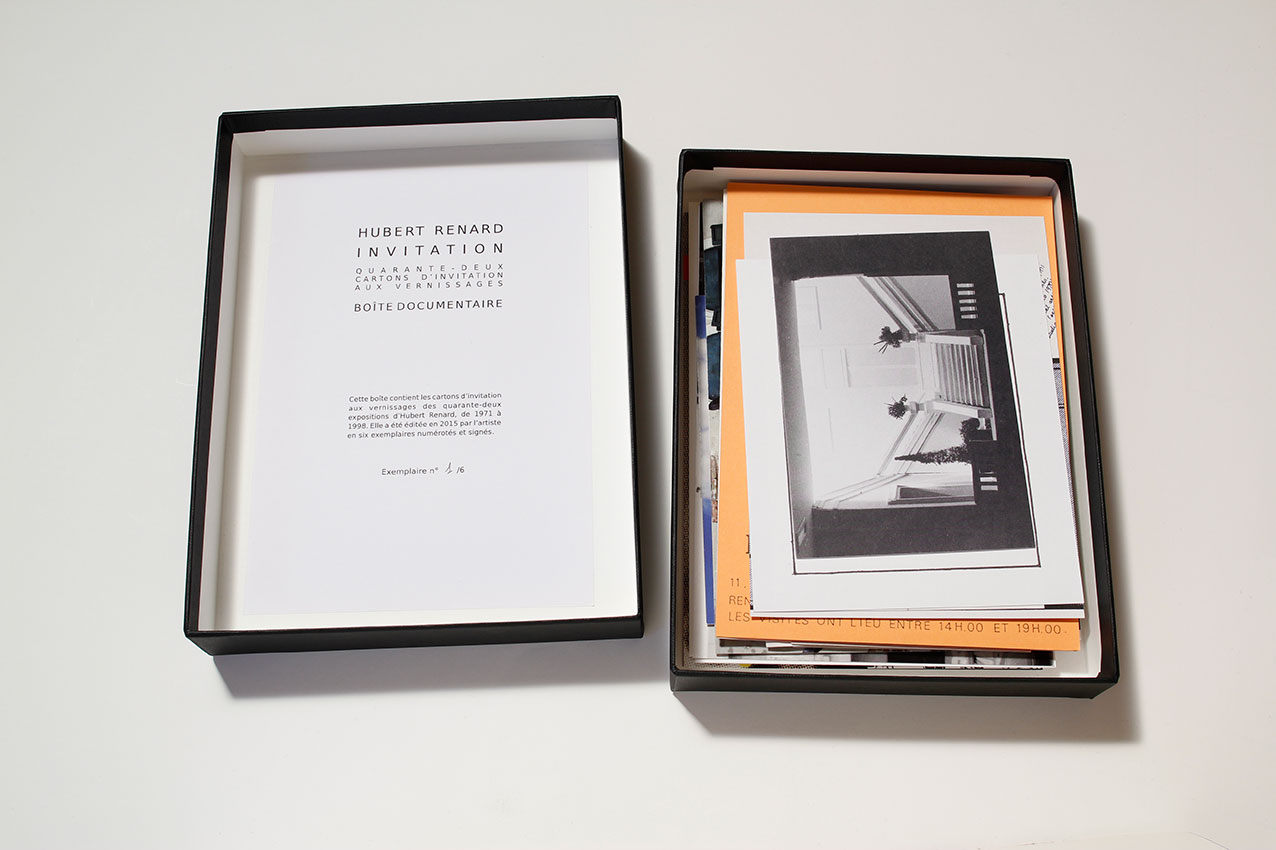
Box containing 42 invitation cards to the opening of Hubert Renard exhibition from 1971 to 1998
1.18 x 7.09 x 9.45 in ( 3,5 x 18 x 24 cm )