Bernard Bazile was born in 1952 in Meymac (France). He lives and works in Paris.
Since the late 1970s, Bernard Bazile observes Reality and History through photography, video, sculpture, performance and installation.
He considers as material both works such as those of François Boucher or Mel Ramos as well as urban furniture such as Orange Juice Stands (run by job seekers), neon signs, landscape wall paintings inside cafés, restaurants or cabarets.
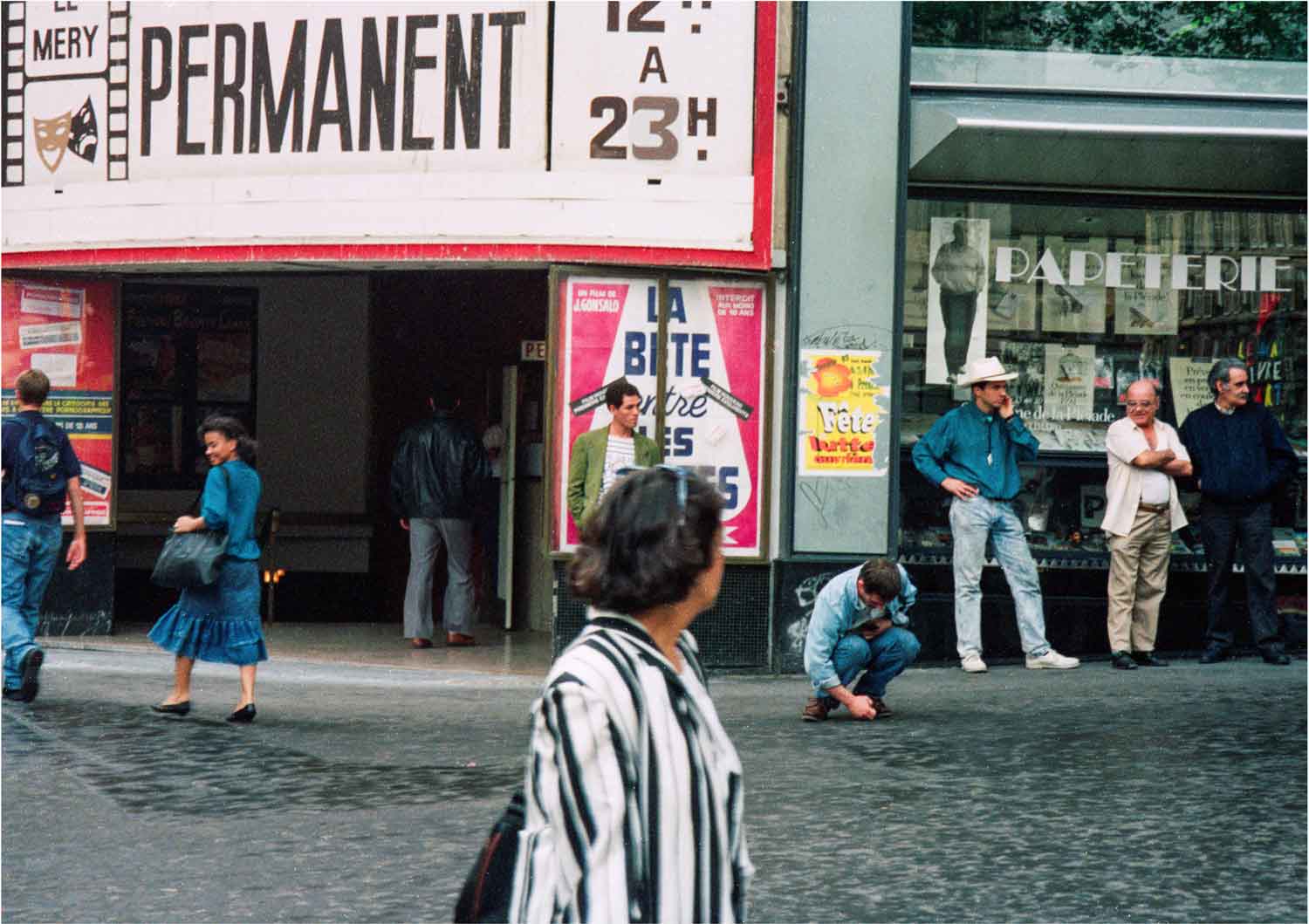
He points, makes visible and perceptible the current reality of public space in which advertising influences audience. He allows us to perceive both what we must face and what is looking at us, what observes us.
Bazile notes our behaviours like an attentive observer, facing all the multiple facets of power and its representation.
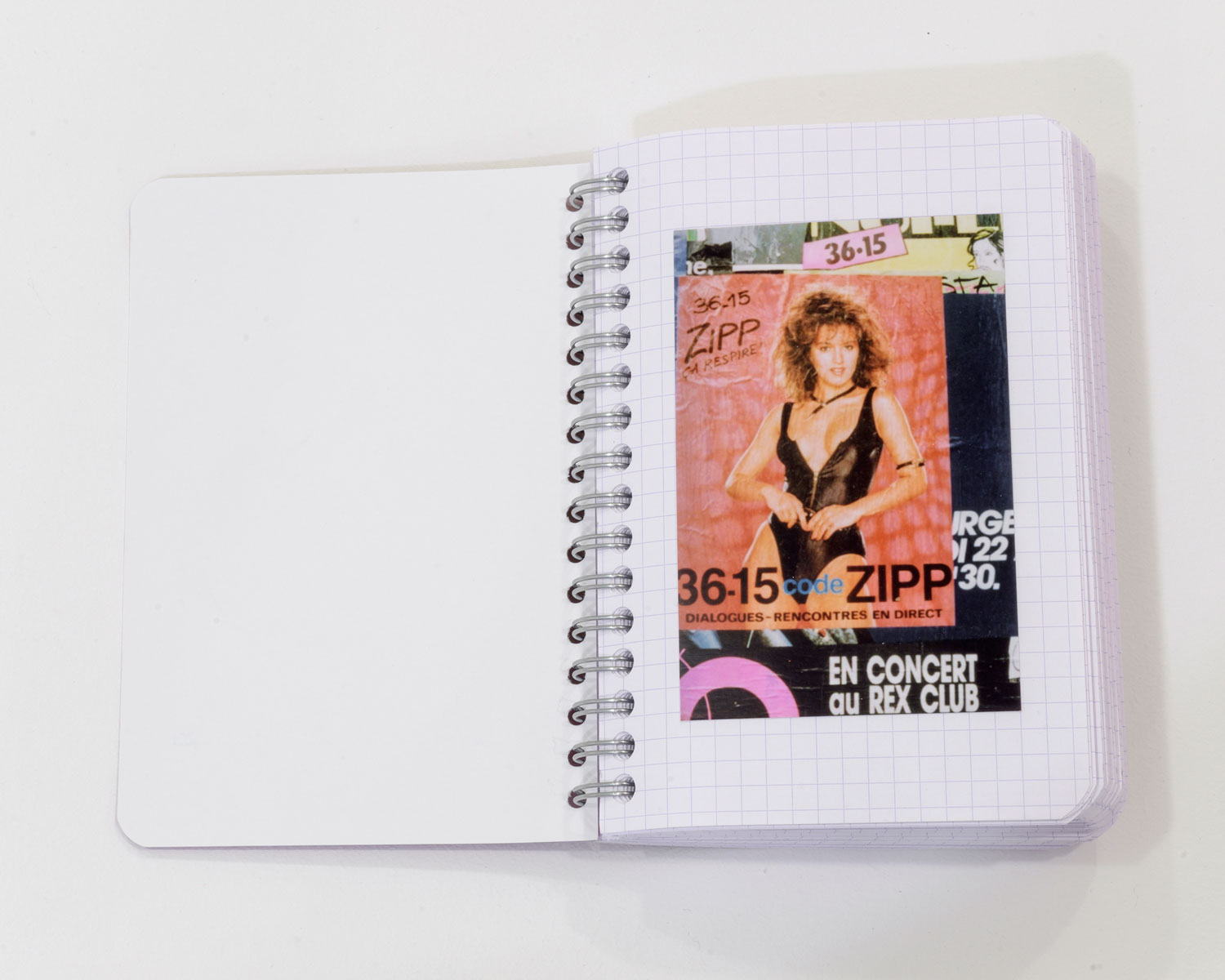
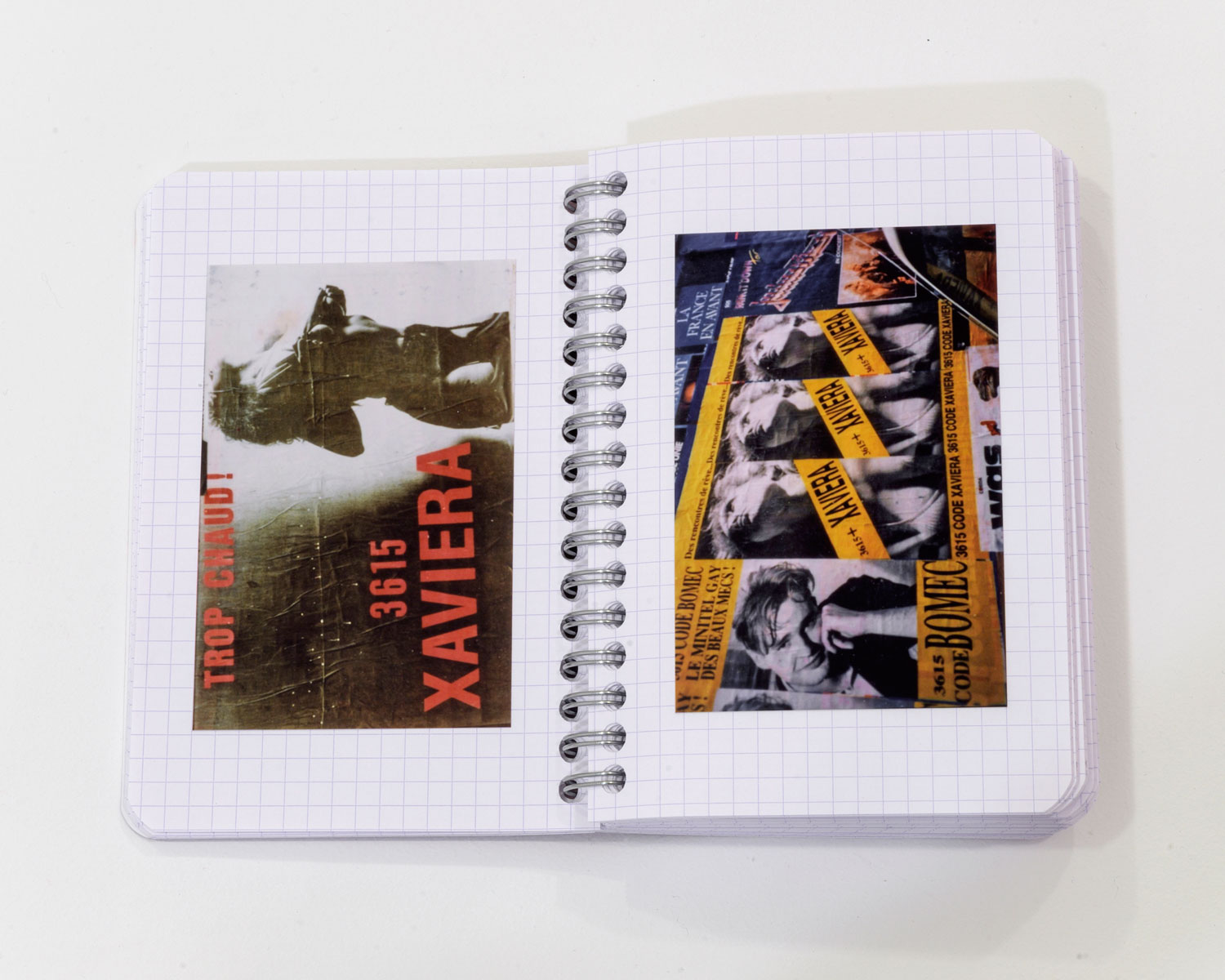
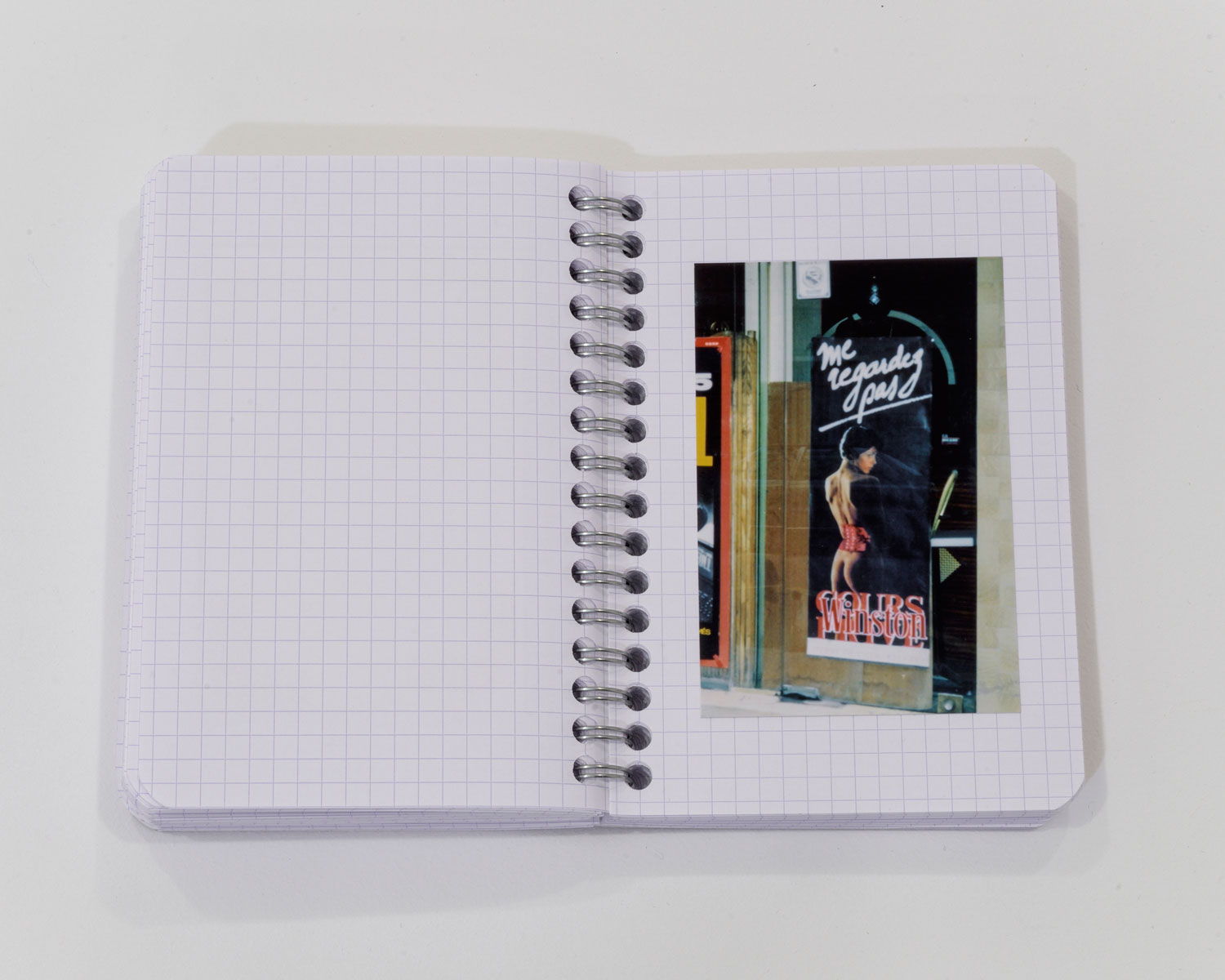
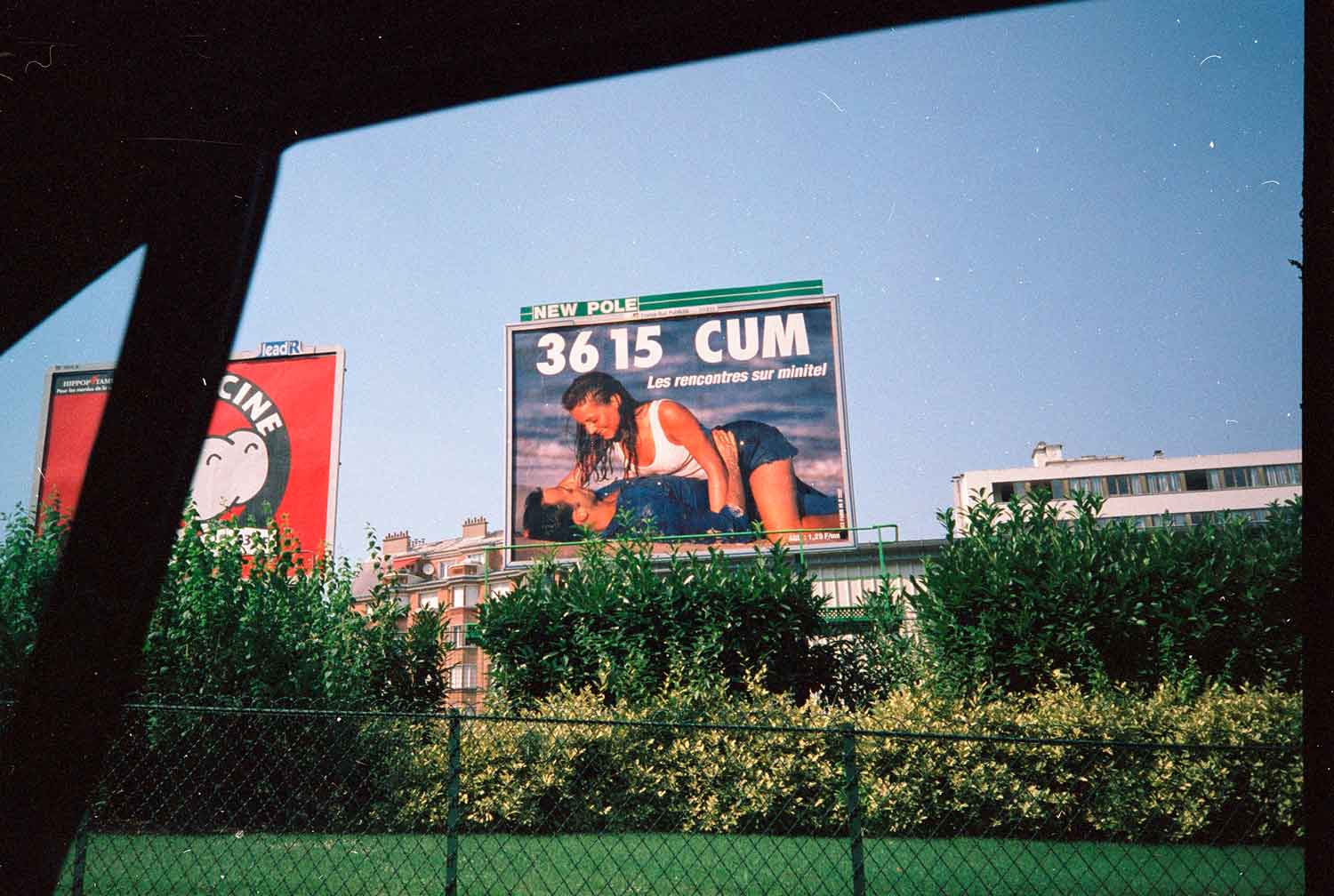
In the 1980s and 1990s, the minitel has been developed by the French administration of Postal services and Telecommunication (PTT) and was used in France before being replaced by Internet. This service, similar to our chat rooms, marks the minds through its adult contents, called "minitel rose", which can be reached via the prefix 3615. This virtual, paid, anonymous service, but without images, has to be materialized in the public space to attract customers, male clients in general. Some large billboards appear then, on which we can see the women who supposedly respond to the customers of "téléphone rose".
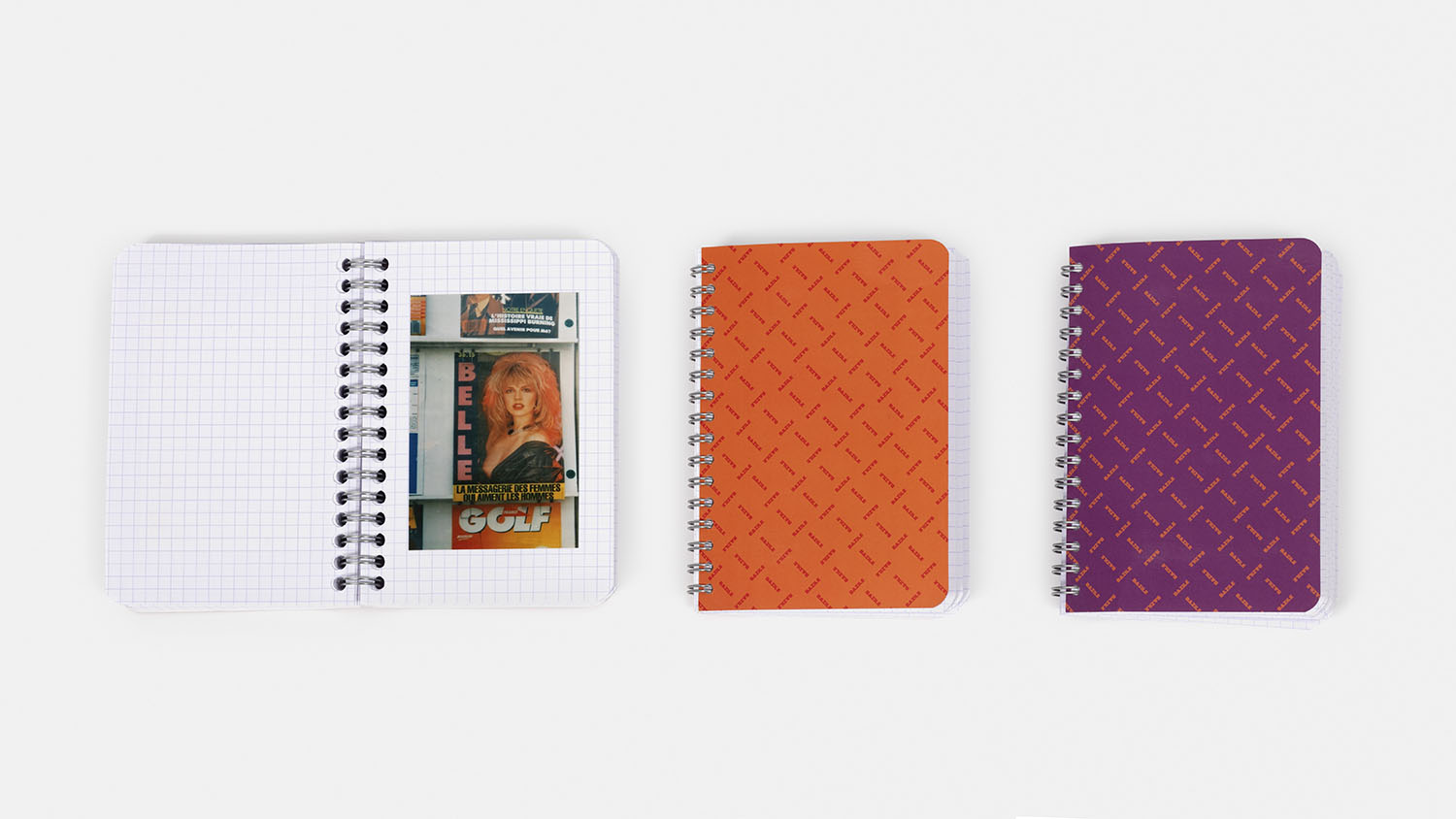
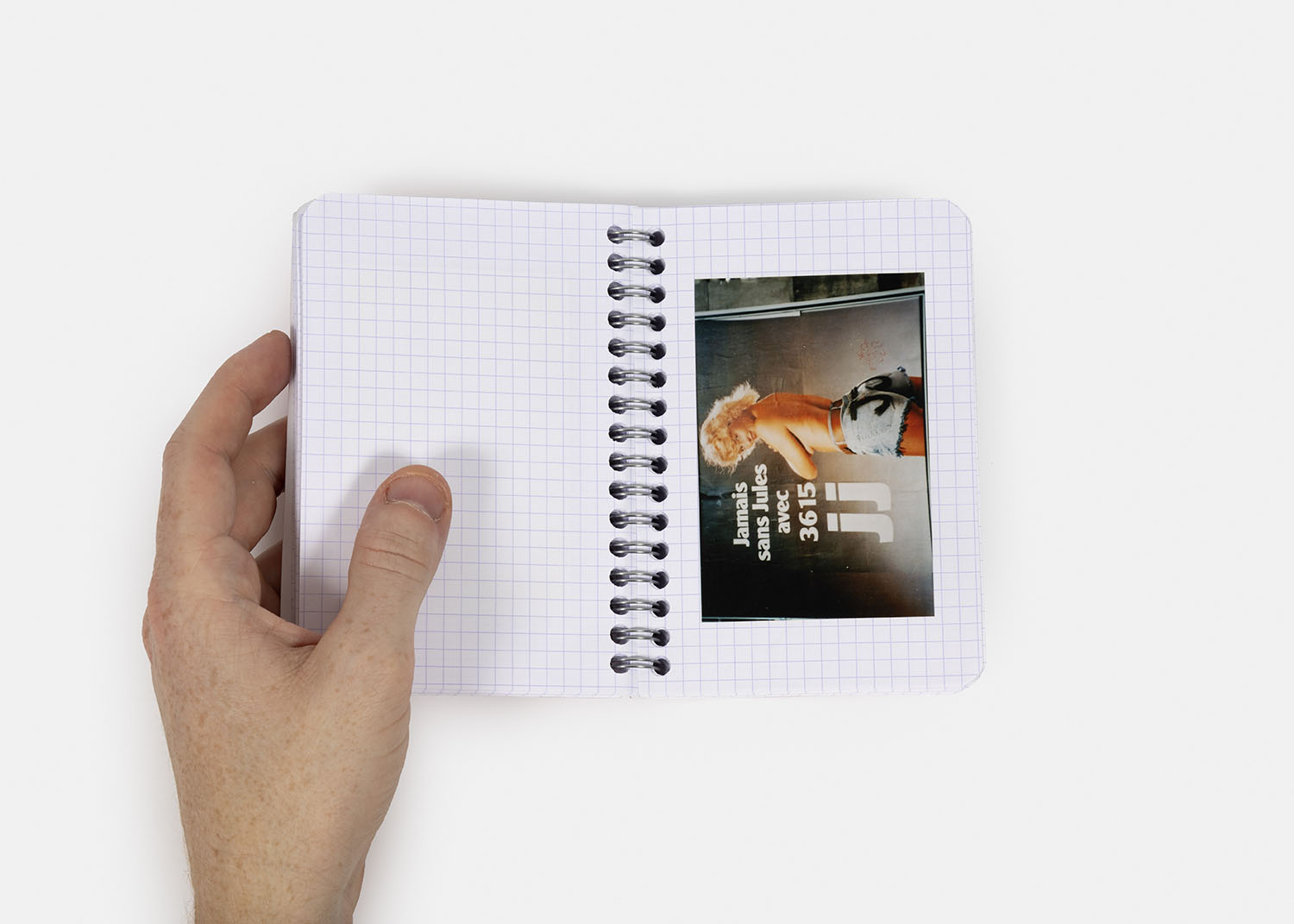
Bazile takes photographs of these 3615 billboards and glues them together in little spiralled and checkered notebooks. These small-size notebooks emphasize the contrast between privacy (erotic photographs that were cut and stuck in these notebooks), and public exposure (photographs displayed on big advertising billboards belonging to the companies Dauphin, Giraudy or JCDecaux, among others).
Bazile's 3615 collection lets us catch a glimpse of an erotic desire exposed in plain sight, treated on the same level than other mass market products. It's interesting to focus on this phenomenon, which is unimaginable today, at a time so sensitive when it deals with women bodies' objectification. If our virtual relationships keep an inclination towards consumption, through online dating services or pornographic websites, it remains strictly private. The public aspect of Bazile's collection questions our stereotypes about the supposed open-mindedness of our 21st century society.
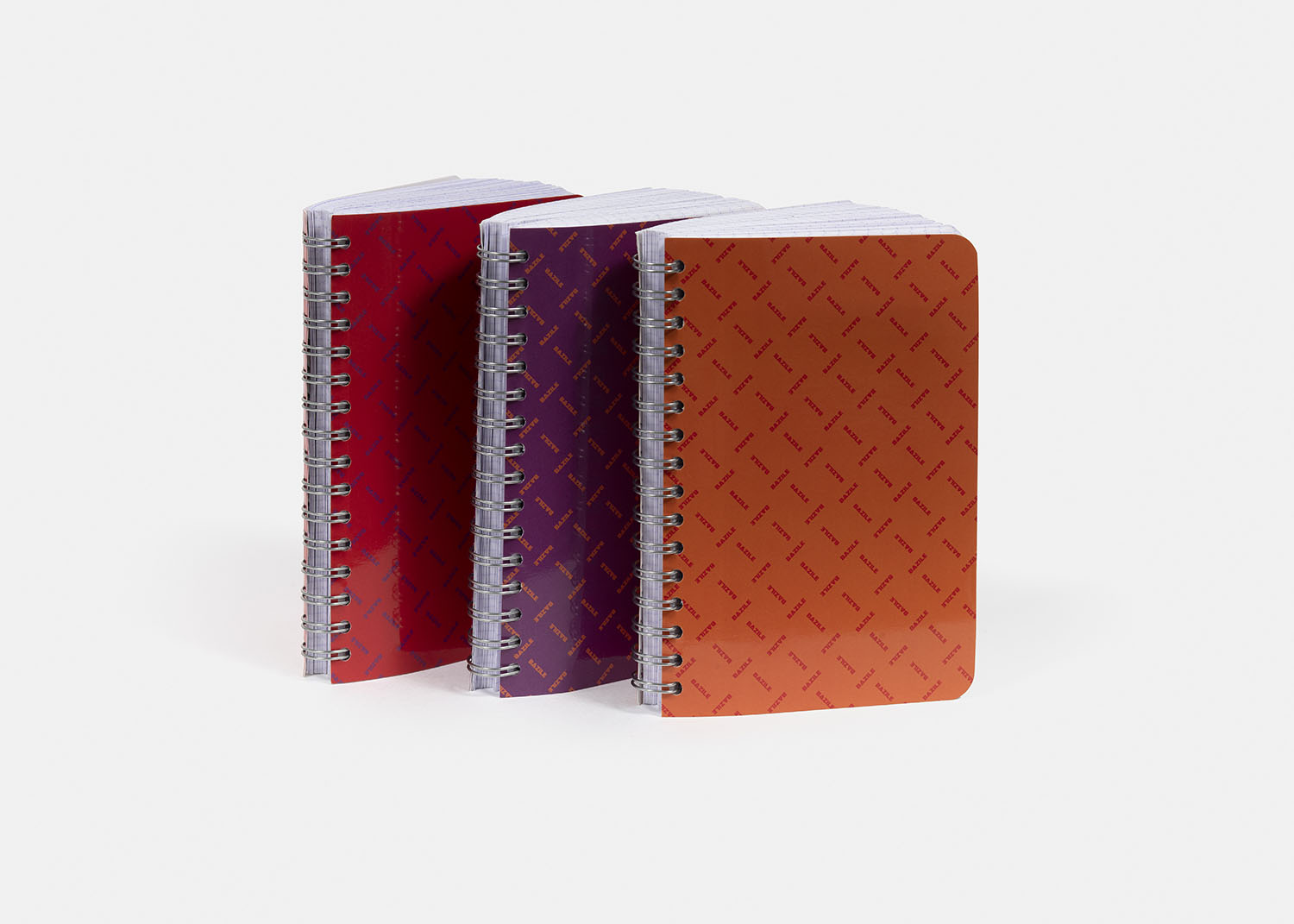
The three notebooks' exteriors can be distinguished from their cover's colour: Poppy, Tangerine, Purple, according to the Rhodia colour chart.
The production is a facsmile of the original notebooks made by Bernard Bazile between 1988 and 1994.
Artworks
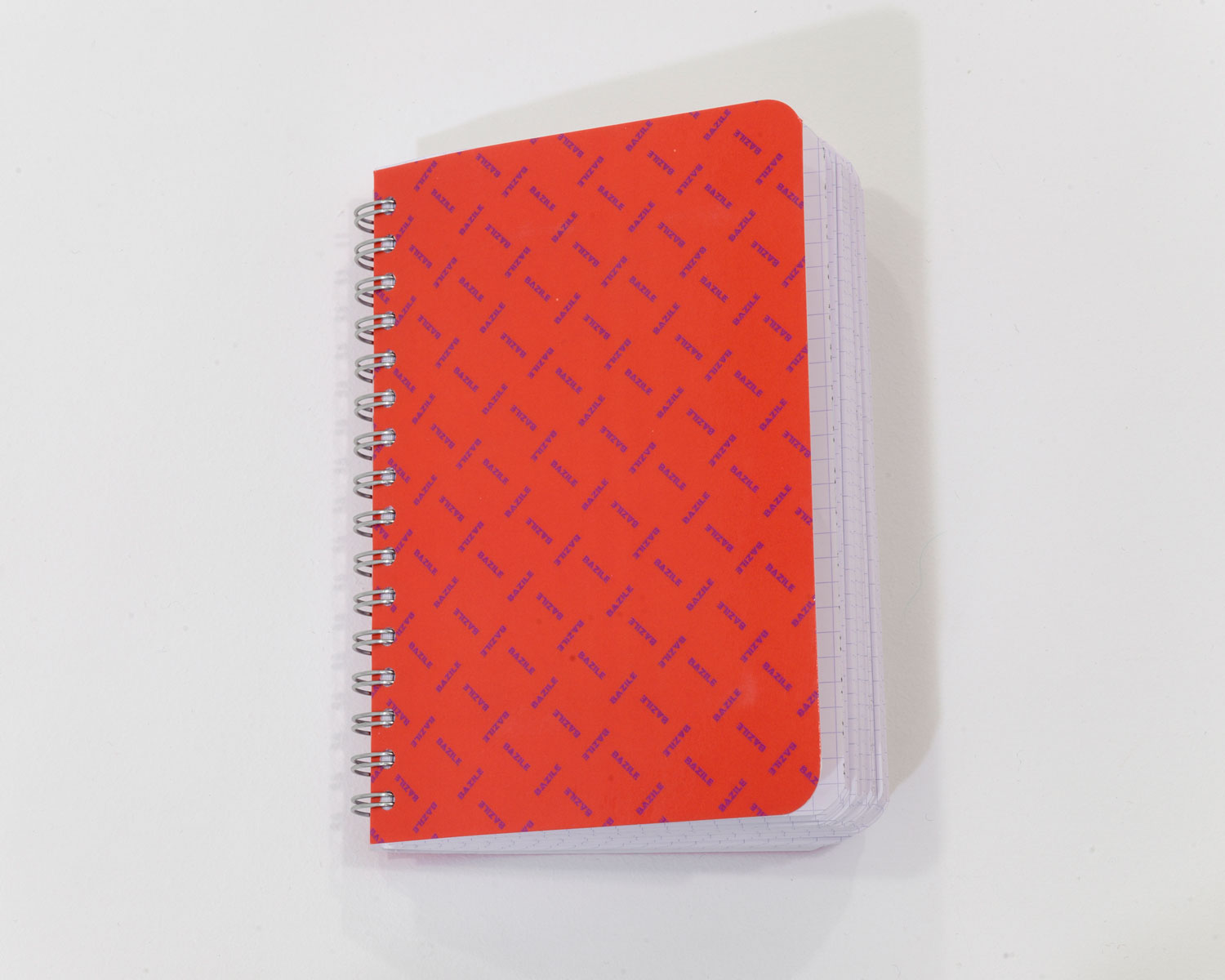
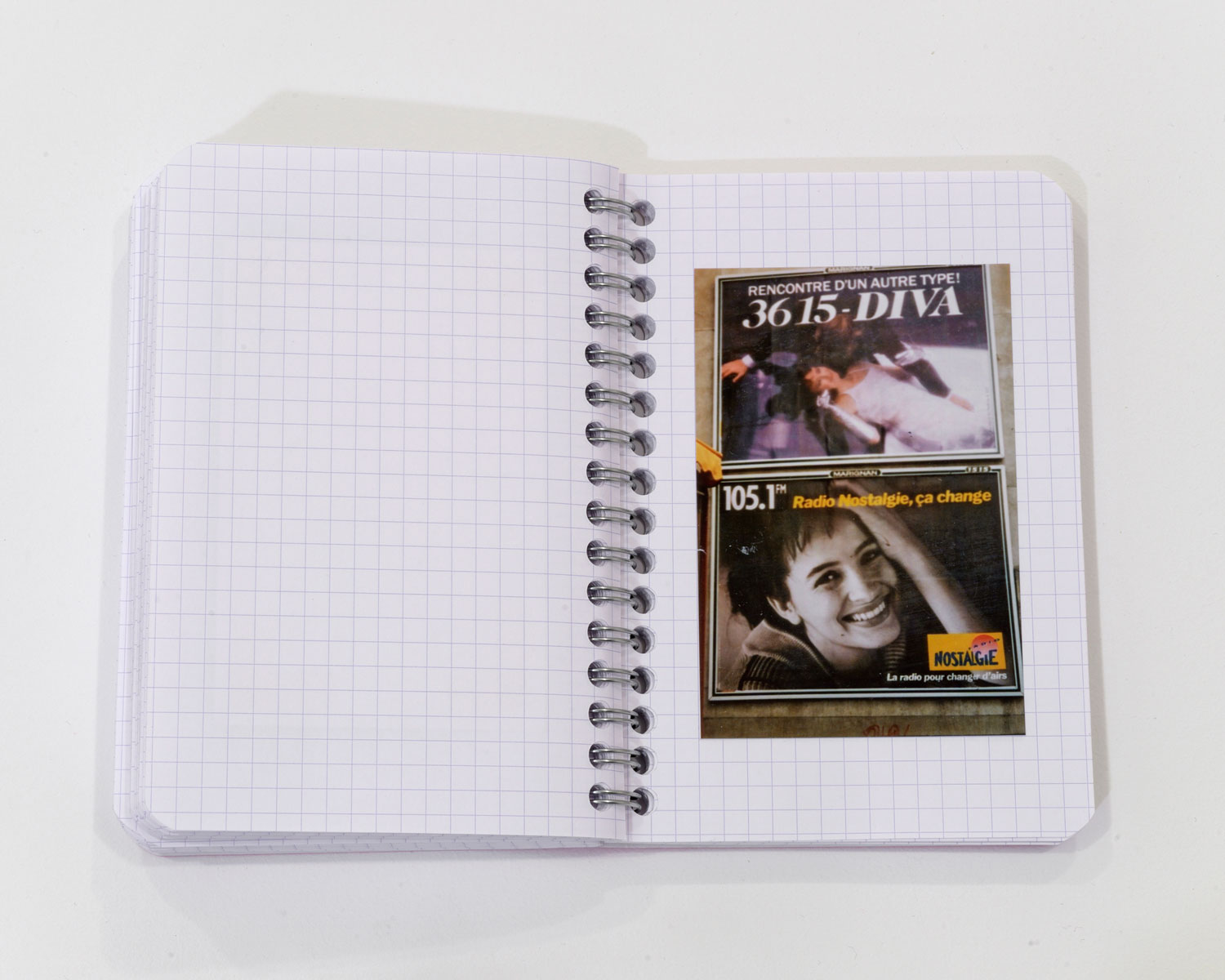
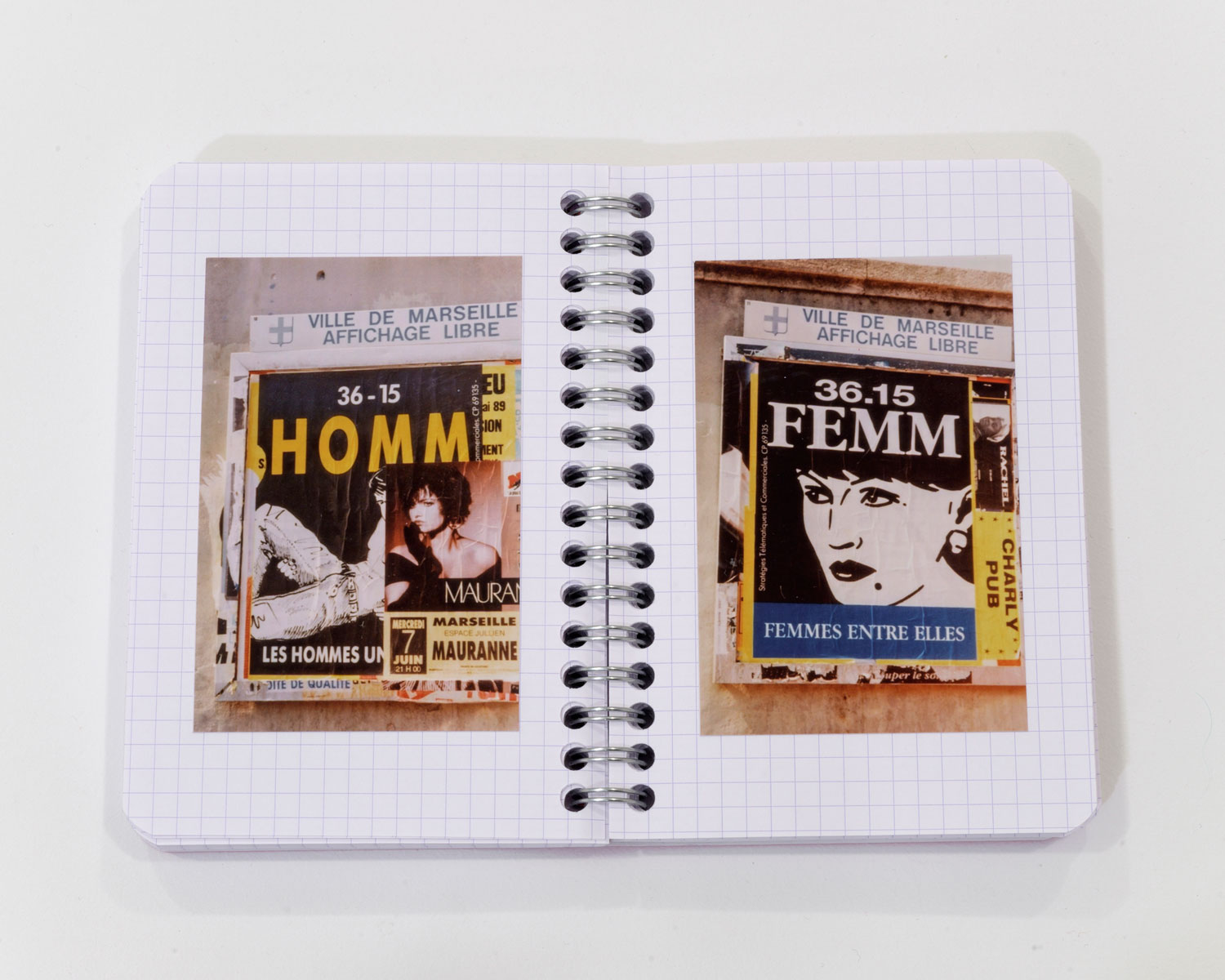
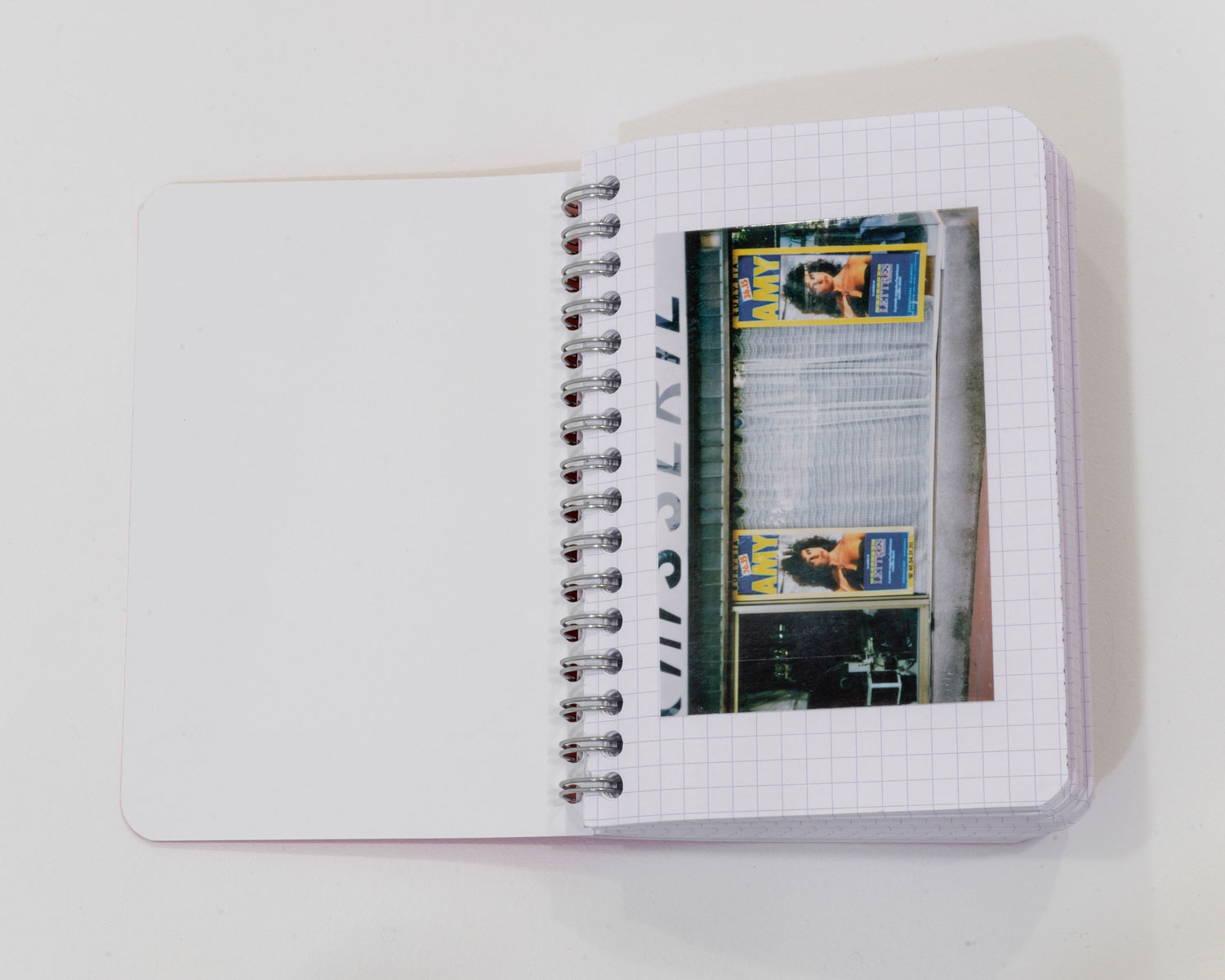
Spiral notebook, 180 pages
Image : 5.51 x 3.54 in ( 14 x 9,5 cm )
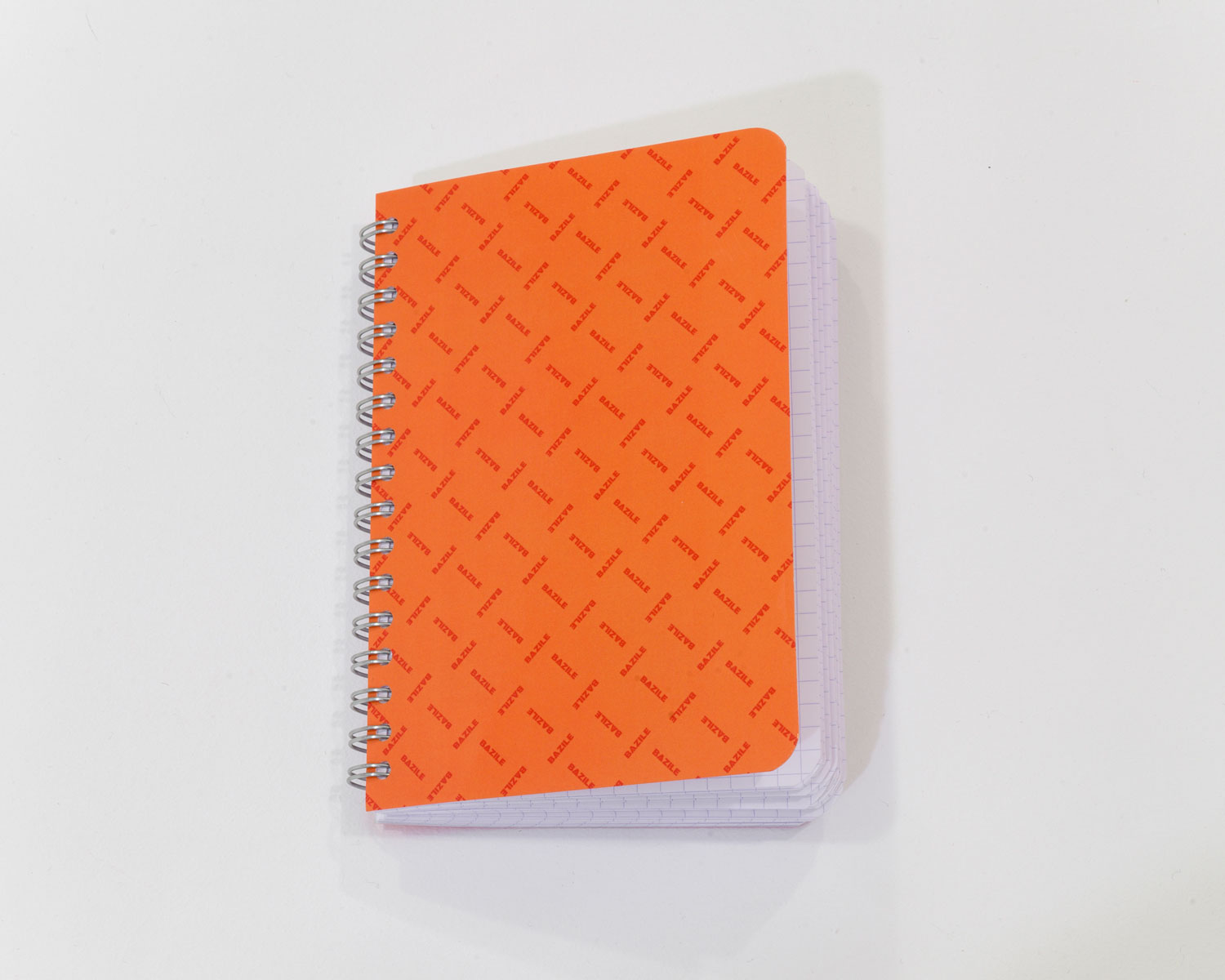
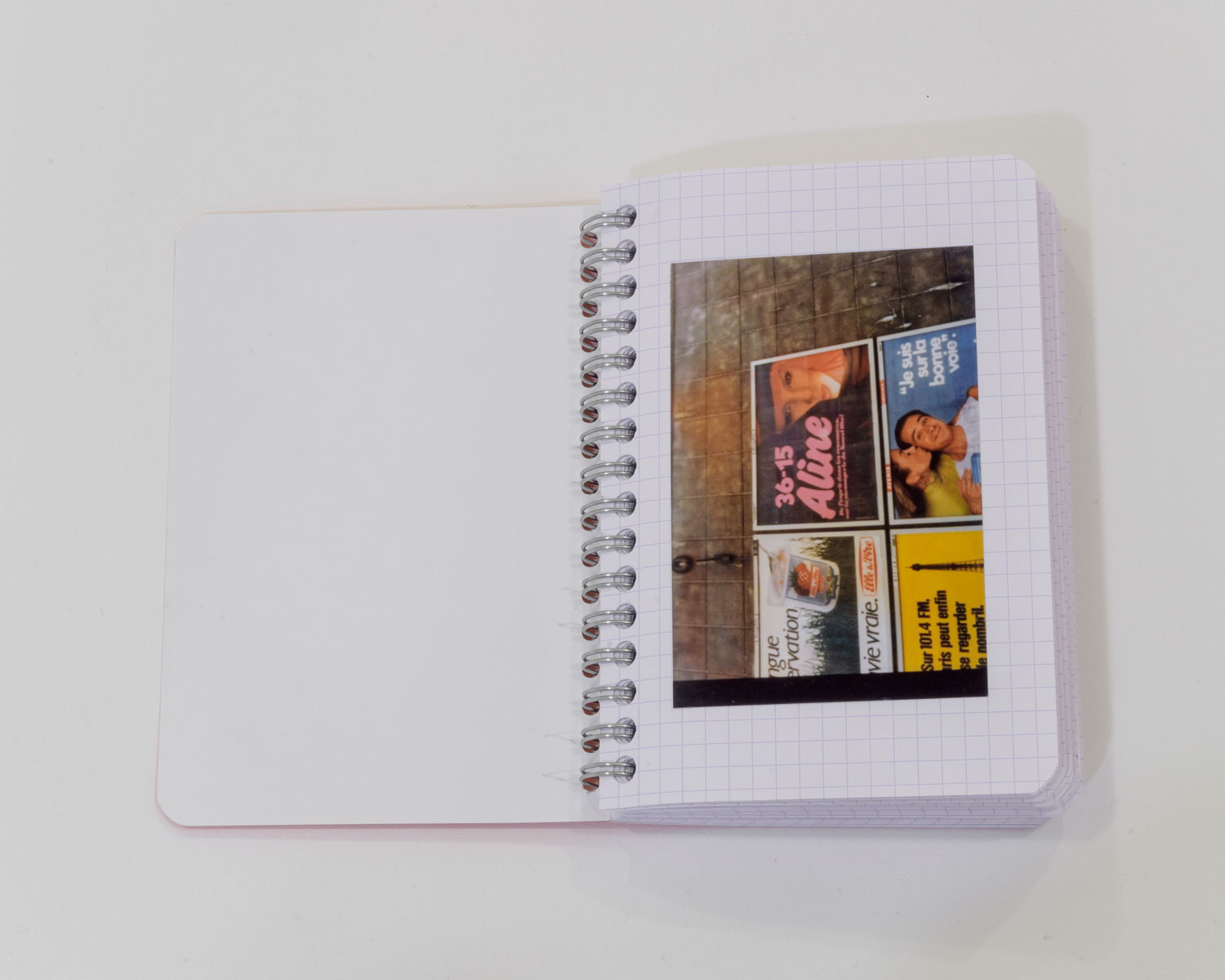
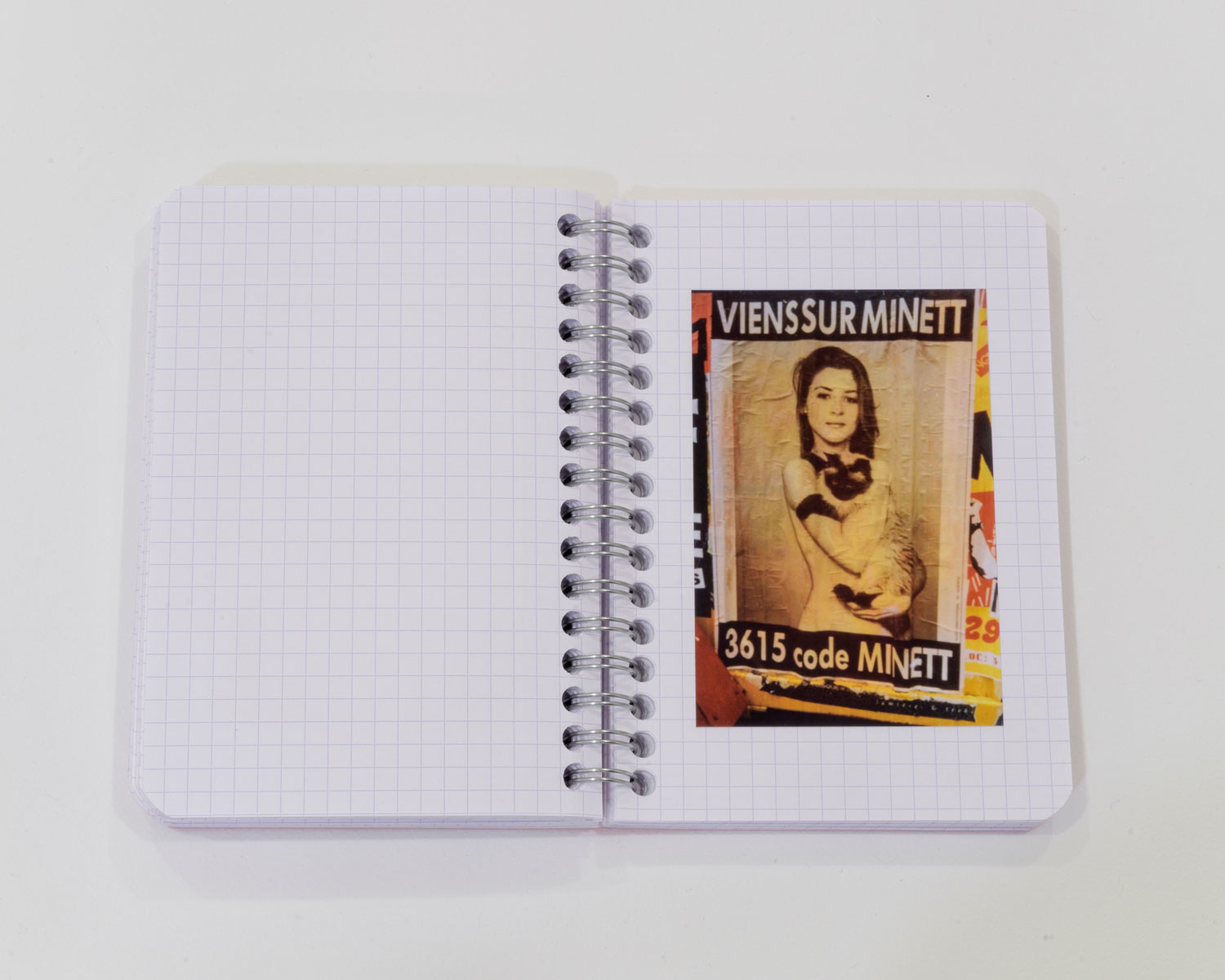
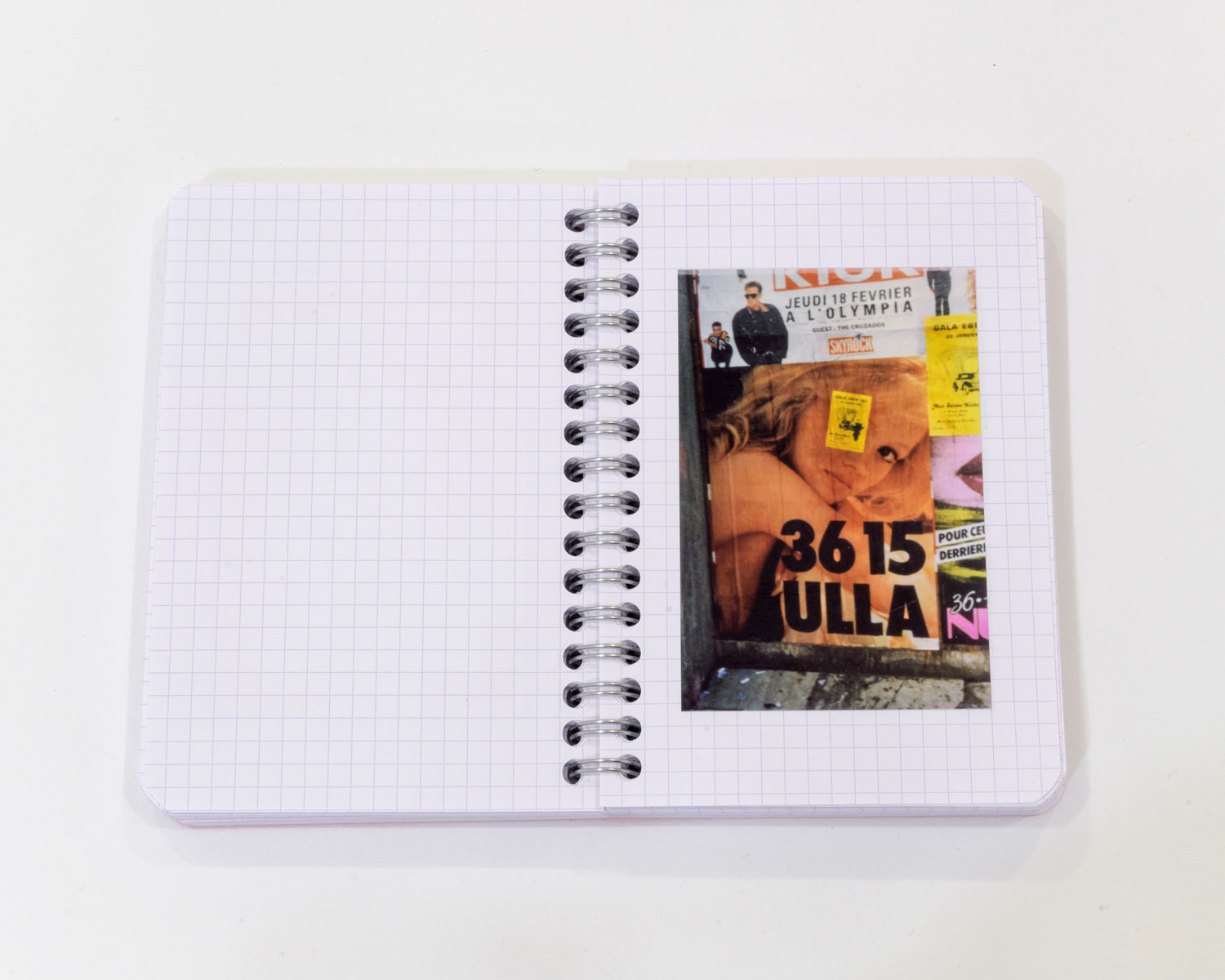
Spiral notebook, 180 pages
5.51 x 3.54 in ( 14 x 9,5 cm )
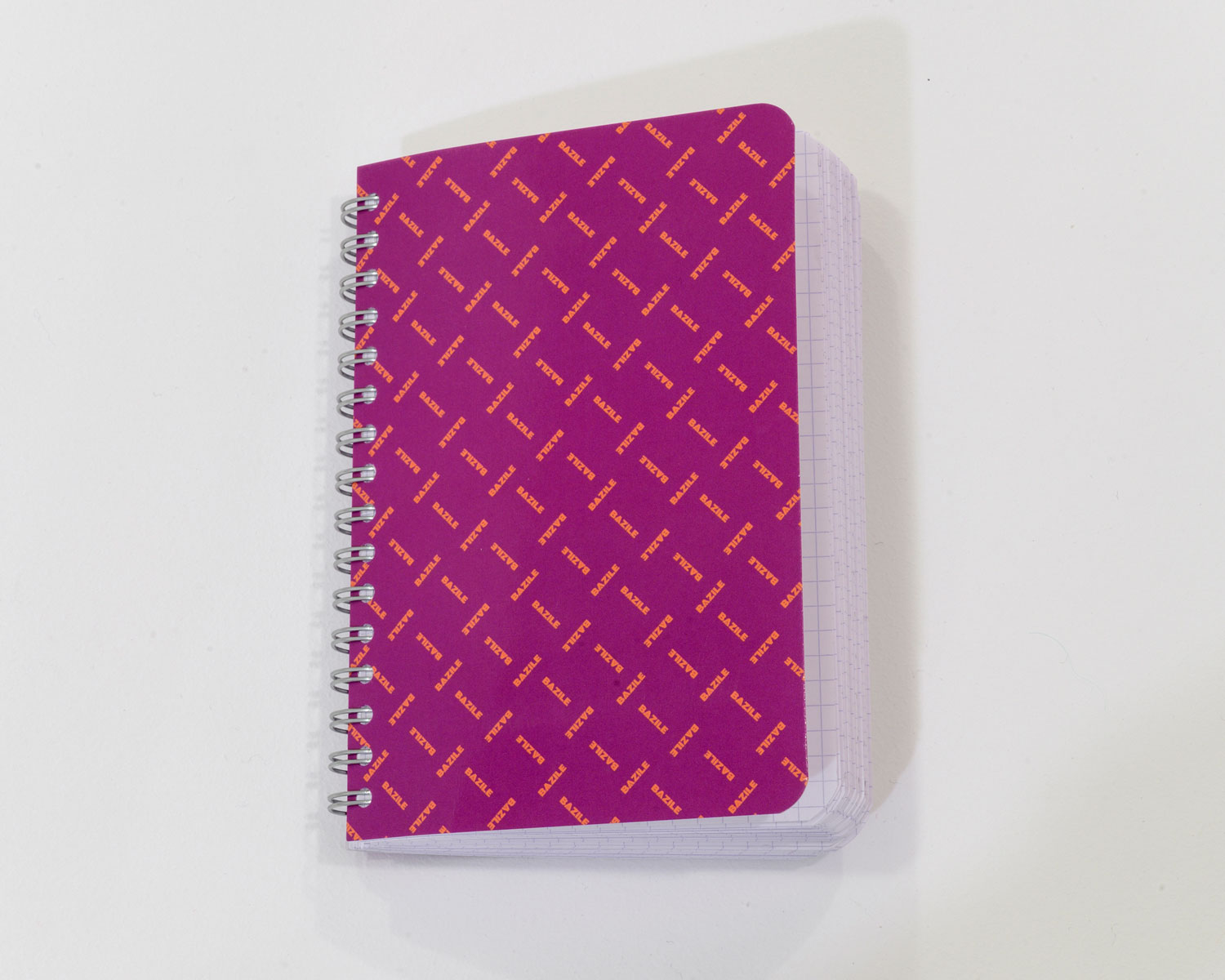
Spiral notebook, 180 pages
5.51 x 3.54 in ( 14 x 9,5 cm )
3 spiral notebooks
5.51 x 3.54 in ( 14 x 9,5 cm )
Inkjet print on paper
Image : 11.81 x 16.93 in ( 30,2 x 43,5 cm )
Frame: 15.75 x 19.69 in
Photographic print
Image : 11.02 x 15.75 in ( 28,8 x 40,8 cm )
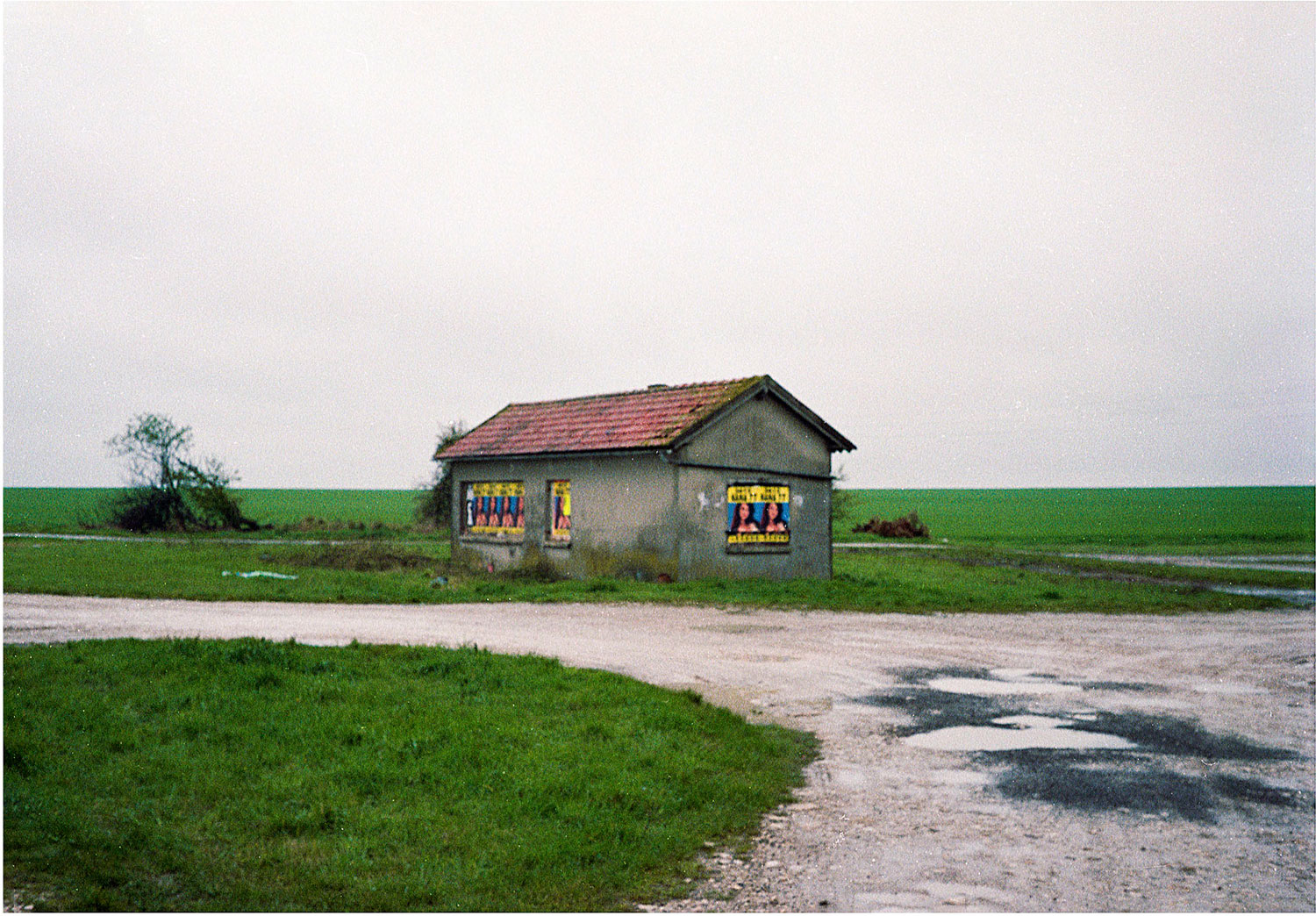
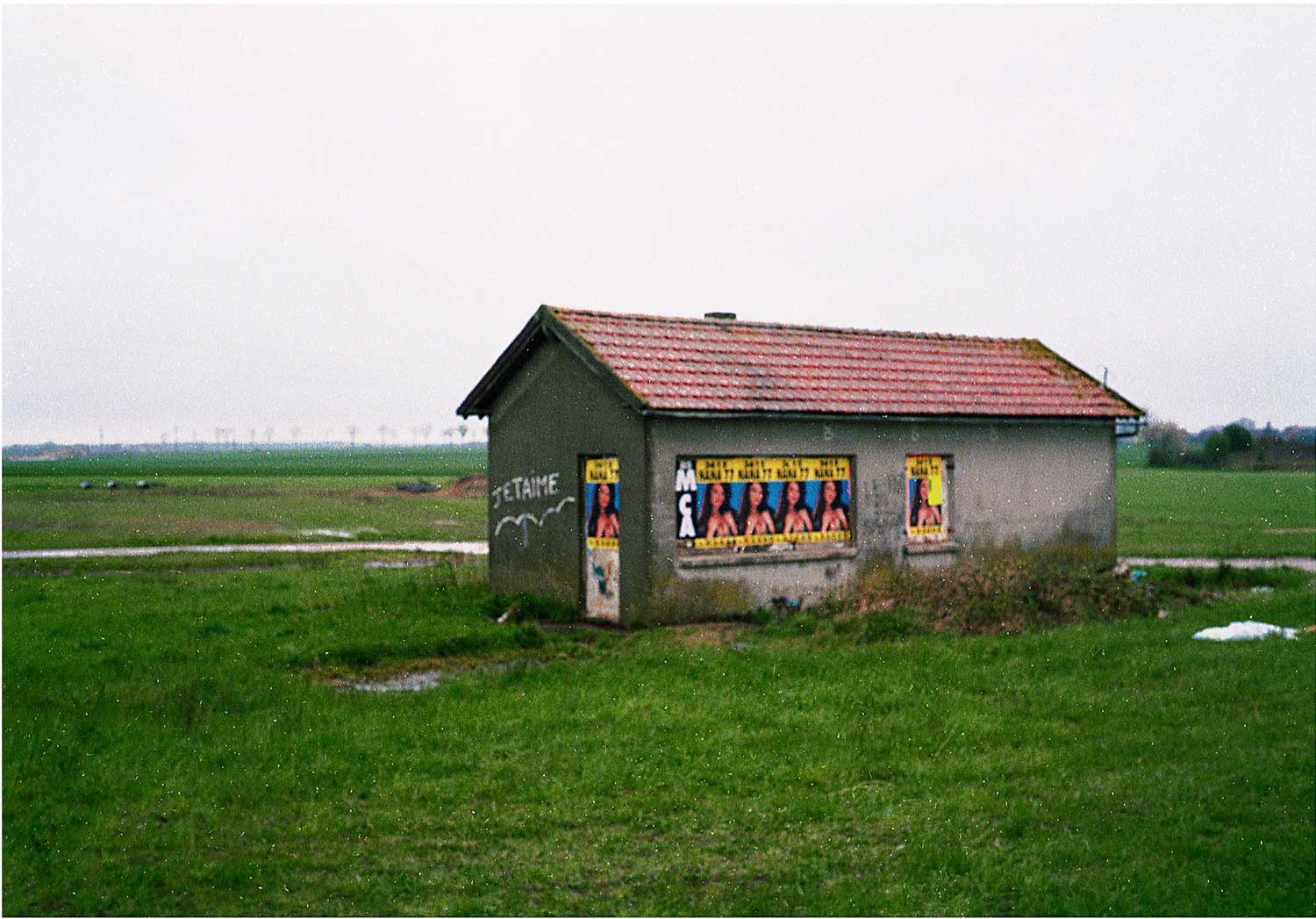
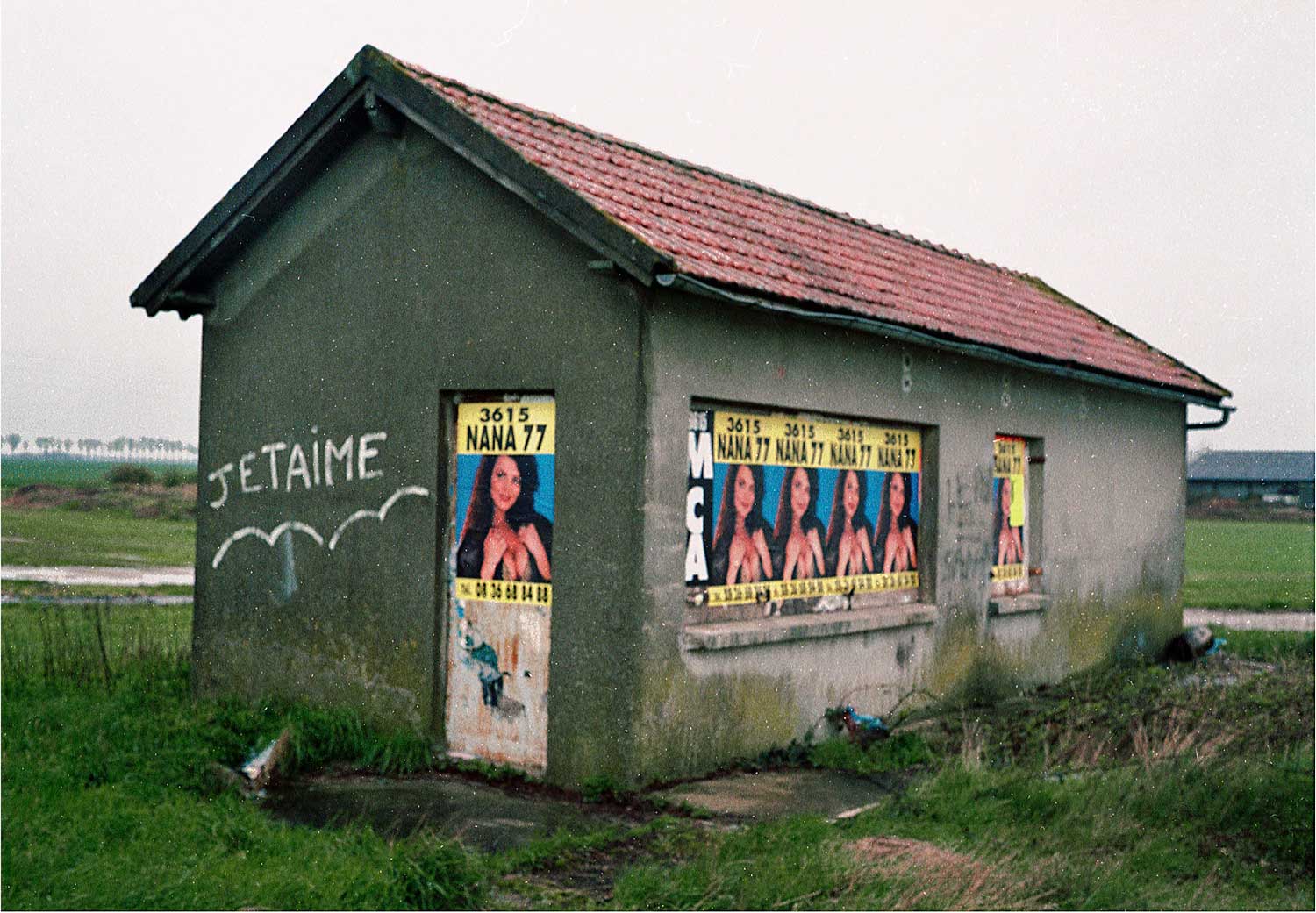
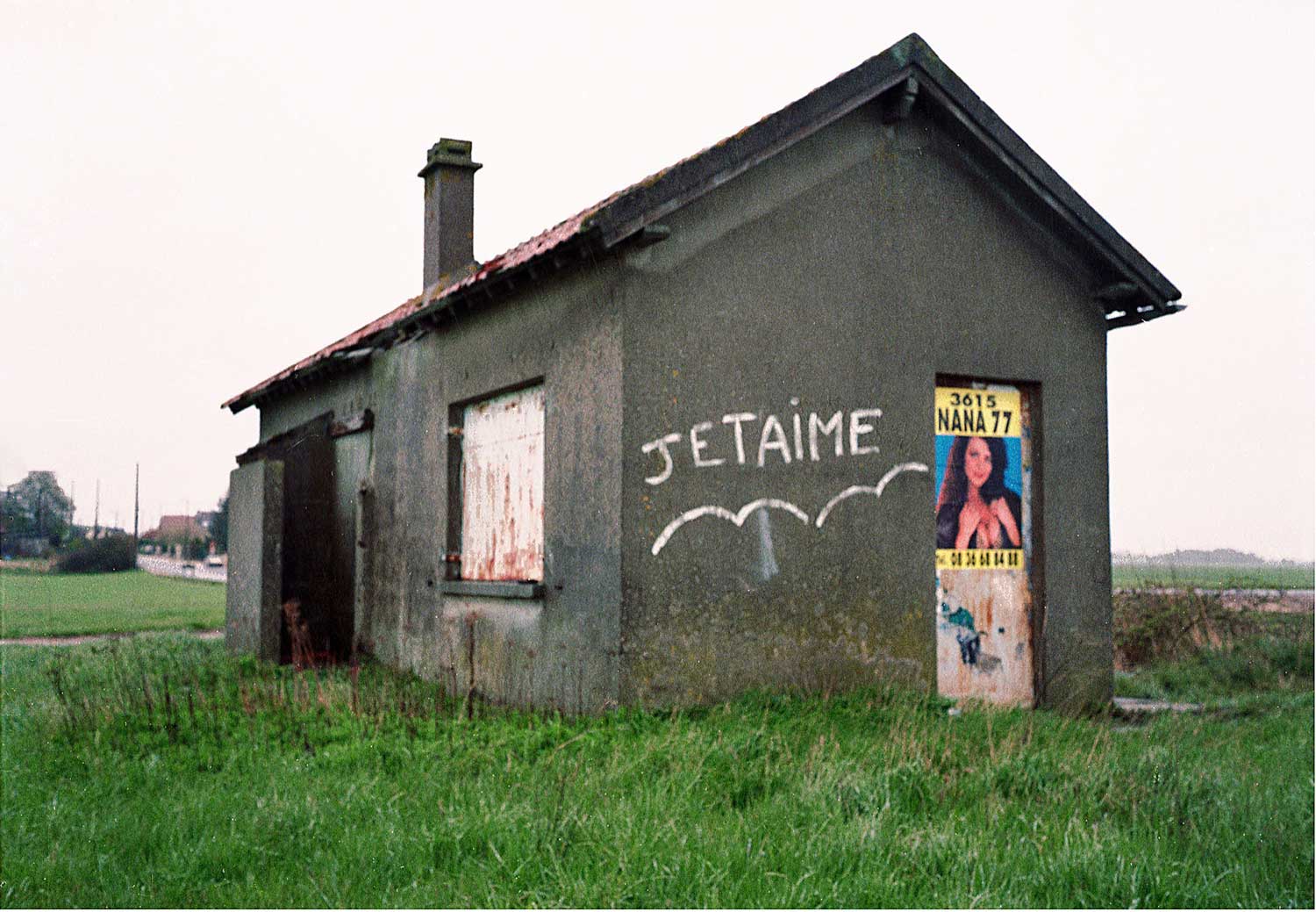
4 photographic prints, 5.12 x 7.48 in
Image : 5.12 x 7.48 in ( 13,5 x 19,5 cm )